One of the 17 toads on WAnimals
Amphibians · Anura · Bombinatoridae
Yellow-bellied Toad
Bombina variegata
The species is abundant and widely distributed; it faces no significant short-term risk. See full glossary
When threatened it performs the striking unken reflex: it arches its back to show off its bright yellow and black belly as a warning that it is toxic.
Weight
2 g – 12 g
Size
2.8 cm – 5.6 cm
Lifespan
15 years
Diet
Insectivore
Feeds mainly on insects and other invertebrates.
Activity
Irregular activity
Active at irregular times, by day or night depending on circumstances.
Social structure
Solitary
Lives and hunts alone, joining others only to breed.
Sighting difficulty
Easy
Estimated population
No global figure: it remains abundant in southern and eastern Europe, but at the northern edge of its range many populations have died out. It is listed as threatened in several countries and is considered extinct in Belgium
Fun facts
- It performs the unken reflex, arching its body to show its yellow belly as a warning.
- Its lifespan varies enormously by region, from 5 to more than 20 years.
- It lives in temporary pools and mountain streams of central and eastern Europe.
Life cycle & biology
- Skeleton type
- Vertebrate - internal bony skeleton (amphibian)
- Habitat & environment
- Temporary pools, mountain streams and unstable pioneer habitats of central and eastern Europe
- Birth weight
- Eggs laid in small clutches of about 15, stuck to water plants
- Size at birth
- A tadpole after hatching, completing metamorphosis in roughly a month
- Sexual maturity
- 1.5 years (both sexes)
- Gestation / incubation
- The egg develops over a few days before hatching
- Litter / clutch size
- 120 to 170 eggs a season, in small clutches of about 15
- Lifespan in captivity
- Documented record of up to 29 years in captivity
Sources consulted: World Species; Amphibia-Reptilia (growth longevity study); iNaturalist; genomics.senescence.info; PMC (fast-slow continuum longevity study); The Animal Facts (fire-bellied toad comparativo); Nature (breeding age historical study); Lifeamphicon.eu; Kuzmin et al. 2009, IUCN Red List: catalogada como Preocupación menor por seguir siendo abundante en el sur y el este de su área, pero con tendencia poblacional decreciente; está protegida por la Directiva Hábitats de la UE || IUCN Red List, evaluación de Bombina variegata; Directiva Hábitats 92/43/CEE || IUCN Red List, evaluación de Bombina variegata; datos de fenología reproductiva de la especie
Where to find it
See its range on the interactive mapBest time: From March to May, when it emerges from hibernation and gathers in shallow temporary pools and flooded ground to breed
Where to watch it
Parques y spots de buceo donde se ha documentado esta especie — se muestran 10 de 49 documentados.
Related species
Other species in the catalogue with the most in common with Yellow-bellied Toad — same habitat, park, country, tags or family.
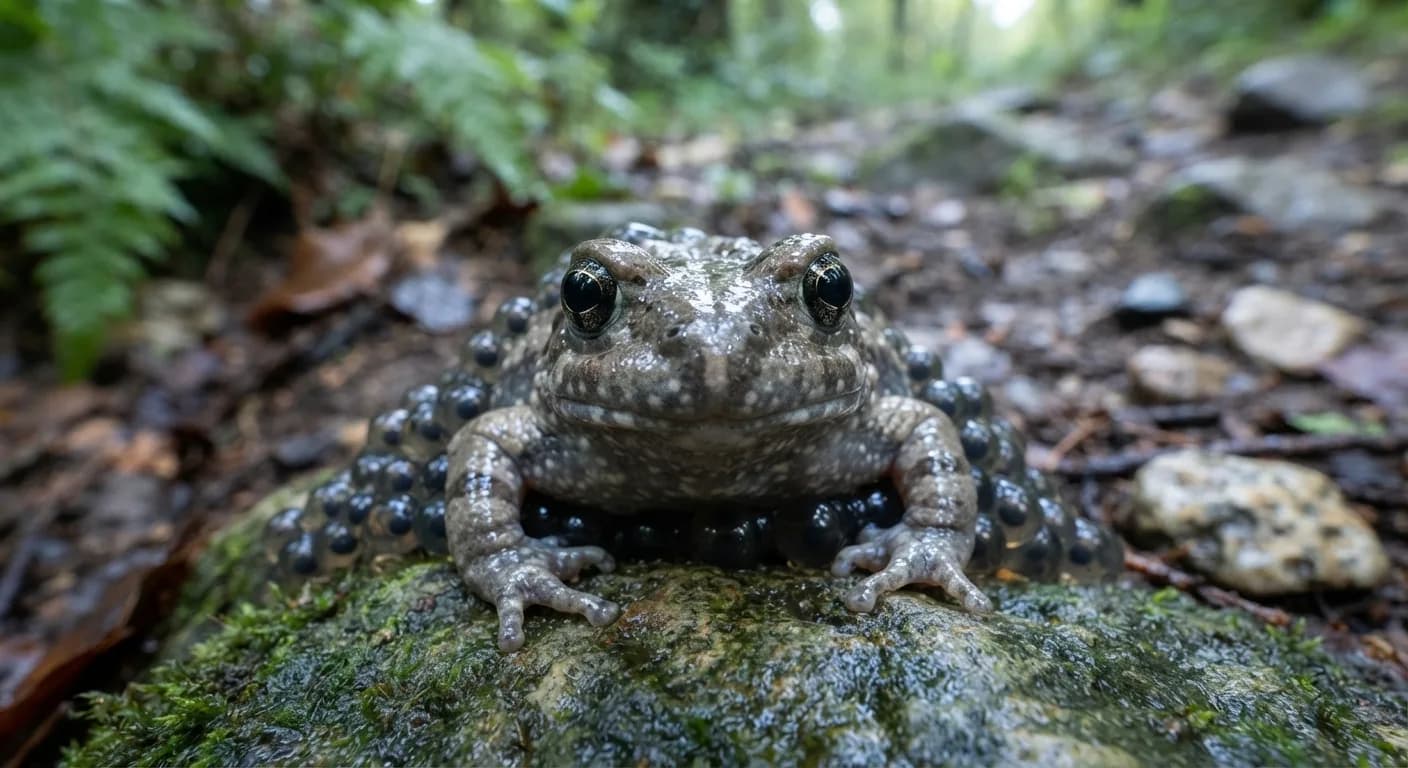
Fire-bellied Toad
Bombina bombina
 Least Concern
Midwife Toad
Alytes obstetricans
Agile Frog
Rana dalmatina
 Least Concern
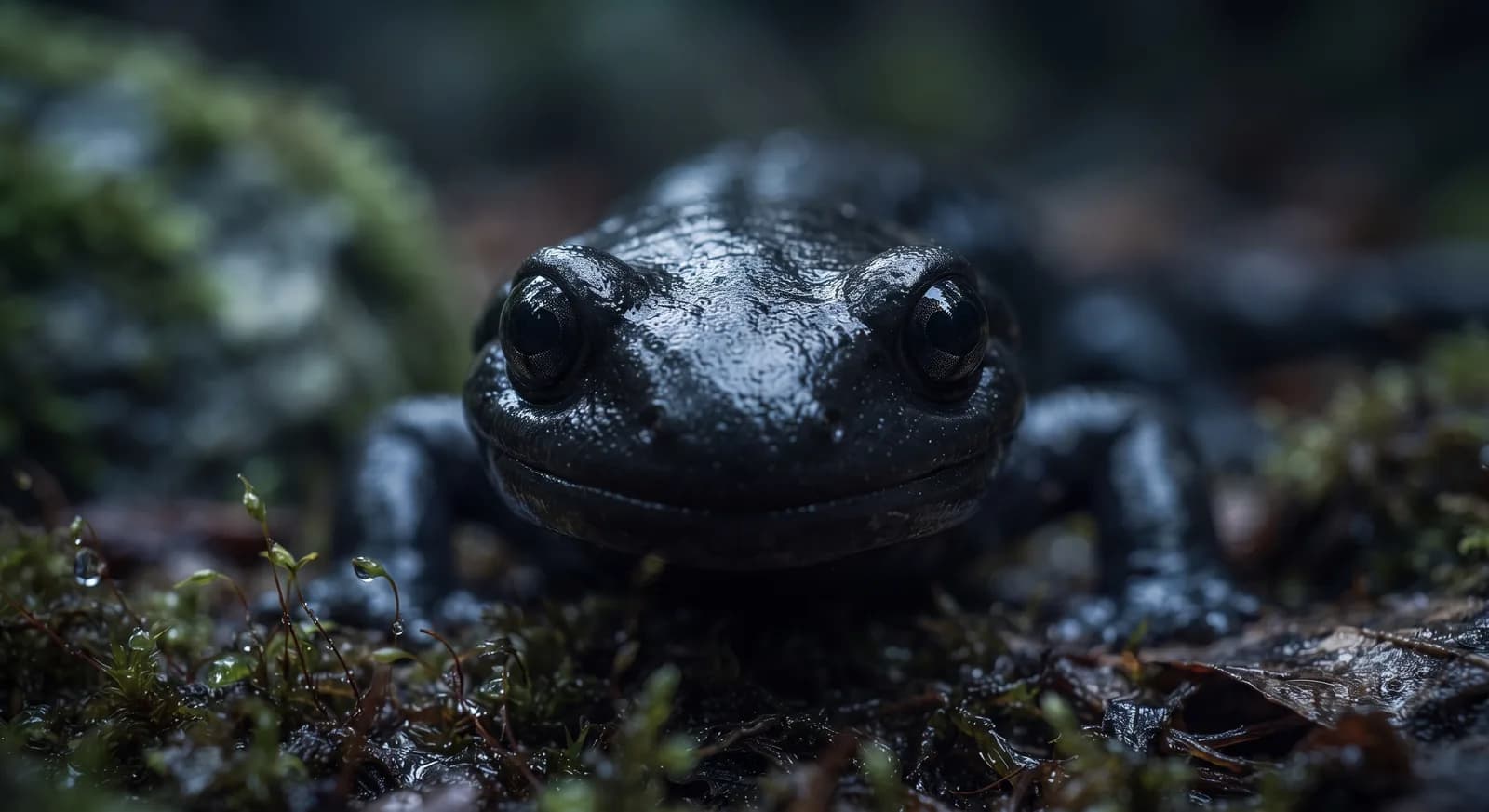
Alpine Salamander
Salamandra atra
Oriental Fire-bellied Toad
Bombina orientalis
 Least Concern
Brown Bear
Ursus arctos
Keep exploring
Based on what we already know about yellow-bellied toad.
Comments
Share an experience, a fun fact or a tip for seeing the yellow-bellied toad.
Be the first to comment.