Bony fish · Anguilliformes · Congridae
Conger
Conger conger
There is not enough information to assess its risk of extinction. See full glossary
It is the heaviest eel in the world, with a record of almost 72 kg, and breeds only once in its life: after a long migration into deep water to spawn, it dies shortly afterwards and never returns to the coast.
Weight
2.5 kg – 25 kg
Size
1.5 m – 3 m
Lifespan
25 years
Diet
Carnivore
Feeds mainly on other animals.
Activity
Nocturnal
Active mainly at night.
Social structure
Solitary
Lives and hunts alone, joining others only to breed.
Sighting difficulty
Unknown
Fun facts
- It is the heaviest eel in the world, with a record of almost 72 kg.
- It breeds only once in its life and dies shortly after spawning.
- It hunts mainly at night from rocky lairs.
Life cycle & biology
- Skeleton type
- Vertebrate - internal bony skeleton (fish)
- Habitat & environment
- Rocky and sandy bottoms of the north-eastern Atlantic and the Mediterranean, from Norway to Senegal, from the shore to deep water
- Birth weight
- Pelagic egg; a transparent ribbon-shaped leptocephalus larva on hatching
- Size at birth
- A transparent, laterally flattened leptocephalus larva on hatching
- Sexual maturity
- Male: ~1.2 m long | Female: ~2 m long, reached between 5 and 15 years old
- Gestation / incubation
- Egg development is not precisely documented (a semelparous deep-water species)
- Litter / clutch size
- Up to several million eggs per female (an estimated 3-8 million)
Sources consulted: ScienceDirect (Iberian waters age growth study); Animalia.bio; LearnAboutNature; ResearchGate (Adriatic Sea study, Irish coastal waters study); A-Z Animals; Animals.net; FishBase
Where to find it
See its range on the interactive mapBest time: All year round on rocky bottoms and wrecks of the eastern Atlantic and the Mediterranean, at night, when it leaves its refuges to hunt.
Where to watch it
Parques y spots de buceo donde se ha documentado esta especie — se muestran 20 de 128 documentados.
Related species
Other species in the catalogue with the most in common with Conger — same habitat, park, country, tags or family.
Shortfin Mako
Isurus oxyrinchus
Porbeagle
Lamna nasus
 Vulnerable
Grayfish
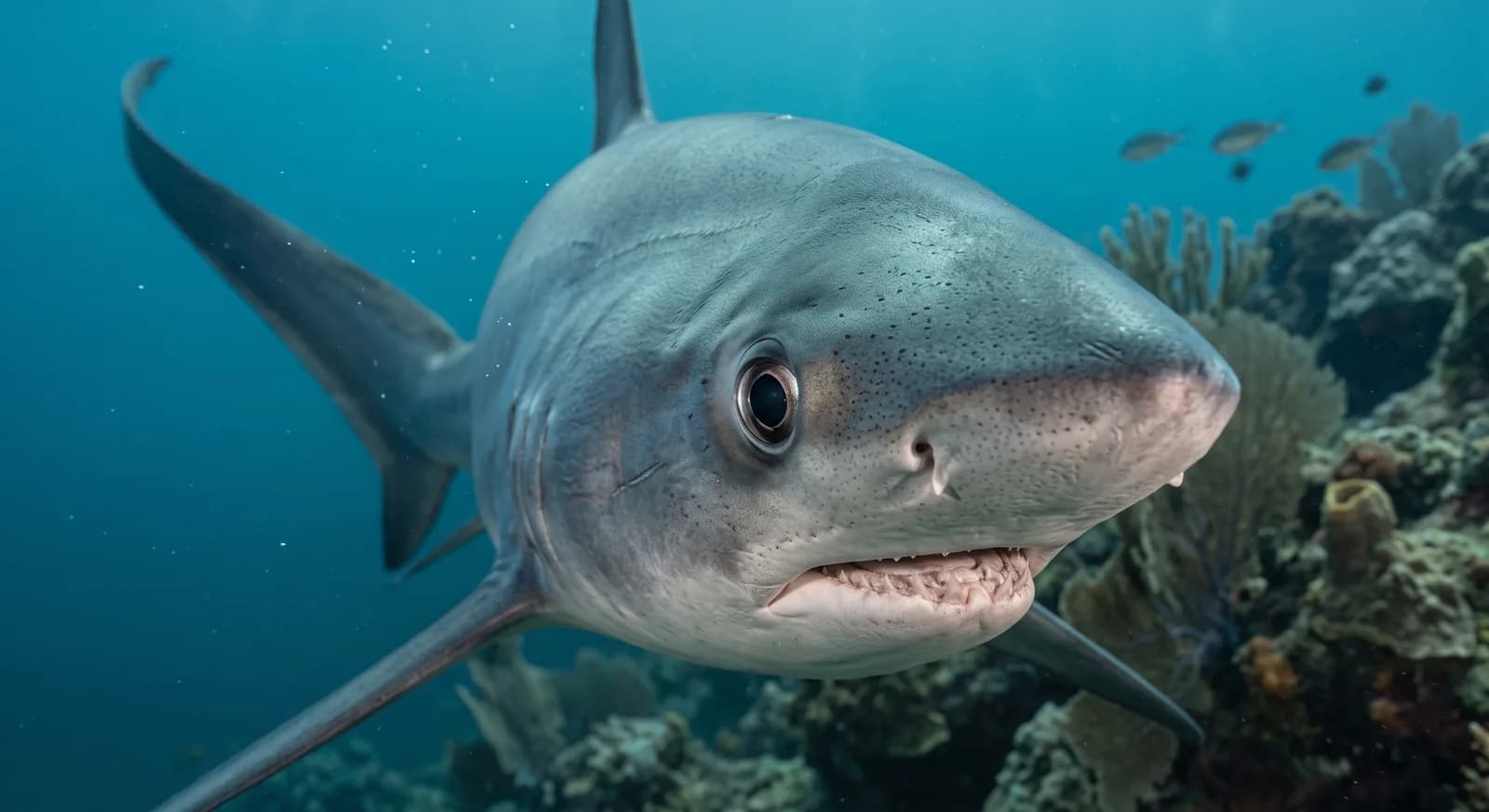
Alopias vulpinus
 Near Threatened
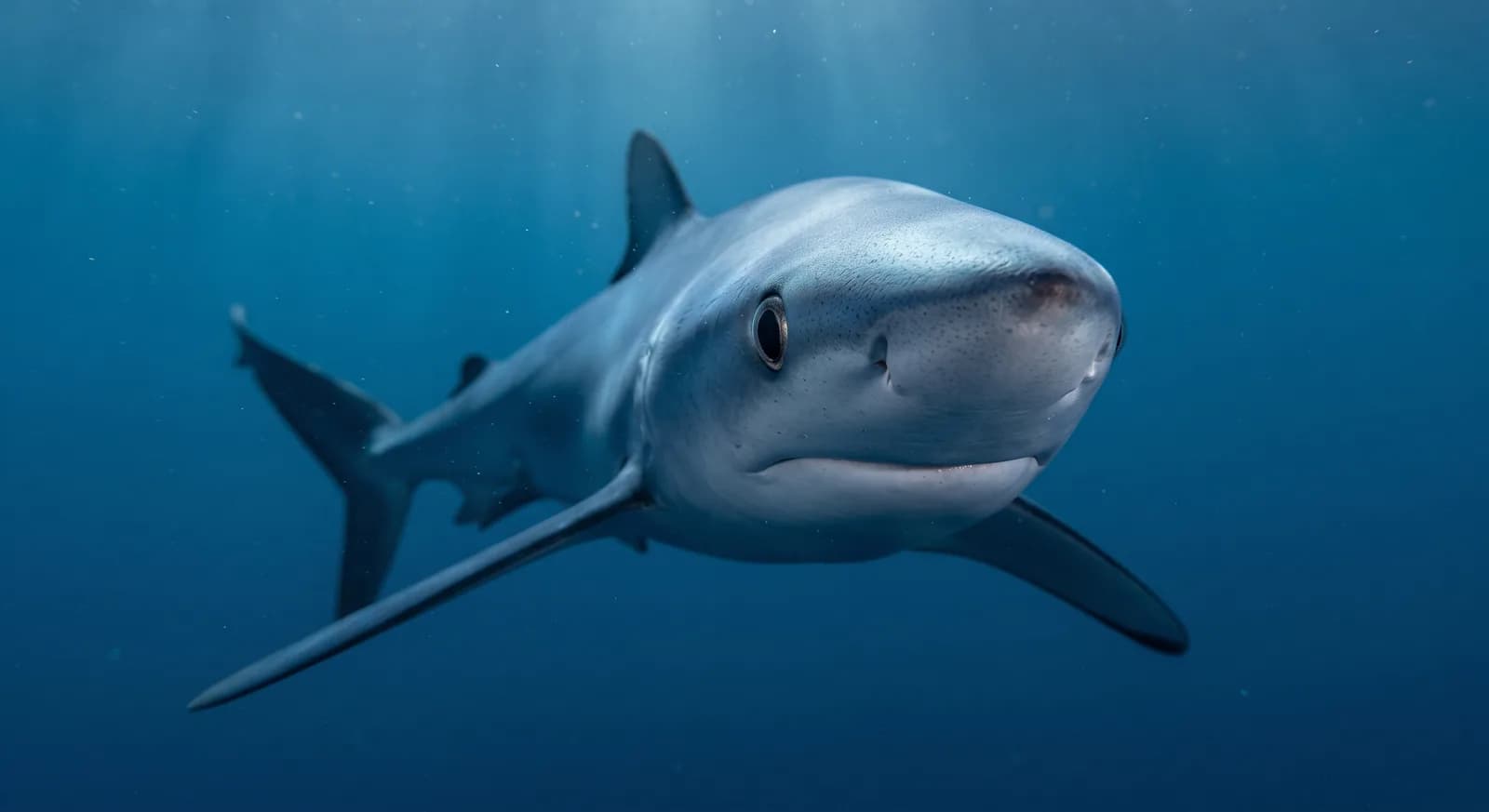
Blue Shark
Prionace glauca
Greenland Shark
Somniosus microcephalus
Bluntnose Sixgill Shark
Hexanchus griseus
Keep exploring
Based on what we already know about conger.
Comments
Share an experience, a fun fact or a tip for seeing the conger.
Be the first to comment.