Insects · Lepidoptera · Noctuidae
Turnip Moth
Agrotis segetum
It has not yet been assessed against the IUCN criteria. See full glossary
The turnip moth is a drab brown noctuid whose caterpillar spends the day buried in the soil and comes out at night to cut seedlings off at ground level. It is a classic pest of beet, potato, maize and vegetables across Europe.
Size
up to 4.2 cm
Diet
Herbivore
Feeds mainly on plants.
Activity
Nocturnal
Active mainly at night.
Social structure
Solitary
Lives and hunts alone, joining others only to breed.
Sighting difficulty
Unknown
Fun facts
- It does not devour the whole plant: it cuts it off at the base, so that a single caterpillar can ruin dozens of seedlings in a night while eating almost nothing.
- The damage shows up as gaps in the crop rows, and the culprit is found curled up in the soil a few centimetres from the severed plant.
- The caterpillar curls into a perfect C when uncovered, a defensive posture typical of soil-dwelling noctuids.
- The caterpillar is the stage known in Spanish as the gusano gris, and its damage is characteristic: it mows down seedlings at ground level during the night, cutting through the stem, and in the morning the grower finds the plant lying flat and apparently intact.
- By day it stays buried beside the plant it has cut, curled into a C shape, which makes it hard to find.
- It attacks practically any herbaceous crop: beet, maize, potato, vegetables and cereals.
- It is migratory: the adults travel long distances, and northern European populations are renewed each year by arrivals from the south.
- Control relies on pheromone traps to track the flights and decide when to treat, because the caterpillar is only vulnerable in its early stages.
Life cycle & biology
- Skeleton type
- Invertebrate - chitin exoskeleton (insect)
- Habitat & environment
- Arable crops, vegetable plots and disturbed soil
Sources consulted: CABI Compendium; EPPO; Ministerio de Agricultura de España
Where to find it
See its range on the interactive mapRelated species
Other species in the catalogue with the most in common with Turnip Moth — same habitat, park, country, tags or family.
Fall Armyworm Moth
Spodoptera frugiperda
 Least Concern
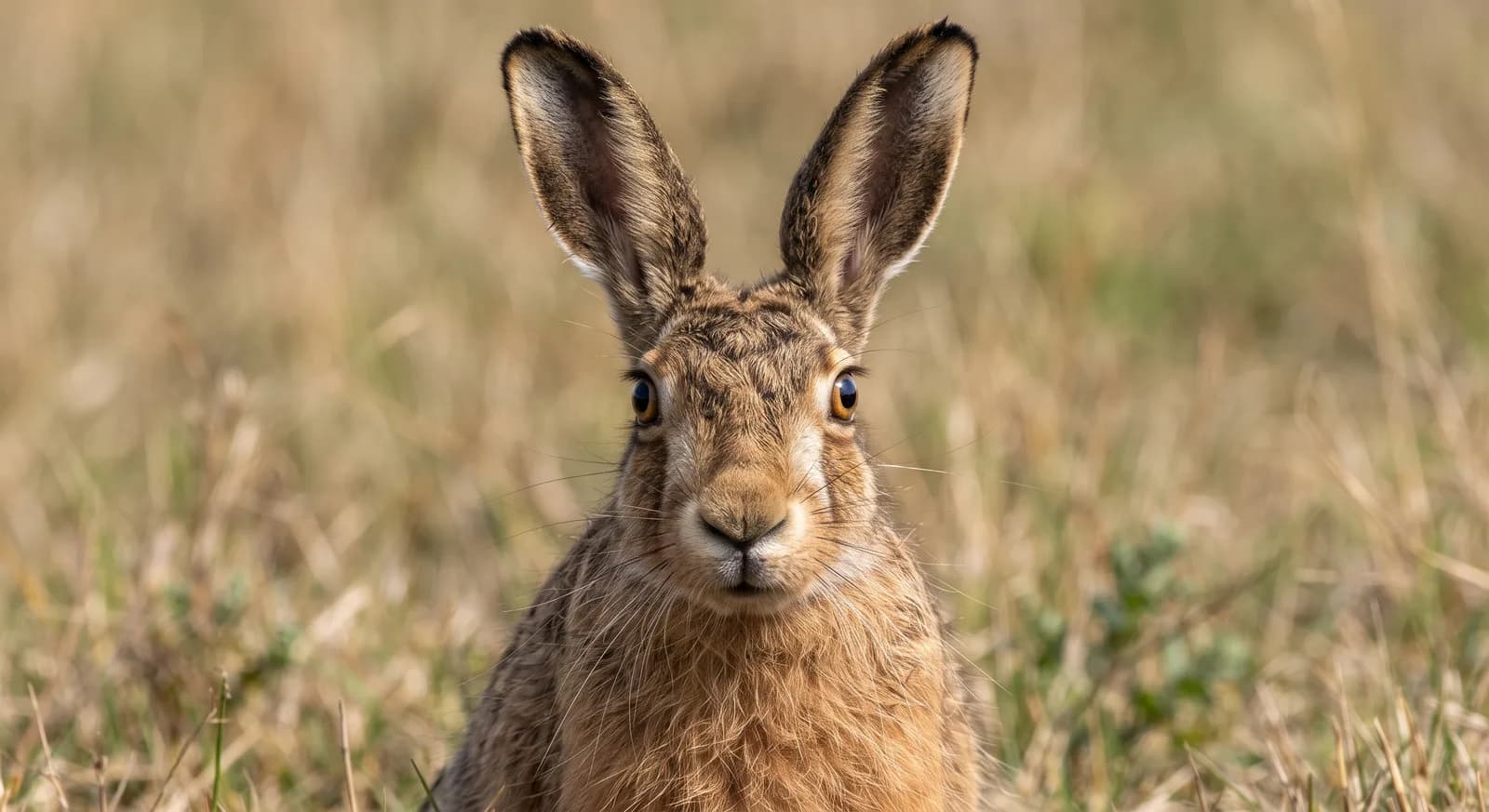
European Hare
Lepus europaeus
Common Cockchafer
Melolontha melolontha
Swallowtail
Papilio machaon
Great Green Bush Cricket
Tettigonia viridissima
Common Garden Snail
Cornu aspersum
Keep exploring
Based on what we already know about turnip moth.
Comments
Share an experience, a fun fact or a tip for seeing the turnip moth.
Be the first to comment.