One of the 15 flies on WAnimals
Insects · Diptera · Tephritidae
Mediterranean Fruit Fly
Ceratitis capitata
It has not yet been assessed against the IUCN criteria. See full glossary
Ceratitis capitata is a brachyceran fly of the family Tephritidae, originally from the west coast of Africa, where very closely related species live. From there it spread to temperate, subtropical and tropical climates in both hemispheres. It is regarded as a cosmopolitan species because of its present worldwide spread, due in large part to the growth of the global fruit trade.
Diet
Herbivore
Feeds mainly on plants.
Activity
Diurnal
Active mainly during the day.
Social structure
Solitary
Lives and hunts alone, joining others only to breed.
Sighting difficulty
Unknown
Fun facts
- It attacks more than 300 species of fruit, vegetable and nut: the widest host range known in any fruit fly.
- It is fought mainly with the sterile insect technique: in the United States some 400 million sterile flies are released each month in the at-risk areas of Florida and 200 million in the Los Angeles basin.
- In the Valencian Community a pilot programme using that technique cut the wild population by more than 90 % between 2003 and 2006.
- It is a quarantine pest: if it is detected in the United States an eradication programme is triggered, because fruit from infested areas cannot be exported to pest-free ones.
- Climate projections suggest its European range will grow by 42 % by 2050 compared with 2020.
Life cycle & biology
- Skeleton type
- Invertebrate - chitin exoskeleton (insect)
- Habitat & environment
- Tropical, subtropical and warm-temperate fruit-growing areas; the female lays her eggs under the skin of the fruit and the larva develops inside the flesh
- Gestation / incubation
- From egg to adult in about 21 days
Sources consulted: https://es.wikipedia.org/wiki/Ceratitis_capitata
Where to find it
See its range on the interactive mapRelated species
Other species in the catalogue with the most in common with Mediterranean Fruit Fly — same habitat, park, country, tags or family.
Gopher Tortoise
Gopherus polyphemus
Sacred Scarab
Scarabaeus sacer
 Not Evaluated
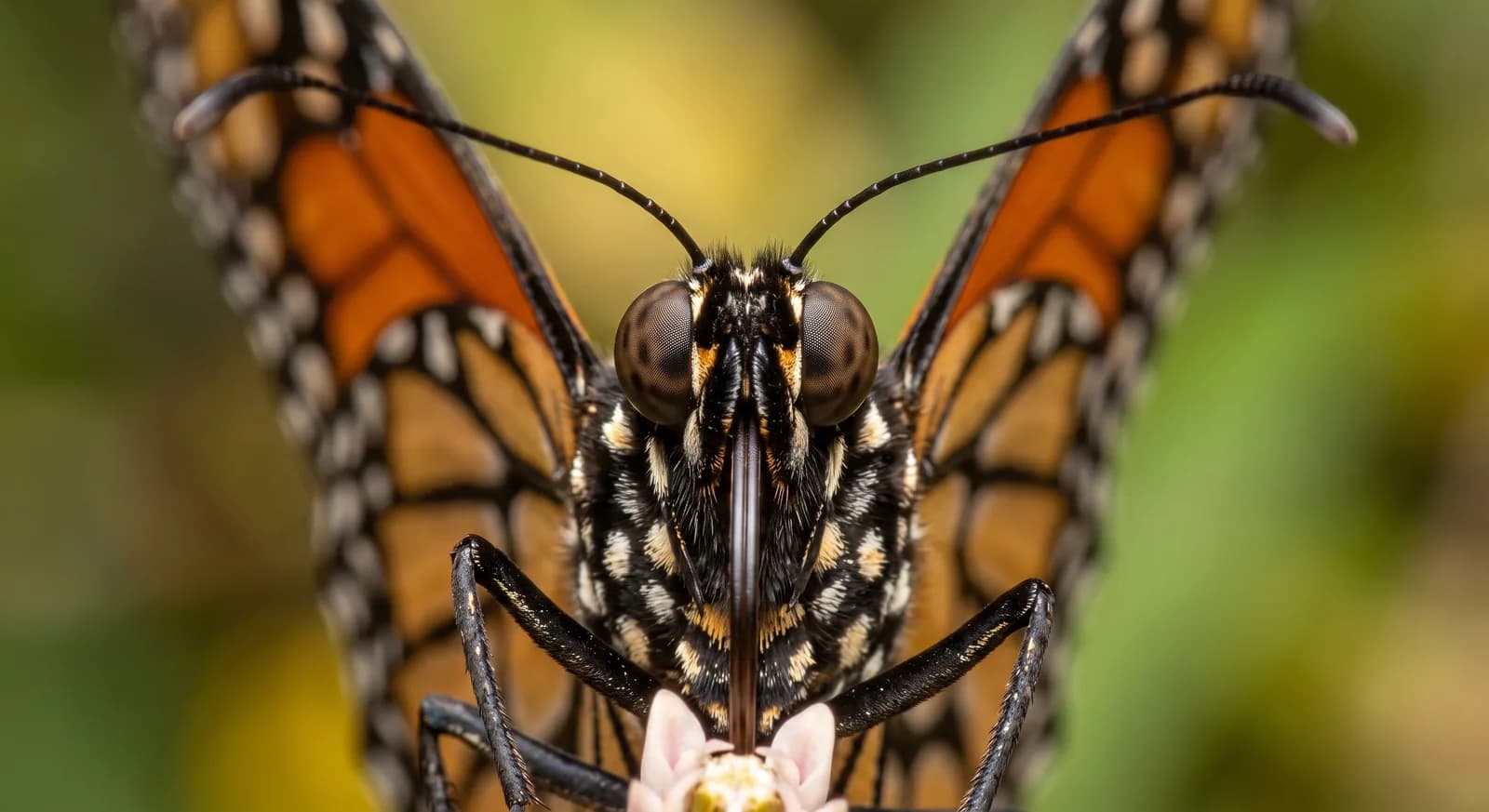
Monarch
Danaus plexippus
Red Admiral
Vanessa atalanta
Peacock
Aglais io
Keep exploring
Based on what we already know about mediterranean fruit fly.
Comments
Share an experience, a fun fact or a tip for seeing the mediterranean fruit fly.
Be the first to comment.