One of the 2 aphids on WAnimals
Insects · Hemiptera · Aphididae
Black Bean Aphid
Aphis fabae
It has not yet been assessed against the IUCN criteria. See full glossary
The aphid Aphis fabae is a small insect of the genus Aphis, family Aphididae. In the warm months it is found in great numbers on the undersides of the leaves of its host plants, which include many crop species. There are winged and wingless forms, and at this time of year they are all parthenogenetic females. They suck the sap of stems and leaves, causing deformities in the plants and ruining harvests. They can be vectors of viruses that cause plant diseases. The honeydew they produce can cause sooty mould. It breeds in great numbers at great speed. It is associated with ants that protect it. Its populations can be controlled by the presence of parasitic and predatory insects. In autumn winged forms appear, males and females that mate. The eggs overwinter.
Size
up to 0.3 cm
Diet
Herbivore
Feeds mainly on plants.
Social structure
Colony
Lives in large concentrations, often for breeding reasons.
Sighting difficulty
Unknown
Fun facts
- In spring and summer the females reproduce without males and give birth directly to live females, which in turn already carry the next generation inside them: three generations nested one within another, like Russian dolls.
- It alternates host plants with the season: it overwinters as an egg on spindle or viburnum and in spring flies to broad beans, beet or thistles.
- Ants tend it, carry it and defend it from ladybirds and hoverflies in exchange for its honeydew — herding in the fullest sense.
- Its cycle alternates generations: sexual in autumn on the winter host shrub, where it lays its eggs, and several parthenogenetic, live-bearing generations in summer on herbaceous plants.
- Ants tend and milk it: they collect its honeydew, rich in sugars and amino acids, and in return defend it and even carry young aphids to fresh plants.
- The quantity and composition of the honeydew change with the plant it feeds on, and that determines how closely the ants attend it.
- It is in fact a complex of at least four subspecies that share the same winter hosts but prefer different summer plants.
Life cycle & biology
- Habitat & environment
- Broad beans, beet, thistles and other herbaceous plants; overwinters on spindle and viburnum
Sources consulted: https://es.wikipedia.org/wiki/Aphis_fabae
Where to find it
See its range on the interactive mapRelated species
Other species in the catalogue with the most in common with Black Bean Aphid — same habitat, park, country, tags or family.
Green Peach Aphid
Myzus persicae
Common Cockchafer
Melolontha melolontha
 Not Evaluated
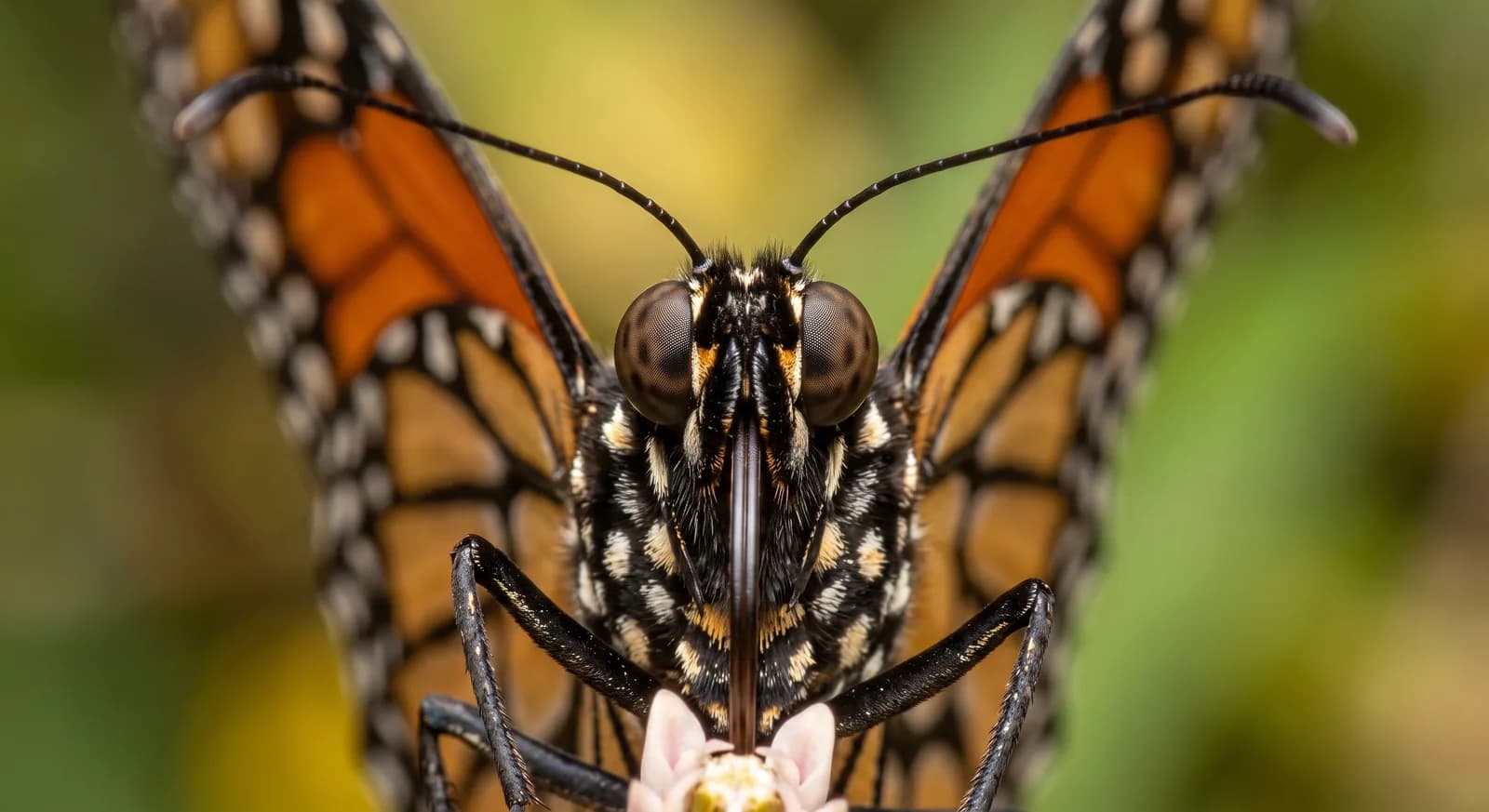
Monarch
Danaus plexippus
Pomace Fly
Drosophila melanogaster
Migratory Locust
Locusta migratoria
Japanese Beetle
Popillia japonica
Keep exploring
Based on what we already know about black bean aphid.
Comments
Share an experience, a fun fact or a tip for seeing the black bean aphid.
Be the first to comment.