 Least Concern
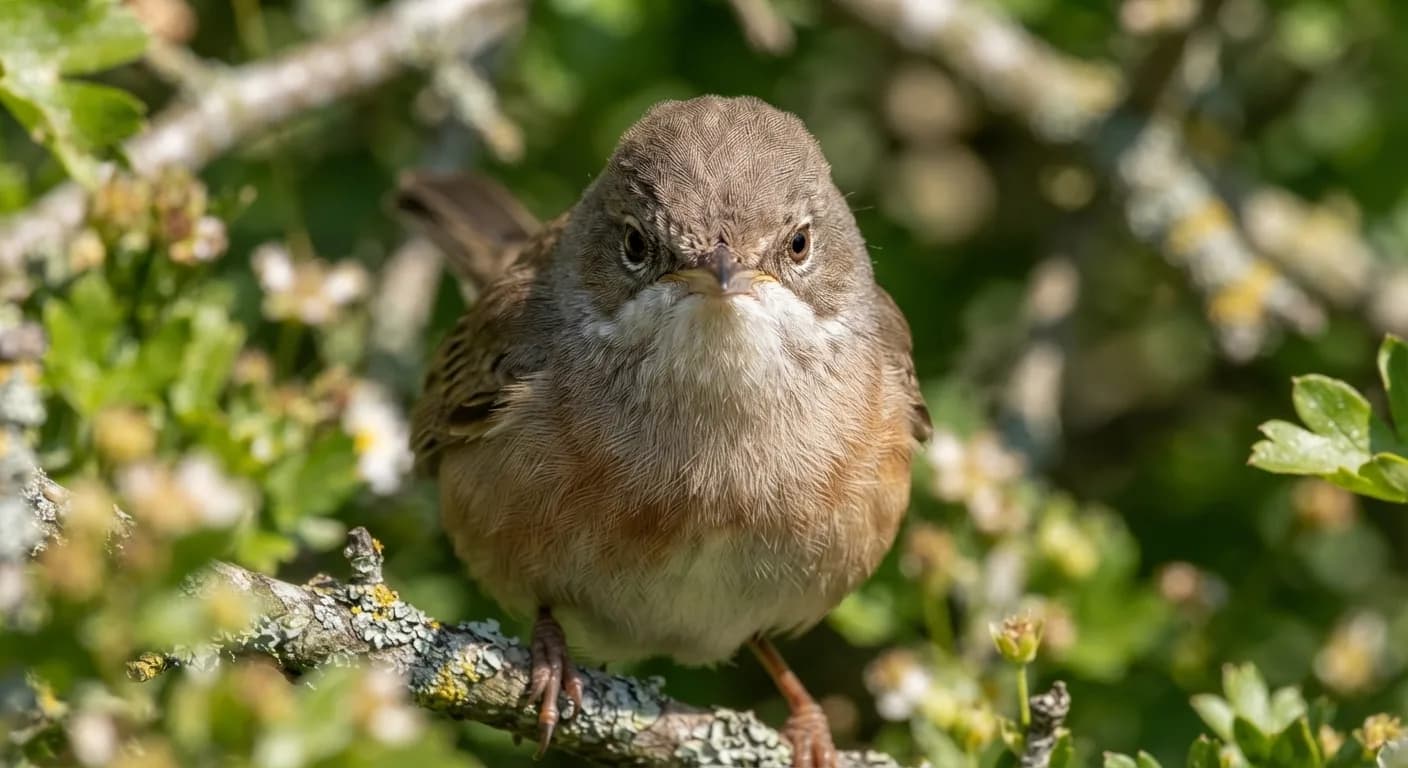
Common Whitethroat
Curruca communis
One of the 5 warblers on WAnimals
Birds · Passeriformes · Sylviidae
Sylvia atricapilla
The species is abundant and widely distributed; it faces no significant short-term risk.
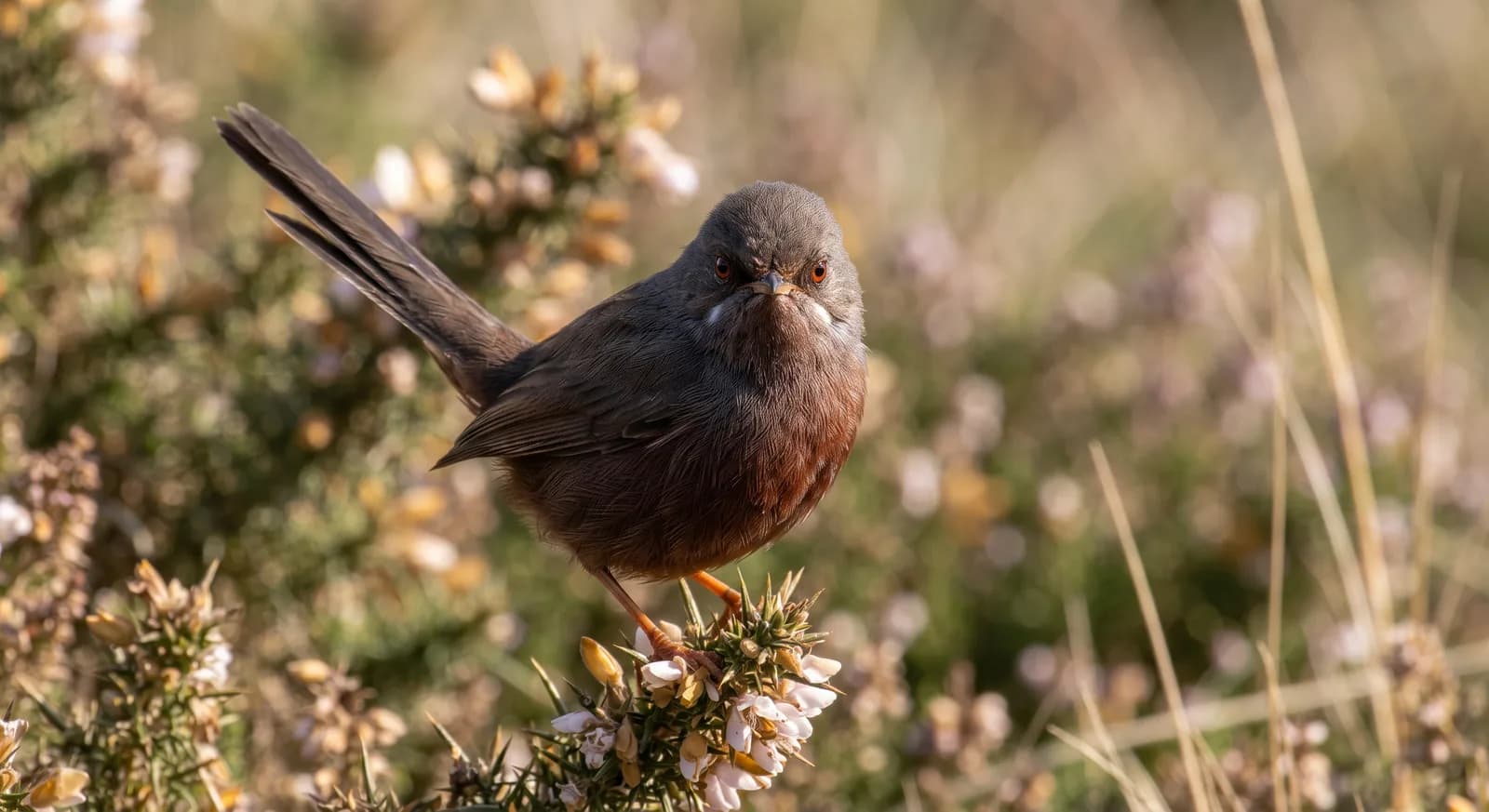
A compact, sturdy warbler in sober grey tones, without the white outer tail feathers or white throat of other Sylvia warblers. Its identity card is the cap: black in the male, chestnut in the female and in young birds, and always shaped like a beret that stops short of the eye line.
Weight
14 g – 20 g
Size
13 cm – 15 cm
Life expectancy
5 years
Diet
Omnivore
Combines animal and plant food depending on availability.
Activity
Diurnal
Active mainly during the day.
Social structure
In pairs
Usually lives in pairs, sometimes for life.
Estimated population
The world population is estimated at some 150 million individuals (BirdLife International); the European one, at between 17 and 42 million breeding pairs
Sources consulted: SEO/BirdLife (ficha y III Atlas de las aves en época de reproducción en España) · IUCN Red List · Asturnatura · Pérez-Tris y Remacha 2022, III Atlas · Carbonell y Tellería 1998, Ardeola 45 · Aymí et al. 2020 · Pérez-Tris et al. (parásitos sanguíneos en poblaciones macaronésicas)
Best time: All year round; in winter it is easier to see because birds arrive from central Europe
Parks and dive sites where this species has been documented — showing 10 of 261.
Other species in the catalogue with the most in common with Eurasian Blackcap — same habitat, park, country, tags or family.
Based on what we already know about eurasian blackcap.
The pins mark the parks where its presence is documented.