Skip to content
WAnimals
  • Map
  • Species
  • Parks
  • Diving
Log inCreate account
WAnimals

The guide for travellers and animal lovers: discover, plan and share your wild adventures around the world.

Discover wildlife

  • Species
  • Ecosystems
  • Glossary
  • Tags

Explore places

  • Map
  • Countries
  • Parks
  • Diving

Plan experiences

  • Guides

Learn

  • Blog

Resources

  • About us
  • How we build our profiles
  • Help centre
  • Contact
  • Install the app

Follow us

Account

  • Log in
  • Create account

© 2026 WAnimals. All rights reserved.

Terms of servicePrivacyCookiesLegal notice
MapSpeciesParksDiving
  1. Home
  2. Species
  3. Giant African Millipede

One of the 4 millipedes on WAnimals
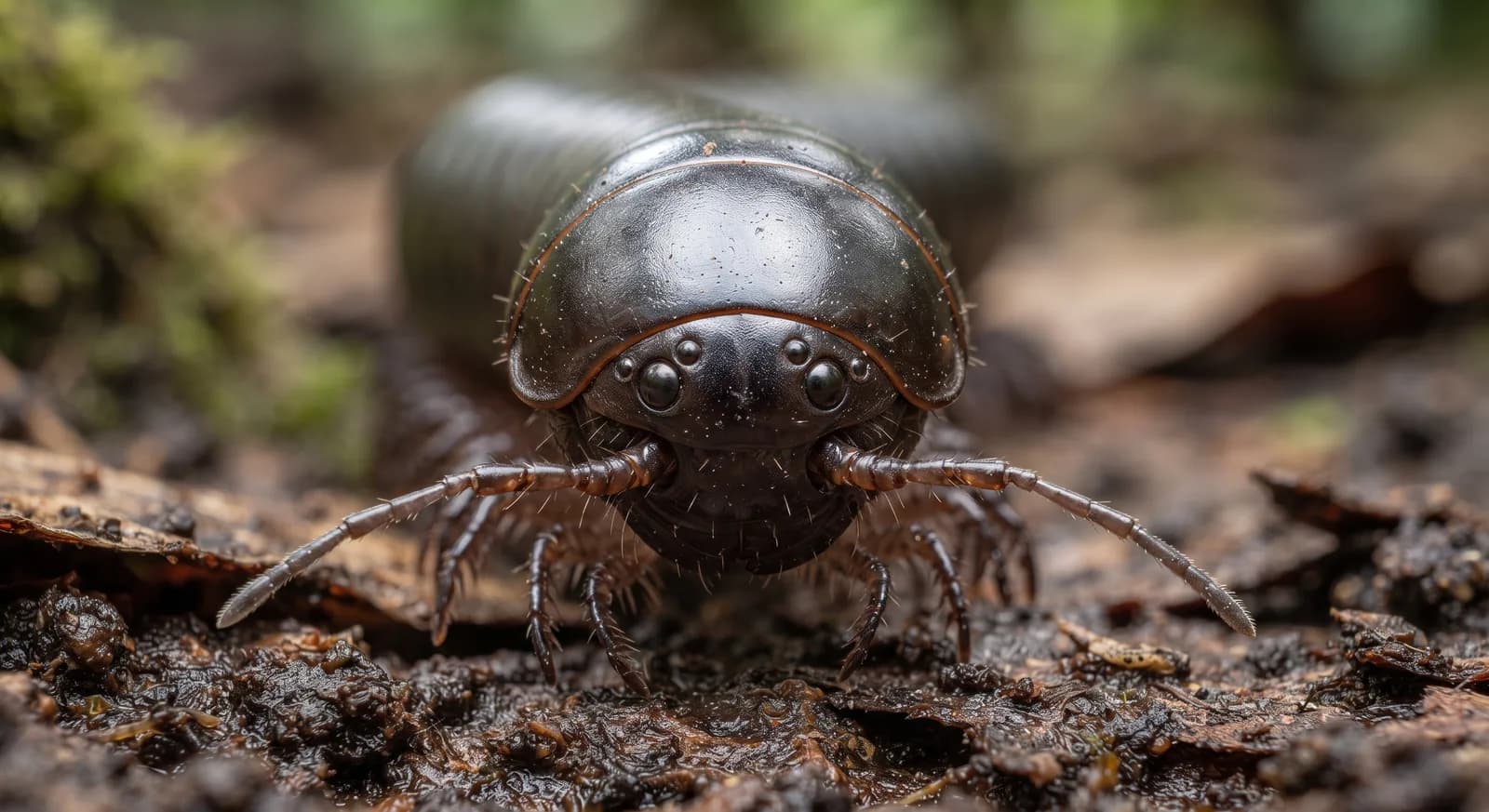
Giant African Millipede (Archispirostreptus gigas)

Millipedes · Spirostreptida · Spirostreptidae

Giant African Millipede

Archispirostreptus gigas

Least Concern

The species is abundant and widely distributed; it faces no significant short-term risk.

Spotted something wrong?

The giant African millipede is one of the largest in the world, with a glossy black cylindrical body up to thirty-five centimetres long and more than two hundred and fifty legs. It feeds on leaf litter and rotting wood and is completely harmless.

Size

20 cm – 35 cm

Life expectancy

7 years

Diet

Herbivore

Feeds mainly on plants.
Activity

Nocturnal

Active mainly at night.

Social structure

Solitary

Lives and hunts alone, joining others only to breed.

Savanna
44countries58parks

AI-generated images: illustrations, not photographs.

Fun facts

  • It neither bites nor stings: its only defence is to coil into a spiral and secrete an irritant fluid that can stain the skin and sting the eyes.
  • It carries commensal mites on its body that feed on debris and secretions and travel with it without doing it any harm.
  • It is an important decomposer in African soils: by shredding the leaf litter it greatly speeds up the recycling of nutrients.
  • It is the largest millipede in the world: it reaches some 33 to 35 cm in length and has around 250 pairs of legs.
  • It neither bites nor stings, and is harmless: its only defence is to coil into a spiral and secrete from lateral pores an irritant liquid that stains the skin and can cause itching or burning, especially if it reaches the eyes.
  • It carries passengers: it is often found with mites of the genus Cheliphidon clinging between its segments, which feed on debris and on its secretions and travel with it.
  • It is a strict detritivore, and its ecological role is the recycling of leaf litter in African soils.
  • It lives up to ten years, a long time for an arthropod, and is one of the most popular invertebrates in the terrarium hobby for its docility and its longevity.
  • Its trade as a pet is regulated in many countries because of the risk of introducing it as an exotic species.

Life cycle and biology

Skeleton type
Invertebrate - chitin exoskeleton (myriapod)
Habitat and environment
Leaf litter and soil of forests and savannahs in East Africa

Sources consulted: Wikipedia (en): Archispirostreptus gigas

Where to find it

Loading map…

Where to see it

Parks and dive sites where this species has been documented — showing 10 of 58.

Related species

Other species in the catalogue with the most in common with Giant African Millipede — same habitat, park, country, tags or family.

Shares a park
Shares a park
Shares a park
Shares a park
Shares a park
Shares a park

Keep exploring

Based on what we already know about giant african millipede.

Share an experience, a fun fact or a tip for seeing the giant african millipede.
See full glossary
This page in other languages: Español · Deutsch · Français · Português · Italiano

The pins mark the parks where its presence is documented.

See its range on the interactive map→
Serengeti National ParkTanzania
Maasai Mara National ReserveKenya
Kruger National ParkSouth Africa
NgorongoroTanzania
AmboseliKenya
TsavoKenya
Lake NakuruKenya
BwindiUganda
VirungaDemocratic Republic of the Congo
GorongosaMozambique
See all 58 parks
Least Concern

Southern African Springhare

Pedetes capensis

AardvarkLeast Concern

Aardvark

Orycteropus afer

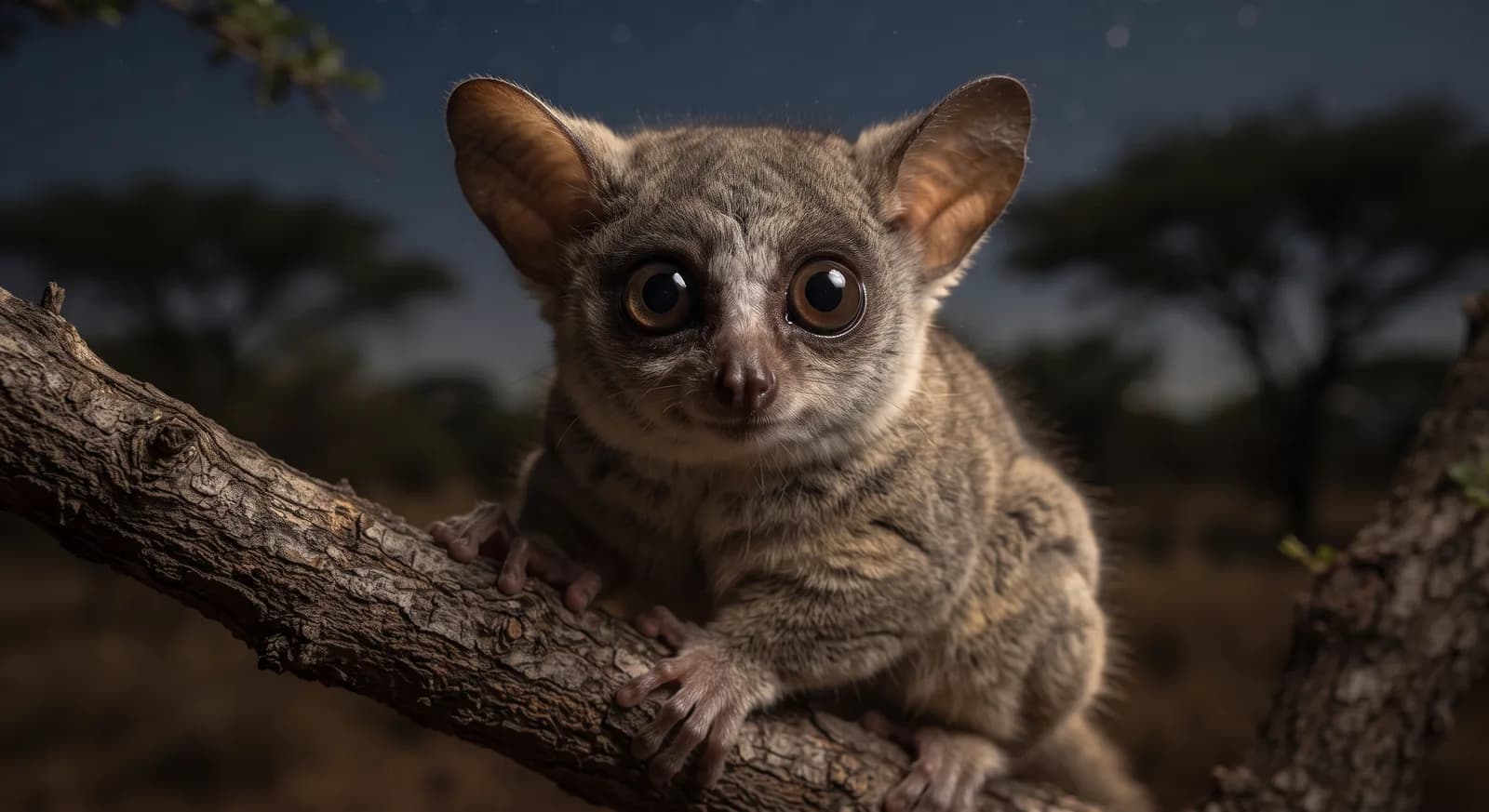
Northern Lesser GalagoLeast Concern

Northern Lesser Galago

Galago senegalensis

Least Concern

Thick-tailed Greater Galago

Otolemur crassicaudatus

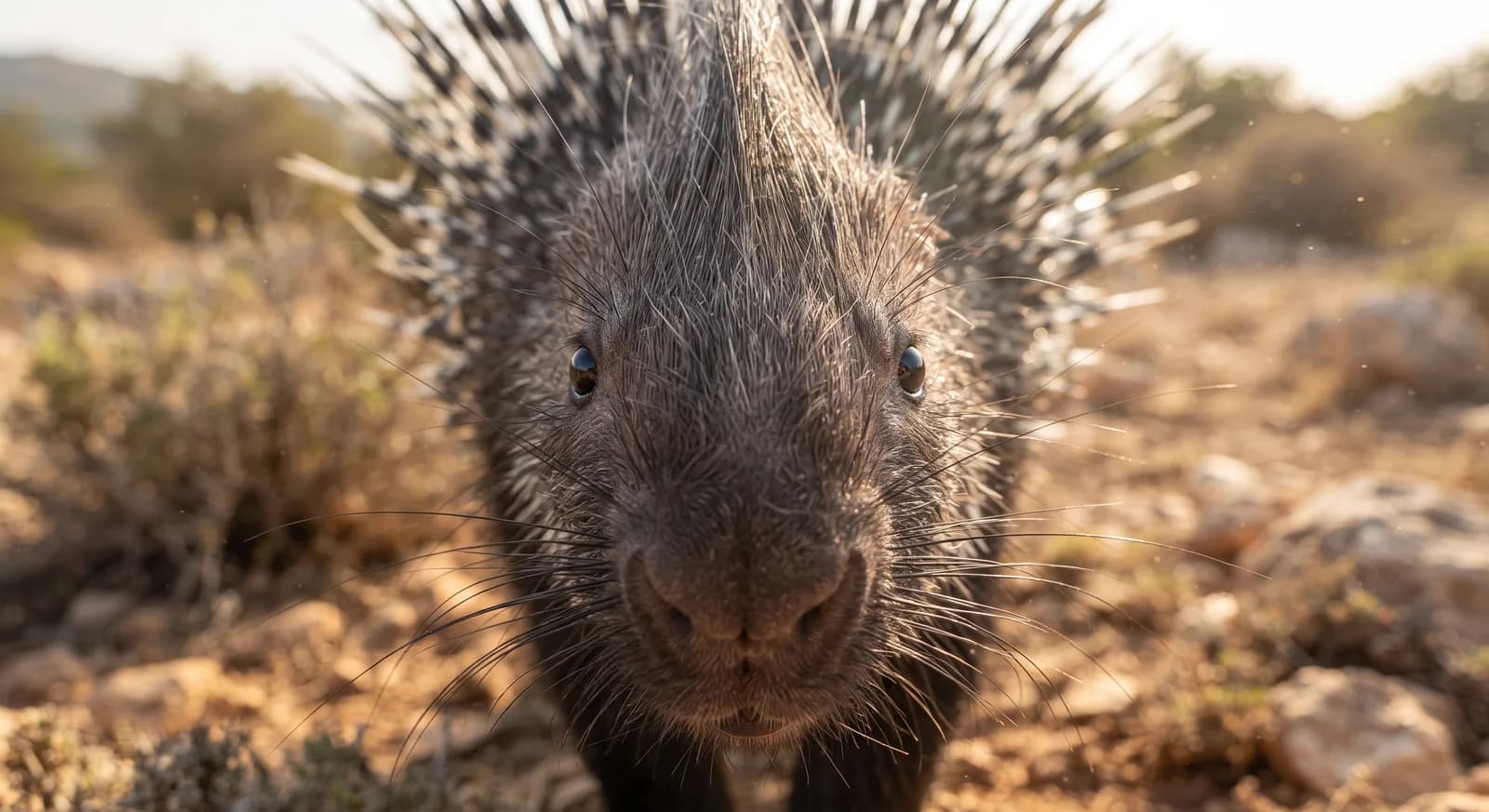
Crested PorcupineLeast Concern

Crested Porcupine

Hystrix cristata

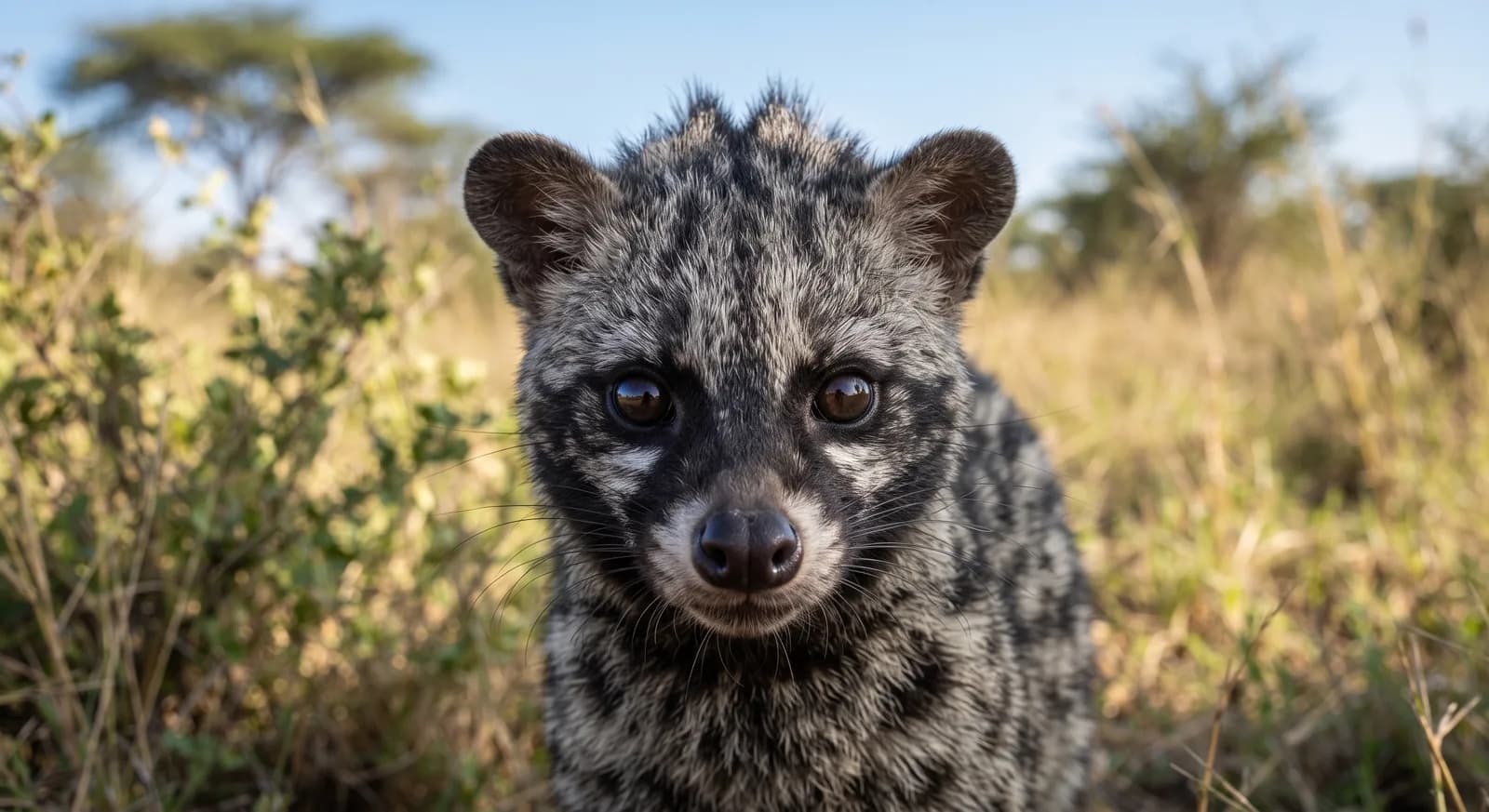
African CivetLeast Concern

African Civet

Civettictis civetta

CountriesTanzania
ParksSerengeti National ParkTanzania
TagsHerbivore
Herbivore
Nocturnal
Solitary
Savanna
Myriapod
Tanzania
Uganda
Kenya
Cameroon
Democratic Republic of the Congo
Gabon
Angola
Benin
Botswana
Burkina Faso
Burundi
Cameroon
Central African Republic
Chad
Côte d’Ivoire
Democratic Republic of the Congo
Djibouti
Equatorial Guinea
Eritrea
Eswatini
Ethiopia
Gabon
Gambia
Ghana
Guinea
Guinea-Bissau
Kenya
Lesotho
Liberia
Malawi
Mali
Mauritania
Mozambique
Namibia
Niger
Nigeria
Republic of the Congo
Rwanda
São Tomé and Príncipe
Senegal
Sierra Leone
Somalia
South Africa
South Sudan
Sudan
Tanzania
Togo
Uganda
Zambia
Zimbabwe