Insects · Odonata · Aeshnidae
Emperor Dragonfly
Anax imperator
It has not yet been assessed against the IUCN criteria. See full glossary
The emperor dragonfly is an anisopteran dragonfly of the family Aeshnidae. It can reach 8 cm in length and a wingspan of 12 cm, and it lives in wetlands.
Size
up to 8 cm
Lifespan
2 years
Diet
Carnivore
Feeds mainly on other animals.
Activity
Diurnal
Active mainly during the day.
Social structure
Solitary
Lives and hunts alone, joining others only to breed.
Sighting difficulty
Unknown
Fun facts
- It hunts without landing: it forms a basket with its legs in which it traps mosquitoes, butterflies and other dragonflies, and devours them on the wing.
- Its eyes, with tens of thousands of facets, give it almost spherical vision and an ability to anticipate the prey's trajectory that is studied in robotics and artificial intelligence.
- The female lays her eggs alone, inserting them into floating plant tissue, without the escorting male that accompanies other species.
- It is Europe's largest dragonfly: up to 8 cm of body and 11 of wingspan.
- It hunts in the air and eats in the air: it seizes butterflies, other dragonflies and flies in mid-flight and, if the prey is small, eats it without landing.
- It is among the most effective flying insects in existence. Dragonflies achieve extraordinarily high capture rates because they compute an interception course rather than chasing the prey: they predict where it will be and head for that point.
- It flies at more than 30 km/h and patrols a territory almost incessantly, driving out any other large dragonfly that enters.
- It spends most of its life underwater: the larva is aquatic and predatory for one or two years, and the adult flies for only a few weeks.
- The larva hunts with a mask: a hinged lip it shoots forward in milliseconds to seize tadpoles, insect larvae and crustaceans.
- Since the 1990s its range has been shifting towards northern Europe with the warming climate.
Life cycle & biology
- Skeleton type
- Invertebrate - chitin exoskeleton (insect)
- Habitat & environment
- Lagoons, ponds, reservoirs and canals with submerged vegetation
Sources consulted: https://es.wikipedia.org/wiki/Anax_imperator
Where to find it
See its range on the interactive mapBest time: May to August, patrolling over lagoons and ponds
Where to watch it
Parks and dive sites where this species has been documented.
Related species
Other species in the catalogue with the most in common with Emperor Dragonfly — same habitat, park, country, tags or family.
Man-of-war Fish
Nomeus gronovii
 Least Concern
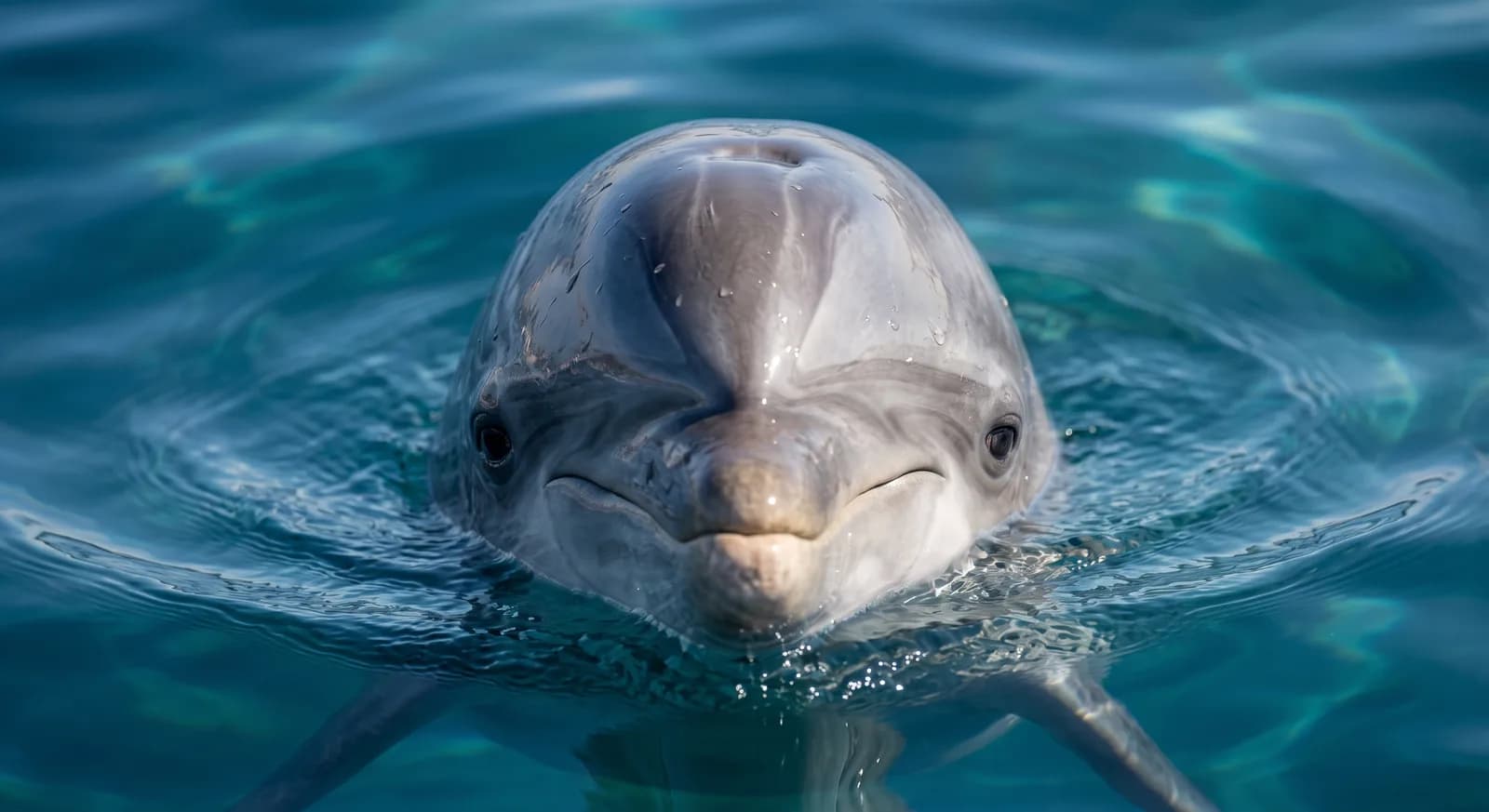
Bottlenose Dolphin
Tursiops truncatus
 Endangered
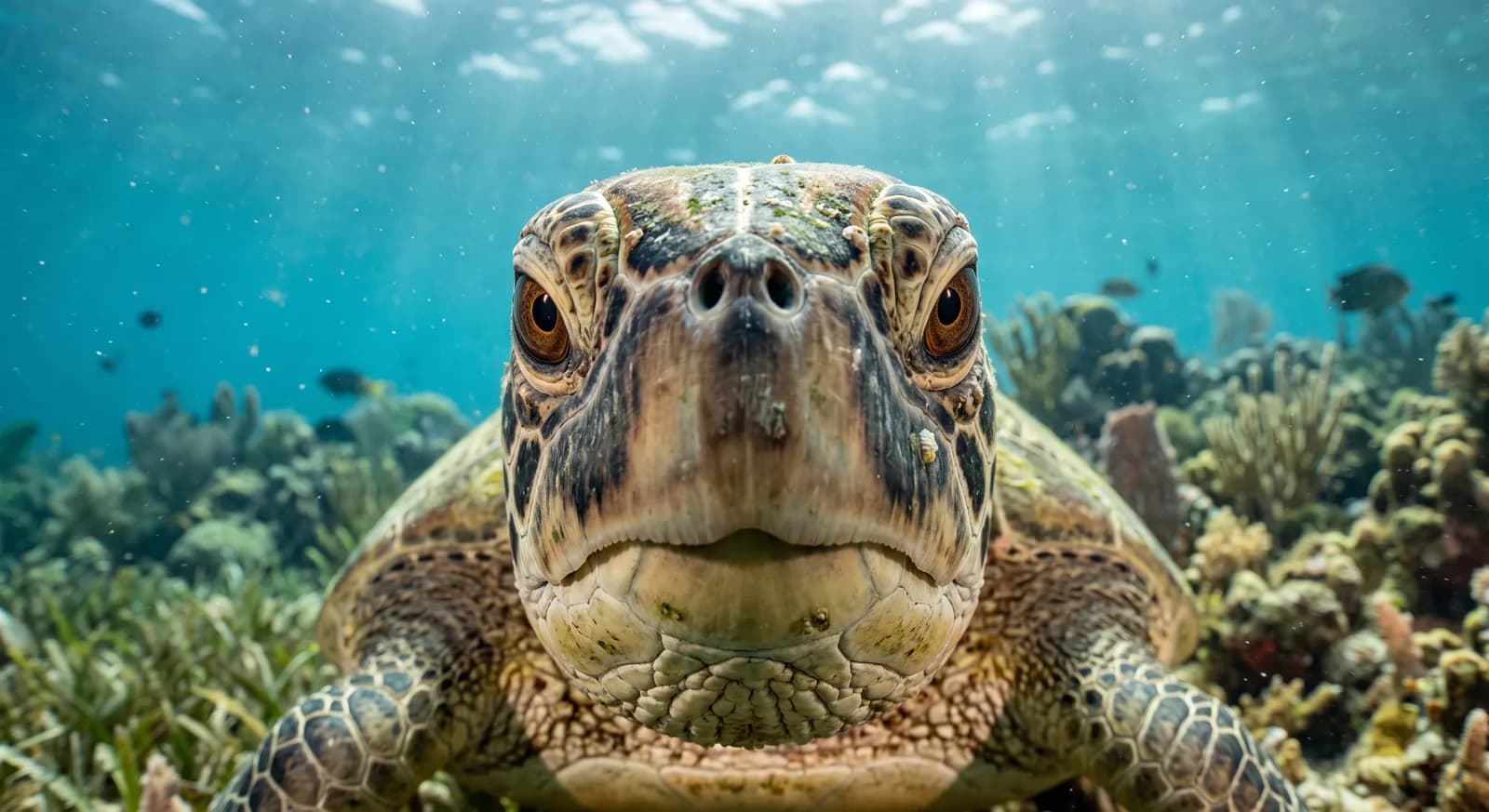
Green Turtle
Chelonia mydas
Moorish Idol
Zanclus cornutus
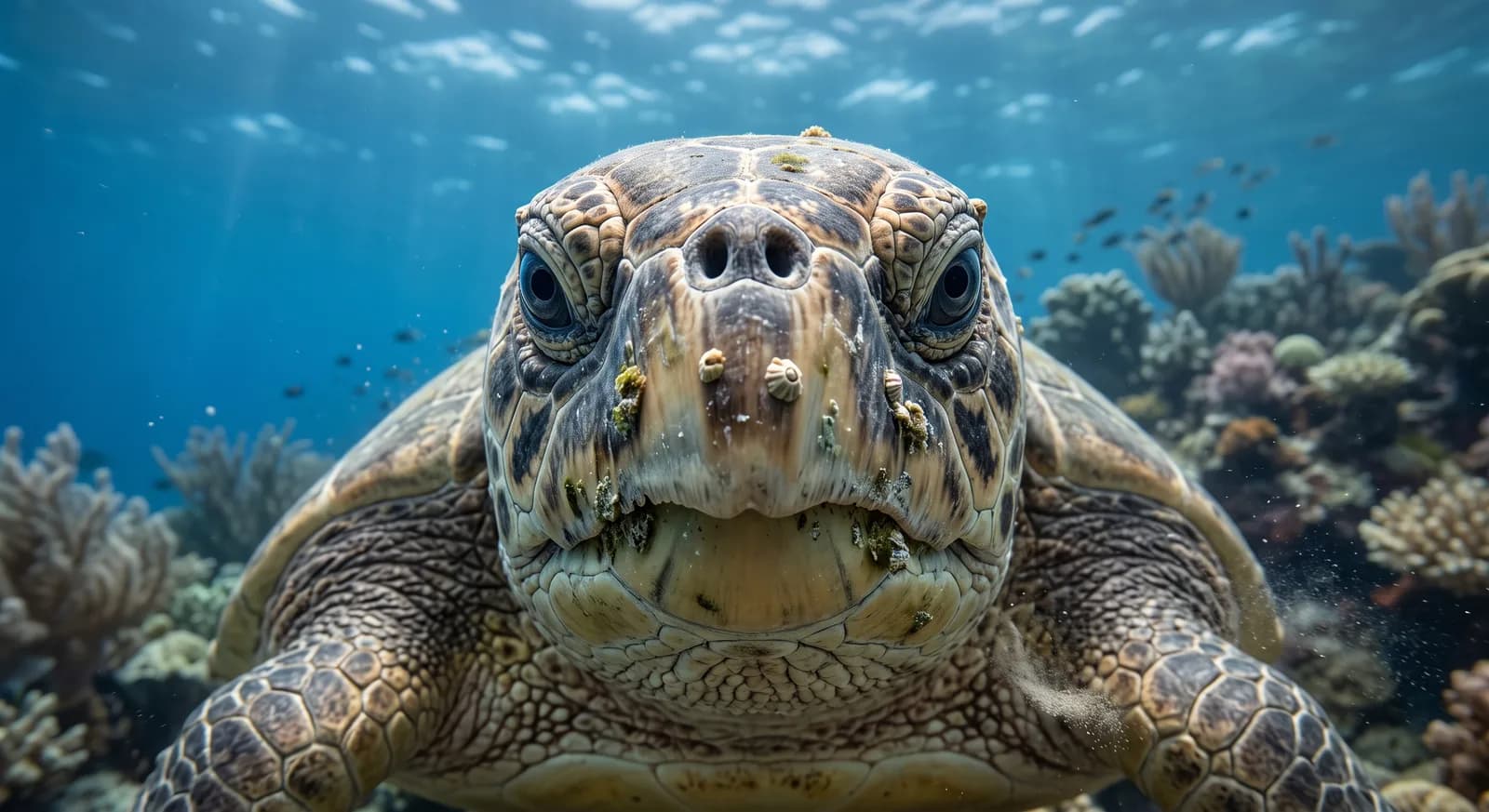 Vulnerable
Loggerhead Turtle
Caretta caretta
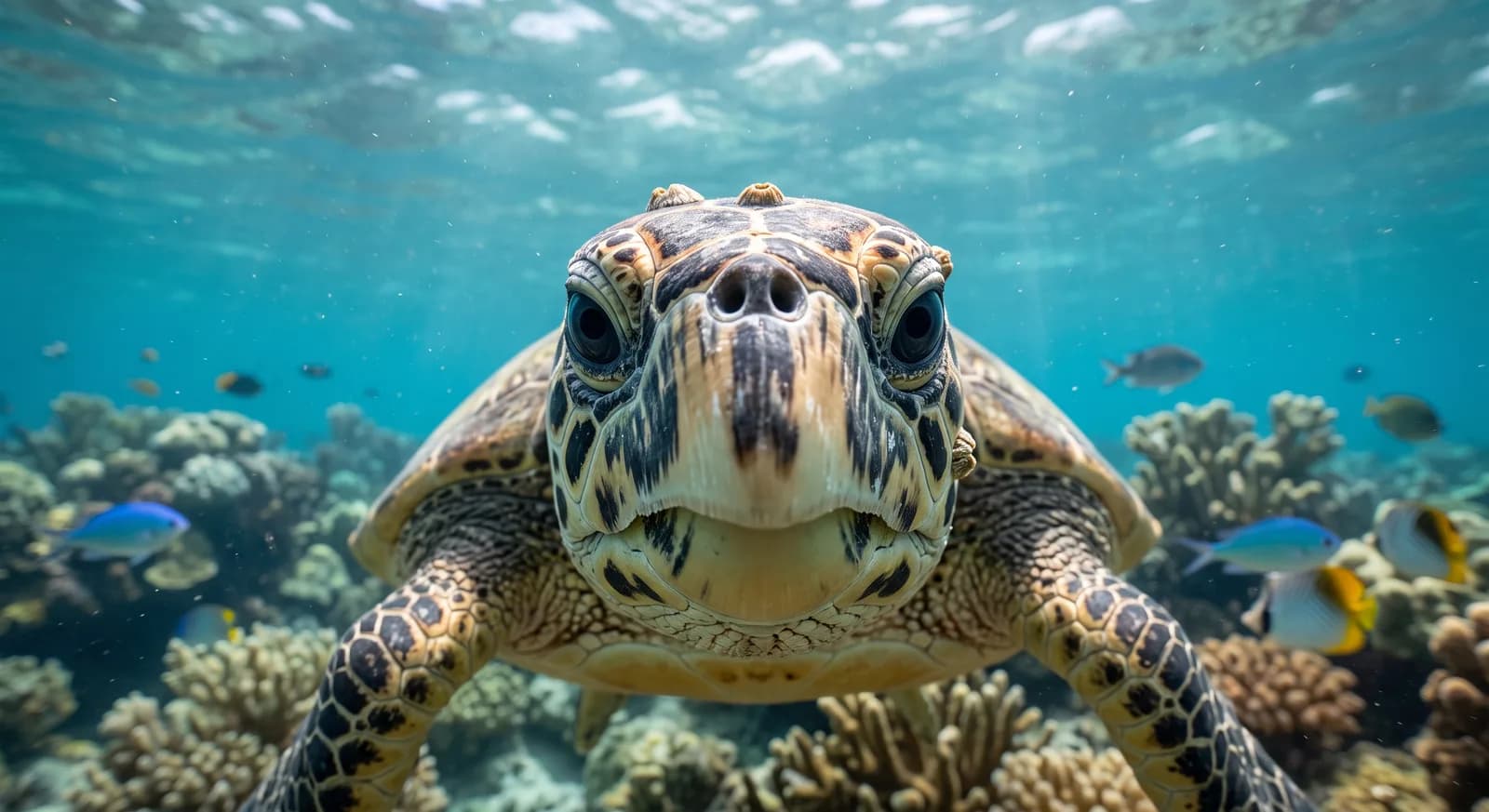 Critically Endangered
Hawksbill Turtle
Eretmochelys imbricata
Keep exploring
Based on what we already know about emperor dragonfly.
Comments
Share an experience, a fun fact or a tip for seeing the emperor dragonfly.
Be the first to comment.