One of the 24 beetles on WAnimals
Insects · Coleoptera · Silphidae
Burying Beetle
Nicrophorus vespilloides
It has not yet been assessed against the IUCN criteria. See full glossary
A black beetle with two striking transverse bands of pumpkin orange across square elytra that are shorter than the abdomen, leaving the last segments exposed. Its wholly black antennae end in a club and carry chemoreceptors able to detect a carcass at a great distance.
Size
1.2 cm – 2 cm
Diet
Carnivore
Feeds mainly on other animals.
Activity
Nocturnal
Active mainly at night.
Social structure
In pairs
Usually lives in pairs, sometimes for life.
Sighting difficulty
Unknown
Fun facts
- It is one of the very few insects in which both parents care for the young: together they bury the carcass, strip off hair and feathers, mould it into a ball, coat it in antimicrobial secretions to slow decay, and then feed the larvae on pre-digested flesh.
- It practises selective infanticide: it adjusts the number of larvae to the size of the carcass, because the eggs are laid before the female can gauge how much food there is.
- It is the best-studied burying beetle in the world, with more than a thousand scientific citations and a sequenced genome; it is used as a model species for studying the evolution of parental care.
- It buries corpses in order to breed. The pair locate a dead mouse or bird by the volatiles it gives off, drag it to a suitable spot, strip off its fur or feathers, shape it into a ball and bury it.
- And it preserves it. They coat it with anal and oral secretions with antimicrobial activity: corpses treated this way do not decompose and develop far fewer bacteria and fungi. One analysis identified 34 compounds in those secretions.
- The main active substance has lysozyme properties, and it has been proposed that it derives from digestive gut enzymes repurposed as an external defence. This is what is known as social immunity.
- And they regulate the dose: the antimicrobial strength of the secretion is adjusted to the perceived microbial threat, because producing it carries a cost and competes with their own individual immunity.
- It shows biparental care, something exceedingly rare in non-social insects: both parents defend the corpse and feed the larvae by regurgitating food to them, and in doing so they pass on their gut microbiota.
- It travels with mites of the genus Poecilochirus clinging to its body, which breed alongside it on the corpse.
Life cycle & biology
- Skeleton type
- Invertebrate - chitin exoskeleton (insect)
- Habitat & environment
- European woodland and peat bogs. It is found wherever there are carcasses of small vertebrates: birds fallen from the nest, rodents and small mammals
- Gestation / incubation
- The eggs hatch a few days after laying
- Litter / clutch size
- Several dozen eggs laid in the soil around the underground chamber where the carcass has been buried
Sources consulted: Wikipedia (Nicrophorus vespilloides); Cunningham, Benowitz y Moore 2024, Ecology and Evolution 14; Pascoal y Kilner 2017, PeerJ 5; El desinsectador y desratizador; Animalandia (Comunidad de Madrid)
Where to find it
See its range on the interactive mapBest time: From April to autumn, with a peak of activity in May and a second rise in late summer
Where to watch it
Parques y spots de buceo donde se ha documentado esta especie — se muestran 10 de 167 documentados.
Related species
Other species in the catalogue with the most in common with Burying Beetle — same habitat, park, country, tags or family.
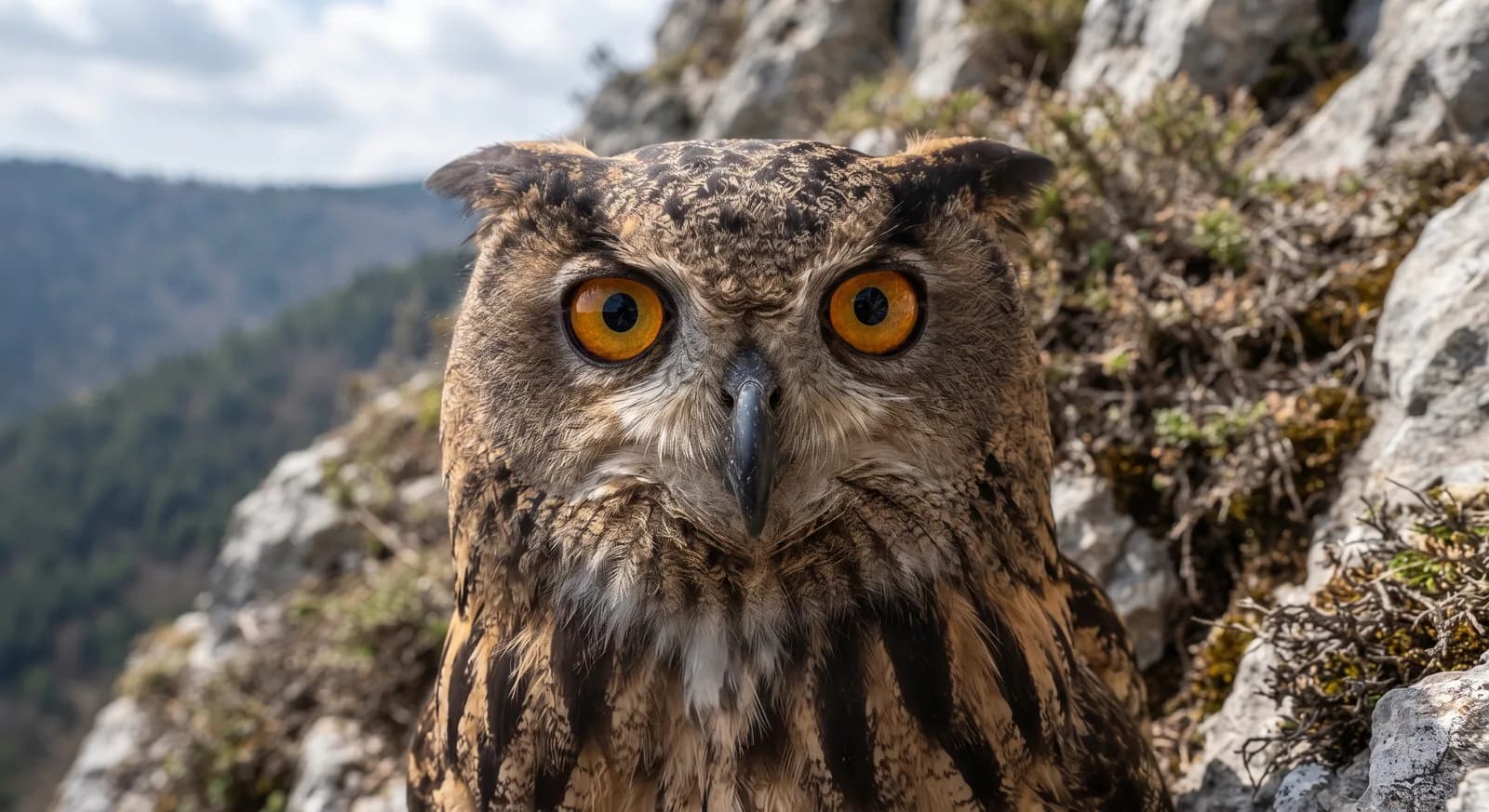 Least Concern
Eurasian Eagle-Owl
Bubo bubo
Hornet
Vespa crabro
Ant-lion
Myrmeleon formicarius
Glow-worm
Lampyris noctiluca
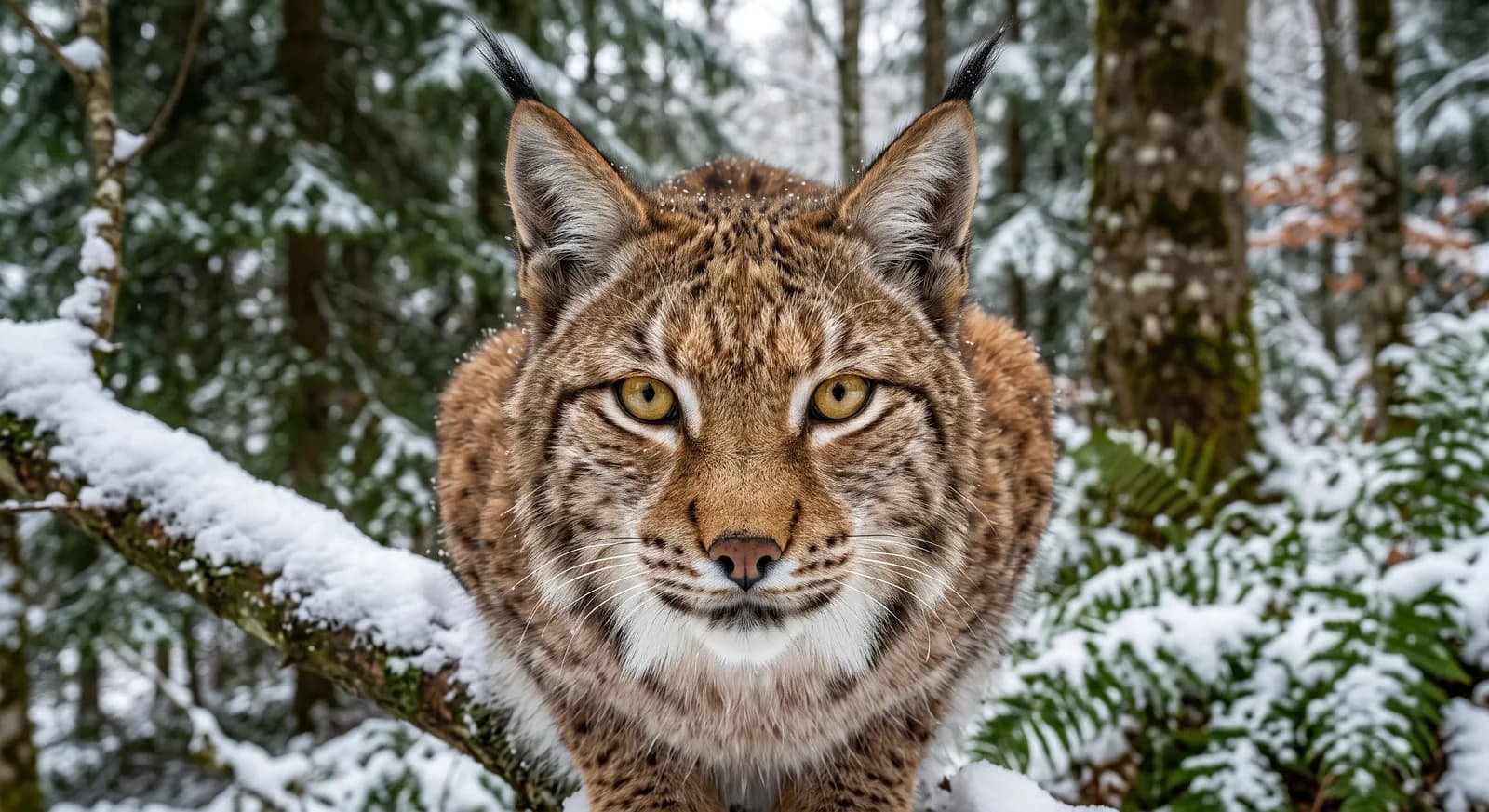 Least Concern
Eurasian Lynx
Lynx lynx
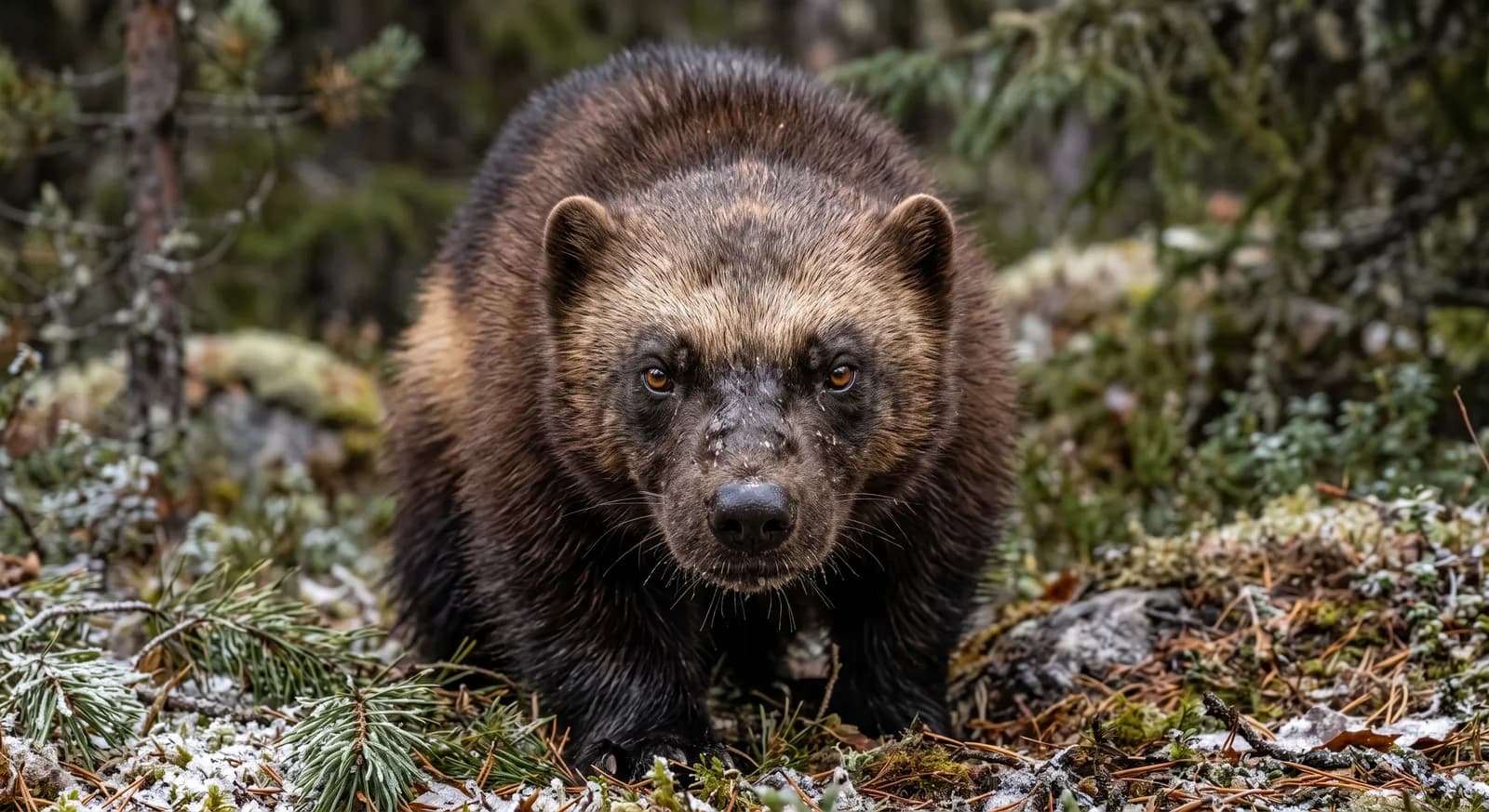 Least Concern
Wolverine
Gulo gulo
Keep exploring
Based on what we already know about burying beetle.
Comments
Share an experience, a fun fact or a tip for seeing the burying beetle.
Be the first to comment.