One of the 4 moths on WAnimals
Insects · Lepidoptera · Tortricidae
Codling Moth
Cydia pomonella
It has not yet been assessed against the IUCN criteria. See full glossary
The codling moth — known in Spanish as carpocapsa or polilla del manzano — is a ditrysian lepidopteran of the family Tortricidae. They are well known in agriculture, since their larvae are the familiar apple maggots. Native to Europe, it was introduced into North America, where it became a common pest of apple trees, and has since spread worldwide. It also attacks pear, plum and other fruit trees. Its larva is the popular "apple worm".
Size
up to 2.2 cm
Lifespan
1 years
Diet
Herbivore
Feeds mainly on plants.
Activity
Nocturnal
Active mainly at night.
Social structure
Solitary
Lives and hunts alone, joining others only to breed.
Sighting difficulty
Unknown
Fun facts
- Modern control rests on mating disruption: the air is saturated with synthetic female pheromone and the males cannot find her, a technique that has hugely cut insecticide use in fruit growing.
- It is also fought with a granulosis virus specific to the species, harmless to any other organism.
- The exit hole and the damp frass on the surface of the fruit are the sign that the larva has already left: by the time the hole shows, the apple has been occupied for some while.
- This is the worm in the apple. The caterpillar bores into the fruit shortly after hatching, feeds on the flesh and the seeds, and exits through a hole, leaving a trail of droppings.
- It is the most important pest of apple and pear in the temperate world, and it also attacks walnut and quince.
- Its control is a case study: it is fought with mating disruption, dispersing synthetic pheromone through the orchard so that males cannot find the females, a technique that has greatly reduced insecticide use.
- And it has been a pioneer in biological control with viruses: a specific granulovirus is used, harmless to everything else, which kills the caterpillars.
- It has developed resistance to numerous insecticides and also, in some populations, to the granulovirus itself.
- It overwinters as a caterpillar in a cocoon under the bark or in the soil, and pupates in spring.
Life cycle & biology
- Skeleton type
- Invertebrate - chitin exoskeleton (insect)
- Habitat & environment
- Apple, pear and walnut trees worldwide
Sources consulted: https://es.wikipedia.org/wiki/Cydia_pomonella
Where to find it
See its range on the interactive mapRelated species
Other species in the catalogue with the most in common with Codling Moth — same habitat, park, country, tags or family.
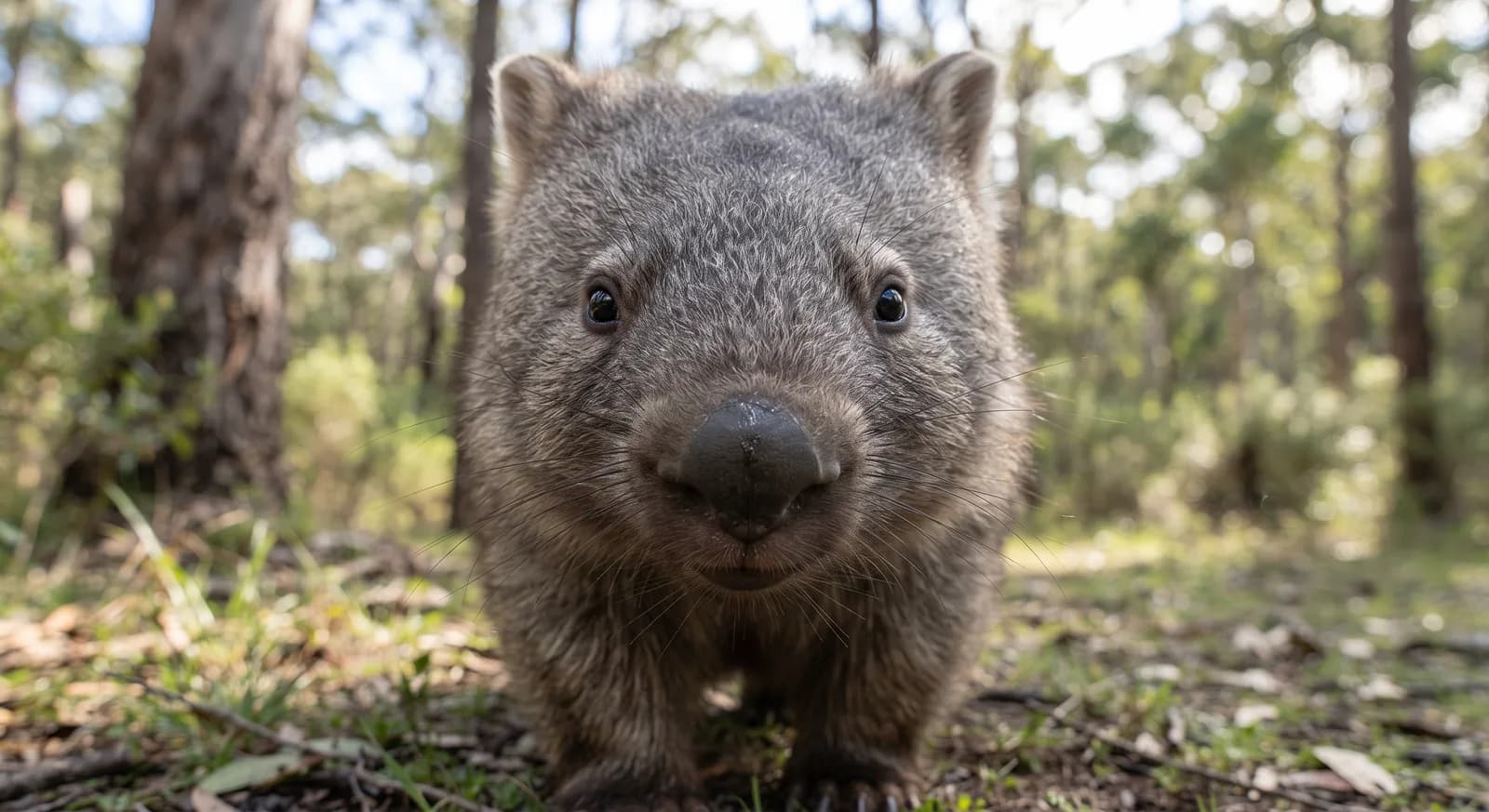 Least Concern
Bare-nosed Wombat
Vombatus ursinus
Ord's Kangaroo Rat
Dipodomys ordii
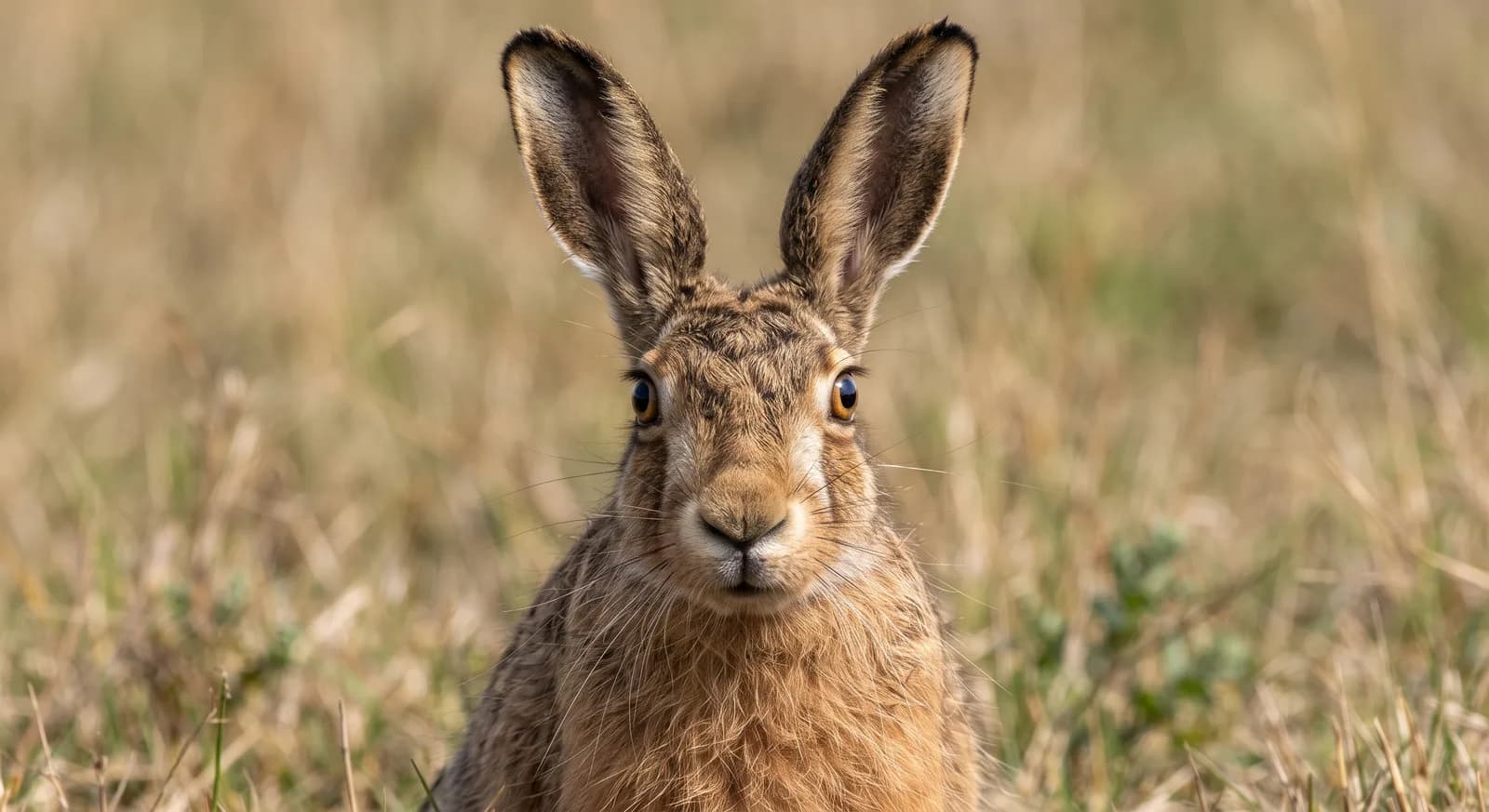 Least Concern
European Hare
Lepus europaeus
Common Cockchafer
Melolontha melolontha
Swallowtail
Papilio machaon
Keep exploring
Based on what we already know about codling moth.
Comments
Share an experience, a fun fact or a tip for seeing the codling moth.
Be the first to comment.