Clitellate annelids · Arhynchobdellida · Hirudinidae
Medicinal Leech
Hirudo medicinalis
It could become endangered in the near future if current threats go unchecked. See full glossary
The medicinal leech is a hirudinean annelid of the family Hirudinidae. It is distributed across much of Europe, occurring in fresh water. It feeds on blood.
Size
5 cm – 20 cm
Lifespan
8 years
Diet
Carnivore
Feeds mainly on other animals.
Social structure
Solitary
Lives and hunts alone, joining others only to breed.
Sighting difficulty
Moderate
Fun facts
- utilidadIt was widely used in historical medicine for bloodletting, and is still used today in reconstructive surgery to encourage circulation in grafted tissue.
- Its saliva contains hirudin, an extremely powerful anticoagulant, along with anaesthetics and vasodilators, which is why the bite does not hurt and the wound goes on bleeding afterwards.
- Bloodletting with leeches was practised on a massive and largely unjustified scale during the nineteenth century, to the point that the species was overexploited and is today listed as Near Threatened.
- Its saliva is a complete pharmacological cocktail: it contains hirudin, the most potent natural anticoagulant known, along with anaesthetics, vasodilators and anti-inflammatories. That is how it manages to feed without the victim noticing and without the blood clotting.
- Hirudin was isolated in 1884, and recombinant versions are now produced and used as anticoagulants in medicine.
- Its medical use is not ancient folklore: in 2004 the FDA approved medicinal leeches as a medical device. They are employed in reconstructive surgery and in reattachments of fingers and ears, where they help drain pooled blood and restore circulation in the grafted tissue.
- It has three jaws with about a hundred teeth each, which leave a characteristic Y-shaped mark.
- It can ingest up to ten times its own weight in blood and then go months without feeding.
- Medical demand in the 19th century was devastating: millions of individuals were collected across Europe, and that is the main reason it is listed today as Near Threatened and protected in several countries.
- What is sold for medicine today is largely another species, Hirudo verbana, which prompted a taxonomic revision of the group.
Life cycle & biology
- Skeleton type
- Invertebrate - no rigid skeleton (annelid)
- Habitat & environment
- Ponds, marshes and shallow lagoons with vegetation and amphibians
Sources consulted: https://es.wikipedia.org/wiki/Hirudo_medicinalis
Where to find it
See its range on the interactive mapRelated species
Other species in the catalogue with the most in common with Medicinal Leech — same habitat, park, country, tags or family.
 Near Threatened
European Otter
Lutra lutra
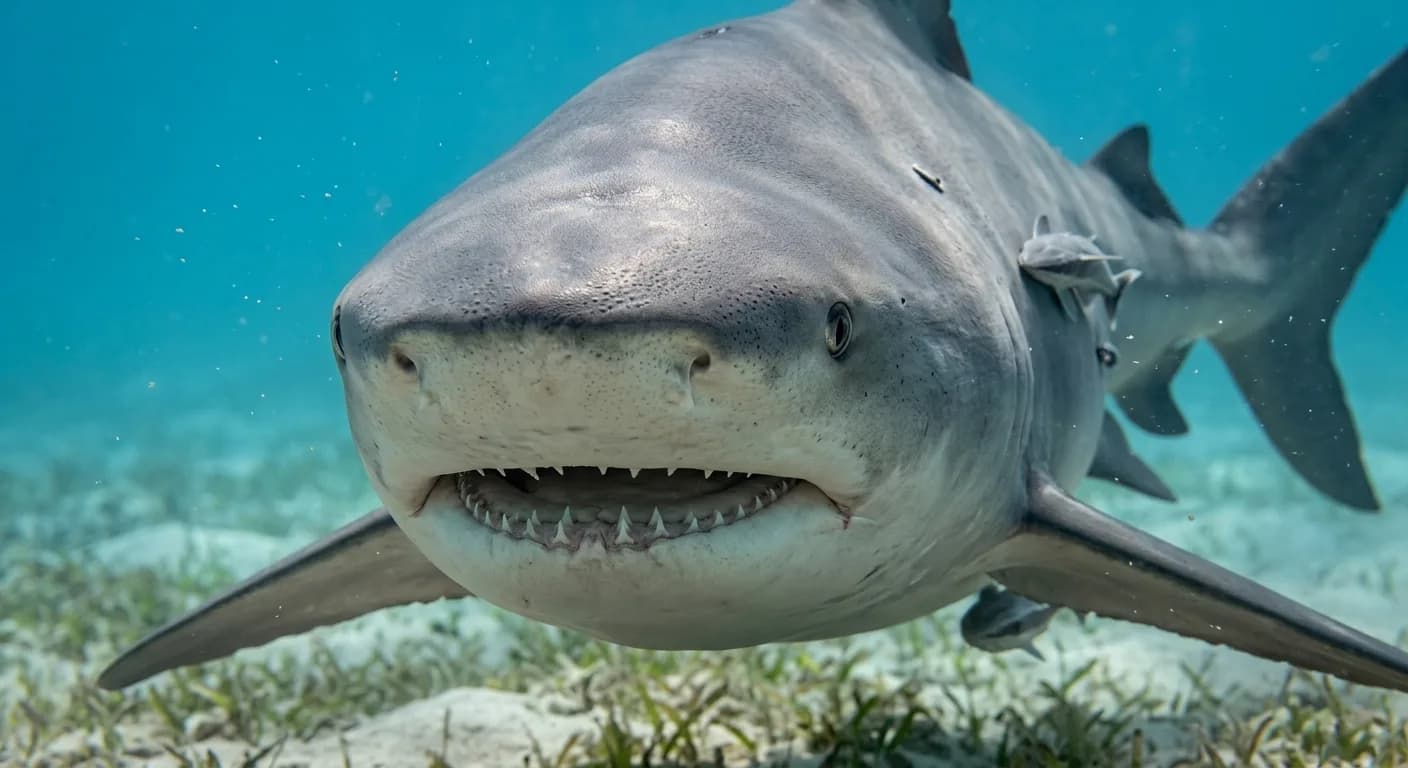 Near Threatened
Bull Shark
Carcharhinus leucas
Sea Bass
Dicentrarchus labrax
Pyrenean Brook Salamander
Calotriton asper
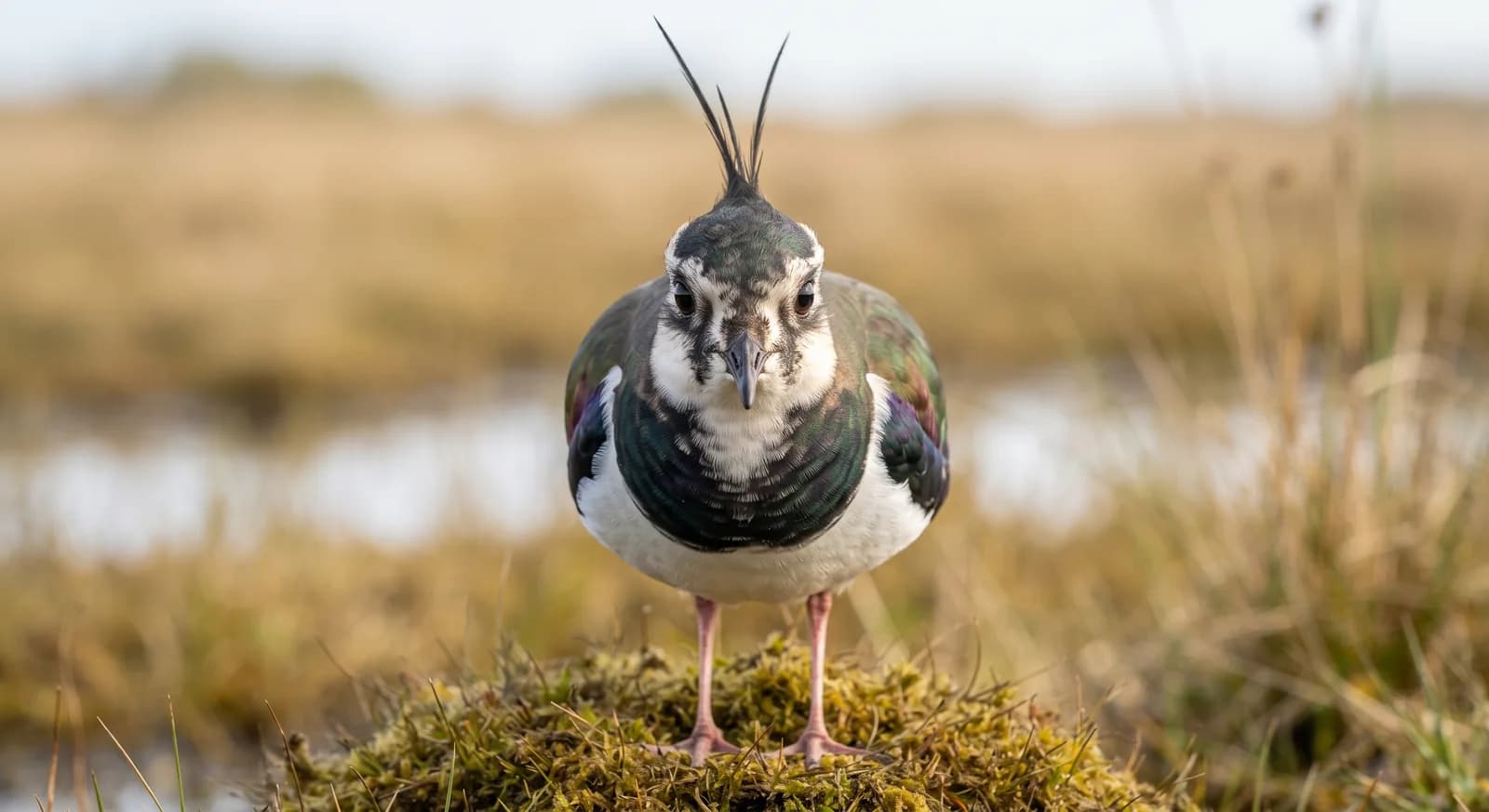 Near Threatened
Northern Lapwing
Vanellus vanellus
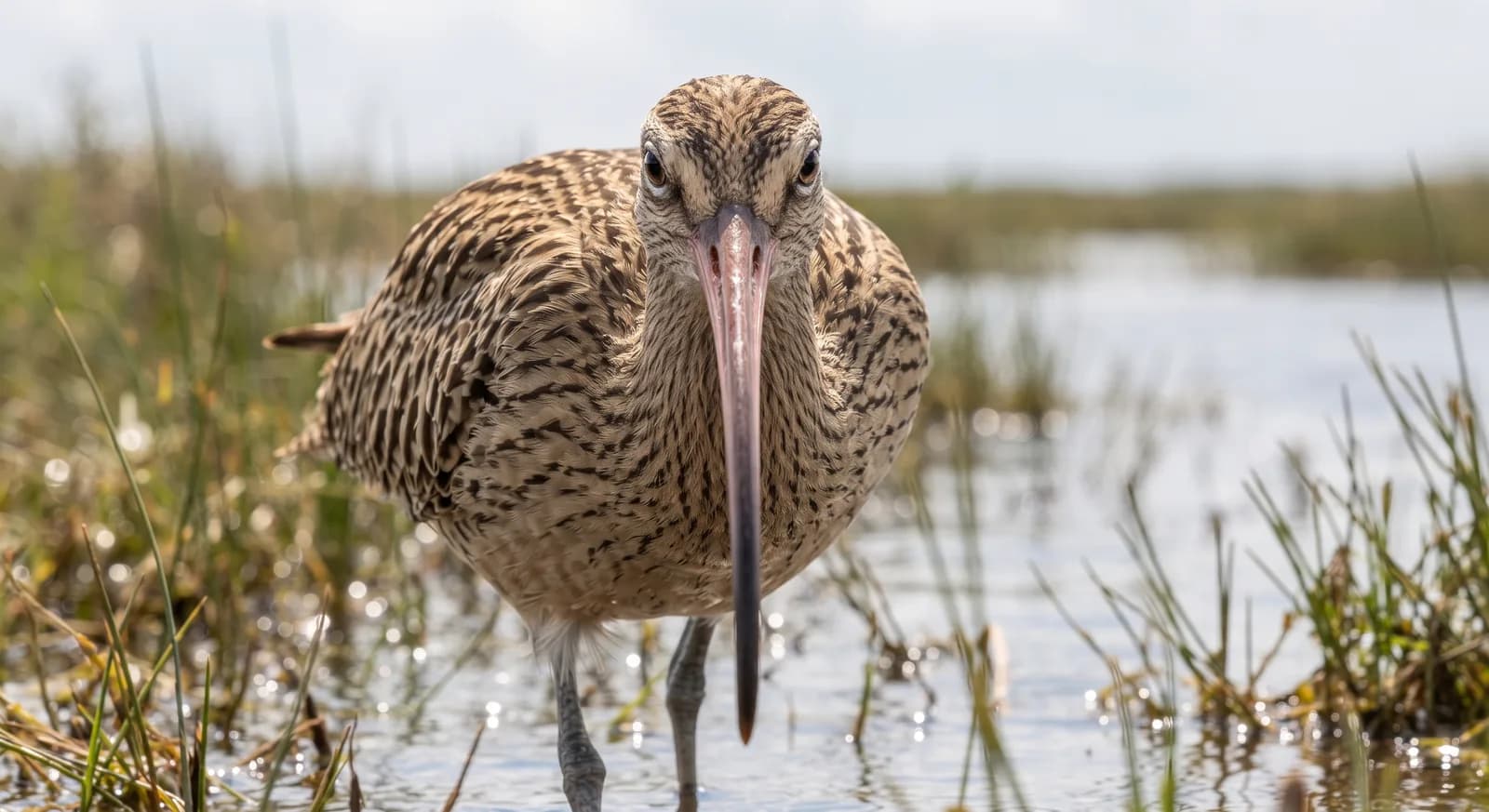 Near Threatened
Eurasian Curlew
Numenius arquata
Keep exploring
Based on what we already know about medicinal leech.
Comments
Share an experience, a fun fact or a tip for seeing the medicinal leech.
Be the first to comment.