One of the 2 sardines on WAnimals
Bony fish · Clupeiformes · Clupeidae
Pilchard
Sardina pilchardus
The species is abundant and widely distributed; it faces no significant short-term risk. See full glossary
Its name comes from the island of Sardinia, where it was historically especially abundant. It is a key species at the middle of the food web, essential food for tuna, marine mammals and seabirds.
Weight
20 g – 100 g
Size
20 cm – 27.5 cm
Lifespan
10 years
Diet
Omnivore
Combines animal and plant food depending on availability.
Activity
Irregular activity
Active at irregular times, by day or night depending on circumstances.
Social structure
School
Gathers in coordinated schools, typical of fish.
Sighting difficulty
Easy
Fun facts
- Its name comes from the island of Sardinia, where it was once very abundant.
- It is key food for tuna, marine mammals and seabirds.
- It releases up to 60,000 eggs a spawning, in several batches.
Life cycle & biology
- Skeleton type
- Vertebrate - internal bony skeleton (fish)
- Habitat & environment
- Temperate and subtropical coastal waters of the north-eastern Atlantic, the Mediterranean and the Black Sea, from Iceland to Senegal
- Birth weight
- Pelagic egg; tiny larva at hatching
- Size at birth
- Tiny pelagic larva at hatching
- Sexual maturity
- 1 year (13-14 cm long), growing to 21 cm by 8 years
- Gestation / incubation
- The egg develops over a few days (no precise figure found)
- Litter / clutch size
- 50,000 to 60,000 eggs per clutch, released in several batches over several months
Sources consulted: Biology Insights; ResearchGate (Aegean growth study); Frontiers in Marine Science (Central Mediterranean study); FishBase; Fishipedia; Journal of Fish Biology (Wiley)
Where to find it
See its range on the interactive mapBest time: From spring to autumn in the eastern Atlantic and the Mediterranean, when the shoals move inshore.
Where to watch it
Parques y spots de buceo donde se ha documentado esta especie — se muestran 20 de 132 documentados.
Related species
Other species in the catalogue with the most in common with Pilchard — same habitat, park, country, tags or family.
Atlantic Herring
Clupea harengus
European Anchovy
Engraulis encrasicolus
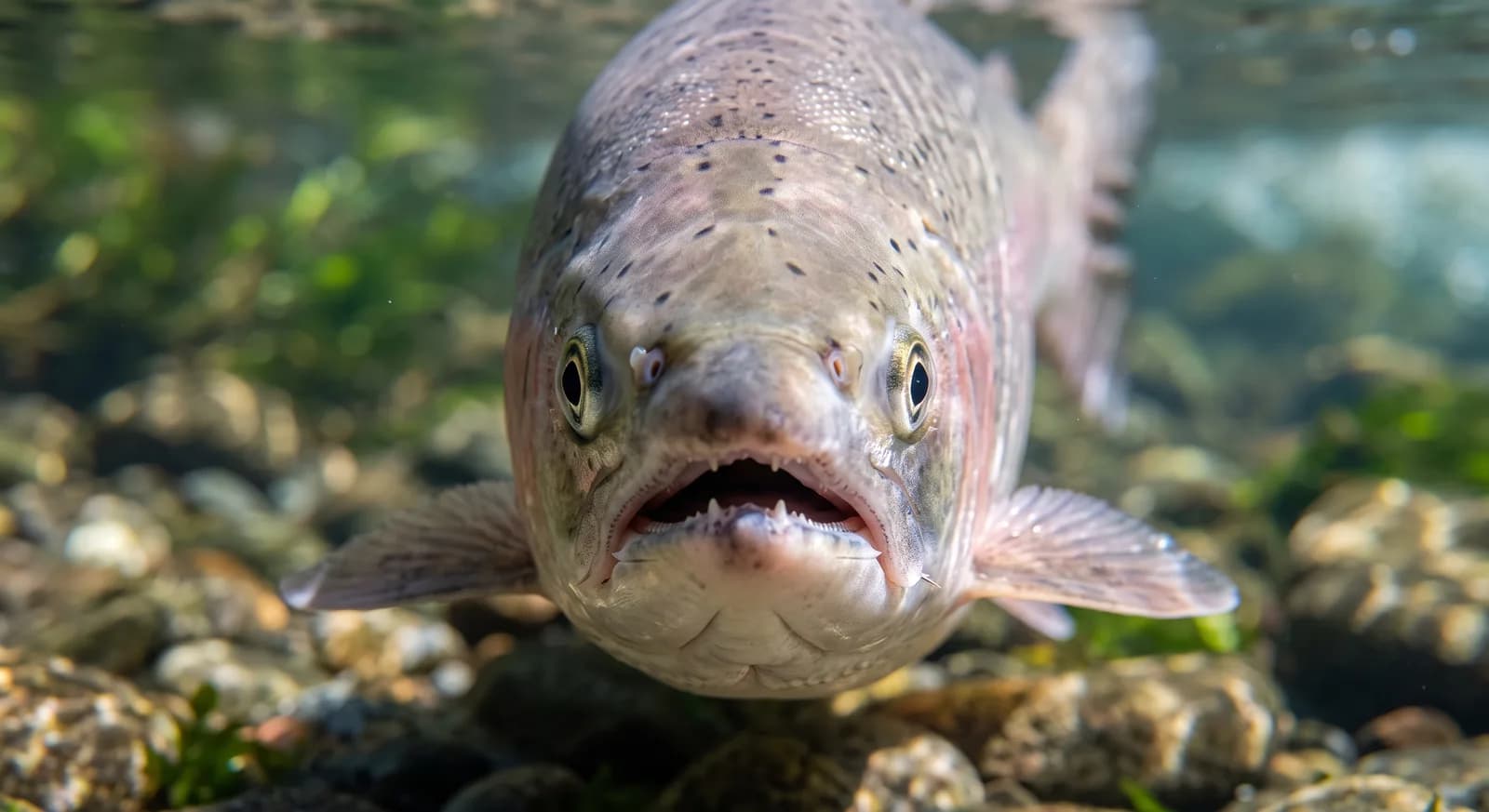 Least Concern
Salmon
Salmo salar
Mackerel
Scomber scombrus
Haarder
Mugil cephalus
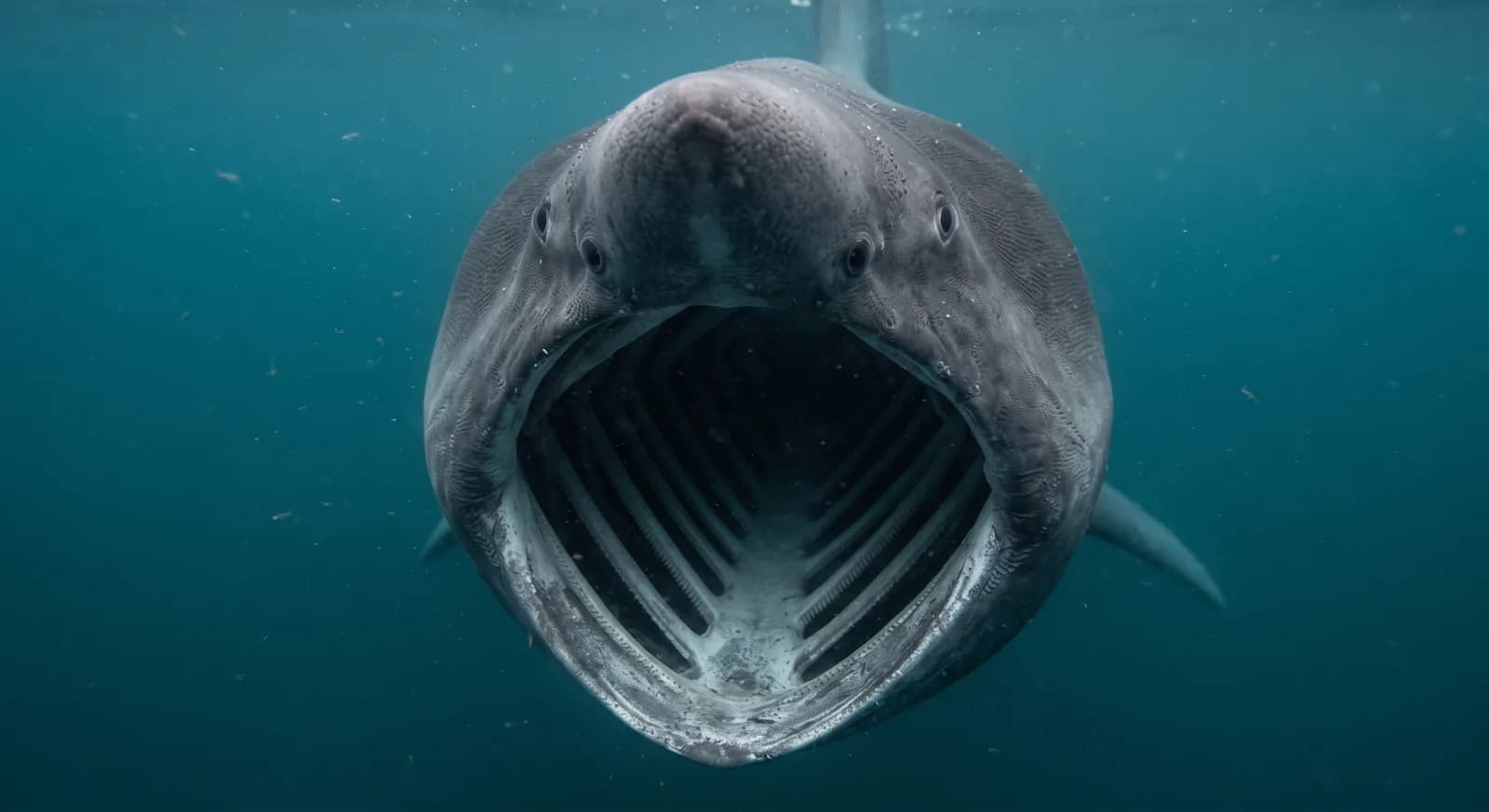 Endangered
Basking Shark
Cetorhinus maximus
Keep exploring
Based on what we already know about pilchard.
Comments
Share an experience, a fun fact or a tip for seeing the pilchard.
Be the first to comment.