Bony fish · Salmoniformes · Salmonidae
European Grayling
Thymallus thymallus
The species is abundant and widely distributed; it faces no significant short-term risk. See full glossary
Its striking large, iridescent dorsal fin is markedly showier in males and serves as a display in courtship. Its silvery colouring camouflages it against the gravel bed.
Weight
500 g – 6.7 kg
Size
30 cm – 60 cm
Lifespan
10 years
Diet
Omnivore
Combines animal and plant food depending on availability.
Activity
Diurnal
Active mainly during the day.
Social structure
Solitary
Lives and hunts alone, joining others only to breed.
Sighting difficulty
Easy
Fun facts
- Its large iridescent dorsal fin serves as a display in courtship.
- Its silvery colouring hides it against the river's gravel bed.
- It lives in fast, cold, well-oxygenated rivers.
Life cycle & biology
- Skeleton type
- Vertebrate - internal bony skeleton (fish)
- Habitat & environment
- Fast, cold, well-oxygenated rivers of Europe, from the United Kingdom and France to the Urals in Russia
- Birth weight
- Egg laid in gravel; a tiny larva on hatching
- Size at birth
- A tiny larva on hatching; it grows fast, reaching some 20 cm by the end of its first year
- Sexual maturity
- 2-3 years (15-20 cm long), though it may be delayed to the end of the third year depending on the region
- Gestation / incubation
- Several weeks of egg development in spring
- Litter / clutch size
- Thousands of eggs per female (no precise figure for fecundity found)
Sources consulted: ScienceDirect (hatchery reproduction study); Animalia.bio; ResearchGate (River Lugg age growth study); PMC (alpine river growth modeling study); FishBase; Grokipedia; PMC (grayling stocking study)
Where to find it
See its range on the interactive mapBest time: From March to May, during spawning, over gravel stretches; the rest of the year it is found in cold, clean, well-oxygenated currents.
Where to watch it
Parques y spots de buceo donde se ha documentado esta especie — se muestran 10 de 102 documentados.
Related species
Other species in the catalogue with the most in common with European Grayling — same habitat, park, country, tags or family.
Arctic Charr
Salvelinus alpinus
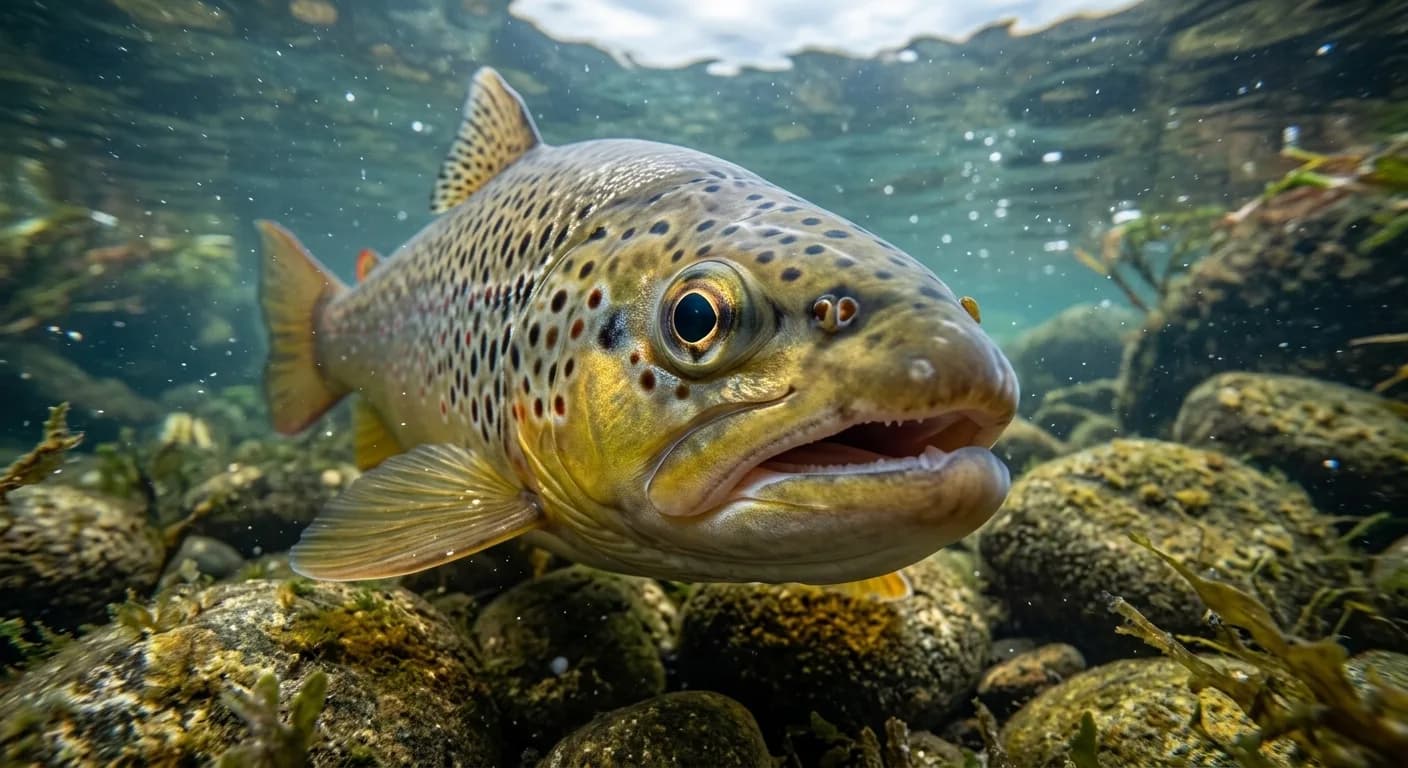 Not Evaluated
Brown Trout
Salmo trutta
Powan
Coregonus lavaretus
Tench
Tinca tinca
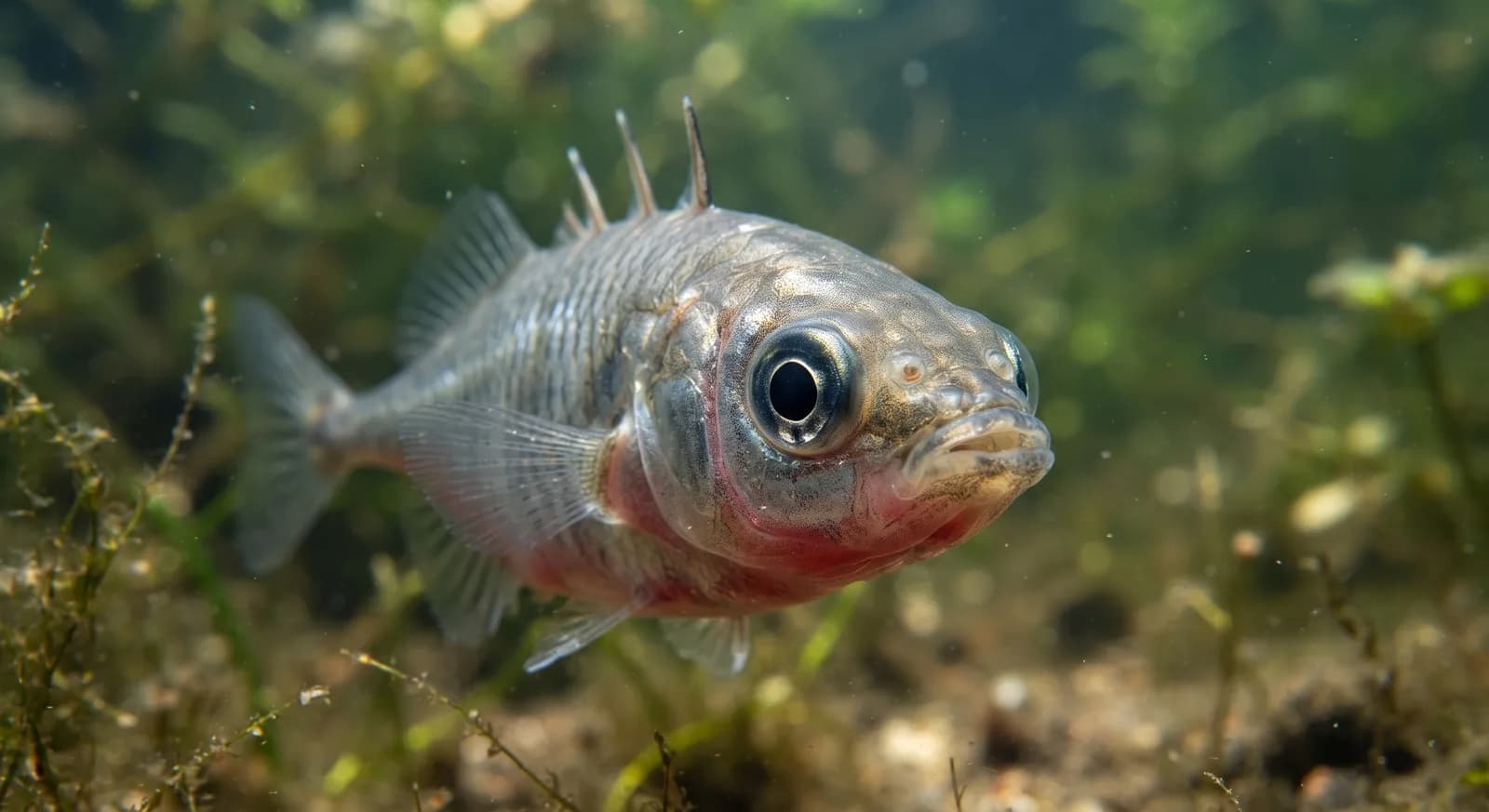 Least Concern
Three-spined Stickleback
Gasterosteus aculeatus
Dace
Leuciscus leuciscus
Keep exploring
Based on what we already know about european grayling.
Comments
Share an experience, a fun fact or a tip for seeing the european grayling.
Be the first to comment.