One of the 4 thrushes on WAnimals
Birds · Passeriformes · Turdidae
Song Thrush
Turdus philomelos
The species is abundant and widely distributed; it faces no significant short-term risk. See full glossary
It has the distinctive habit of using a favourite stone as an anvil to smash the shells of the snails it catches, a rare case of tool use in birds.
Weight
50 g – 107 g
Size
20 cm – 23.5 cm
Lifespan
3 years
Diet
Omnivore
Combines animal and plant food depending on availability.
Activity
Diurnal
Active mainly during the day.
Social structure
Solitary
Lives and hunts alone, joining others only to breed.
Sighting difficulty
Easy
Fun facts
- A male may have a song repertoire of more than 100 different phrases.
- It eats earthworms, insects and snails, along with berries and soft fruit.
- It lives in coniferous and broadleaf woodland, gardens and parks across much of Europe.
Life cycle & biology
- Skeleton type
- Vertebrate - pneumatised bony skeleton (bird)
- Habitat & environment
- Coniferous and broadleaf woodland, gardens and parks across much of Europe, northern populations moving south in winter
- Birth weight
- Tiny, blind and featherless at hatching
- Size at birth
- Tiny at hatching
- Sexual maturity
- 1 year
- Gestation / incubation
- 10-17 days (usual reference 11-15 days)
- Litter / clutch size
- 3 to 6 eggs per clutch, with 2-3 broods a year
Sources consulted: AnAge (genomics.senescence.info); The Wildlife Trusts; Brickfields Park; A-Z Animals; Garden Wildlife Direct; Animalia.bio; Songbird Survival; Wikipedia (Song thrush); PMC (fat status hormonal study)
Where to find it
See its range on the interactive mapBest time: From October to March across much of Spain, when the European winterers arrive; in the northern half it breeds and sings from March.
Where to watch it
Parques y spots de buceo donde se ha documentado esta especie — se muestran 10 de 249 documentados.
Related species
Other species in the catalogue with the most in common with Song Thrush — same habitat, park, country, tags or family.
Fieldfare
Turdus pilaris
Common Blackbird
Turdus merula
Redwing
Turdus iliacus
Mistle Thrush
Turdus viscivorus
Ring Ouzel
Turdus torquatus
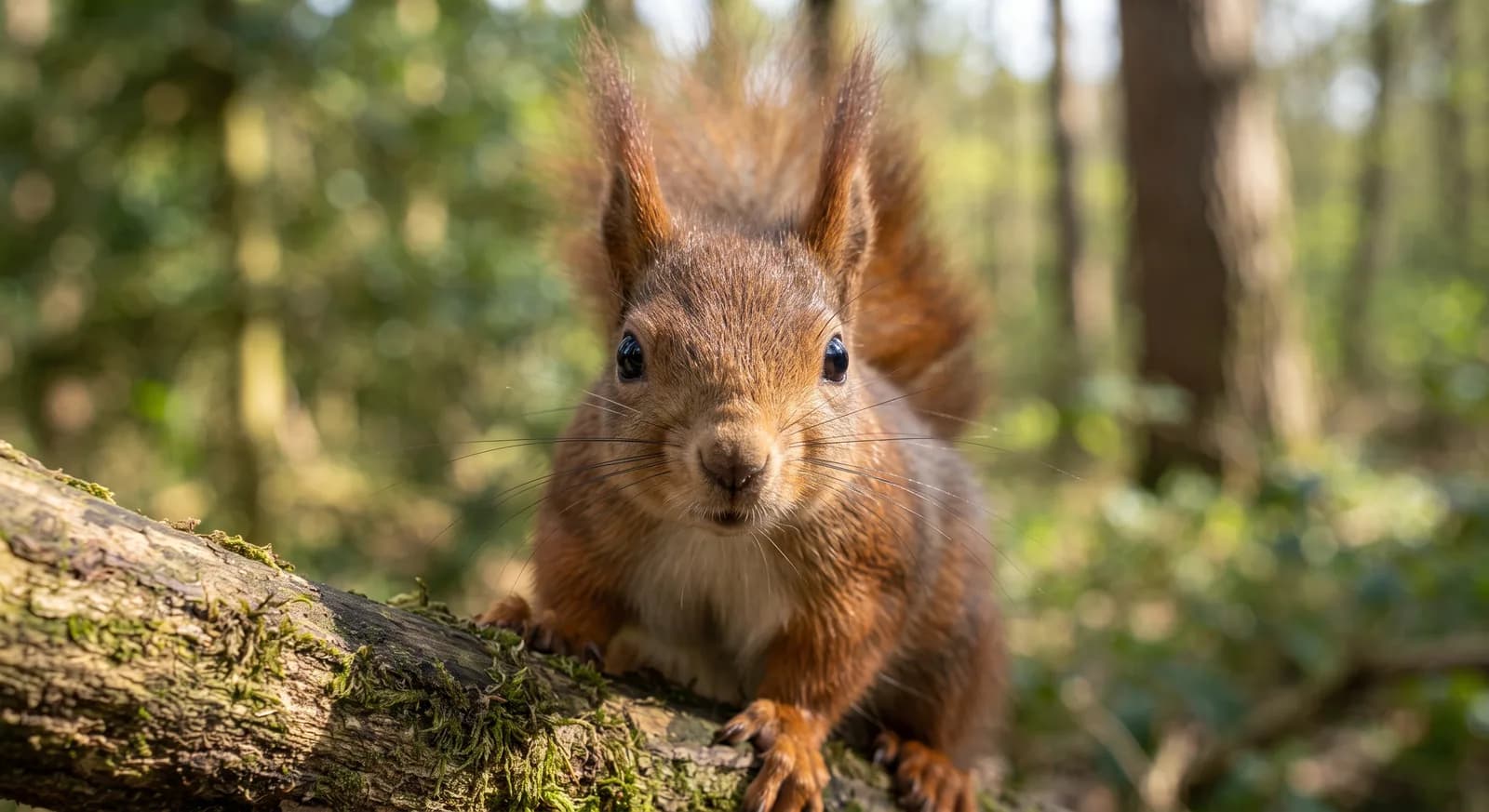 Least Concern
Eurasian Red Squirrel
Sciurus vulgaris
Keep exploring
Based on what we already know about song thrush.
Comments
Share an experience, a fun fact or a tip for seeing the song thrush.
Be the first to comment.