Skip to content
WAnimals
  • Map
  • Species
  • Parks
  • Diving
Log inCreate account
WAnimals

The guide for travellers and animal lovers: discover, plan and share your wild adventures around the world.

Discover wildlife

  • Species
  • Ecosystems
  • Glossary
  • Tags

Explore places

  • Map
  • Countries
  • Parks
  • Diving

Plan experiences

  • Guides

Learn

  • Blog

Resources

  • Help centre
  • Contact
  • Install the app

Follow us

Account

  • Log in
  • Create account

© 2026 WAnimals. All rights reserved.

About usHow we build our profilesTerms of servicePrivacyLegal notice
MapSpeciesParksDiving
  1. Home
  2. Species
  3. Bee-eating Beetle

One of the 24 beetles on WAnimals

Insects · Coleoptera · Cleridae

Bee-eating Beetle

Trichodes apiarius

Not Evaluated

It has not yet been assessed against the IUCN criteria.

Spotted something wrong?

The bee-eating beetle is a chequered beetle described by Carl Linnaeus, black in colour with red elytra bearing three black bands with violet reflections, measuring between 10 and 16 millimetres long.

Size

0.9 cm – 1.6 cm

Diet

Omnivore

Combines animal and plant food depending on availability.

Activity

Diurnal

Active mainly during the day.

Social structure

Solitary

Lives and hunts alone, joining others only to breed.

Sighting difficulty

Unknown

Grassland
40countries

Fun facts

  • The female lays her eggs on flowers; the larvae latch onto the bees that visit them and ride to the nest, where they devour the larvae of the bee that carried them.
  • It also colonises honeybee hives, though it rarely causes serious damage to strong colonies.
  • Its red and black colouring is aposematic: it warns predators of its foul taste.
  • The adult is harmless and eats pollen and other insects on flowers, but the larva is a parasite of bee nests: it slips into the cells and devours the bee larvae and their provisions.
  • Hence the name: bee-eating beetle. In weak hives it can cause appreciable damage, although its main targets are wild solitary bees.
  • Its red and black bands are aposematic and recall those of wasps and other insects with chemical defences.
  • The female lays her eggs on the flowers that bees visit, and the newly hatched larvae let themselves be carried to the nest clinging to the bee's body.
  • That system of reaching the nest by hitch-hiking on the host is the same one used by blister beetles such as the oil beetle and the Spanish fly.

Life cycle and biology

Skeleton type
Invertebrate - chitin exoskeleton (insect)
Habitat and environment
Dry grassland and Mediterranean scrub with wild bees
Litter / clutch size
The females lay the eggs inside the nests of solitary bees (Osmia and Megachile) or in honeybee hives; the larvae devour the host's larvae and pupae

Sources consulted: https://es.wikipedia.org/wiki/Trichodes_apiarius; Ficha de especie de Trichodes apiarius; Bugwood / Insect Images; Ficha de especie de Trichodes apiarius (Fauna Europaea)

Where to find it

Best time: May to July, on flowering umbellifers and thistles

Loading map…

Related species

Other species in the catalogue with the most in common with Bee-eating Beetle — same habitat, park, country, tags or family.

Related to
Related to
Related to
Related to
Related to
Related to

Keep exploring

Based on what we already know about bee-eating beetle.

Comments

Share an experience, a fun fact or a tip for seeing the bee-eating beetle.

Be the first to comment.
See full glossary
This page in other languages: Español · Deutsch · Français · Português · Italiano
See its range on the interactive map→
Sacred ScarabNot Evaluated

Sacred Scarab

Scarabaeus sacer

Seven-spotted Lady BeetleNot Evaluated

Seven-spotted Lady Beetle

Coccinella septempunctata

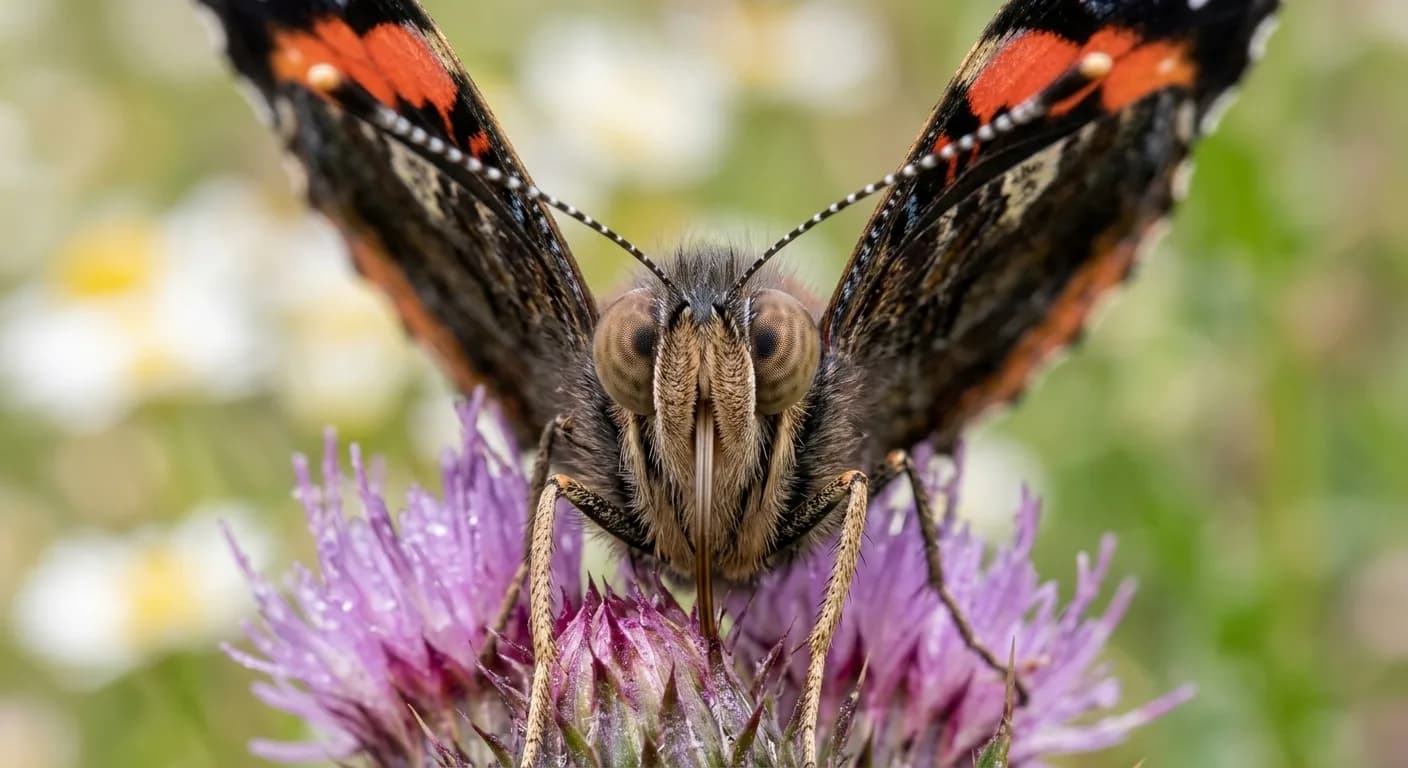
Red AdmiralLeast Concern

Red Admiral

Vanessa atalanta

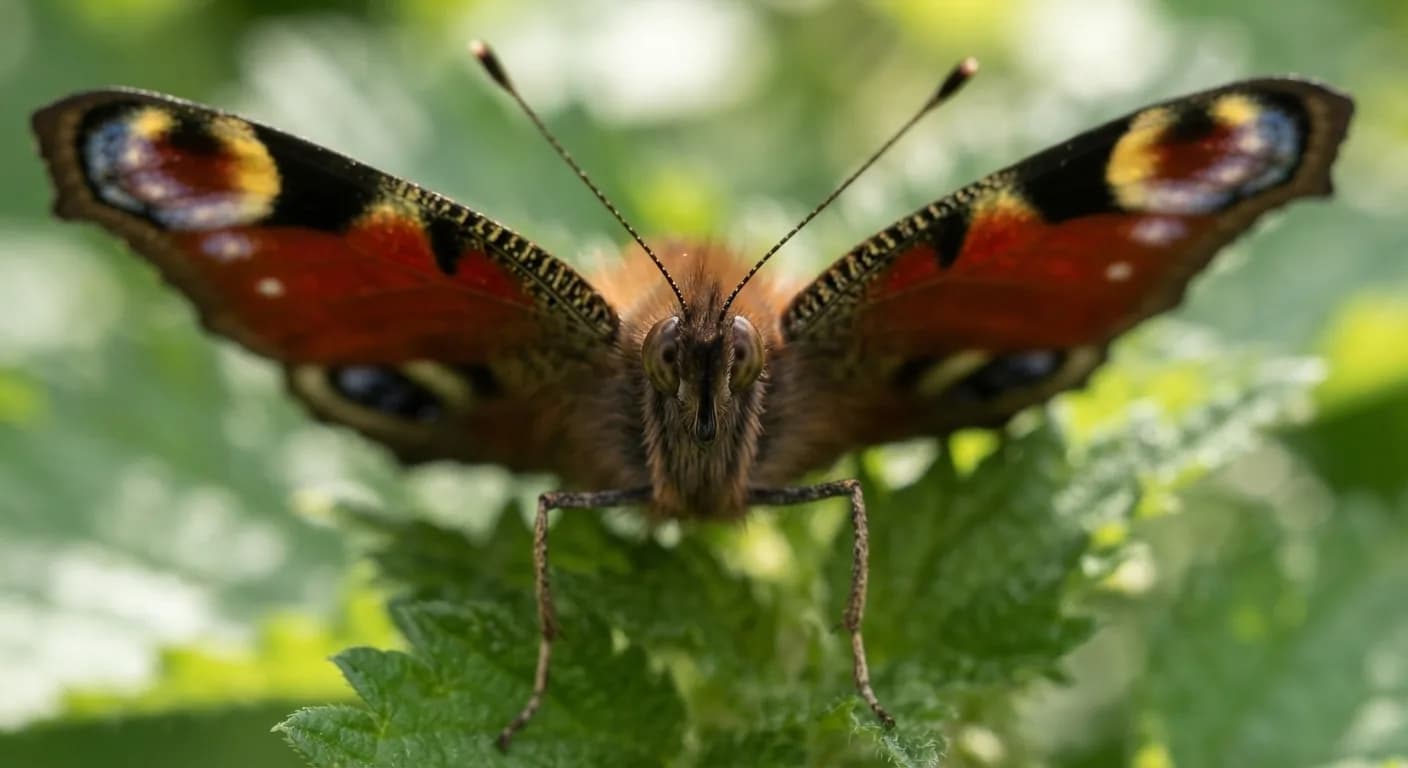
PeacockLeast Concern

Peacock

Aglais io

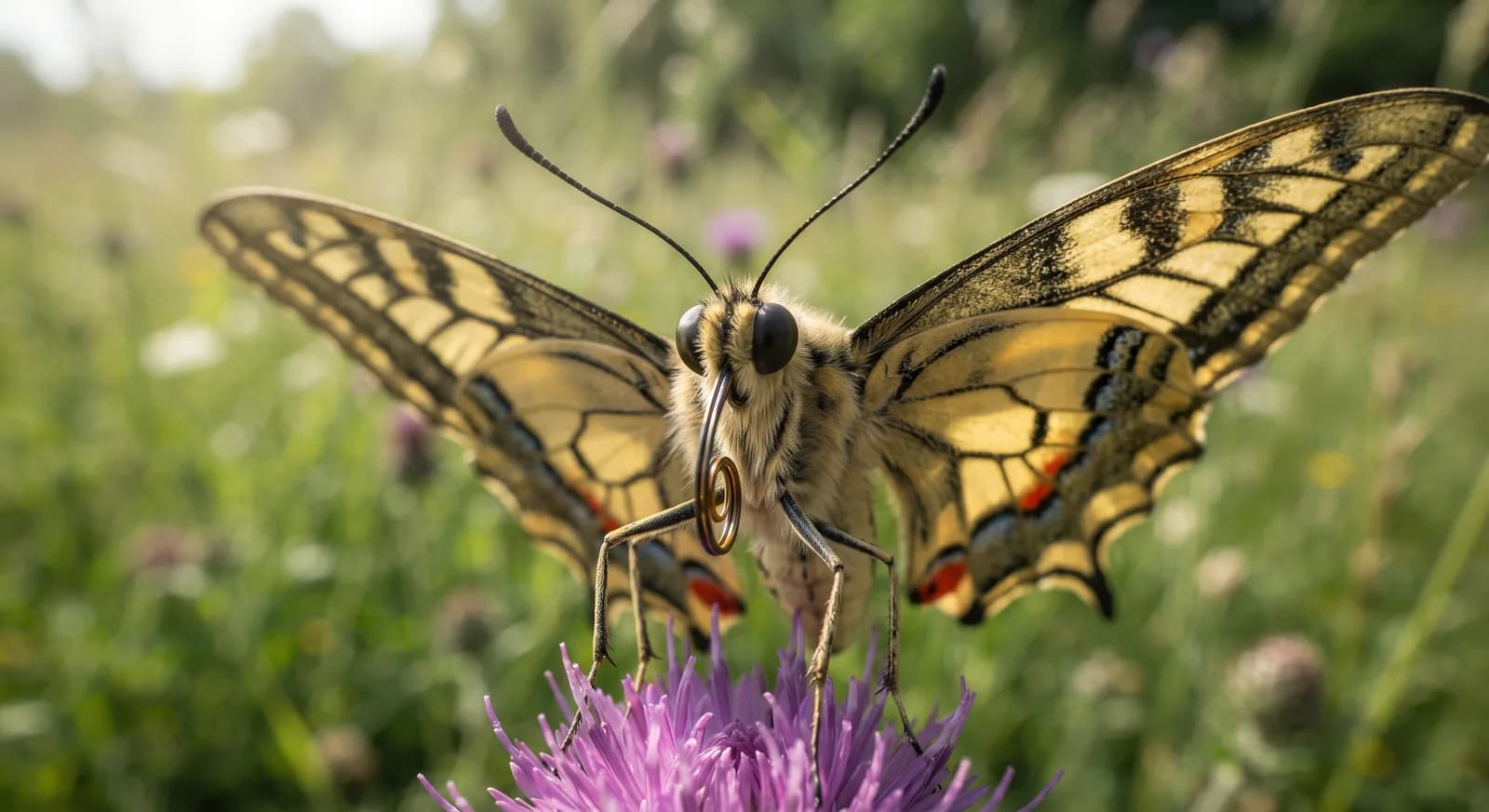
SwallowtailLeast Concern

Swallowtail

Papilio machaon

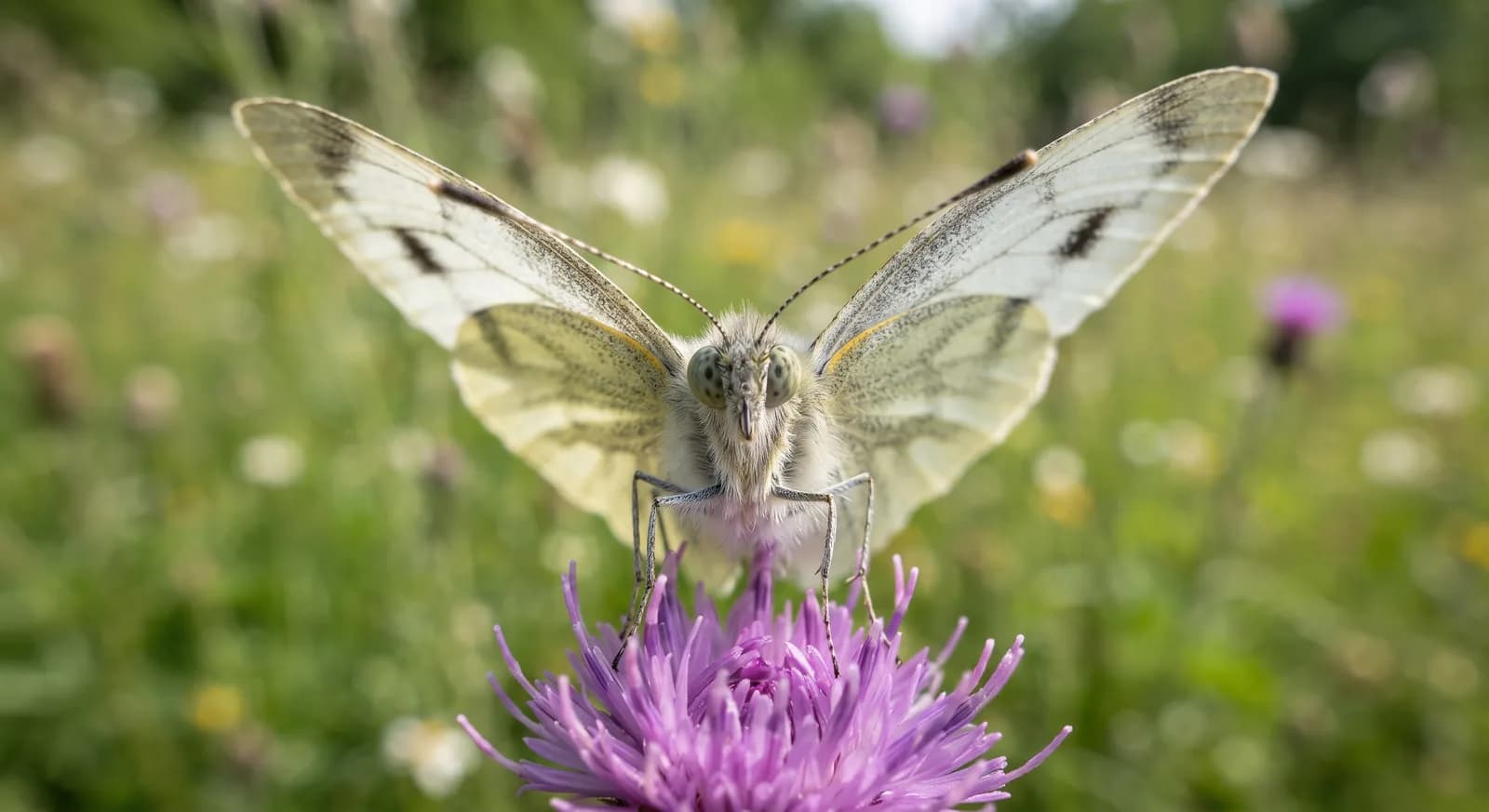
Large WhiteLeast Concern

Large White

Pieris brassicae

CountriesAlbania
TagsDiurnal
Diurnal
Solitary
Insect
Grassland

Europe39

Asia1

Albania
Andorra
Austria
Belarus
Belgium
Bosnia and Herzegovina
Albania
Andorra
Austria
Belarus
Belgium
Bosnia and Herzegovina
Bulgaria
Croatia
Czechia
Denmark
Estonia
Finland
France
Germany
Greece
Hungary
Ireland
Italy
Latvia
Liechtenstein
Lithuania
Luxembourg
Moldova
Monaco
Montenegro
Netherlands
North Macedonia
Norway
Poland
Portugal
Romania
Serbia
Slovakia
Slovenia
Spain
Sweden
Switzerland
Ukraine
United Kingdom
Russia