Skip to content
WAnimals
  • Map
  • Species
  • Parks
  • Diving
Log inCreate account
WAnimals

The guide for travellers and animal lovers: discover, plan and share your wild adventures around the world.

Discover wildlife

  • Species
  • Ecosystems
  • Glossary
  • Tags

Explore places

  • Map
  • Countries
  • Parks
  • Diving

Plan experiences

  • Guides

Learn

  • Blog

Resources

  • Help centre
  • Contact
  • Install the app

Follow us

Account

  • Log in
  • Create account

© 2026 WAnimals. All rights reserved.

About usHow we build our profilesTerms of servicePrivacyLegal notice
MapSpeciesParksDiving
  1. Home
  2. Species
  3. Devil's Coach-horse

One of the 24 beetles on WAnimals

Insects · Coleoptera · Staphylinidae

Devil's Coach-horse

Ocypus olens

Not Evaluated

It has not yet been assessed against the IUCN criteria.

Spotted something wrong?

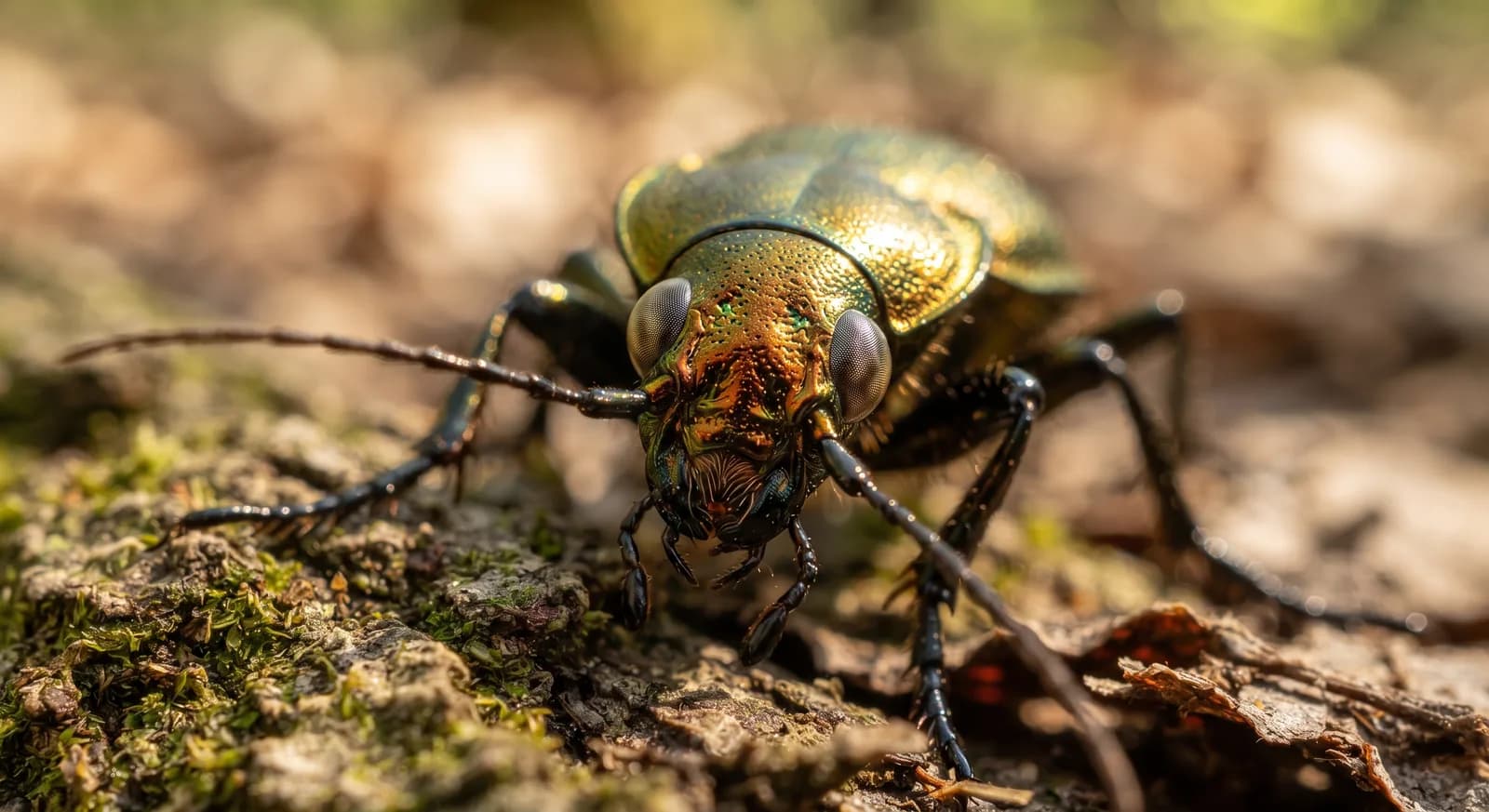
The devil's coach-horse is a beetle belonging to the family Staphylinidae. It was originally included in the genus Staphylinus in 1764; some authors and biologists still use that classification.

Size

2 cm – 3.2 cm

Life expectancy

2 years

Diet

Carnivore

Feeds mainly on other animals.

Activity

Nocturnal

Active mainly at night.

Social structure

Solitary

Lives and hunts alone, joining others only to breed.

Sighting difficulty

Unknown

Grassland
40countries

Fun facts

  • When threatened it curls its abdomen upwards like a scorpion, opens its jaws and releases a foul-smelling secretion from two anal glands.
  • Its tiny elytra conceal wings folded in an extraordinarily complex way, which it unfurls to fly and then packs away again beneath them.
  • It is an ally in vegetable plots and gardens for its appetite for slugs and pest larvae, though its bite can be painful if it is handled.
  • When threatened it strikes an unmistakable pose: it raises its abdomen over its head like a scorpion and opens its jaws wide. Hence its English name of devil's coach-horse and its reputation as a bearer of curses in British folklore.
  • The display is only half a bluff: it has no sting, but it bites hard and gives off a repulsive smell from glands at the tip of its abdomen, which is what its name, olens, means.
  • Its elytra are extremely short and leave almost the whole abdomen exposed, a hallmark of the rove beetles. Beneath those elytra it carries large wings folded in a highly complex way, which it unfurls to fly.
  • It is a voracious predator of slugs, worms and insects, and in vegetable plots and gardens it is highly beneficial.
  • Its larva is just as predatory and lives in the soil.

Life cycle and biology

Skeleton type
Invertebrate - chitin exoskeleton (insect)
Habitat and environment
Gardens, crops, roadsides and leaf litter of Europe
Size at birth
Egg of 4 mm; the third-instar larva reaches 20 to 26 mm, almost the size of the adult
Sexual maturity
Mating takes place in late summer or in autumn and laying 2 to 3 weeks later
Gestation / incubation
The eggs hatch after about 30 days; the larva goes through three instars over about 150 days and the pupa lasts about 35 days
Litter / clutch size
Large eggs of 4 mm, white with a darker band, laid one by one under moss, stones, restharrow or leaf litter, 2 to 3 weeks after mating

Sources consulted: https://es.wikipedia.org/wiki/Ocypus_olens; Ficha de especie de Ocypus olens (Nield 1976); Buglife; Buglife, ficha Devil's coach-horse; Ficha de especie de Ocypus olens; observaciones de campo del Pacifico Noroeste; NCBI PMC9069170, genoma de Ocypus olens (Nield 1976); NCBI PMC9069170

Where to find it

Best time: Adults present all year, most active in spring; they overwinter in burrows and some do not come out until March

Loading map…

Related species

Other species in the catalogue with the most in common with Devil's Coach-horse — same habitat, park, country, tags or family.

Related to
Related to
Related to
Related to
Related to
Related to

Keep exploring

Based on what we already know about devil's coach-horse.

Comments

Share an experience, a fun fact or a tip for seeing the devil's coach-horse.

Be the first to comment.
See full glossary
This page in other languages: Español · Deutsch · Français · Português · Italiano
See its range on the interactive map→
Least Concern

Smooth Newt

Lissotriton vulgaris

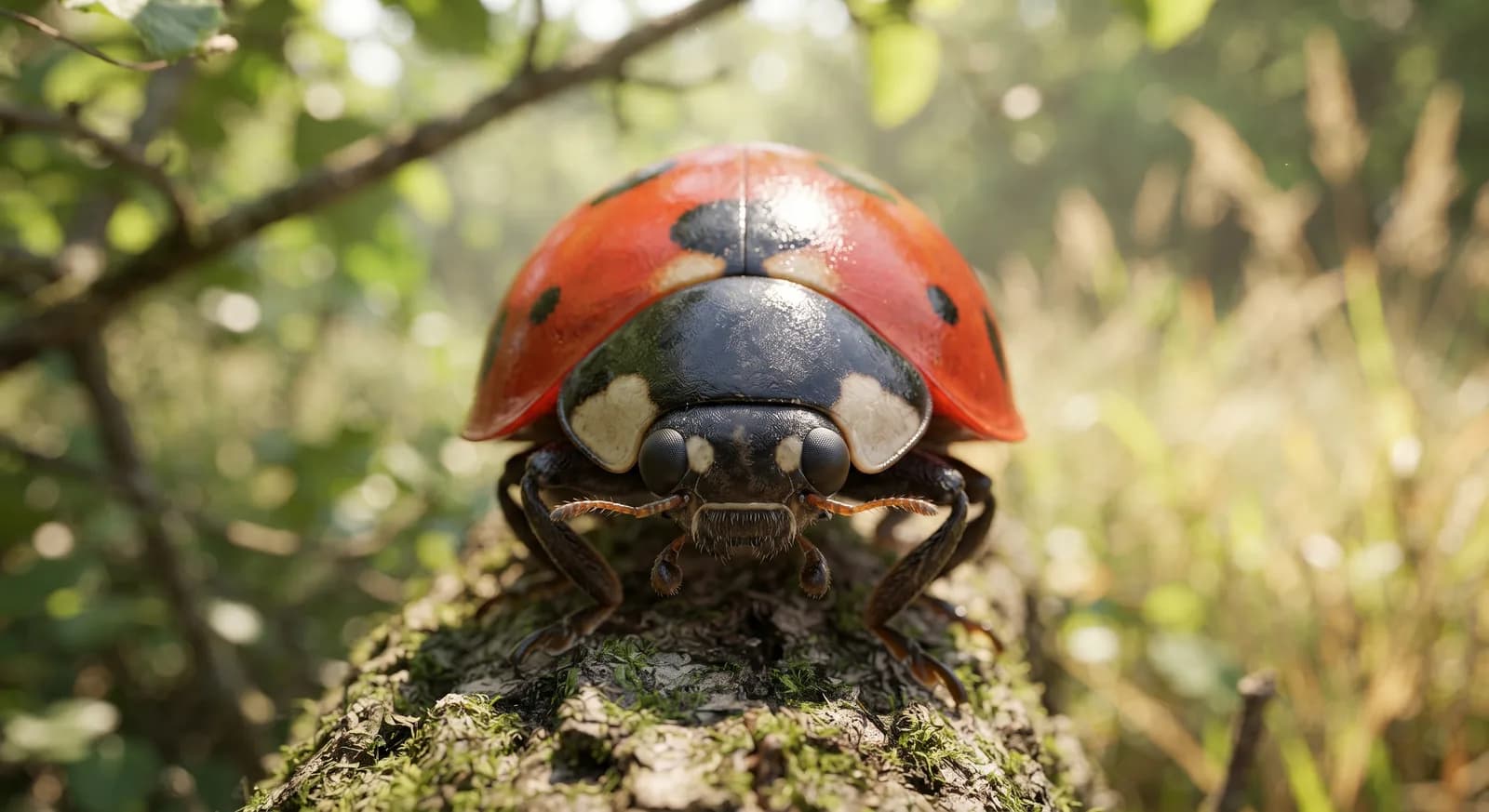
Seven-spotted Lady BeetleNot Evaluated

Seven-spotted Lady Beetle

Coccinella septempunctata

Golden Ground BeetleLeast Concern

Golden Ground Beetle

Carabus auratus

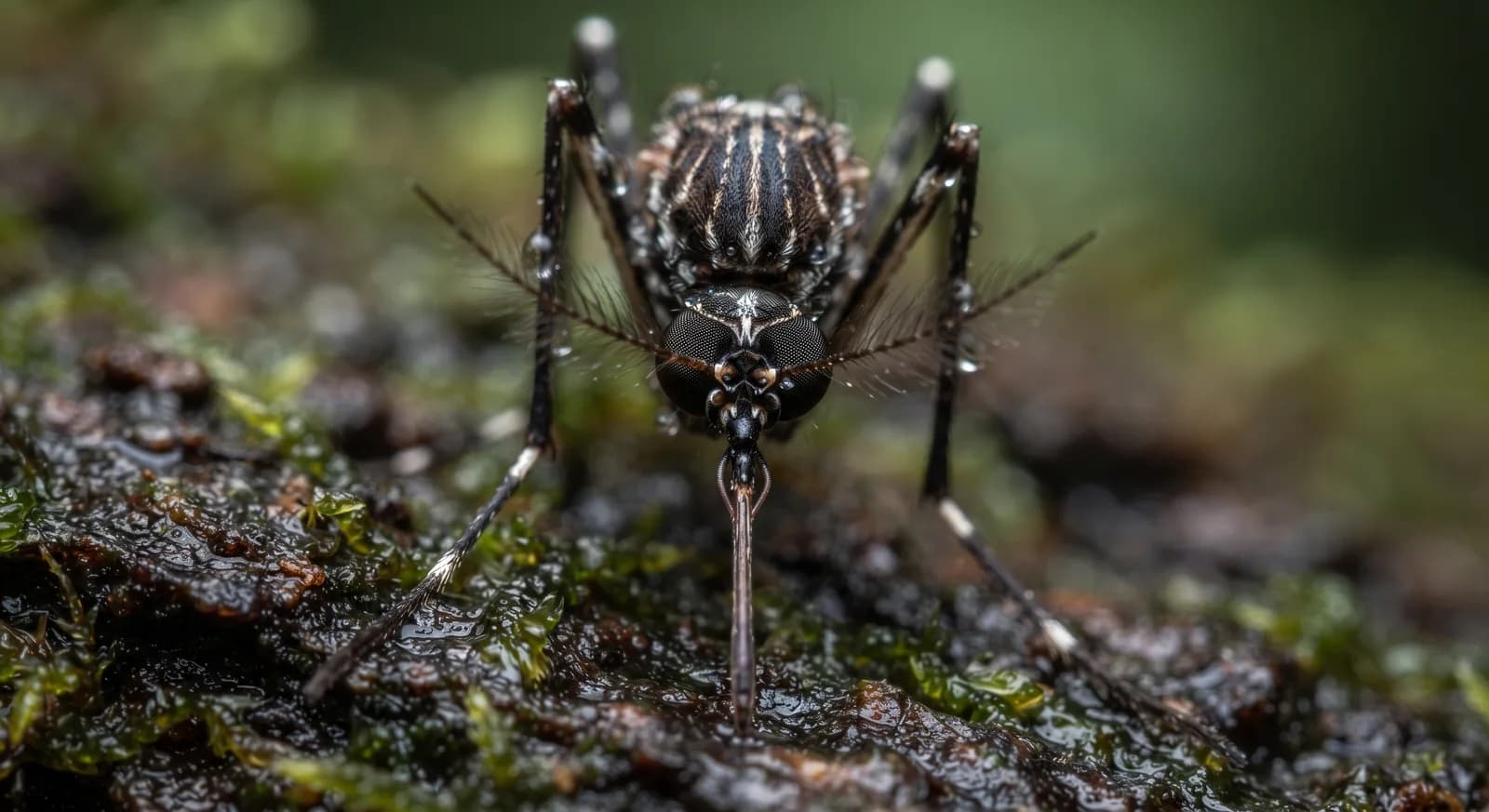
Yellow Fever MosquitoNot Evaluated

Yellow Fever Mosquito

Aedes aegypti

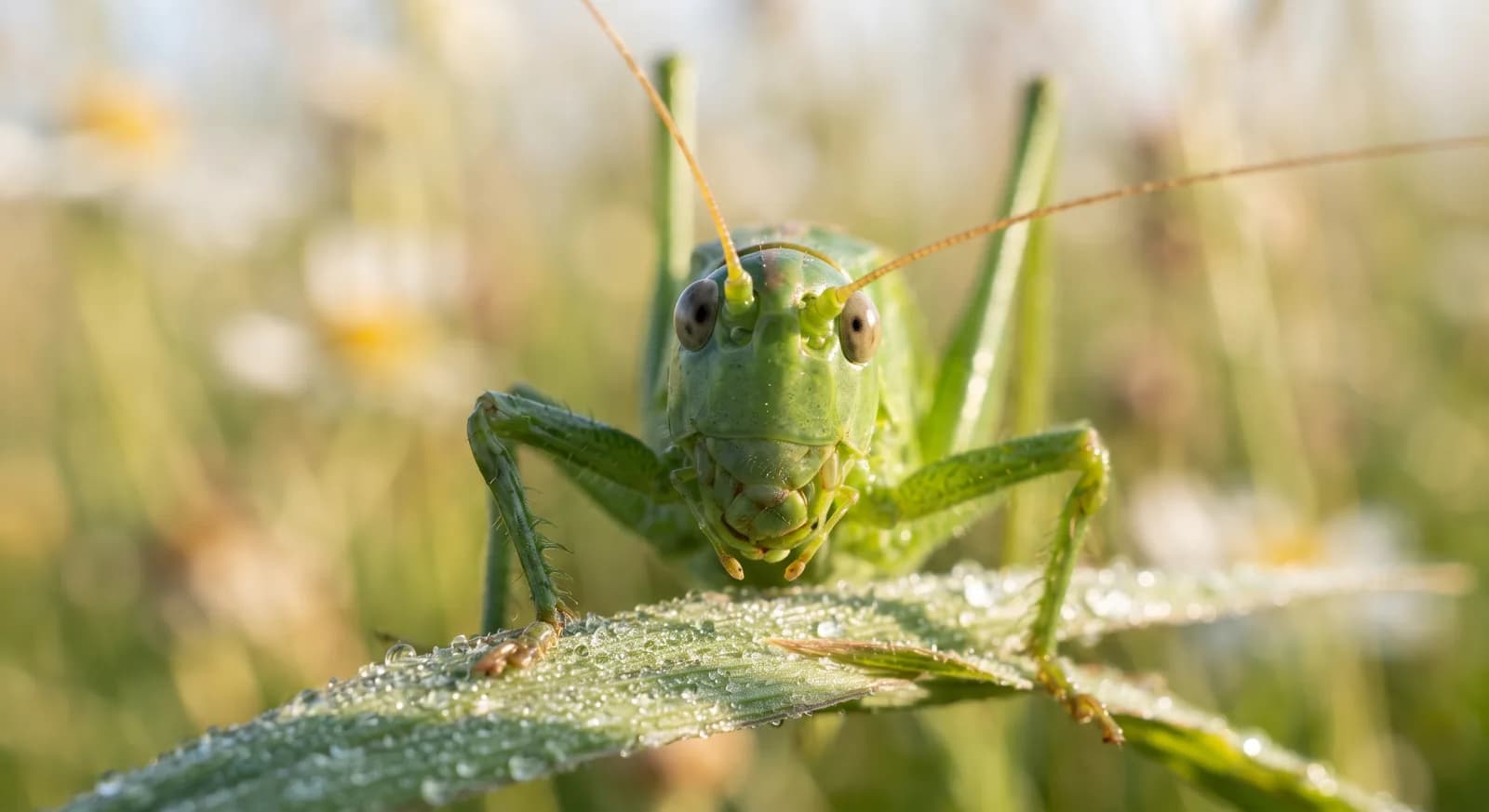
Great Green Bush CricketNot Evaluated

Great Green Bush Cricket

Tettigonia viridissima

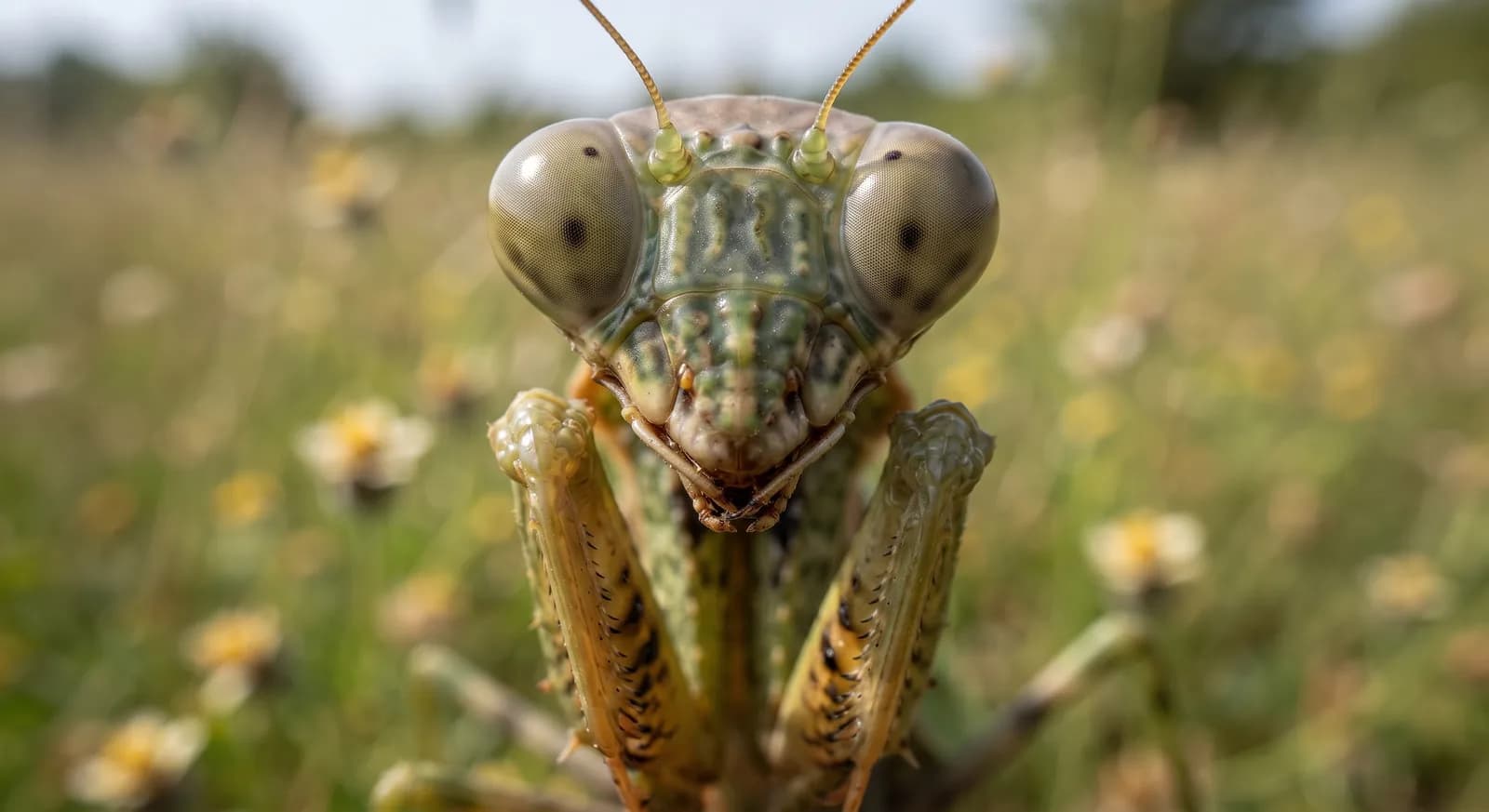
Praying MantisLeast Concern

Praying Mantis

Mantis religiosa

CountriesAlbania
TagsCarnivore
Carnivore
Nocturnal
Solitary
Insect
Grassland

Europe39

Asia1

Albania
Andorra
Austria
Belarus
Belgium
Bosnia and Herzegovina
Albania
Andorra
Austria
Belarus
Belgium
Bosnia and Herzegovina
Bulgaria
Croatia
Czechia
Denmark
Estonia
Finland
France
Germany
Greece
Hungary
Ireland
Italy
Latvia
Liechtenstein
Lithuania
Luxembourg
Moldova
Monaco
Montenegro
Netherlands
North Macedonia
Norway
Poland
Portugal
Romania
Serbia
Slovakia
Slovenia
Spain
Sweden
Switzerland
Ukraine
United Kingdom
Russia