 Least Concern
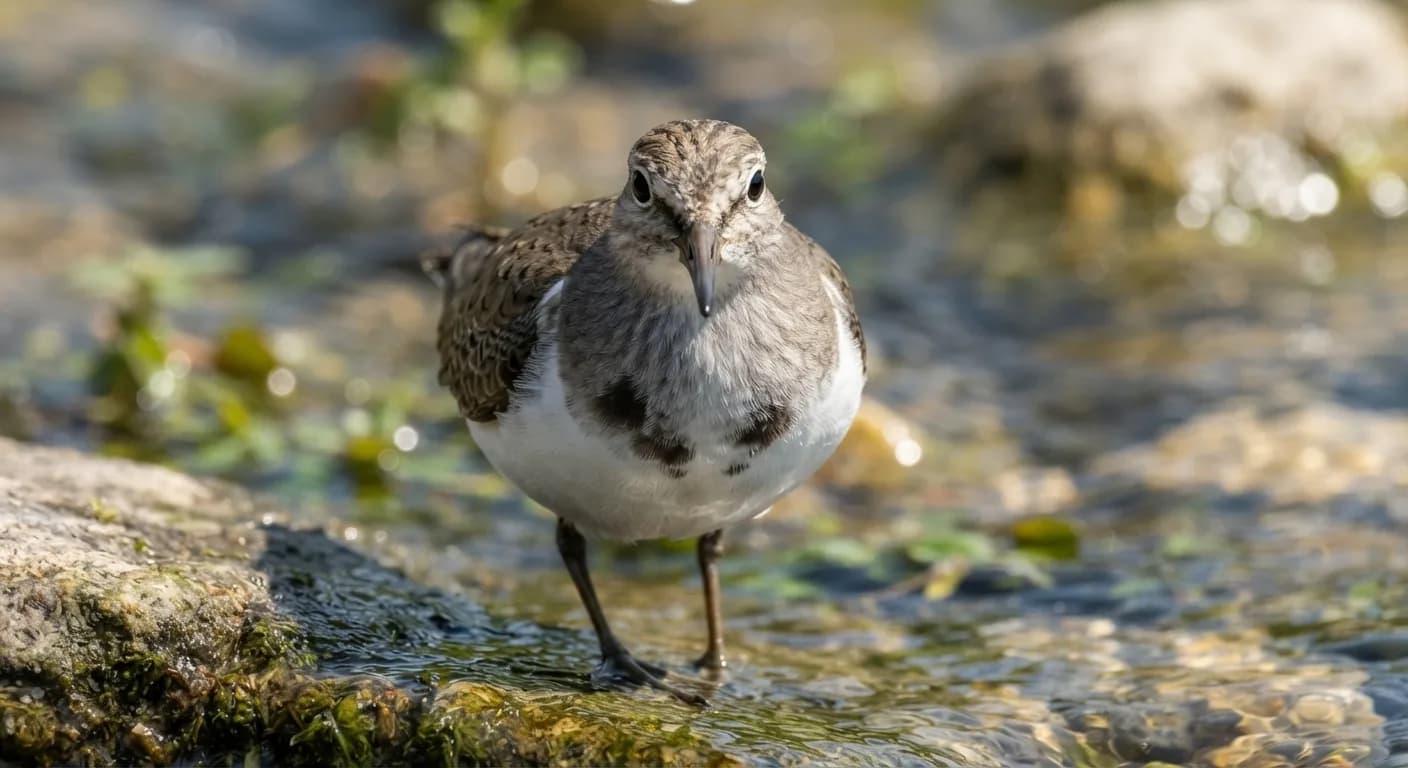
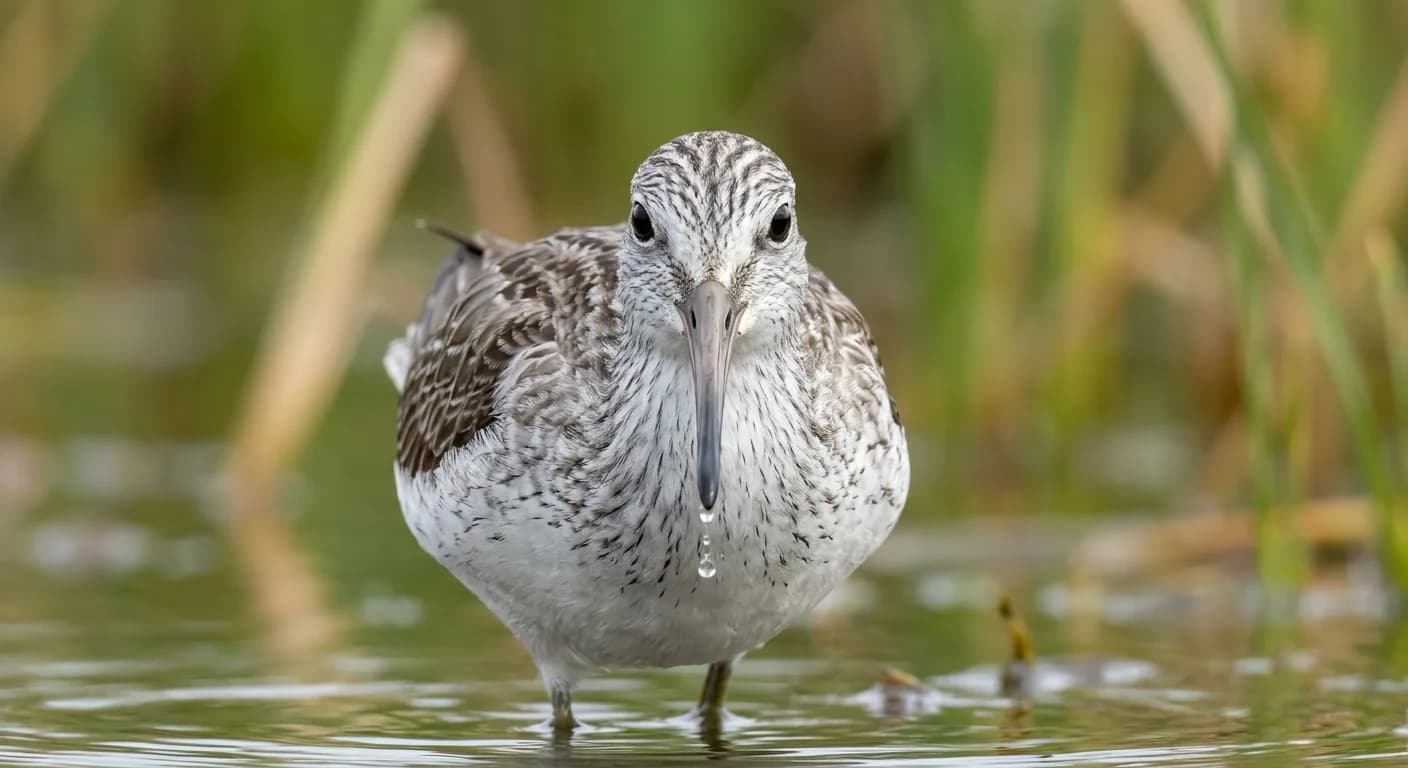
Common Greenshank
Tringa nebularia
Birds · Charadriiformes · Scolopacidae
Scolopax rusticola
The species is abundant and widely distributed; it faces no significant short-term risk.
Its eyes, set far back and high on the head, give it a 360-degree field of view so it can watch for predators while probing the ground for worms.
Weight
245 g – 430 g
Size
33 cm – 38 cm
Life expectancy
8 years
Diet
Carnivore
Feeds mainly on other animals.
Activity
Crepuscular
Active mainly at dawn and dusk.
Social structure
Solitary
Lives and hunts alone, joining others only to breed.
Sighting difficulty
Easy
Sources consulted: AnAge (genomics.senescence.info); Thai National Parks; Animalia.bio; Wikipedia (Eurasian woodcock); Avibase; PMC (escape behaviour study)
Best time: From October to March in humid Iberian woodland, when the winterers arrive; on its breeding grounds the males perform their roding flight at dusk.
Parks and dive sites where this species has been documented — showing 10 of 195.
Other species in the catalogue with the most in common with Eurasian Woodcock — same habitat, park, country, tags or family.
Based on what we already know about eurasian woodcock.
Share an experience, a fun fact or a tip for seeing the eurasian woodcock.
Be the first to comment.
The pins mark the parks where its presence is documented.