Skip to content
WAnimals
  • Map
  • Species
  • Parks
  • Diving
Log inCreate account
WAnimals

The guide for travellers and animal lovers: discover, plan and share your wild adventures around the world.

Discover wildlife

  • Species
  • Ecosystems
  • Glossary
  • Tags

Explore places

  • Map
  • Countries
  • Parks
  • Diving

Plan experiences

  • Guides

Learn

  • Blog

Resources

  • Help centre
  • Contact
  • Install the app

Follow us

Account

  • Log in
  • Create account

© 2026 WAnimals. All rights reserved.

About usHow we build our profilesTerms of servicePrivacyLegal notice
MapSpeciesParksDiving
  1. Home
  2. Species
  3. Field Cricket

One of the 3 crickets on WAnimals
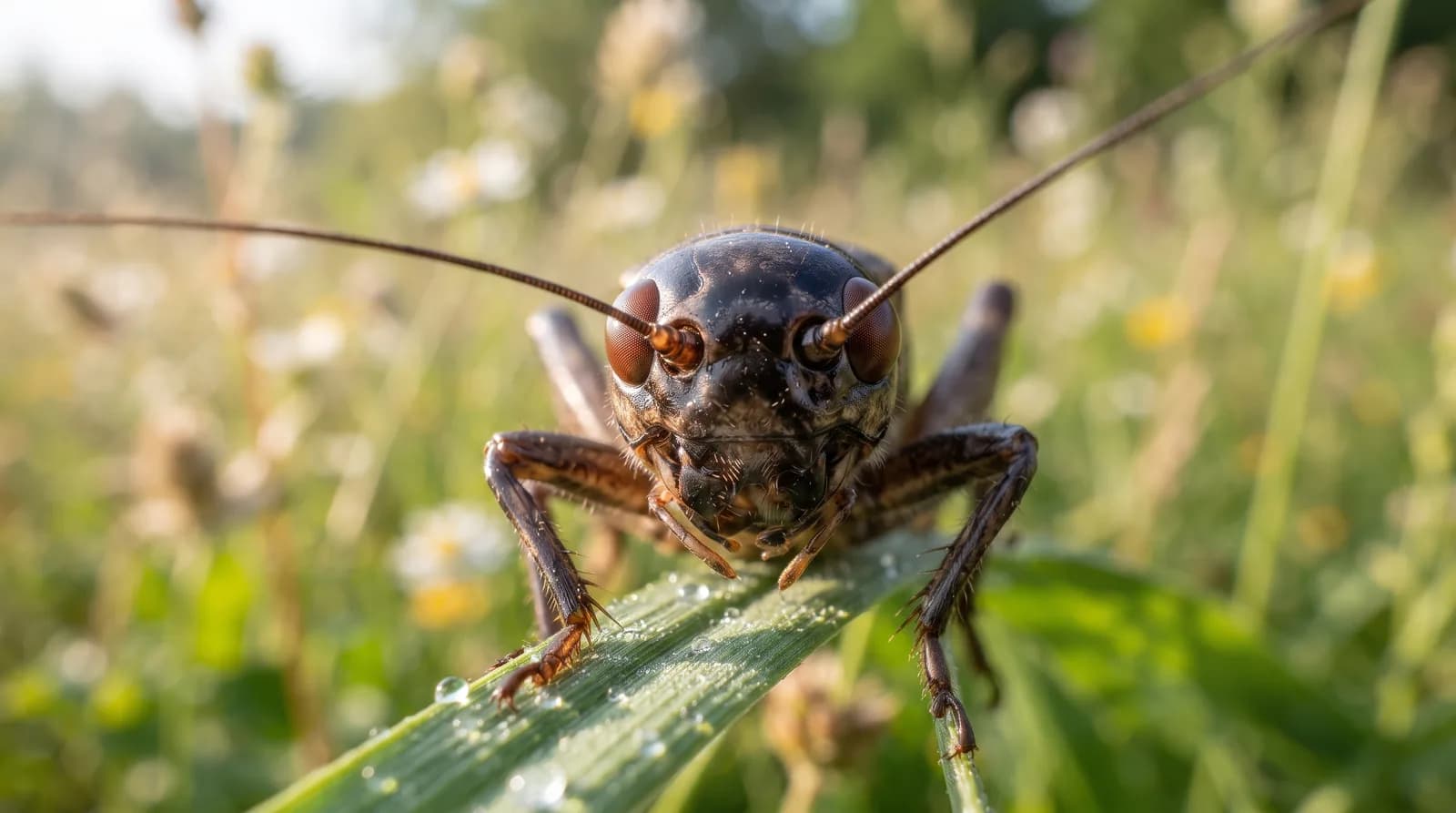
Field Cricket (Gryllus campestris)

Insects · Orthoptera · Gryllidae

Field Cricket

Gryllus campestris

Least Concern

The species is abundant and widely distributed; it faces no significant short-term risk.

Spotted something wrong?

Males are extremely territorial and defend their individual burrows aggressively, singing from a platform at the entrance to attract females.

Size

1.7 cm – 2.3 cm

Life expectancy

1 year

Diet

Omnivore

Combines animal and plant food depending on availability.
Activity

Diurnal

Active mainly during the day.

Social structure

Solitary

Lives and hunts alone, joining others only to breed.

Sighting difficulty

Easy

Grassland
45countries121parks1same family

AI-generated images: illustrations, not photographs.

Fun facts

  • In the United Kingdom it was once reckoned the country's most threatened cricket, down to barely 100 individuals in a single Sussex village in the 1990s.
  • It eats plants, fruit, seeds and insects, including eggs, larvae and the remains of other animals.
  • It digs individual burrows in dry grassland, heath and bare ground across Europe.
  • The male sings from the mouth of his burrow, which acts as a resonance chamber and amplifies the sound. Each male defends his own hole, and the female chooses by roaming the grassland and judging the songs.
  • It is one of the world's best-studied species in behavioural ecology: in a meadow in northern Spain, the WildCrickets project has followed every cricket in a population for years, individually tagged and filmed by cameras 24 hours a day, making it possible to reconstruct the complete life and breeding success of each individual.
  • It hears through its front legs, as bush-crickets do.
  • Its song is a continuous, musical trill, unlike the intermittent chirping of grasshoppers.
  • It has disappeared from much of northern Europe with the abandonment of extensive grazing and the scrubbing-over of grasslands; in the United Kingdom it came to the brink of extinction and has been reintroduced.

Life cycle and biology

Skeleton type
Invertebrate - chitin exoskeleton (insect)
Habitat and environment
Dry grassland, heath and bare ground across Europe, where it digs individual burrows
Birth weight
A tiny nymph on hatching from the egg
Size at birth
A nymph like a miniature adult on hatching
Sexual maturity
After hibernating in the 10th or 11th nymphal instar and completing the final moult in spring
Gestation / incubation
~25 days for the eggs to hatch (laid between May and July)
Litter / clutch size
Hundreds of eggs per female over the season

Sources consulted: American Gardener; Fox Pest Control; PestInsight; AnimalHub; Grokipedia (Gryllus campestris); PMC (altitudinal reproductive investment study); The Insect Guide; Wikipedia (Gryllus campestris)

Where to find it

Loading map…

Where to see it

Parks and dive sites where this species has been documented — showing 10 of 121.

Related species

Other species in the catalogue with the most in common with Field Cricket — same habitat, park, country, tags or family.

Shares a park
Shares a park
Shares a park
Shares a park
Shares a park
Shares a park

Keep exploring

Based on what we already know about field cricket.

Comments

Share an experience, a fun fact or a tip for seeing the field cricket.

Be the first to comment.

See full glossary
This page in other languages: Español · Deutsch · Français · Português · Italiano

The pins mark the parks where its presence is documented.

See its range on the interactive map→
Picos de EuropaSpain
Ordesa y Monte PerdidoSpain
Aiguestortes i Estany de Sant MauriciSpain
Peneda-GeresPortugal
CévennesFrance
Abruzzo, Lazio and MoliseItaly
Alta MurgiaItaly
Mount OlympusGreece
PlitviceCroatia
DurmitorMontenegro
See all 121 parks
Red KiteLeast Concern

Red Kite

Milvus milvus

Least Concern

Common Chaffinch

Fringilla coelebs

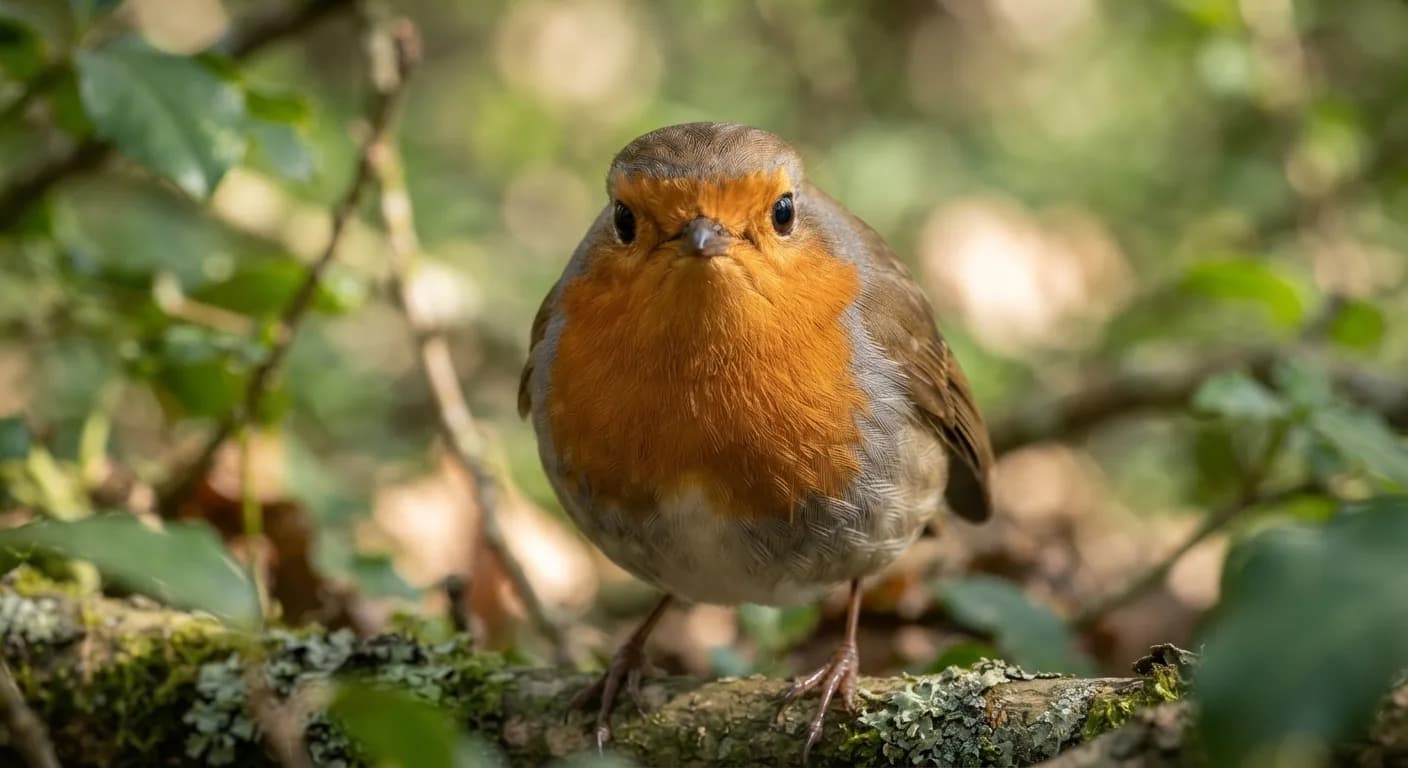
European RobinLeast Concern

European Robin

Erithacus rubecula

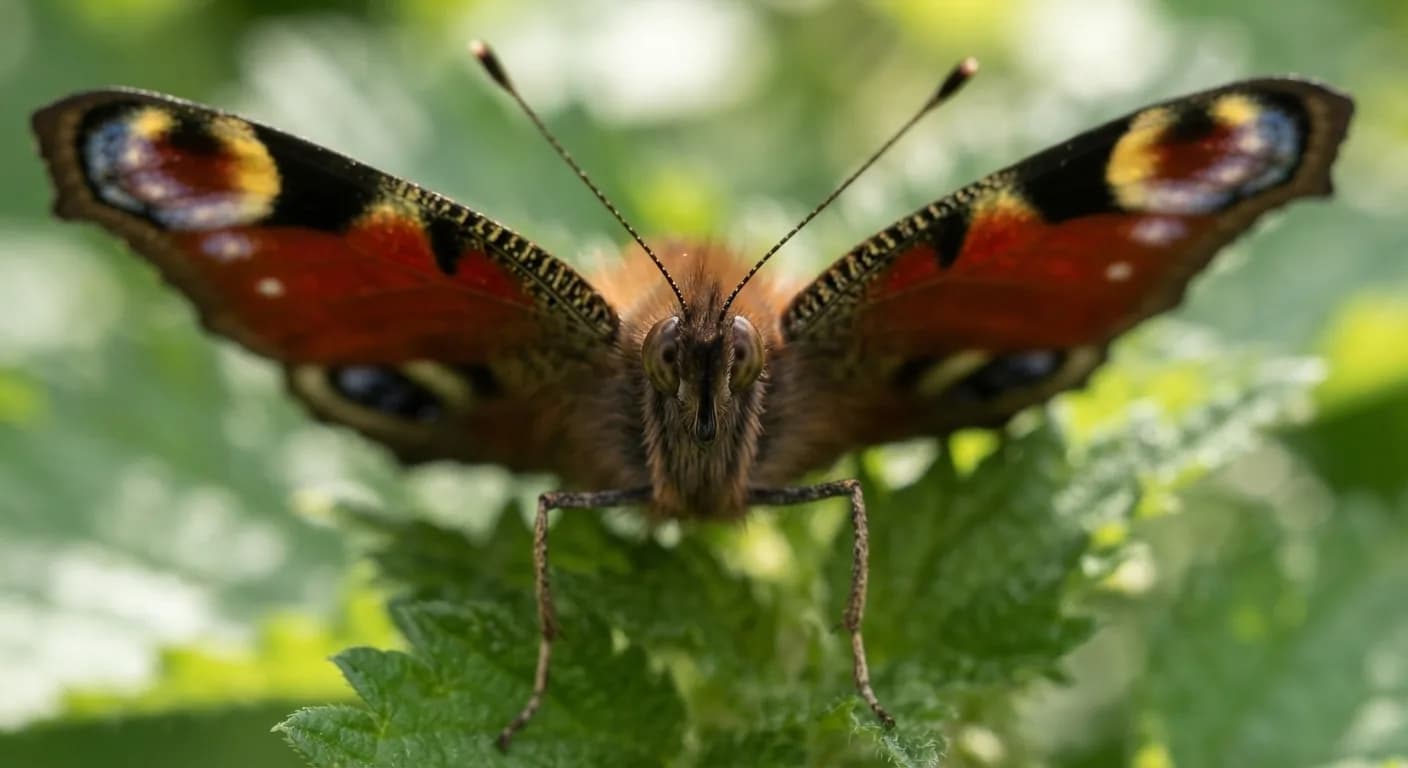
PeacockLeast Concern

Peacock

Aglais io

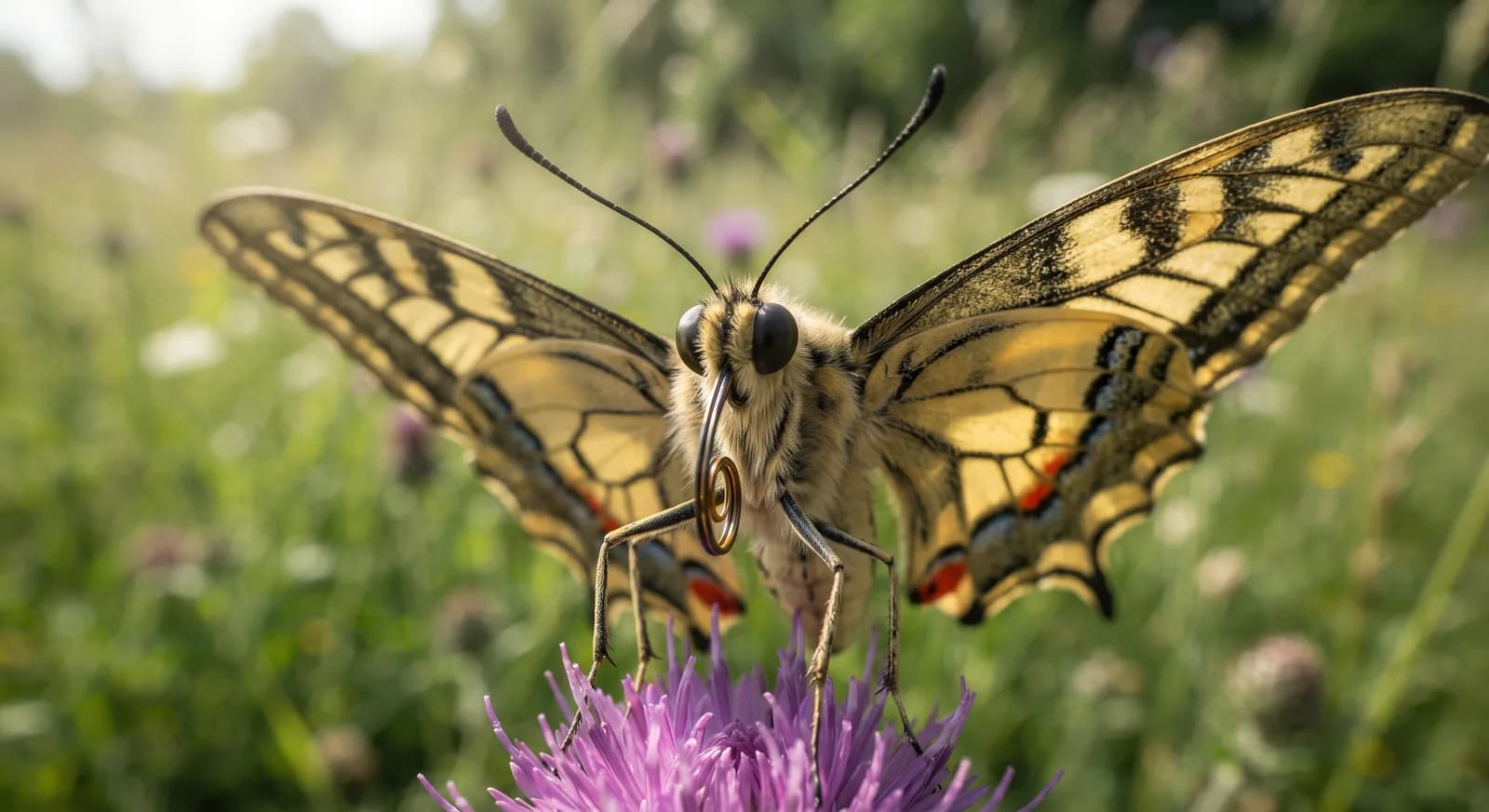
SwallowtailLeast Concern

Swallowtail

Papilio machaon

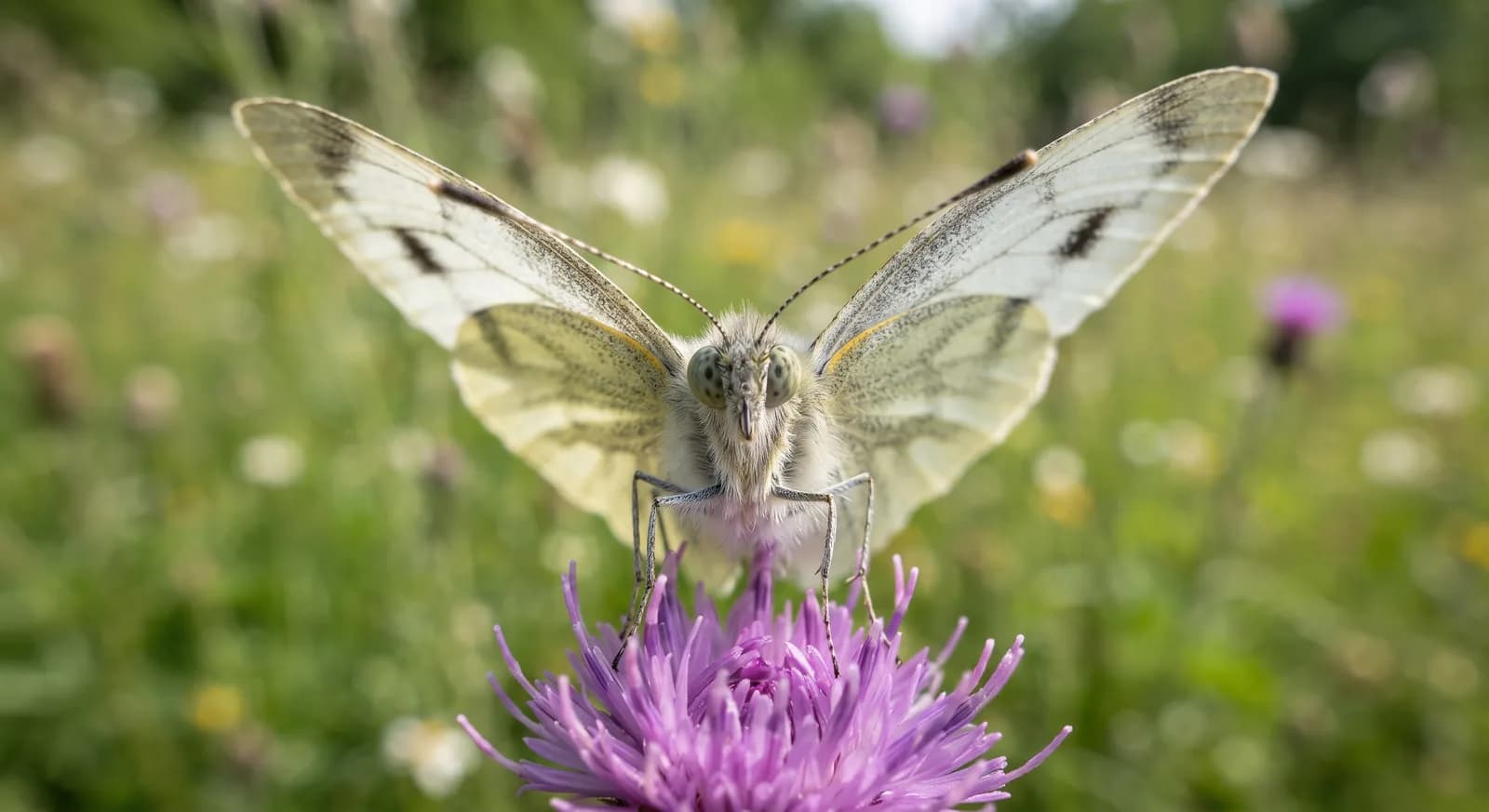
Large WhiteLeast Concern

Large White

Pieris brassicae

CountriesSpain
ParksPicos de EuropaSpain
TagsOmnivore
Omnivore
Diurnal
Solitary
Insect
Grassland
SpainItalyPolandGermanyGreeceHungary

Europe40

AlbaniaAndorraAustriaBelarusBelgiumBosnia and HerzegovinaBulgariaCroatiaCzechiaDenmarkEstoniaFinlandFranceGermanyGreeceHungaryIrelandItalyKosovoLatviaLiechtensteinLithuaniaLuxembourgMoldovaMontenegroNetherlandsNorth MacedoniaNorwayPolandPortugalRomaniaSan MarinoSerbiaSlovakiaSloveniaSpainSwedenSwitzerlandUkraineUnited Kingdom

Asia5

ArmeniaAzerbaijanGeorgiaRussiaTürkiye