Skip to content
WAnimals
  • Map
  • Species
  • Parks
  • Diving
Log inCreate account
WAnimals

The guide for travellers and animal lovers: discover, plan and share your wild adventures around the world.

Discover wildlife

  • Species
  • Ecosystems
  • Glossary
  • Tags

Explore places

  • Map
  • Countries
  • Parks
  • Diving

Plan experiences

  • Guides

Learn

  • Blog

Resources

  • About us
  • How we build our profiles
  • Help centre
  • Contact
  • Install the app

Follow us

Account

  • Log in
  • Create account

© 2026 WAnimals. All rights reserved.

Terms of servicePrivacyCookiesLegal notice
MapSpeciesParksDiving
  1. Home
  2. Species
  3. Green Leafhopper

One of the 3 cicadas on WAnimals

Insects · Hemiptera · Cicadellidae

Green Leafhopper

Cicadella viridis

Not Evaluated

It has not yet been assessed against the IUCN criteria.

Spotted something wrong?

A small leafhopper, bright blue-green in the females and darker in the males, very abundant in damp grassland. It sucks phloem sap from rushes and grasses and jumps with enormous power at the slightest movement.

Size

0.6 cm – 0.9 cm

Life expectancy

1 year

Diet

Herbivore

Feeds mainly on plants.

Social structure

Solitary

Lives and hunts alone, joining others only to breed.

Grassland
51countries

Fun facts

  • Using its saw-like ovipositor the female cuts a slit in stems and in the bark of young shoots to insert the eggs, which can damage willow and fruit tree saplings.
  • Its body is coated in brochosomes, microscopic protein particles that it secretes and spreads with its legs, forming a water-repellent layer that sheds both water and its own honeydew.
  • It jumps by driving off with its hind legs at accelerations of several hundred times gravity.
  • It manufactures brochosomes: hollow protein particles shaped like microscopic footballs, which it secretes through specialised Malpighian tubules and with which it coats its body.
  • That coating is superhydrophobic, and it keeps the insect from getting trapped in its own sticky honeydew or in water droplets — a serious problem for an insect that excretes sugars all day long.
  • The structure of brochosomes is studied in materials science for its anti-reflective and water-repellent properties.
  • The female also uses them to cover her clutch, protecting it from desiccation and from parasitoids.
  • It leaps with extraordinary force for its size, propelling itself with its hind legs.
  • Its bright bluish green with a yellow head makes it unmistakable in damp rush beds.

Life cycle and biology

Skeleton type
Invertebrate - chitin exoskeleton (insect)
Habitat and environment
Damp meadows, rush beds and the banks of rivers and irrigation channels
Sexual maturity
Five nymphal instars with no pupal stage: the nymph becomes an adult directly
Gestation / incubation
The eggs spend the winter inserted into stems and bark and hatch in spring; the nymphs go through five instars and reach adulthood in June or July
Litter / clutch size
The females insert the eggs singly or in small groups into the stems of rushes, sedges and grasses, between late August and early November

Sources consulted: Rakitov y Gorb (2013), Proceedings of the Royal Society B · Yang et al. (2017), Nature Communications · Buglife · Ficha de especie de Cicadella viridis · ScienceDirect (Hughes 1989) · Science Advances, How colonial animals evolve · Wikipedia, Zooid · Pavan & Gambon · Pavan & Gambon, ciclo biologico en el nordeste de Italia · datos de tamano de la familia Cicadellidae · Project Noah

Where to find it

Best time: Summer and autumn, in damp grassland

Loading map…

Related species

Other species in the catalogue with the most in common with Green Leafhopper — same habitat, park, country, tags or family.

Related to
Related to
Related to
Related to
Related to
Related to

Keep exploring

Based on what we already know about green leafhopper.
Share an experience, a fun fact or a tip for seeing the green leafhopper.
See full glossary
This page in other languages: Español · Deutsch · Français · Português · Italiano
See its range on the interactive map→
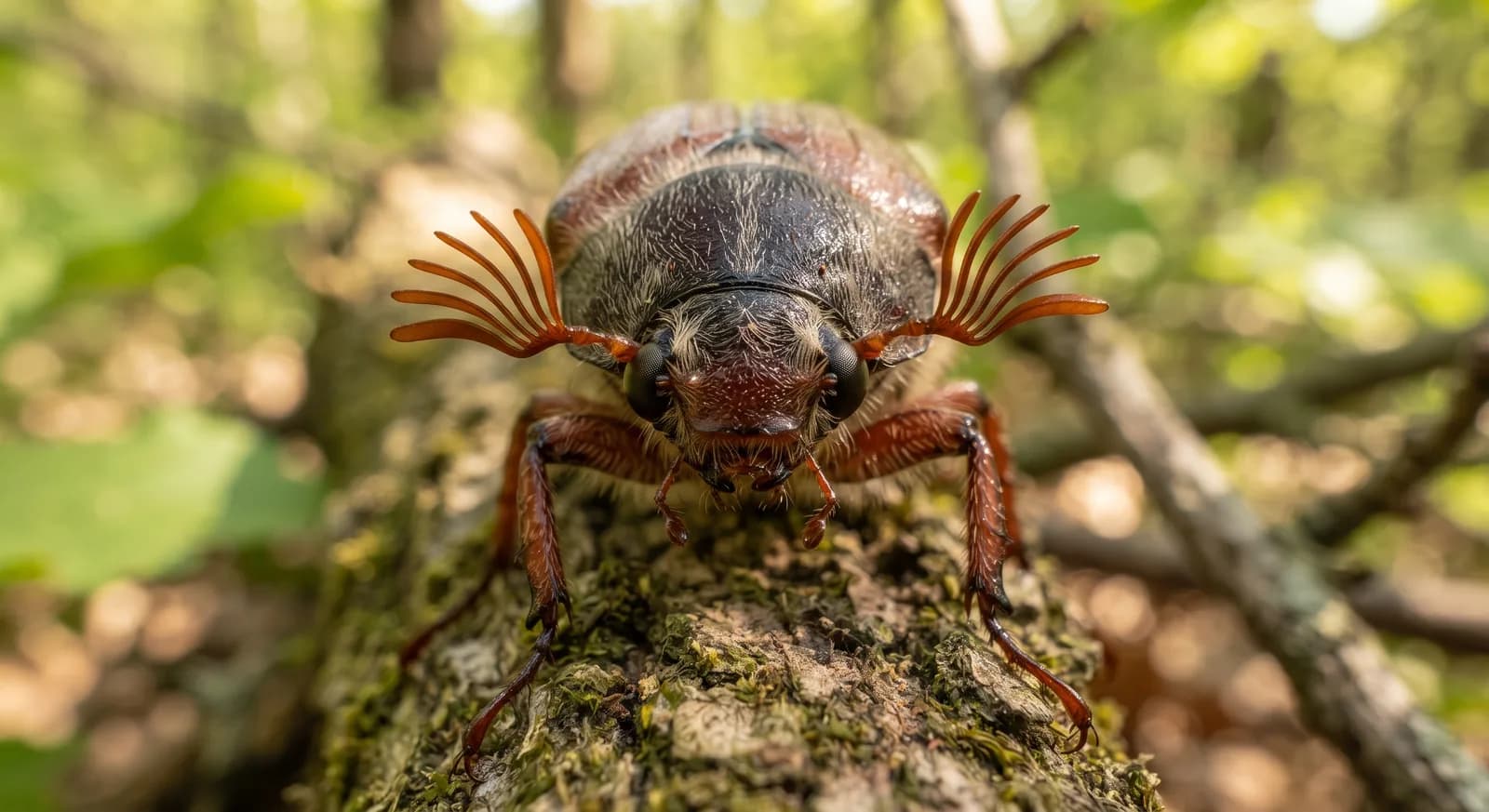
Common CockchaferNot Evaluated

Common Cockchafer

Melolontha melolontha

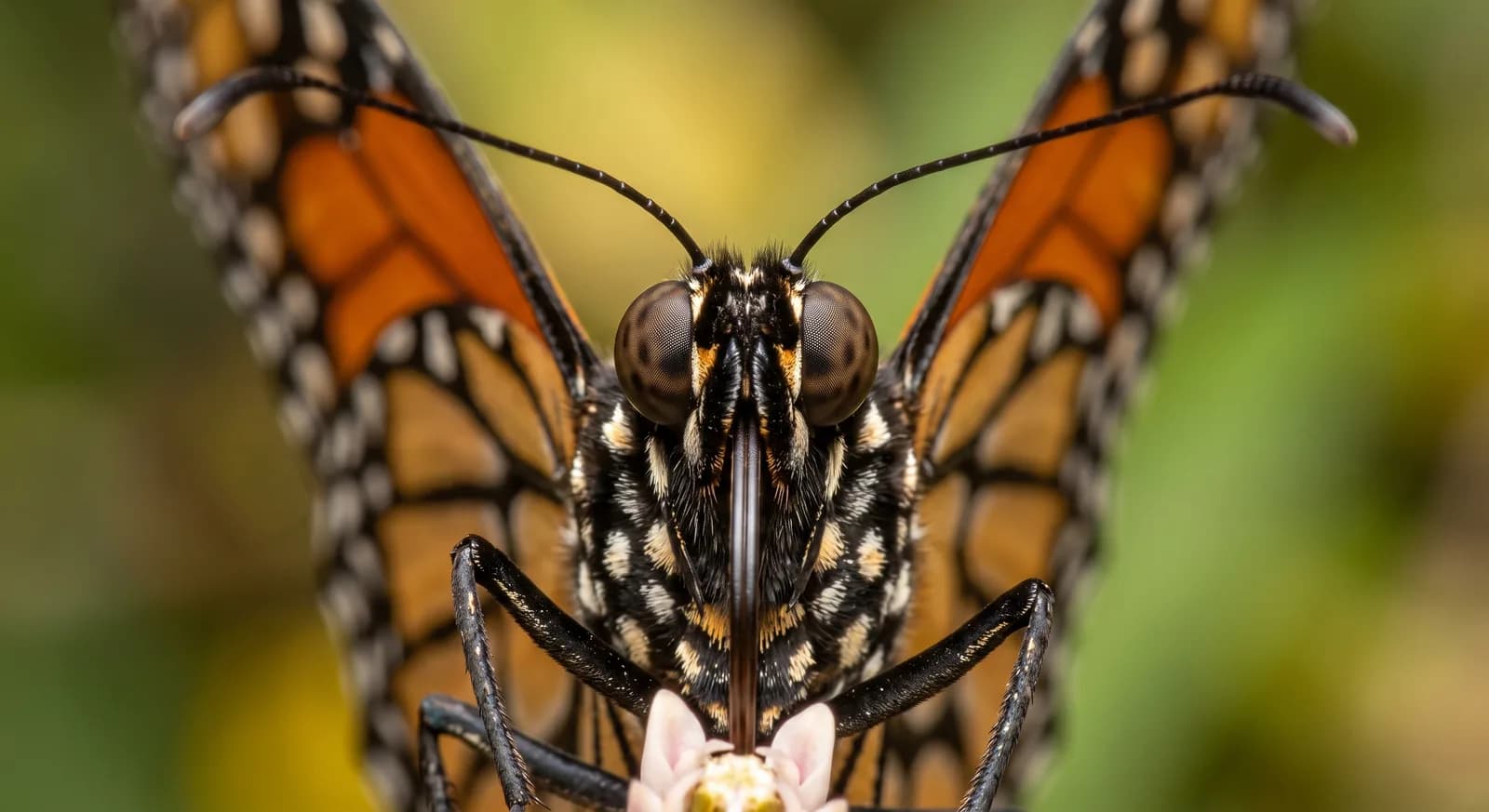
MonarchNot Evaluated

Monarch

Danaus plexippus

Not Evaluated

Pomace Fly

Drosophila melanogaster

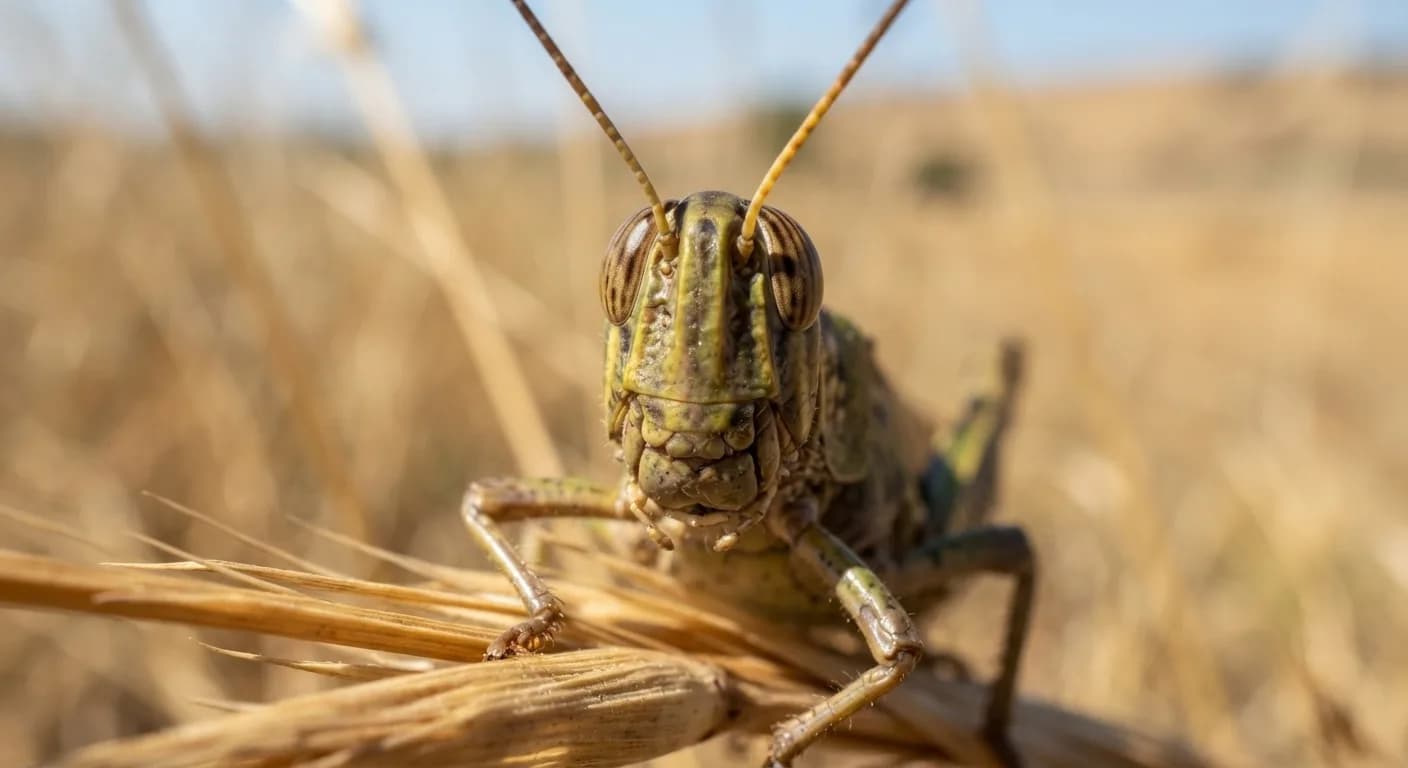
Migratory LocustNot Evaluated

Migratory Locust

Locusta migratoria

Not Evaluated

Black Bean Aphid

Aphis fabae

Not Evaluated

Japanese Beetle

Popillia japonica

CountriesAlbania
TagsHerbivore
Herbivore
Colonial
Insect
Grassland

Europe37

Asia9

Africa5

Albania
Algeria
Andorra
Armenia
Austria
Azerbaijan
Albania
Andorra
Austria
Belarus
Belgium
Bosnia and Herzegovina
Bulgaria
Croatia
Cyprus
Czechia
France
Germany
Gibraltar
Greece
Hungary
Italy
Kosovo
Liechtenstein
Luxembourg
Malta
Moldova
Monaco
Montenegro
Netherlands
North Macedonia
Poland
Portugal
Romania
San Marino
Serbia
Slovakia
Slovenia
Spain
Switzerland
Ukraine
United Kingdom
Vatican City
Armenia
Azerbaijan
Georgia
Israel
Jordan
Lebanon
Palestine
Syria
Türkiye
Algeria
Egypt
Libya
Morocco
Tunisia