Skip to content
WAnimals
  • Map
  • Species
  • Parks
  • Diving
Log inCreate account
WAnimals

The guide for travellers and animal lovers: discover, plan and share your wild adventures around the world.

Discover wildlife

  • Species
  • Ecosystems
  • Glossary
  • Tags

Explore places

  • Map
  • Countries
  • Parks
  • Diving

Plan experiences

  • Guides

Learn

  • Blog

Resources

  • Help centre
  • Contact
  • Install the app

Follow us

Account

  • Log in
  • Create account

© 2026 WAnimals. All rights reserved.

About usHow we build our profilesTerms of servicePrivacyLegal notice
MapSpeciesParksDiving
  1. Home
  2. Species
  3. Rudd

Bony fish · Cypriniformes · Leuciscidae

Rudd

Scardinius erythrophthalmus

Not Evaluated

It has not yet been assessed against the IUCN criteria.

Spotted something wrong?

It is easily told from the roach by its golden-yellow eyes and by its upturned mouth.

Weight

500 g – 2 kg

Size

15 cm – 30 cm

Life expectancy

15 years

Diet

Omnivore

Combines animal and plant food depending on availability.

Activity

Diurnal

Active mainly during the day.

Social structure

School

Gathers in coordinated schools, typical of fish.

Sighting difficulty

Unknown

Freshwater
46countries79parks3dive sites2same family

Fun facts

  • It eats water plants, algae, invertebrates and insects taken at the surface.
  • It lives in still, well-vegetated water across much of Europe and Central Asia.
  • It is considered invasive in some regions outside its native range.

Life cycle and biology

Skeleton type
Vertebrate - internal bony skeleton (fish)
Habitat and environment
Still, well-vegetated water across much of Europe and Central Asia, absent from Iberia, Scotland and northern Scandinavia
Birth weight
A tiny larva on hatching, stuck to water plants
Size at birth
Tiny larva at hatching
Sexual maturity
1-3 years
Litter / clutch size
3,500 to 232,000 adhesive eggs laid among submerged vegetation

Sources consulted: FishBase; Billouttes.eu; IUCN GISD; Minnesota DNR; Animalia.bio; Fishipedia

Where to find it

Loading map…

Where to see it

Parks and dive sites where this species has been documented — showing 13 of 82.

Related species

Other species in the catalogue with the most in common with Rudd — same habitat, park, country, tags or family.

Same taxonomic family
Shares a park
Shares a park
Shares a park
Shares a park
Same taxonomic family

Keep exploring

Based on what we already know about rudd.

Comments

Share an experience, a fun fact or a tip for seeing the rudd.

Be the first to comment.

See full glossary
This page in other languages: Español · Deutsch · Français · Português · Italiano

The pins mark the parks and dive sites where its presence is documented.
See its range on the interactive map→
Lake DistrictUnited Kingdom
KillarneyIreland
EcrinsFrance
TriglavSlovenia
Picos de EuropaSpain
Ordesa y Monte PerdidoSpain
Aiguestortes i Estany de Sant MauriciSpain
Peneda-GeresPortugal
CévennesFrance
PlitviceCroatia
Rügen (Baltic amber)Germany
Turku ArchipelagoFinland
Gdańsk (Baltic wrecks)Poland
See all 79 parks
Least Concern

Common Bream

Abramis brama

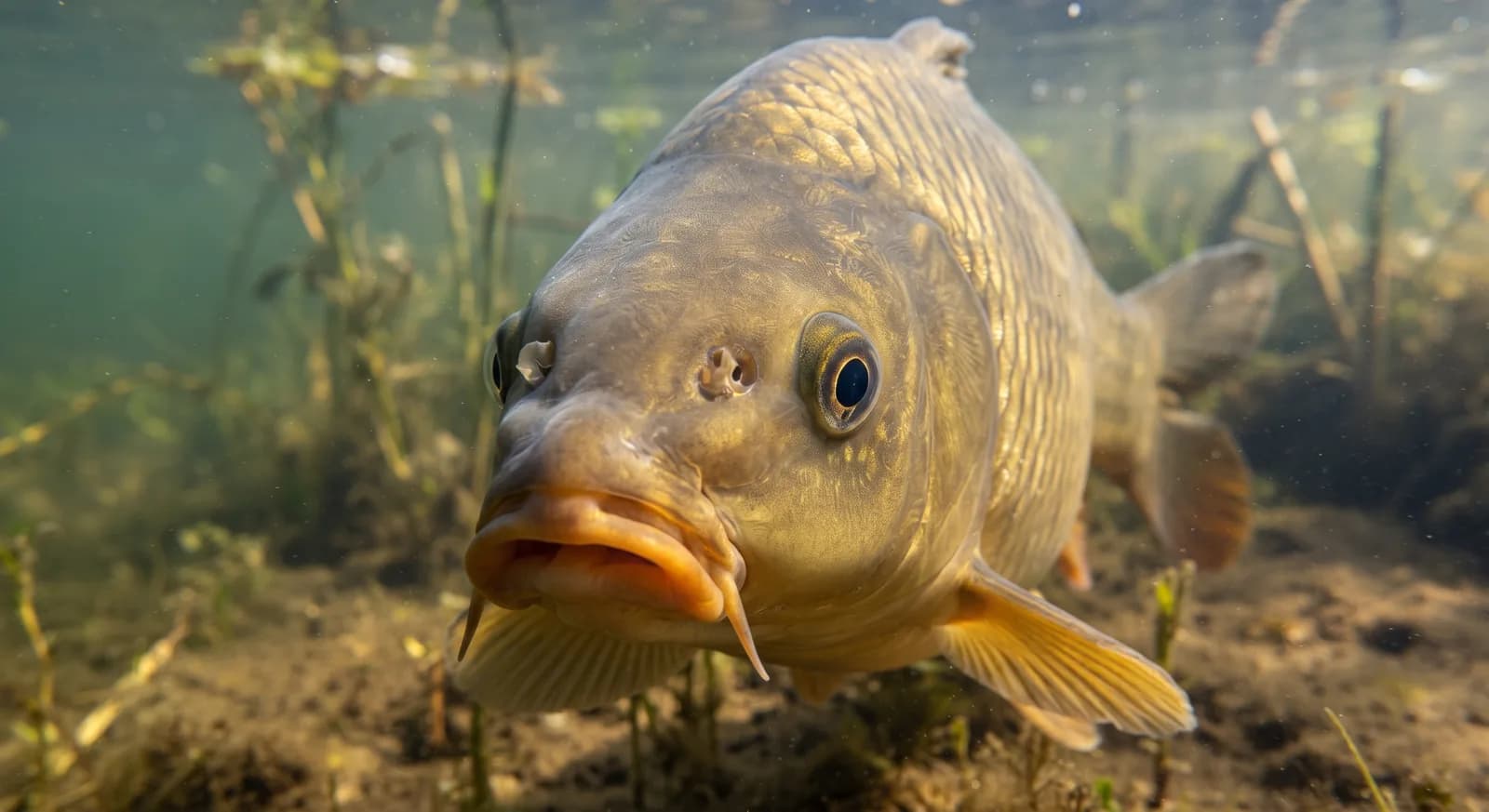
Common CarpLeast Concern

Common Carp

Cyprinus carpio

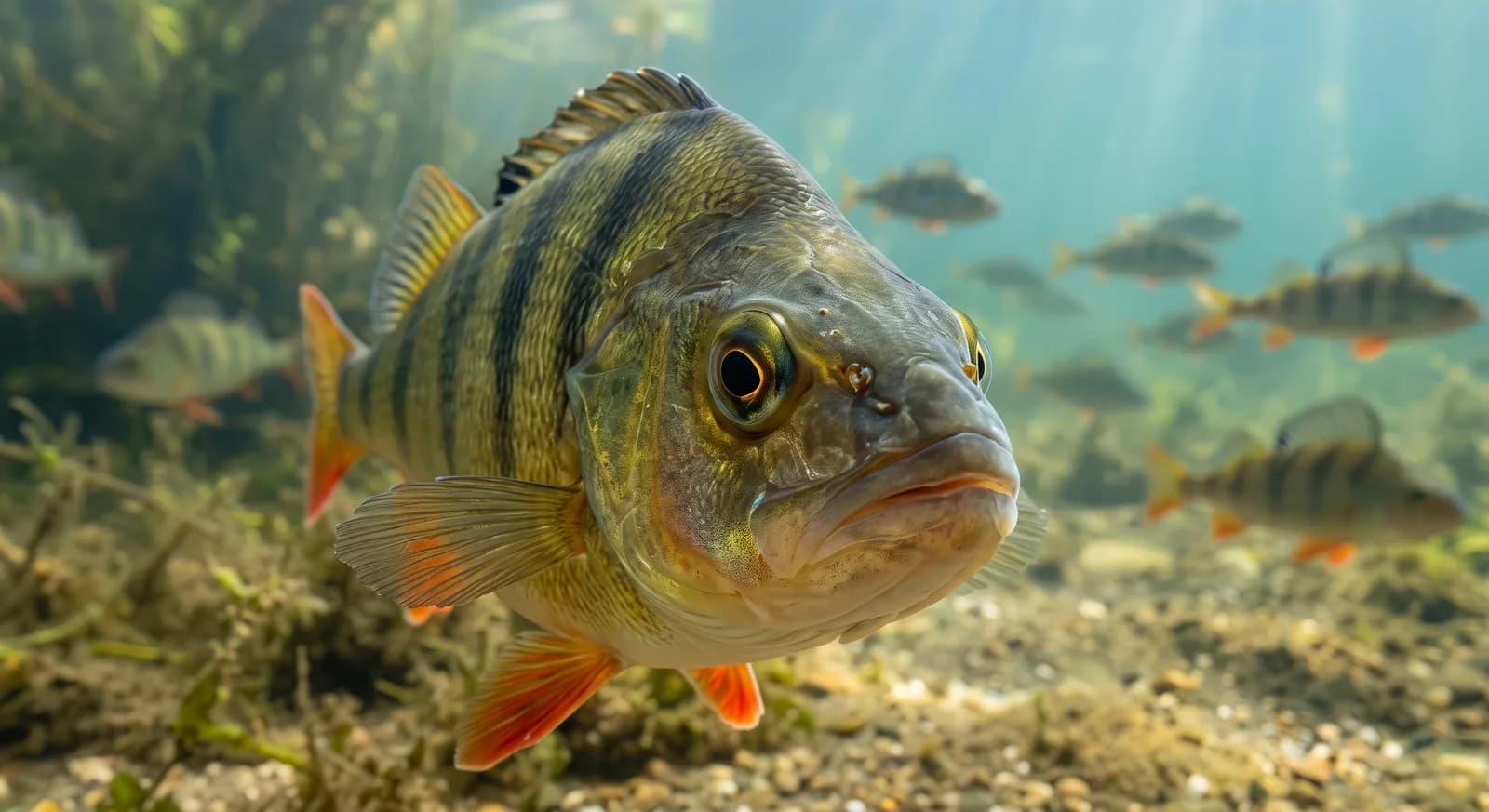
PerchLeast Concern

Perch

Perca fluviatilis

Vulnerable

Powan

Coregonus lavaretus

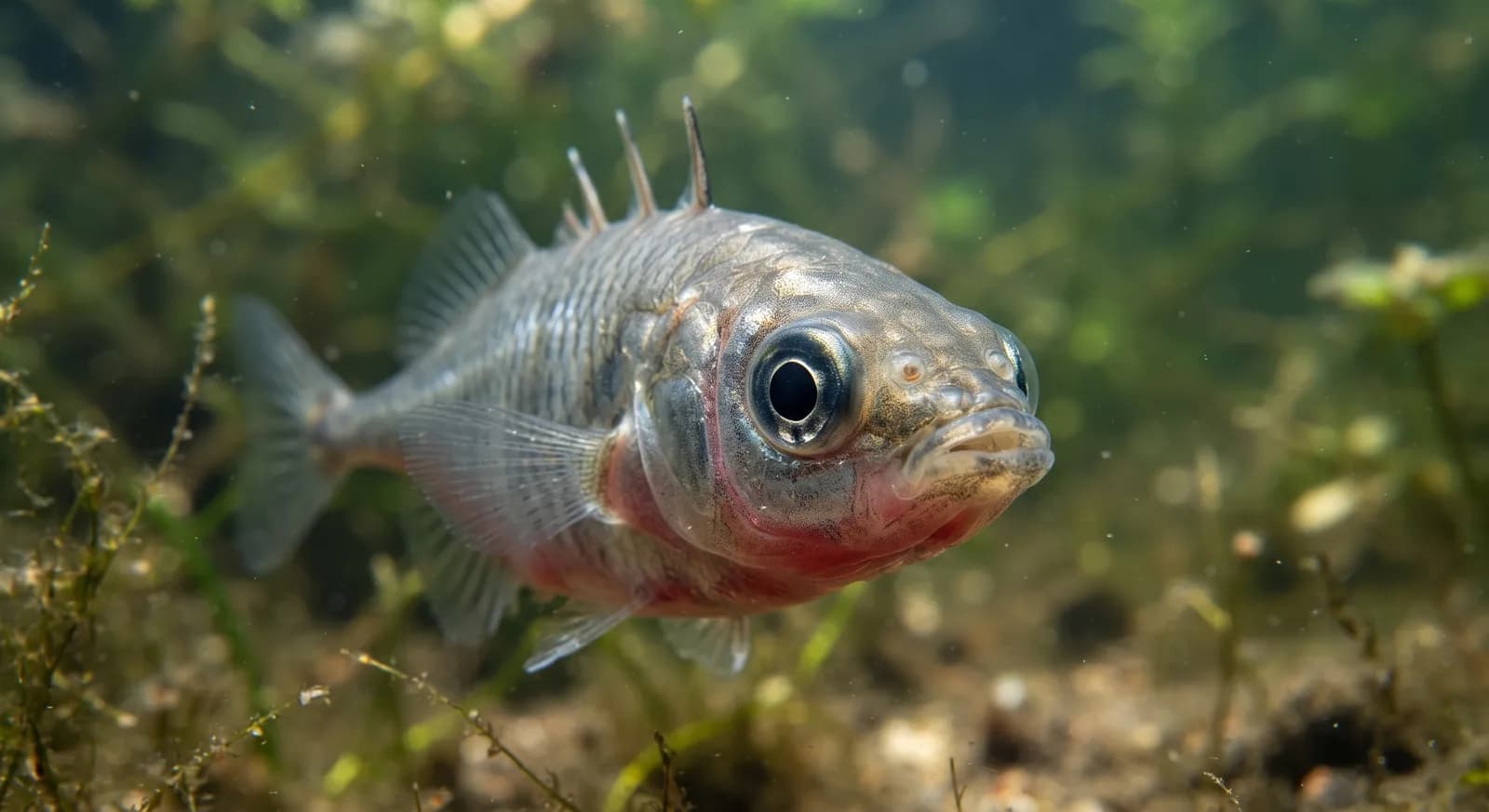
Three-spined SticklebackLeast Concern

Three-spined Stickleback

Gasterosteus aculeatus

Near Threatened

Iberian Straight-Mouth Nase

Pseudochondrostoma polylepis

CountriesSpain
ParksLake DistrictUnited Kingdom
TagsOmnivore
Omnivore
Diurnal
In schools
Fish
Freshwater

Europe40

Asia5

North America1

Spain
Germany
France
Poland
Finland
Hungary
Albania
Andorra
Austria
Belarus
Belgium
Bosnia and Herzegovina
Bulgaria
Croatia
Czechia
Denmark
Estonia
Finland
France
Germany
Greece
Hungary
Ireland
Italy
Kosovo
Latvia
Liechtenstein
Lithuania
Luxembourg
Moldova
Montenegro
Netherlands
North Macedonia
Norway
Poland
Portugal
Romania
San Marino
Serbia
Slovakia
Slovenia
Spain
Sweden
Switzerland
Ukraine
United Kingdom
Armenia
Azerbaijan
Georgia
Russia
Türkiye
United States