Skip to content
WAnimals
  • Map
  • Species
  • Parks
  • Diving
Log inCreate account
WAnimals

The guide for travellers and animal lovers: discover, plan and share your wild adventures around the world.

Discover wildlife

  • Species
  • Ecosystems
  • Glossary
  • Tags

Explore places

  • Map
  • Countries
  • Parks
  • Diving

Plan experiences

  • Guides

Learn

  • Blog

Resources

  • Help centre
  • Contact
  • Install the app

Follow us

Account

  • Log in
  • Create account

© 2026 WAnimals. All rights reserved.

About usHow we build our profilesTerms of servicePrivacyLegal notice
MapSpeciesParksDiving
  1. Home
  2. Species
  3. Wels
Wels (Silurus glanis)

Bony fish · Siluriformes · Siluridae

Wels

Silurus glanis

Least Concern

The species is abundant and widely distributed; it faces no significant short-term risk.

Spotted something wrong?

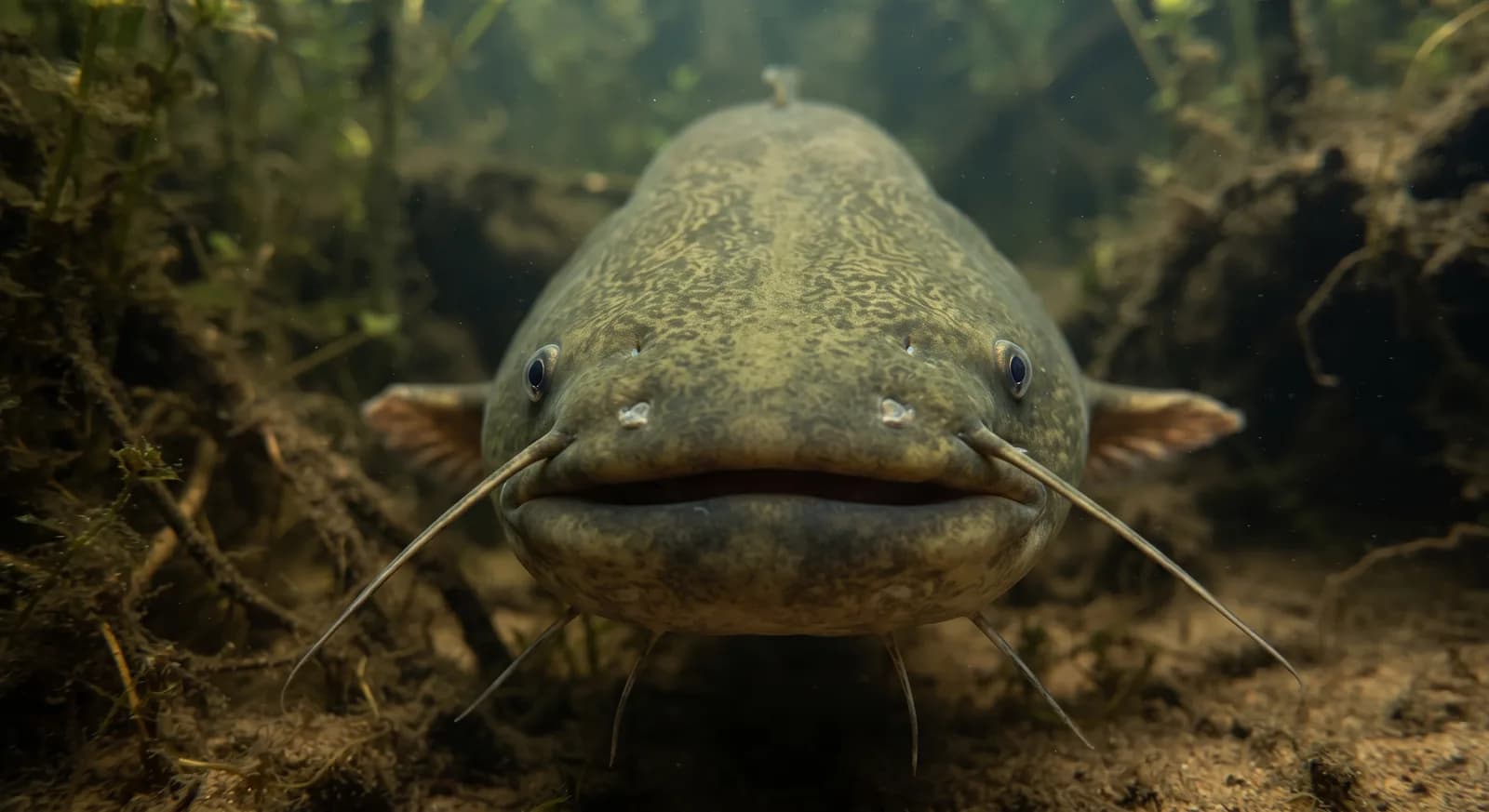
It is arguably the largest freshwater fish in Europe, outsizing even the sturgeon on some comparisons.

Weight

up to 130 kg

Size

up to 3 m

Life expectancy

20 years
Diet

Carnivore

Feeds mainly on other animals.

Activity

Nocturnal

Active mainly at night.

Social structure

Solitary

Lives and hunts alone, joining others only to breed.

Sighting difficulty

Easy

Freshwater
47countries69parks1same family

AI-generated images: illustrations, not photographs.

Fun facts

  • The male builds and defends a nest, guarding the eggs until they hatch, a behaviour uncommon among large predatory fish.
  • It eats fish, crayfish, amphibians and occasionally birds or small mammals.
  • It lives in large rivers, lakes and deep water near dams in eastern Europe and Asia.

Life cycle and biology

Skeleton type
Vertebrate - bony skeleton (fish)
Habitat and environment
Large rivers, lakes and deep water near dams in eastern Europe and Asia, widely introduced to western Europe
Birth weight
Larva ~7-8.5 mm long on hatching
Size at birth
7 - 8.5 mm long at hatching
Sexual maturity
Male: 2-3 years | Female: 3-6 years
Gestation / incubation
2-10 days (50 hours at 24 °C usually given)
Litter / clutch size
Up to 30,000 eggs per kilogram of female body weight

Sources consulted: Animal Diversity Web; USGS NAS Species Profile; Seriously Fish; MISIN; A-Z Animals; FishBase; Farnham Angling Society; Fishipedia; Bill Outtes

Where to find it

Loading map…

Where to see it

Parks and dive sites where this species has been documented — showing 10 of 69.

Related species

Other species in the catalogue with the most in common with Wels — same habitat, park, country, tags or family.

Shares a park
Shares a park
Shares a park
Shares a park
Shares a park
Shares a park

Keep exploring

Based on what we already know about wels.

Comments

Share an experience, a fun fact or a tip for seeing the wels.

Be the first to comment.

See full glossary
This page in other languages: Español · Deutsch · Français · Português · Italiano

The pins mark the parks where its presence is documented.

See its range on the interactive map→
TriglavSlovenia
Mount OlympusGreece
PlitviceCroatia
DurmitorMontenegro
RetezatRomania
BiałowieżaPoland
Danube DeltaRomania
TatraPoland
LahemaaEstonia
Sutjeska National ParkBosnia and Herzegovina
See all 69 parks
Least Concern

American Bullfrog

Lithobates catesbeianus

Least Concern

Common Tree Frog

Hyla arborea

Great Crested NewtLeast Concern

Great Crested Newt

Triturus cristatus

Least Concern

Smooth Newt

Lissotriton vulgaris

Least Concern

Sharp-ribbed Salamander

Pleurodeles waltl

Sea LampreyLeast Concern

Sea Lamprey

Petromyzon marinus

CountriesPoland
ParksTriglavSlovenia
TagsCarnivore
Carnivore
Nocturnal
Solitary
Fish
Freshwater
PolandHungaryBulgariaGreeceRomaniaTürkiye

Europe40

AlbaniaAndorraAustriaBelarusBelgiumBosnia and HerzegovinaBulgariaCroatiaCzechiaDenmarkEstoniaFinlandFranceGermanyGreeceHungaryIrelandItalyKosovoLatviaLiechtensteinLithuaniaLuxembourgMoldovaMontenegroNetherlandsNorth MacedoniaNorwayPolandPortugalRomaniaSan MarinoSerbiaSlovakiaSloveniaSpainSwedenSwitzerlandUkraineUnited Kingdom

Asia7

ArmeniaAzerbaijanGeorgiaIraqRussiaTürkiyeUzbekistan