One of the 10 pigeons on WAnimals
Birds · Columbiformes · Columbidae
Common Wood Pigeon
Columba palumbus
The species is abundant and widely distributed; it faces no significant short-term risk. See full glossary
Like other pigeons, it feeds its young on crop milk, a nutrient-rich secretion produced by the crop lining of both parents.
Weight
300 g – 615 g
Size
38 cm – 45 cm
Lifespan
3 years
Diet
Herbivore
Feeds mainly on plants.
Activity
Diurnal
Active mainly during the day.
Social structure
Solitary
Lives and hunts alone, joining others only to breed.
Sighting difficulty
Easy
Fun facts
- It is the most commonly shot bird in the United Kingdom, being regarded as an agricultural pest.
- It eats leaves, shoots, flowers, seeds and berries, plus the occasional invertebrate.
- One bird reached a record 17.7 years.
Life cycle & biology
- Skeleton type
- Vertebrate - pneumatised bony skeleton (bird)
- Habitat & environment
- Woodland, farmland, parks and town gardens across much of western and central Europe, east to western Siberia
- Birth weight
- Weight at hatching not found as a precise figure
- Size at birth
- Born blind and naked, fed on crop milk regurgitated by both parents
- Sexual maturity
- 1 year
- Gestation / incubation
- 16-27 days (usual reference 17-19 days)
- Litter / clutch size
- 1 to 3 eggs per clutch (2 most often), with up to 2 broods a year
- Lifespan in captivity
- Documented record of up to 17.7 years in a ringed bird in the wild
Sources consulted: Bird Spot; Birdfact; AnAge (genomics.senescence.info); Garden Wildlife Direct; iNaturalist; Bilderreich; Omlet
Where to find it
See its range on the interactive mapBest time: All year round; in winter it forms very large flocks in dehesas and cereal fields.
Where to watch it
Parques y spots de buceo donde se ha documentado esta especie — se muestran 10 de 242 documentados.
Related species
Other species in the catalogue with the most in common with Common Wood Pigeon — same habitat, park, country, tags or family.
Eurasian Collared Dove
Streptopelia decaocto
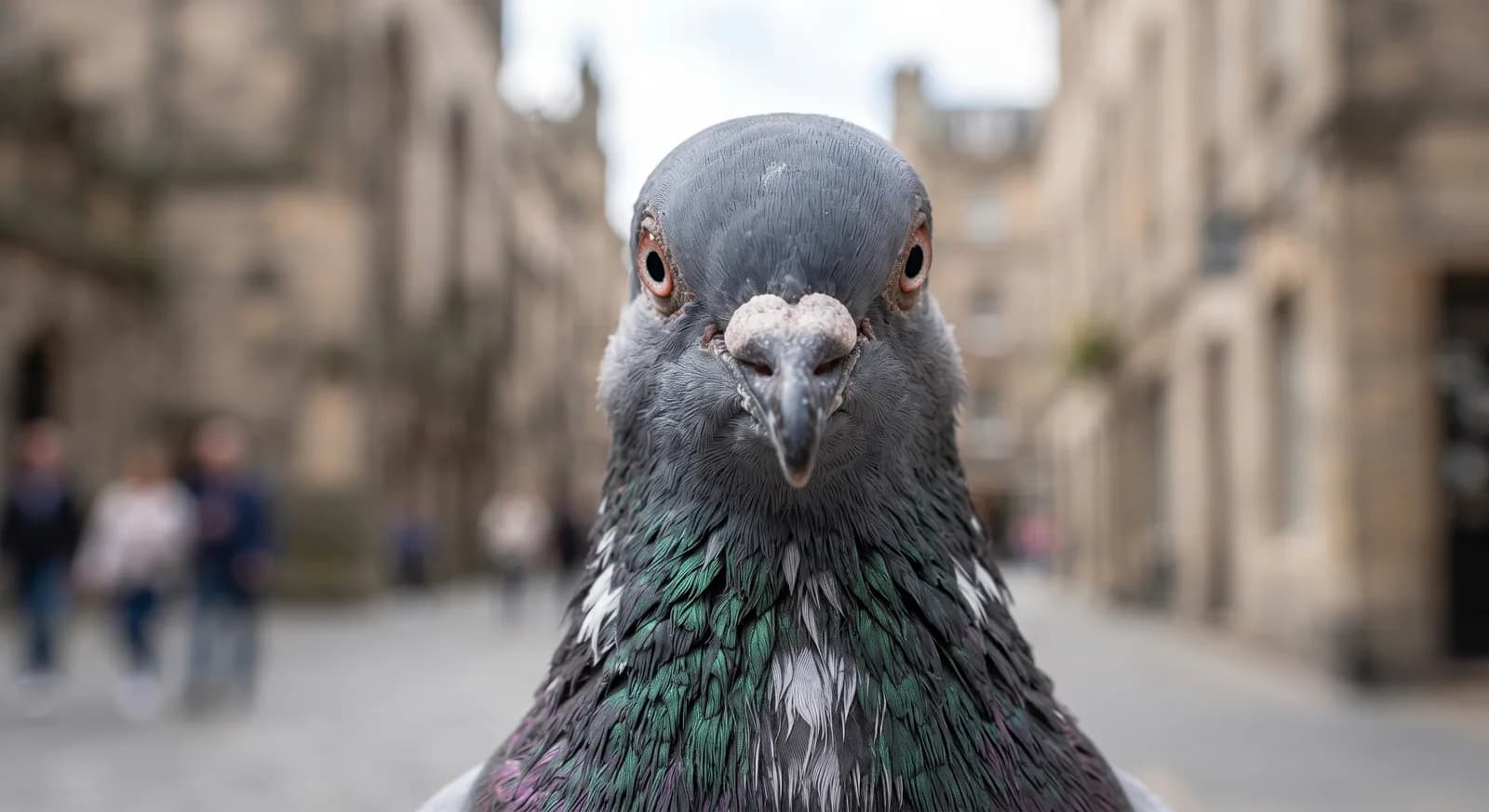 Least Concern
Rock Pigeon
Columba livia
Canada Goose
Branta canadensis
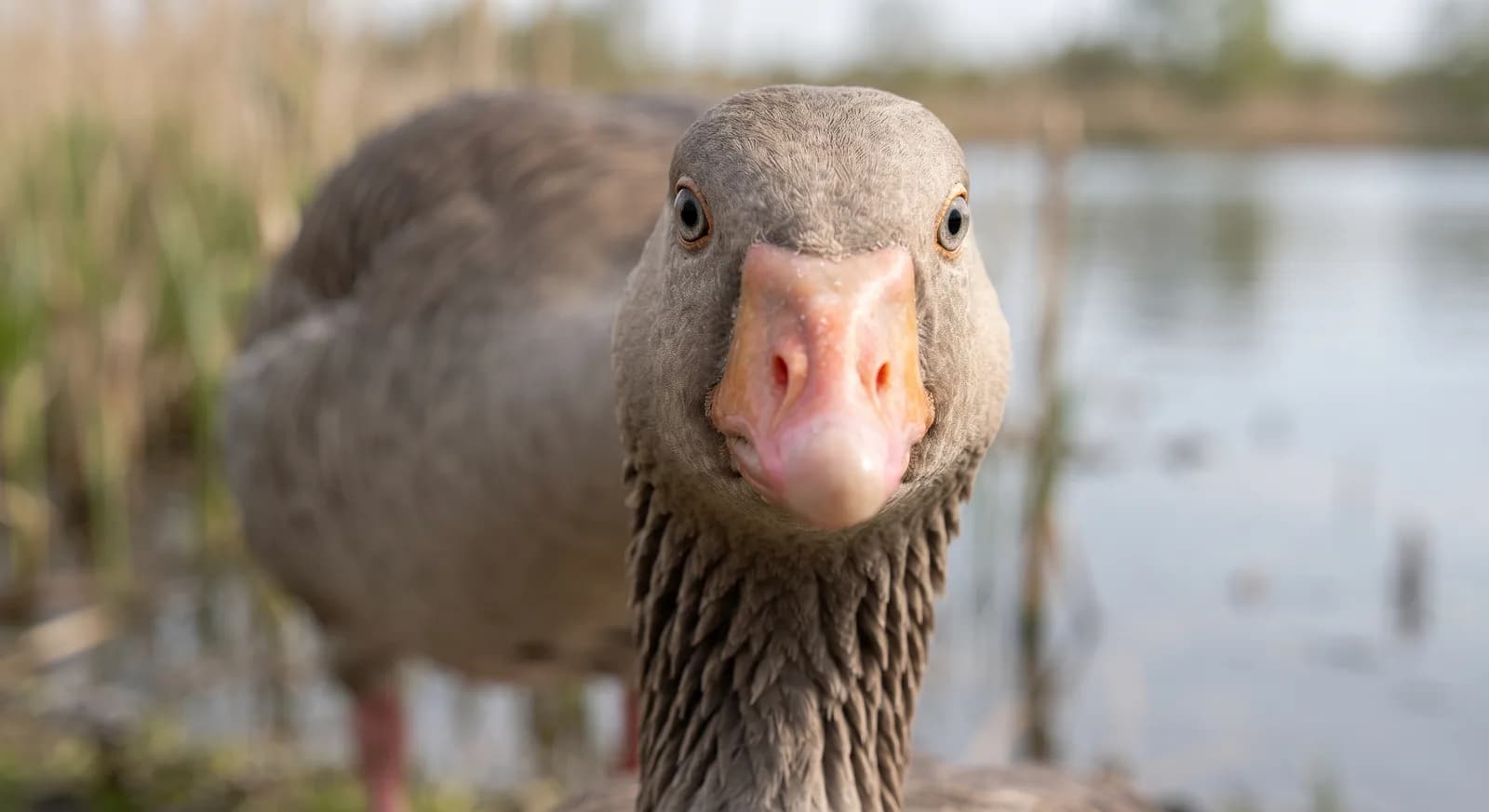 Least Concern
Greylag Goose
Anser anser
Western Capercaillie
Tetrao urogallus
Black-bellied Sandgrouse
Pterocles orientalis
Keep exploring
Based on what we already know about common wood pigeon.
Comments
Share an experience, a fun fact or a tip for seeing the common wood pigeon.
Be the first to comment.