One of the 5 warblers on WAnimals
Birds · Passeriformes · Sylviidae
Eurasian Blackcap
Sylvia atricapilla
The species is abundant and widely distributed; it faces no significant short-term risk. See full glossary
A compact, sturdy warbler in sober grey tones, without the white outer tail feathers or white throat of other Sylvia warblers. Its identity card is the cap: black in the male, chestnut in the female and in young birds, and always shaped like a beret that stops short of the eye line.
Weight
14 g – 20 g
Size
13 cm – 15 cm
Lifespan
5 years
Diet
Omnivore
Combines animal and plant food depending on availability.
Activity
Diurnal
Active mainly during the day.
Social structure
In pairs
Usually lives in pairs, sometimes for life.
Sighting difficulty
Easy
Estimated population
The world population is estimated at some 150 million individuals (BirdLife International); the European one, at between 17 and 42 million breeding pairs
Fun facts
- The male puts up several half-built nests, and it is the female who chooses which of them gets finished.
- It changes diet with the season: insectivorous in spring and summer, in autumn and winter it eats large quantities of blackberries, figs, mastic and wild olive, and acts as a seed disperser.
- It colonised the Canary Islands and Madeira during the last glaciation, and its island populations have an impoverished community of blood parasites compared with mainland ones.
Life cycle & biology
- Skeleton type
- Vertebrate - internal bony skeleton (bird)
- Habitat & environment
- A woodland species of cool, damp settings. It is most abundant in riverside groves, oak woods and holm-oak woods with dense understorey and clearings. Also pine woods, parks and gardens. In the Canary Islands it occupies the lower edge of the laurel forest
- Size at birth
- The chicks hatch naked
- Gestation / incubation
- 11-12 days, with both parents incubating. The chicks fledge at 8-14 days
- Litter / clutch size
- 2-7 eggs (usually 4-6), pinkish white with variable speckling, with two clutches a year between April and July. The male builds several rudimentary nests and the female chooses and finishes one
Sources consulted: SEO/BirdLife (ficha y III Atlas de las aves en época de reproducción en España); IUCN Red List; Asturnatura; Pérez-Tris y Remacha 2022, III Atlas; Carbonell y Tellería 1998, Ardeola 45; Aymí et al. 2020; Pérez-Tris et al. (parásitos sanguíneos en poblaciones macaronésicas)
Where to find it
See its range on the interactive mapBest time: All year round; in winter it is easier to see because birds arrive from central Europe
Where to watch it
Parques y spots de buceo donde se ha documentado esta especie — se muestran 10 de 261 documentados.
Related species
Other species in the catalogue with the most in common with Eurasian Blackcap — same habitat, park, country, tags or family.
Sardinian Warbler
Curruca melanocephala
Common Whitethroat
Curruca communis
Dartford Warbler
Curruca undata
 Least Concern
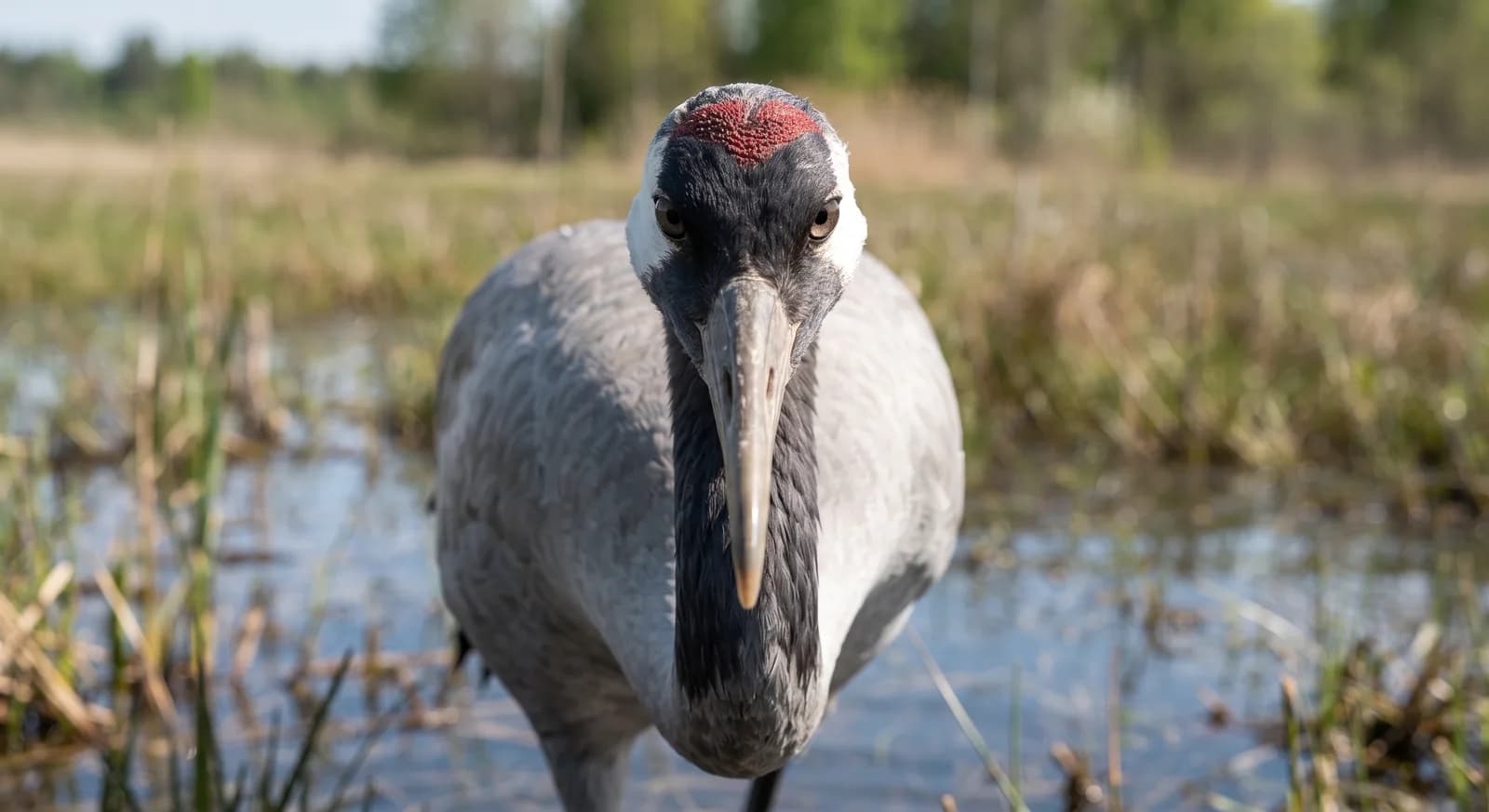
Common Crane
Grus grus
Common Moorhen
Gallinula chloropus
 Least Concern
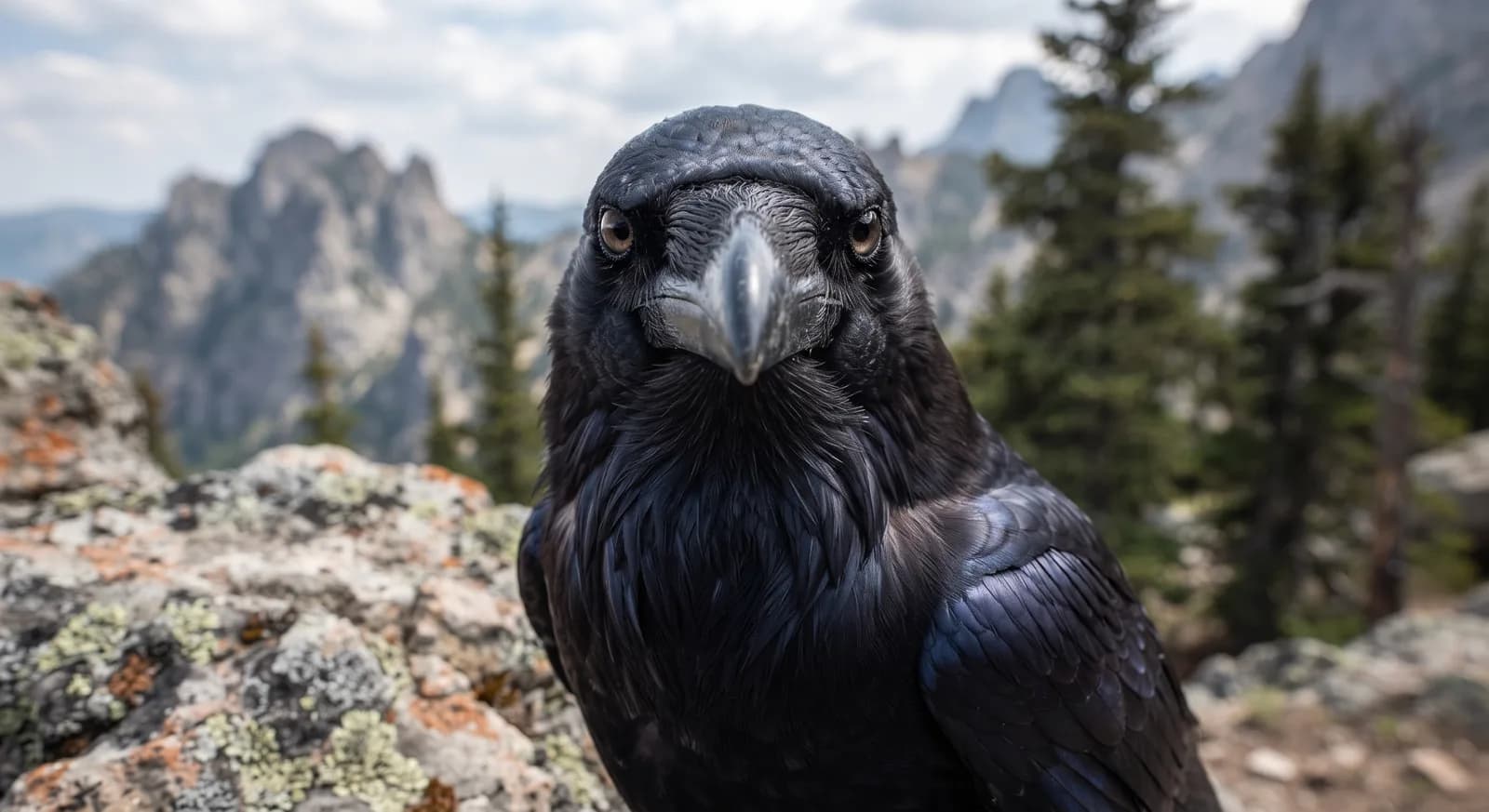
Common Raven
Corvus corax
Keep exploring
Based on what we already know about eurasian blackcap.
Comments
Share an experience, a fun fact or a tip for seeing the eurasian blackcap.
Be the first to comment.