Insects · Lepidoptera · Riodinidae
Duke of Burgundy Fritillary
Hamearis lucina
It has not yet been assessed against the IUCN criteria. See full glossary
A small brown butterfly with a chequerboard of orange spots, the only European member of the family Riodinidae, which is highly diverse in the Neotropics. Its caterpillar feeds exclusively on primroses and cowslips.
Size
up to 3.4 cm
Diet
Herbivore
Feeds mainly on plants.
Activity
Diurnal
Active mainly during the day.
Social structure
Solitary
Lives and hunts alone, joining others only to breed.
Sighting difficulty
Unknown
Fun facts
- It is the only European species of a family with more than fourteen hundred species in tropical America: an isolated relic on this continent.
- It needs woodland clearings at a particular point in the succession, neither too open nor too closed, and the abandonment of traditional woodland management has driven it out of much of its European range.
- The males, fiercely territorial, perch in the sun and chase off any insect that enters their patch.
- It is the only European species of its family, the riodinids, a group of more than a thousand species almost all concentrated in the American tropics. In Europe it is a taxonomic rarity.
- Its caterpillar depends on cowslips and oxlips, and it needs plants growing in woodland clearings with partial shade: if the clearing closes over or opens up too much, the plant no longer serves it.
- That narrow requirement explains its decline: the species has vanished from much of its range in the United Kingdom and other countries, not for lack of food plants but through the abandonment of the traditional woodland practices that created clearings.
- Males perch with their wings open on low vegetation and defend small territories in the sunny clearings.
Life cycle & biology
- Skeleton type
- Invertebrate - chitin exoskeleton (insect)
- Habitat & environment
- Woodland clearings and edges and limestone meadows with primroses
Sources consulted: Butterfly Conservation (Reino Unido); Tolman y Lewington; Thomas y Lewington, The Butterflies of Britain and Ireland
Where to find it
See its range on the interactive mapBest time: May and June, in woodland clearings with primroses
Where to watch it
Parques y spots de buceo donde se ha documentado esta especie — se muestran 20 de 86 documentados.
Related species
Other species in the catalogue with the most in common with Duke of Burgundy Fritillary — same habitat, park, country, tags or family.
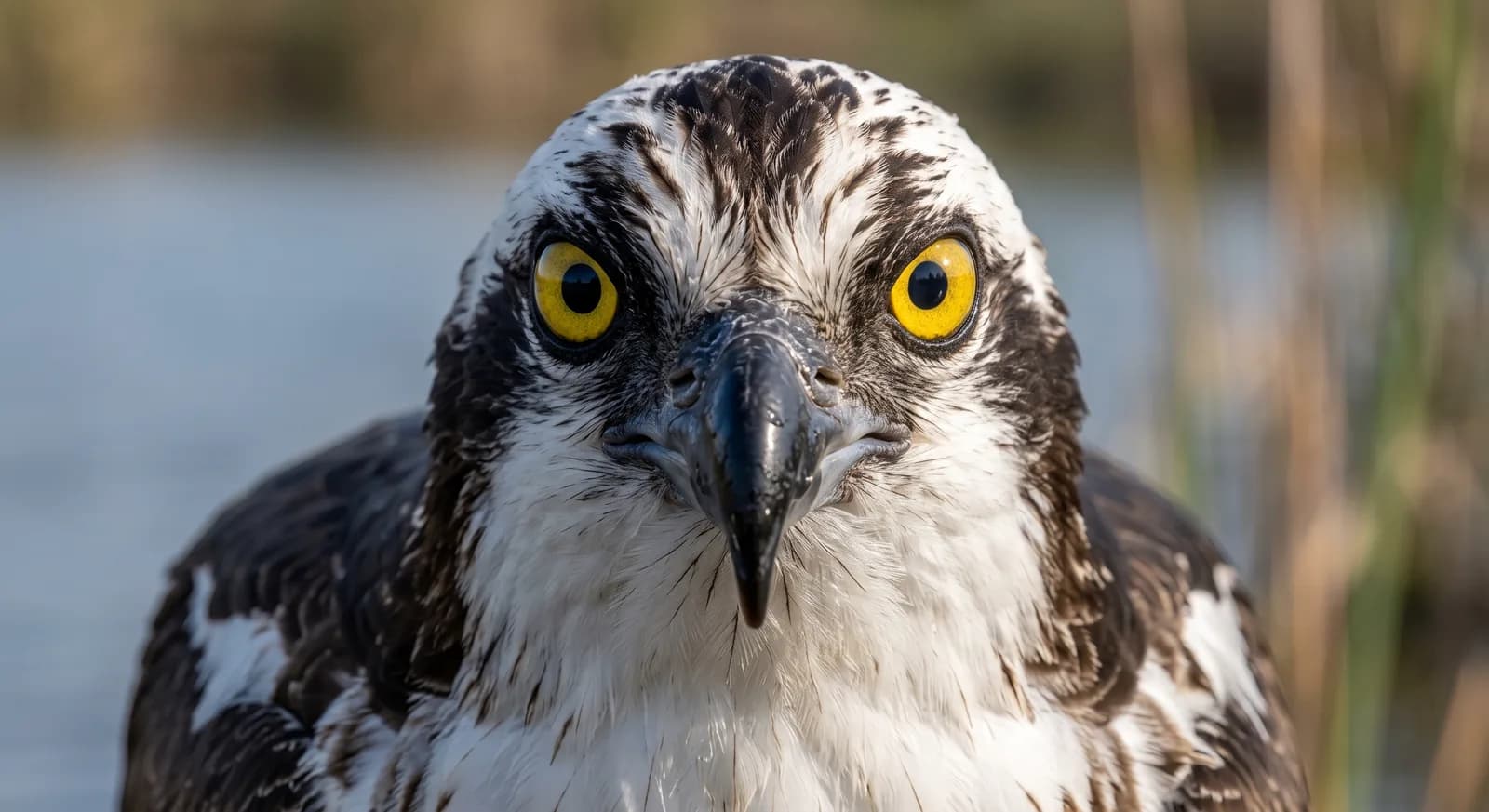 Least Concern
Osprey
Pandion haliaetus
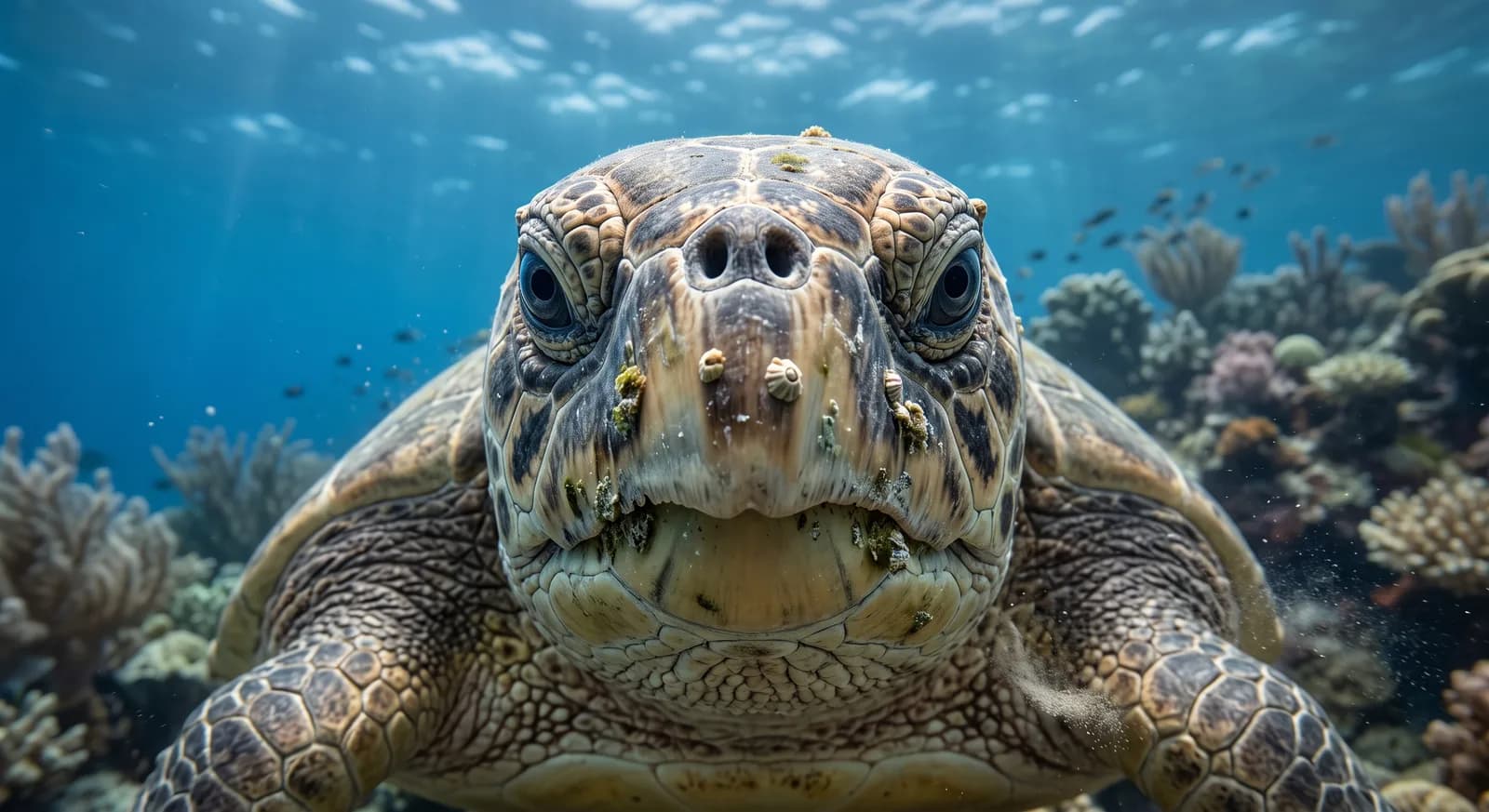 Vulnerable
Loggerhead Turtle
Caretta caretta
Greater Pipefish
Syngnathus acus
Blue Marlin
Makaira nigricans
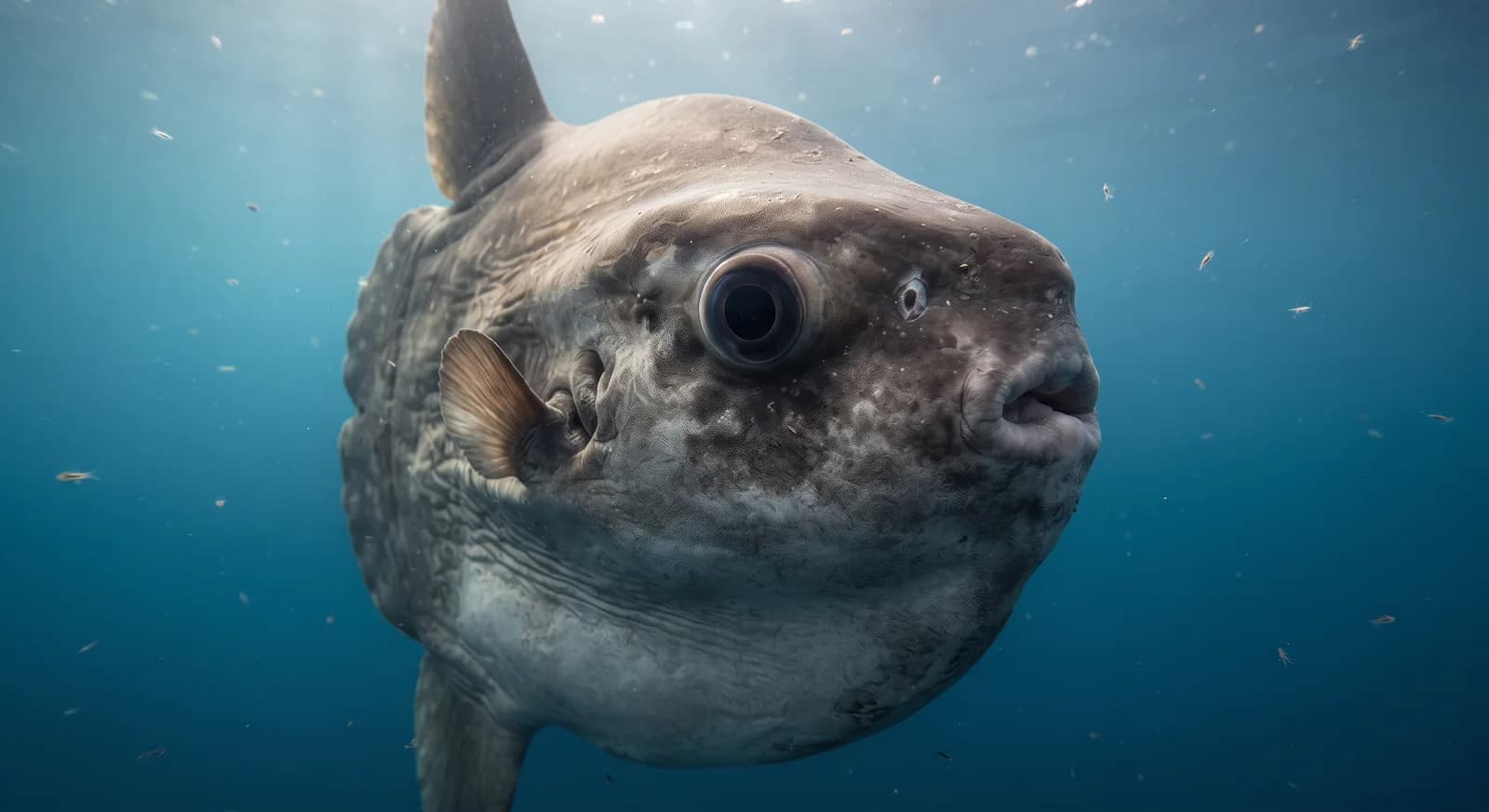 Vulnerable
Ocean Sunfish
Mola mola
Blue Crab
Callinectes sapidus
Keep exploring
Based on what we already know about duke of burgundy fritillary.
Comments
Share an experience, a fun fact or a tip for seeing the duke of burgundy fritillary.
Be the first to comment.