Birds · Anseriformes · Anatidae
Eurasian Wigeon
Mareca penelope
The species is abundant and widely distributed; it faces no significant short-term risk. See full glossary
A medium-sized duck of compact appearance, with a short neck, a pointed tail and a small greyish bill. The male in breeding plumage has a chestnut head and neck with a creamy yellow forehead and crown, a pink breast and a finely vermiculated grey back.
Weight
500 g – 1.1 kg
Size
42 cm – 52 cm
Diet
Herbivore
Feeds mainly on plants.
Activity
Diurnal
Active mainly during the day.
Sighting difficulty
Easy
Estimated population
Between 2.8 and 3.3 million individuals worldwide, declining. The European population totals 469,000-645,000 pairs, equivalent to 937,000-1,290,000 mature birds
Fun facts
- GeneralIts shrill whistle is one of the characteristic sounds of the winter marshes.
- It is a monotypic species: no subspecies are recognised across its enormous Palearctic range.
- It does not breed in Spain: the birds that arrive come from Iceland, the British Isles and the coasts of the North Sea and the Baltic.
- It owes its name to the male's high, musical whistle, very different from the typical quacking of the dabbling ducks.
- The 2021 Red Book of the Birds of Spain classifies it as Near Threatened because of its declining population trend, even though in Spain it occurs only as a winter visitor.
Life cycle & biology
- Skeleton type
- Vertebrate - internal bony skeleton (bird)
- Habitat & environment
- Tundra when breeding; saltmarsh and flooded meadows in winter
- Size at birth
- Precocial chicks, able to feed themselves within hours of hatching, which complete their development in 40-45 days
- Sexual maturity
- Between one and two years
- Gestation / incubation
- 24-25 days of incubation, with the whole clutch hatching at once
- Litter / clutch size
- 8-9 creamy eggs, which may reach 12
Sources consulted: SEO/BirdLife (ficha y III Atlas de las aves en época de reproducción en España); IUCN Red List; Asturnatura; Lista Roja Europea de Aves; Del Hoyo et al. 1992, Handbook of the Birds of the World; Carboneras et al. 2020, Birds of the World
Where to find it
See its range on the interactive mapBest time: From September to March, when it arrives at the Spanish wetlands
Where to watch it
Parques y spots de buceo donde se ha documentado esta especie — se muestran 10 de 109 documentados.
Related species
Other species in the catalogue with the most in common with Eurasian Wigeon — same habitat, park, country, tags or family.
Gadwall
Mareca strepera
Whooper Swan
Cygnus cygnus
Canada Goose
Branta canadensis
Red-crested Pochard
Netta rufina
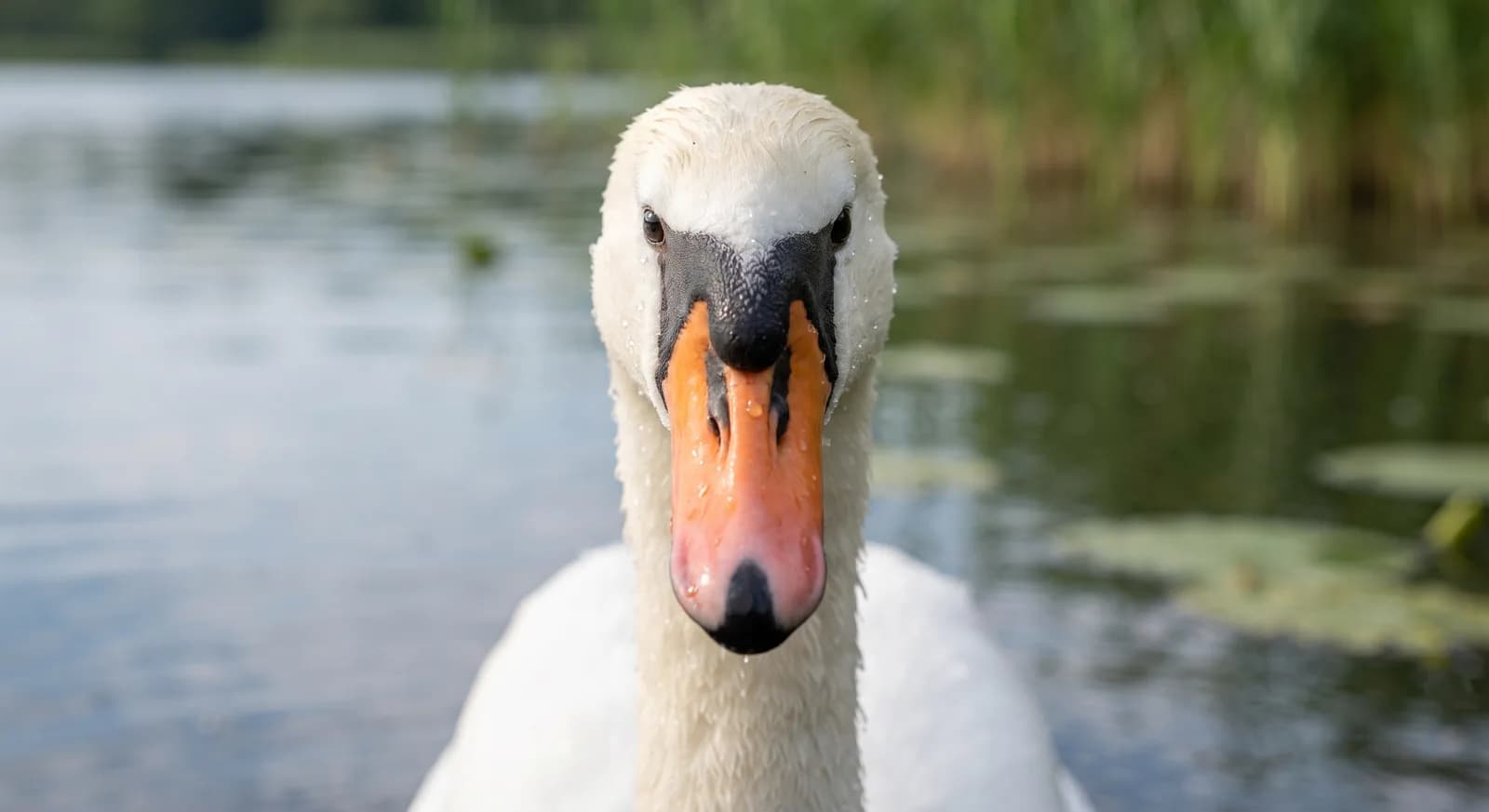 Least Concern
Mute Swan
Cygnus olor
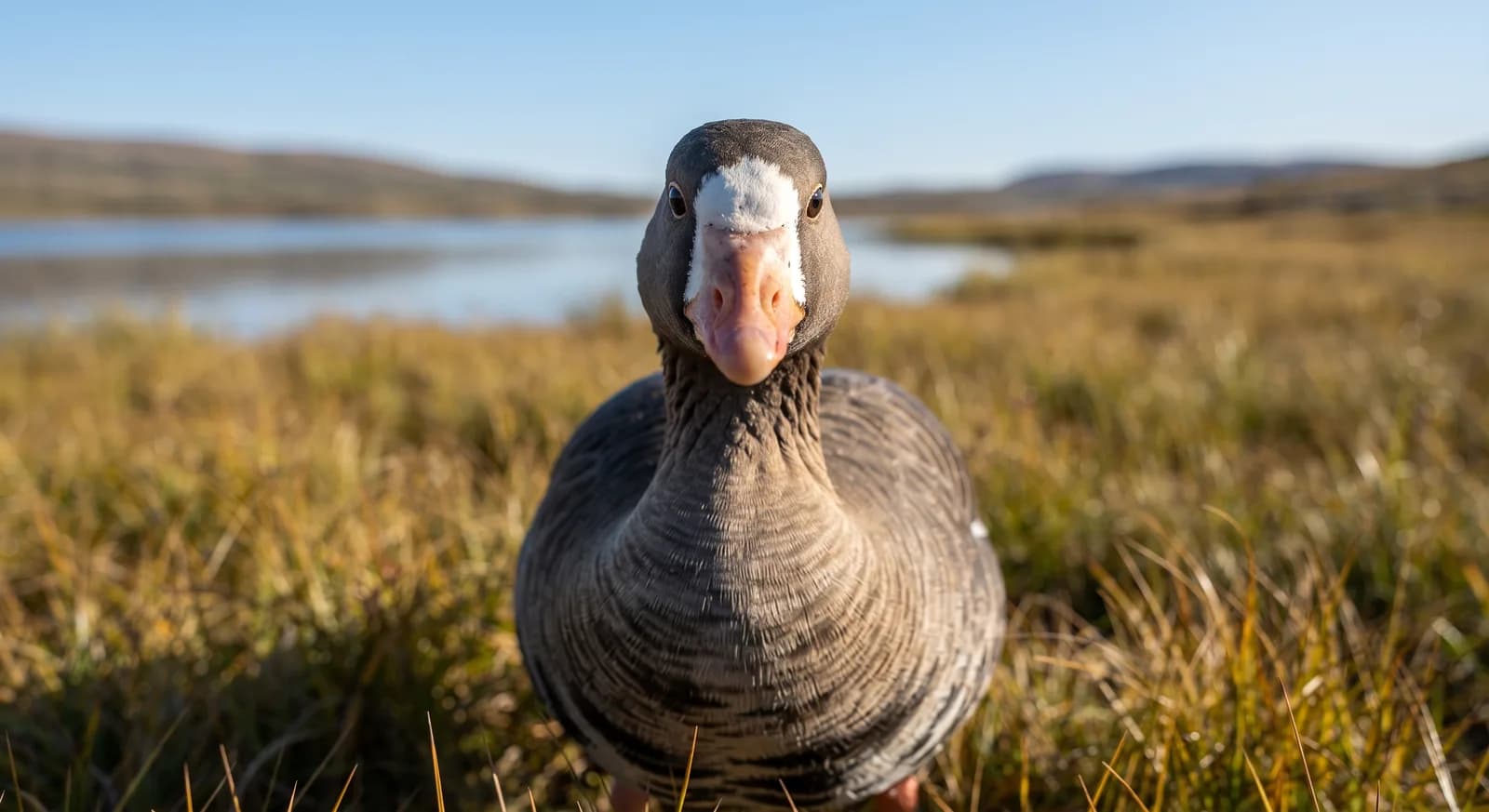 Least Concern
Greater White-fronted Goose
Anser albifrons
Keep exploring
Based on what we already know about eurasian wigeon.
Comments
Share an experience, a fun fact or a tip for seeing the eurasian wigeon.
Be the first to comment.