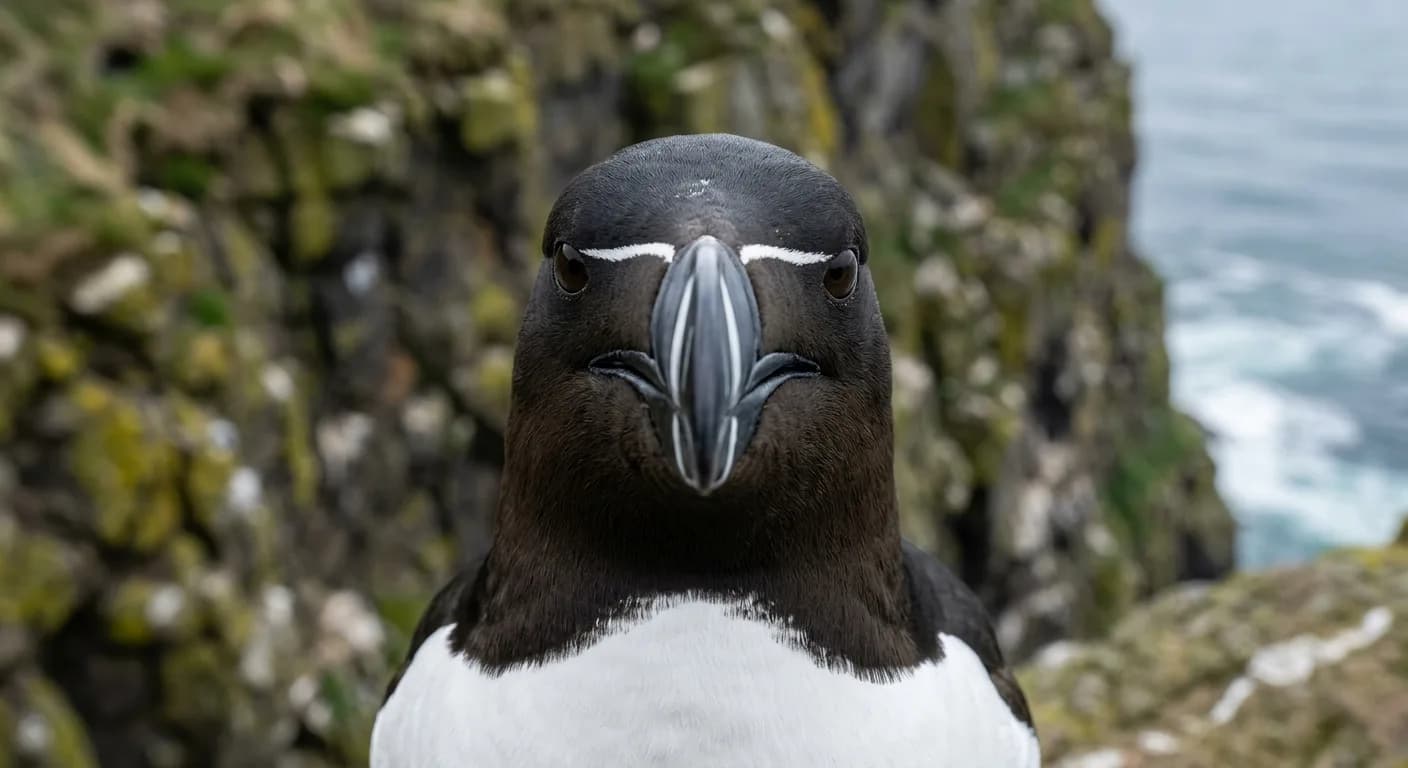
One of the 4 grebes on WAnimals
Birds · Podicipediformes · Podicipedidae
Podiceps nigricollis
The species is abundant and widely distributed; it faces no significant short-term risk.
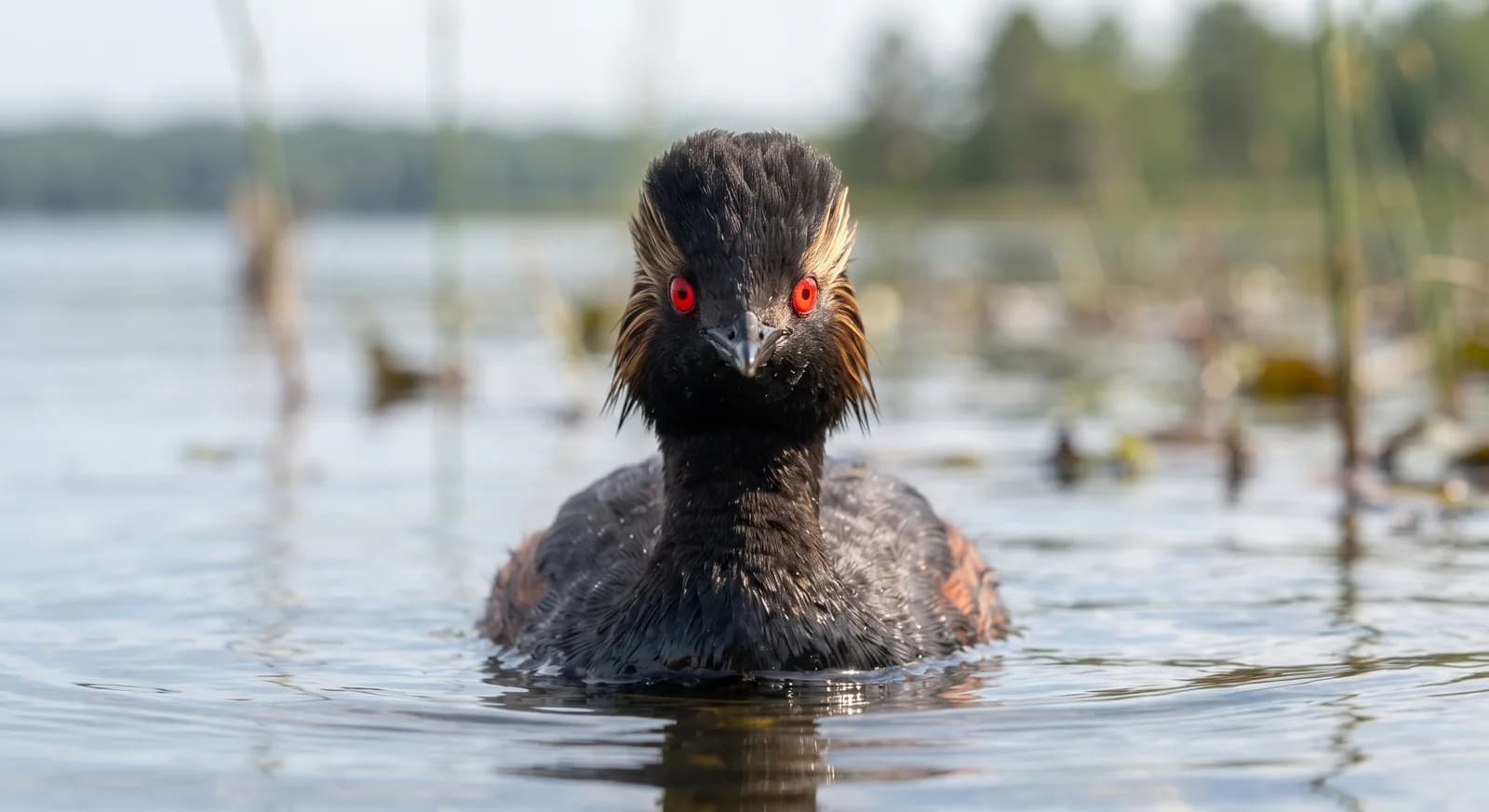
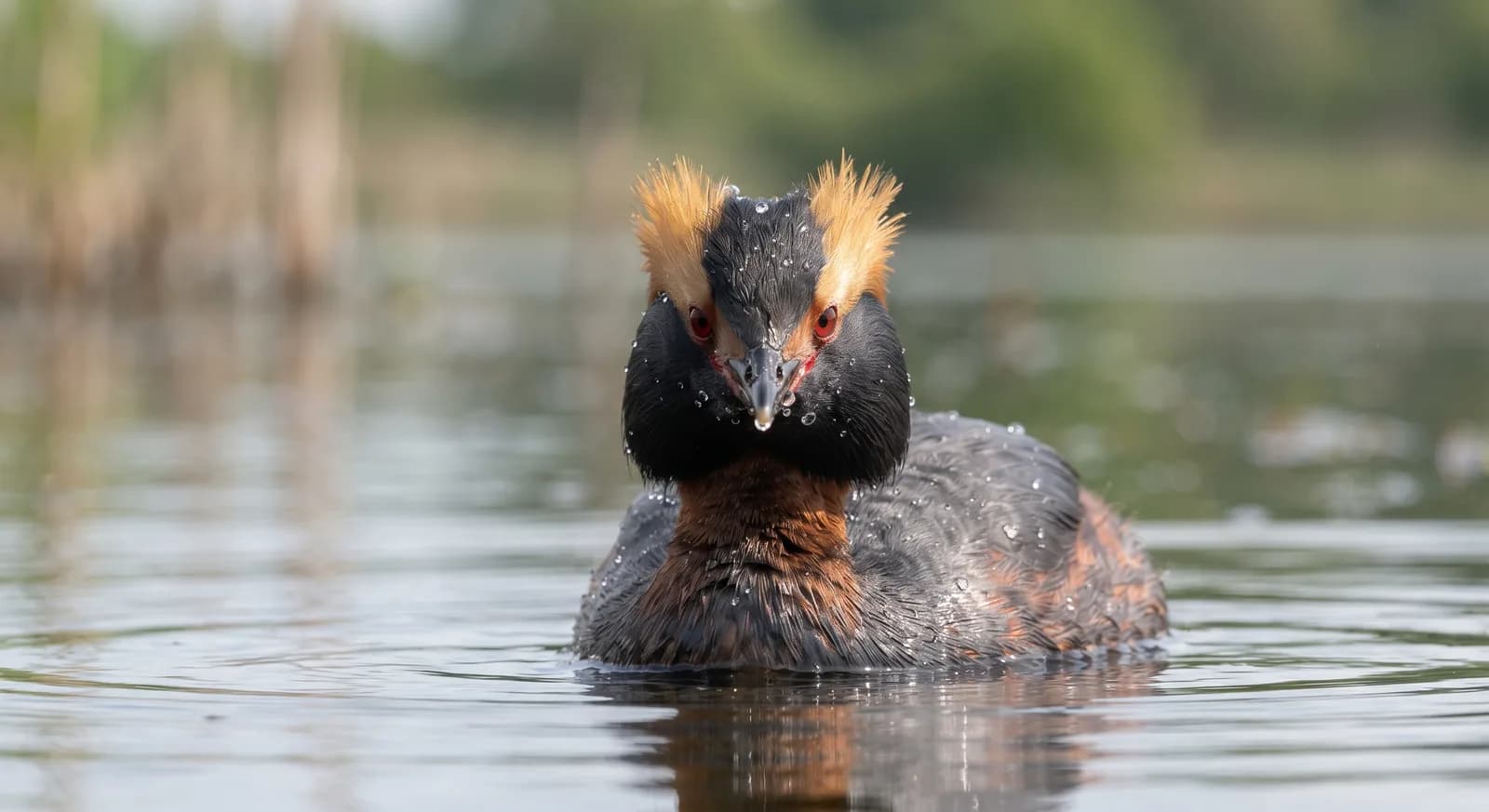
A small waterbird with intense red eyes and a fine, slightly upturned bill. In breeding plumage it has a black head and neck with two fanned tufts of golden feathers behind the eye; in winter it changes completely to greys and whites. Its toes are lobed, not webbed.
Weight
392 g on average
Size
28 cm – 34 cm
Diet
Carnivore
Feeds mainly on other animals.
Activity
Diurnal
Active mainly during the day.
Social structure
Colony
Lives in large concentrations, often for breeding reasons.
Estimated population
The European breeding population is put at between 71,100 and 116,000 pairs according to the 2021 European Red List of Birds, three quarters of them in Russia and Ukraine
AI-generated images: illustrations, not photographs.
Sources consulted: SEO/BirdLife (ficha y III Atlas de las aves en época de reproducción en España) · IUCN Red List · Asturnatura · Gordo et al. 2022, III Atlas · Lista Roja Europea de Aves 2021 · Llimona et al. en Madroño et al. 2004
Best time: All year round; breeding is concentrated between April and August and the winter brings birds from the north
Parks and dive sites where this species has been documented — showing 10 of 155.
Other species in the catalogue with the most in common with Black-necked Grebe — same habitat, park, country, tags or family.
Based on what we already know about black-necked grebe.
The pins mark the parks where its presence is documented.