One of the 6 squid on WAnimals
Cephalopods · Myopsida · Loliginidae
European Squid
Loligo vulgaris
It has not yet been assessed against the IUCN criteria. See full glossary
It is semelparous: it spawns once in its life and dies shortly afterwards, completing its whole life cycle in roughly a year.
Weight
1.3 kg – 2.3 kg
Size
0.3 cm – 64 cm
Lifespan
1 years
Diet
Carnivore
Feeds mainly on other animals.
Activity
Nocturnal
Active mainly at night.
Social structure
School
Gathers in coordinated schools, typical of fish.
Sighting difficulty
Unknown
Fun facts
- It completes its whole life cycle in roughly a year.
- It is one of the most commercially important squid in European fisheries.
- It is occasionally cannibalistic.
- defensaIt can eject ink in defence, which not only clouds the water but carries compounds that can interfere with a predator's sense of smell.
Life cycle & biology
- Skeleton type
- Invertebrate - no external skeleton, supported by an internal chitinous pen (gladius)
- Habitat & environment
- Coastal and continental-shelf waters of the north-eastern Atlantic and the Mediterranean, between 20 and 250 m deep
- Birth weight
- 0.28-0.358 cm of mantle length on hatching
- Size at birth
- 0.28-0.358 cm of mantle length on hatching
- Sexual maturity
- 9-10 months on average (varying geographically between 6 and 12 months)
- Gestation / incubation
- ~30 days of embryonic development
- Litter / clutch size
- 10,000 to 42,000 eggs per clutch
Sources consulted: SeaLifeBase; Cambridge Core (age and growth study); University of Lisbon (ResearchPortal); ScienceDirect (population structure study); Animal Kingdom; Grokipedia (European squid)
Where to find it
See its range on the interactive mapWhere to watch it
Parques y spots de buceo donde se ha documentado esta especie — se muestran 20 de 127 documentados.
Related species
Other species in the catalogue with the most in common with European Squid — same habitat, park, country, tags or family.
Smooth-hound
Mustelus mustelus
Atlantic Bobtail Squid
Sepiola atlantica
Spurdog
Squalus acanthias
Bluntnose Sixgill Shark
Hexanchus griseus
 Critically Endangered
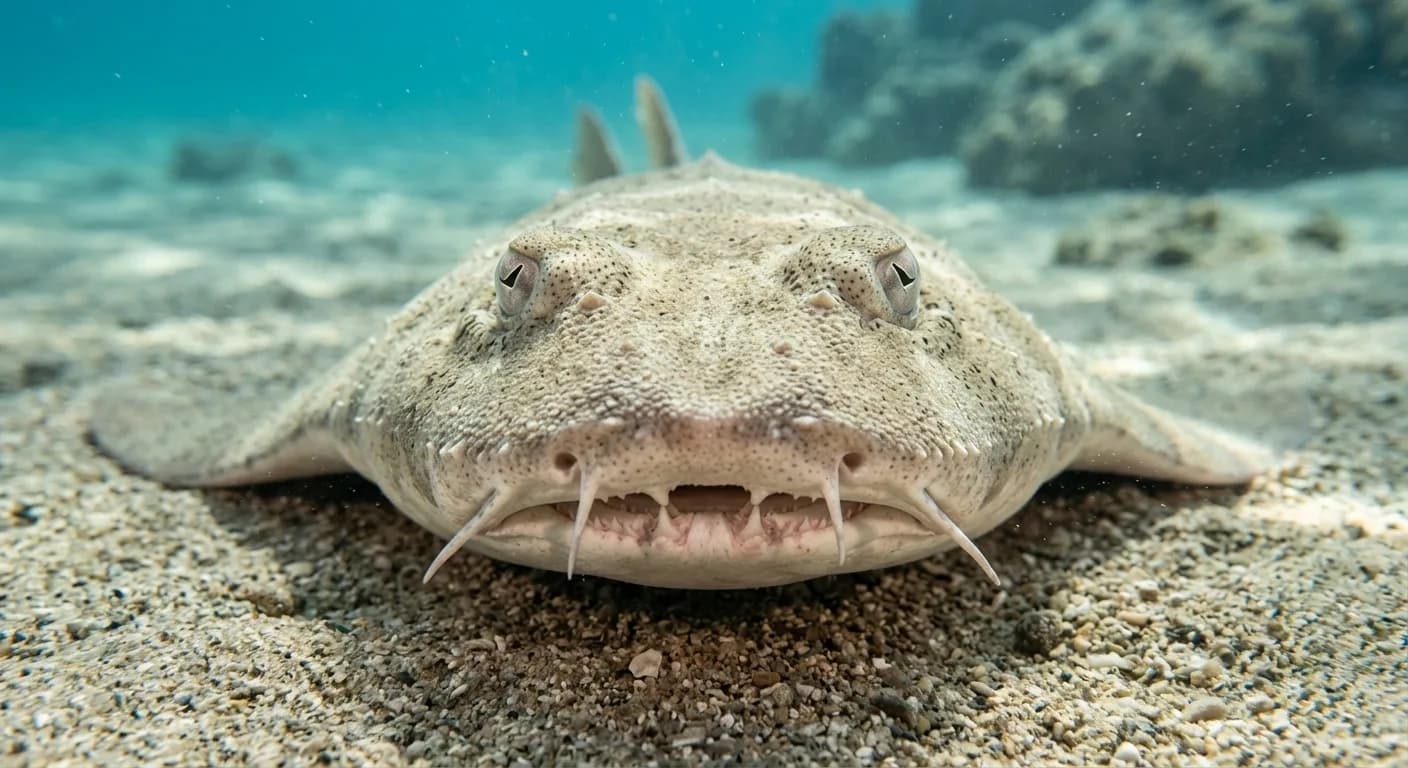
Angelshark
Squatina squatina
Thornback Ray
Raja clavata
Keep exploring
Based on what we already know about european squid.
Comments
Share an experience, a fun fact or a tip for seeing the european squid.
Be the first to comment.