One of the 3 wagtails on WAnimals
Birds · Passeriformes · Motacillidae
White Wagtail
Motacilla alba
The species is abundant and widely distributed; it faces no significant short-term risk. See full glossary
A slender bird with a very long tail that it wags without pause, with a white face mask, a black throat and breast and a grey back. It walks with quick steps rather than hopping, and is as much at home on a city pavement as on a riverbank.
Weight
16 g – 27 g
Size
16 cm – 19 cm
Lifespan
5 years
Diet
Insectivore
Feeds mainly on insects and other invertebrates.
Activity
Diurnal
Active mainly during the day.
Social structure
In pairs
Usually lives in pairs, sometimes for life.
Sighting difficulty
Easy
Estimated population
Between 13 and 26 million breeding pairs in Europe according to BirdLife International (2004), equivalent to between 39 and 78 million individuals
Fun facts
- It associates with livestock to take the larvae of the insects that lay their eggs in the dung.
- It is one of the regular hosts of the common cuckoo in central Europe.
- Its taxonomy has been under discussion for decades: in 1998 it was proposed to split it into seven species, a proposal BirdLife rejected for lack of morphological, vocal and phylogenetic evidence.
Life cycle & biology
- Skeleton type
- Vertebrate - internal bony skeleton (bird)
- Habitat & environment
- Almost any open habitat, always near water: riverbanks, irrigation channels, beaches, reservoirs, farmland. Very well adapted to towns and cities, where it feeds on tarmac and rooftops
- Gestation / incubation
- About 12 days, by both sexes. The chicks leave the nest at 10-15 days and go on being fed for at least another week
- Litter / clutch size
- 4-6 whitish eggs with fine speckles, with up to three clutches a year between April and August
Sources consulted: SEO/BirdLife (ficha y III Atlas de las aves en época de reproducción en España); IUCN Red List; Asturnatura; Gordo y Aymí 2022, III Atlas; Audubon Field Guide; Pérez-Tris y Asensio 1997, Doñana Acta Vertebrata 24
Where to find it
See its range on the interactive mapBest time: All year round; Spain also receives a strong wintering contingent from northern Europe between October and March
Where to watch it
Parques y spots de buceo donde se ha documentado esta especie — se muestran 10 de 261 documentados.
Related species
Other species in the catalogue with the most in common with White Wagtail — same habitat, park, country, tags or family.
Grey Wagtail
Motacilla cinerea
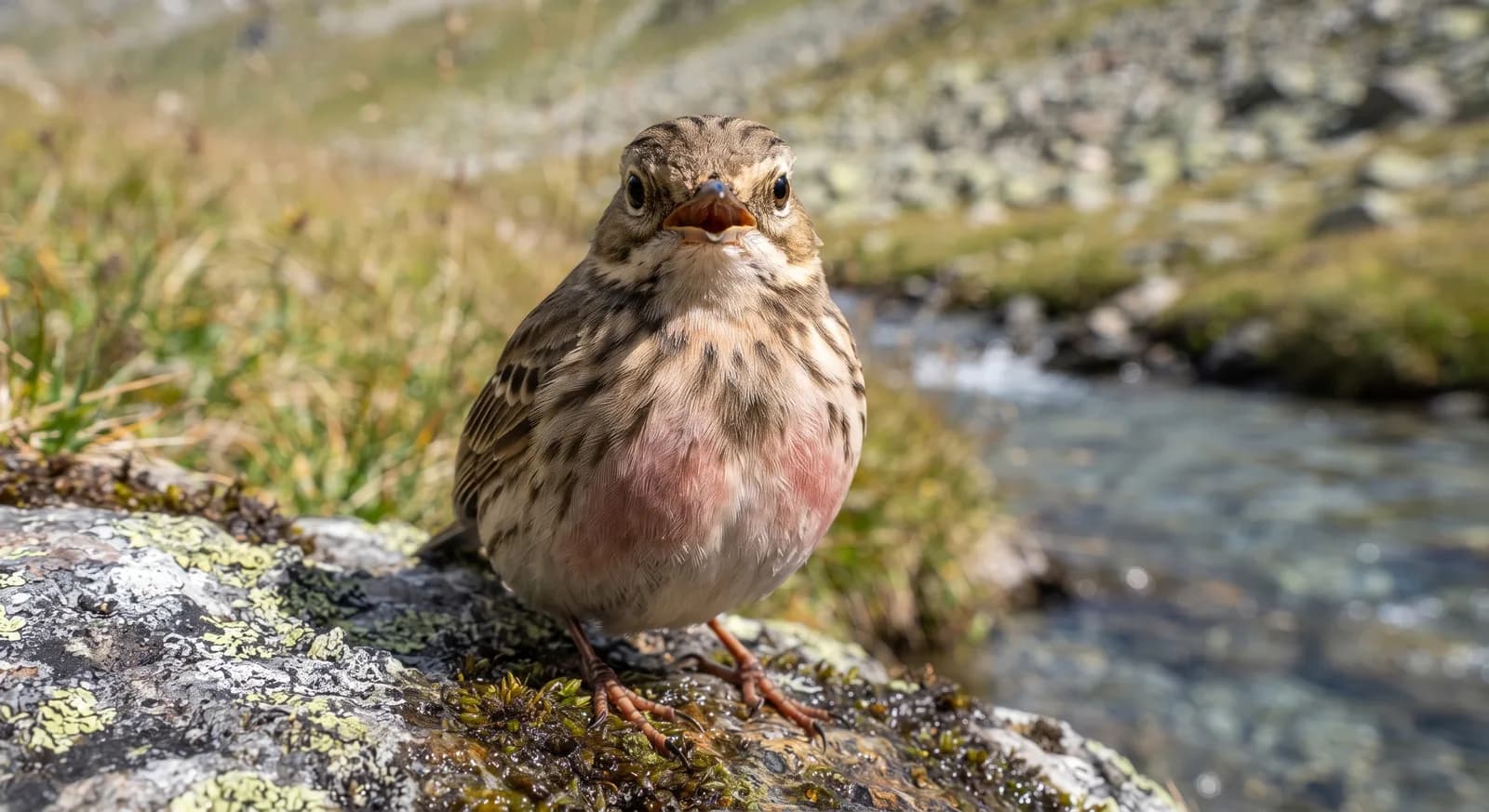 Least Concern
Water Pipit
Anthus spinoletta
Western Yellow Wagtail
Motacilla flava
Meadow Pipit
Anthus pratensis
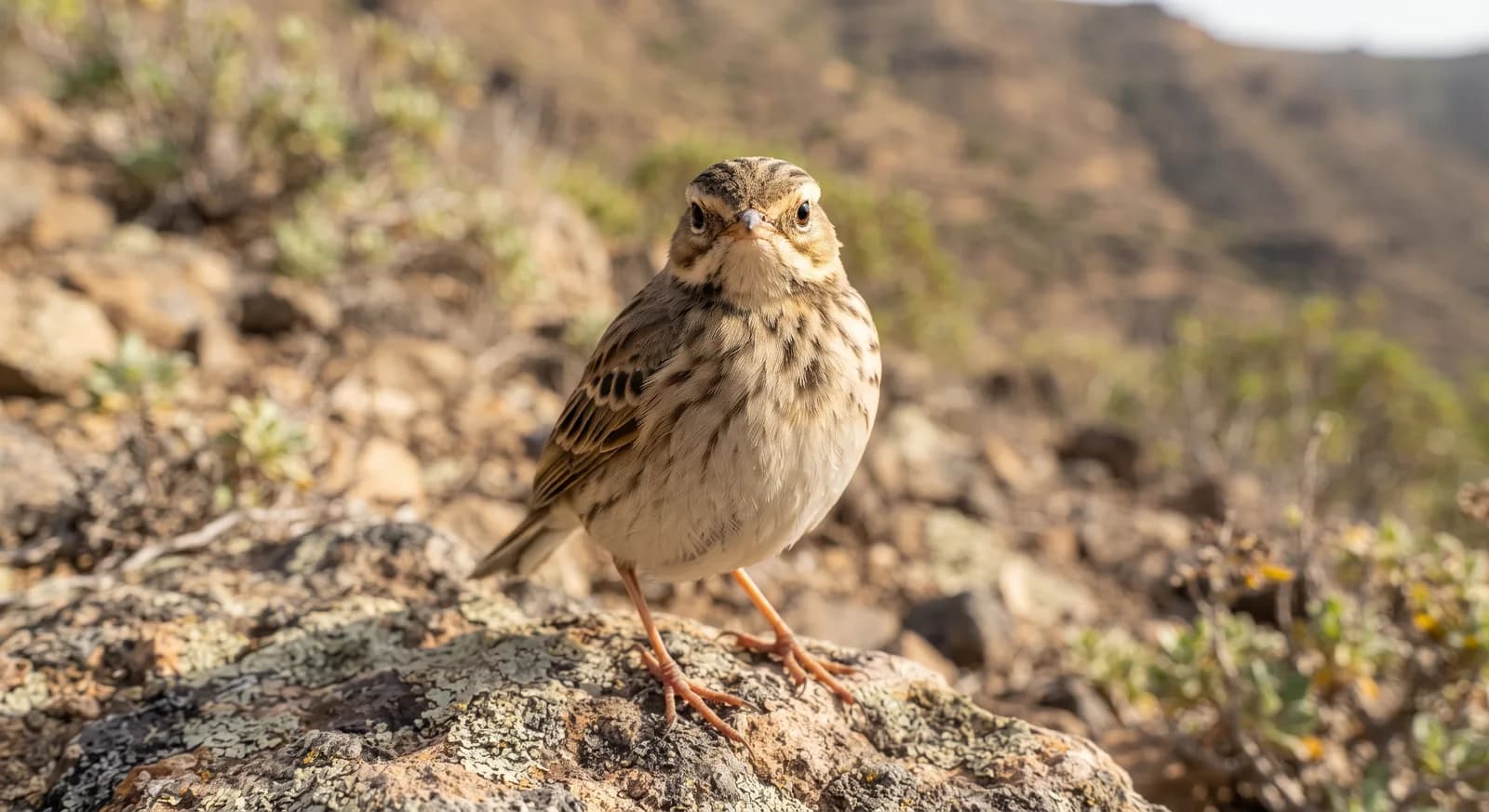 Least Concern
Berthelot's Pipit
Anthus berthelotii
Eurasian Blue Tit
Cyanistes caeruleus
Keep exploring
Based on what we already know about white wagtail.
Comments
Share an experience, a fun fact or a tip for seeing the white wagtail.
Be the first to comment.