 Least Concern
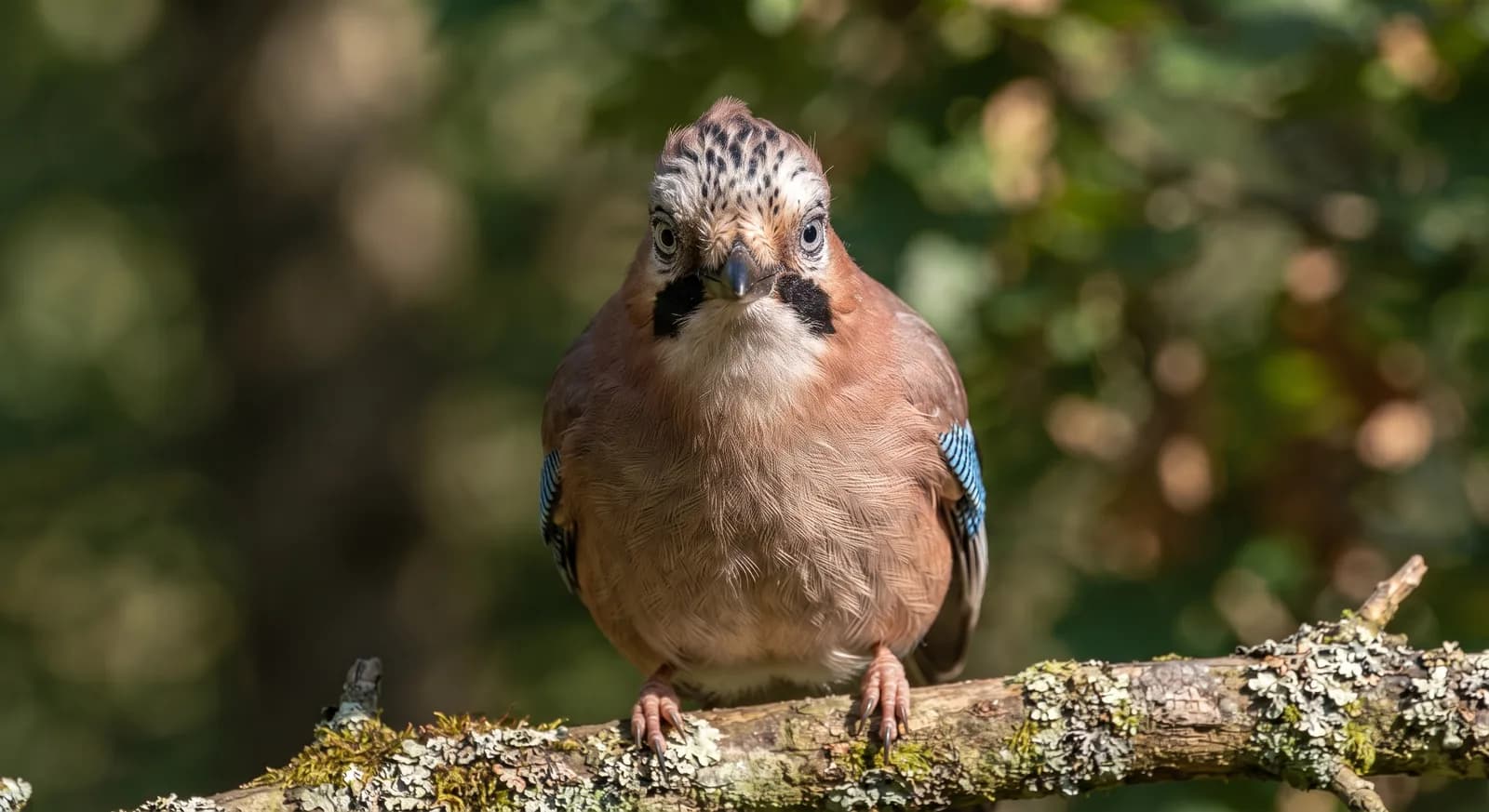
Eurasian Jay
Garrulus glandarius
Birds · Passeriformes · Corvidae
Corvus corone
The species is abundant and widely distributed; it faces no significant short-term risk.
It is one of the most intelligent birds in the world, able to make and use simple tools to get at food. Young from earlier broods commonly stay with their parents for up to two years, helping to raise their siblings.
Weight
300 g – 600 g
Size
44 cm – 51 cm
Life expectancy
4 years
Diet
Omnivore
Combines animal and plant food depending on availability.
Activity
Diurnal
Active mainly during the day.
Social structure
Family group
Lives in small family groups with close bonds.
Sources consulted: AnAge · Birda · Animal Diversity Web · Earthpedia · Binocular Base · Animal Info World · Animalia.bio
Best time: All year round; in winter it forms very large communal roosts, often together with other crows.
Parks and dive sites where this species has been documented — showing 10 of 140.
Other species in the catalogue with the most in common with Carrion Crow — same habitat, park, country, tags or family.
Based on what we already know about carrion crow.
The pins mark the parks where its presence is documented.