 Least Concern
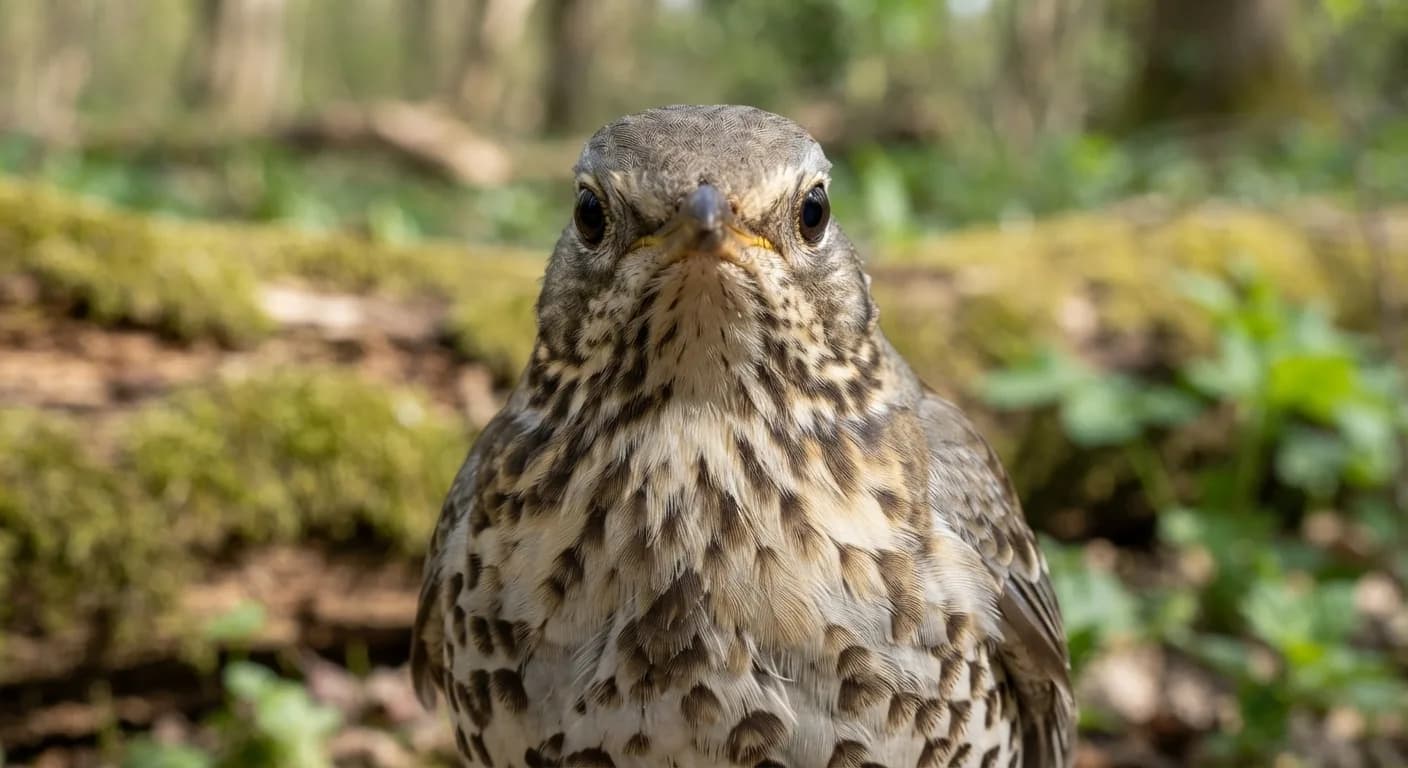
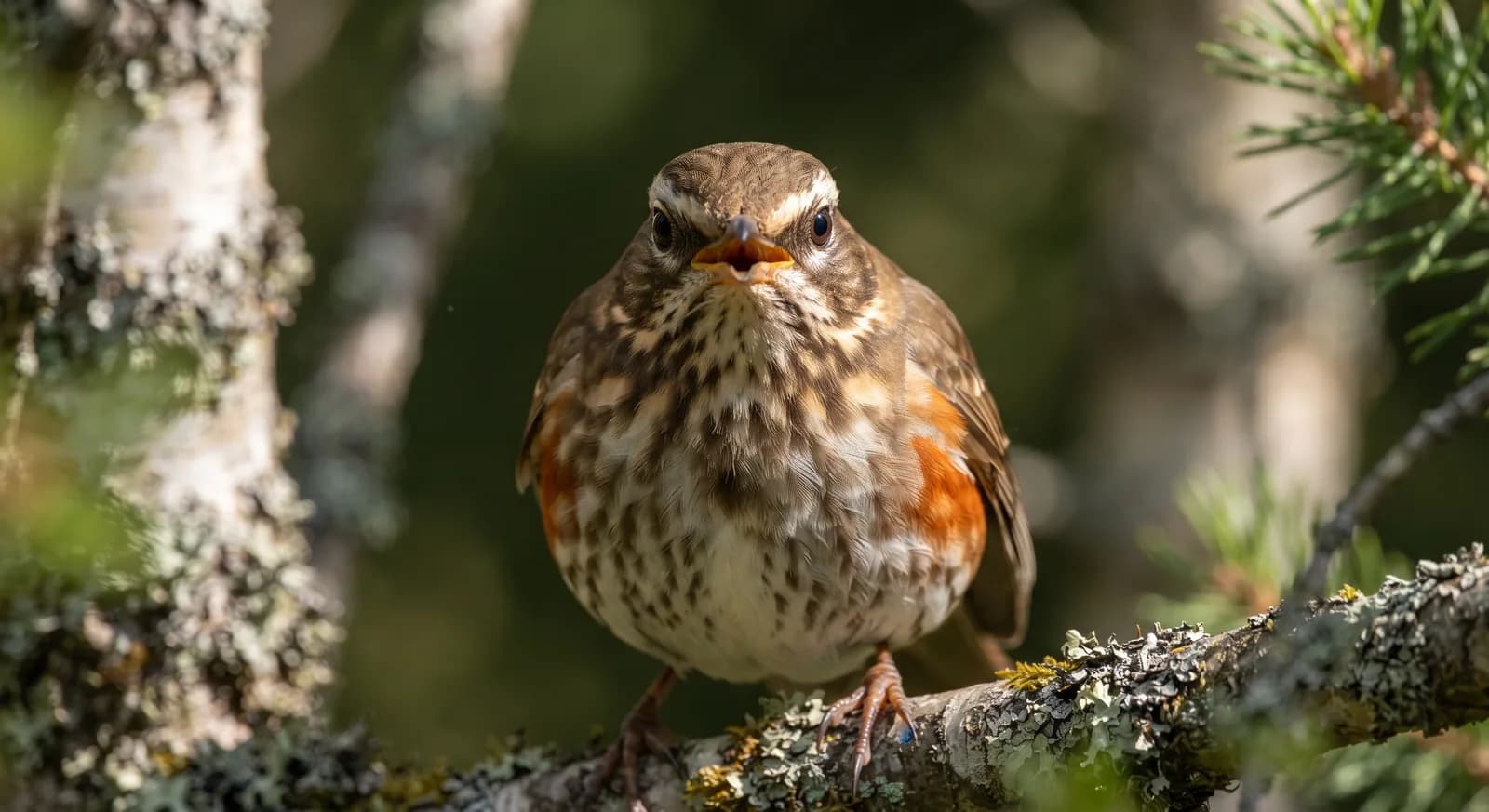
Redwing
Turdus iliacus
One of the 3 blackbirds on WAnimals
Birds · Passeriformes · Turdidae
Turdus merula
The species is abundant and widely distributed; it faces no significant short-term risk.
The bright orange-yellow of the male's bill is a quality signal females use in choosing a mate, since it reflects the carotenoids in his diet.
Weight
80 g – 125 g
Size
23 cm – 29 cm
Life expectancy
3 years
Diet
Omnivore
Combines animal and plant food depending on availability.
Activity
Diurnal
Active mainly during the day.
Social structure
Solitary
Lives and hunts alone, joining others only to breed.
Sources consulted: AnAge (genomics.senescence.info) · Animal Diversity Web · Animal Corner · Dimensions.com · Via Pontica · Woodland Trust · Animalia.bio
Best time: All year round; it sings from February to July, at dawn and above all at dusk, from roofs, aerials and high branches.
Parks and dive sites where this species has been documented — showing 10 of 234.
Other species in the catalogue with the most in common with Common Blackbird — same habitat, park, country, tags or family.
Based on what we already know about common blackbird.
The pins mark the parks where its presence is documented.