Skip to content
WAnimals
  • Map
  • Species
  • Parks
  • Diving
Log inCreate account
WAnimals

The guide for travellers and animal lovers: discover, plan and share your wild adventures around the world.

Discover wildlife

  • Species
  • Ecosystems
  • Glossary
  • Tags

Explore places

  • Map
  • Countries
  • Parks
  • Diving

Plan experiences

  • Guides

Learn

  • Blog

Resources

  • Help centre
  • Contact
  • Install the app

Follow us

Account

  • Log in
  • Create account

© 2026 WAnimals. All rights reserved.

About usHow we build our profilesTerms of servicePrivacyLegal notice
MapSpeciesParksDiving
  1. Home
  2. Species
  3. Common Shelduck

One of the 2 shelducks on WAnimals

Birds · Anseriformes · Anatidae

Common Shelduck

Tadorna tadorna

Least Concern

The species is abundant and widely distributed; it faces no significant short-term risk.

Spotted something wrong?

A striking waterfowl intermediate in appearance between a duck and a goose, with its legs set well under the body to make grazing easier. White plumage with a greenish-black head and neck forming a hood, a broad reddish-brown collar across the breast and black areas on the belly, tail and scapulars. The bill is red and in males carries a frontal knob that swells in the breeding season.

Weight

562 g – 1.5 kg

Size

58 cm – 71 cm

Life expectancy

15 years

Diet

Omnivore

Combines animal and plant food depending on availability.

Activity

Diurnal

Active mainly during the day.

Social structure

Colony

Lives in large concentrations, often for breeding reasons.

Sighting difficulty

Easy

OceanFreshwater
45countries63parks42same family

Fun facts

  • It places its nest in cavities a long way from water, which forces the newly hatched ducklings to make an overland journey that can be very dangerous for them.
  • The ducklings gather in large crèches with the young of other pairs, watched over by a few adults and by birds that have failed to breed.
  • Most pairs leave their young before they are fully grown and head for quiet areas by the sea to moult, a period in which they lose their flight feathers and cannot fly.

Life cycle and biology

Skeleton type
Vertebrate - internal bony skeleton (bird)
Habitat and environment
Sandy and muddy coasts, almost always associated with halophytic vegetation, and sometimes inland wetlands. It breeds on dry land, in natural cavities or in holes dug by other animals, above all rabbit burrows, often a long way from water
Birth weight
Precocial: born covered in down and leaves the nest within a few hours
Size at birth
Precocial: born covered in down and leaves the nest within a few hours
Sexual maturity
Females at 2 years; males at 4 or 5
Gestation / incubation
29-31 days, with the female incubating alone
Litter / clutch size
3-12 eggs, commonly 8-10, glossy white. A single brood a year, with replacement clutches if they are destroyed early. The chicks are independent at only 15-20 days and develop full plumage in 45-50 days

Sources consulted: IUCN Red List; SEO/BirdLife (ficha y Libro Rojo de las Aves de España); Universidad de Málaga (UMA Divulga); IEPNB (EIDOS); Zoobotánico de Jerez; Linnaeus 1758

Where to find it

Best time: From May to June, the laying season, on the Mediterranean coast

Loading map…

Where to see it

Parks and dive sites where this species has been documented — showing 10 of 63.

Related species

Other species in the catalogue with the most in common with Common Shelduck — same habitat, park, country, tags or family.

Same taxonomic family

Keep exploring

Based on what we already know about common shelduck.

Comments

Share an experience, a fun fact or a tip for seeing the common shelduck.

Be the first to comment.

See full glossary
This page in other languages: Español · Deutsch · Français · Português · Italiano

The pins mark the parks where its presence is documented.
See its range on the interactive map→
Doñana National ParkSpain
Lake DistrictUnited Kingdom
CairngormsUnited Kingdom
Snowdonia (Eryri)United Kingdom
KillarneyIreland
Danube DeltaRomania
LahemaaEstonia
Hoge Kempen National ParkBelgium
Wadden Sea National ParkDenmark
Aukštaitija National ParkLithuania
See all 63 parks
Least Concern

Tufted Duck

Aythya fuligula

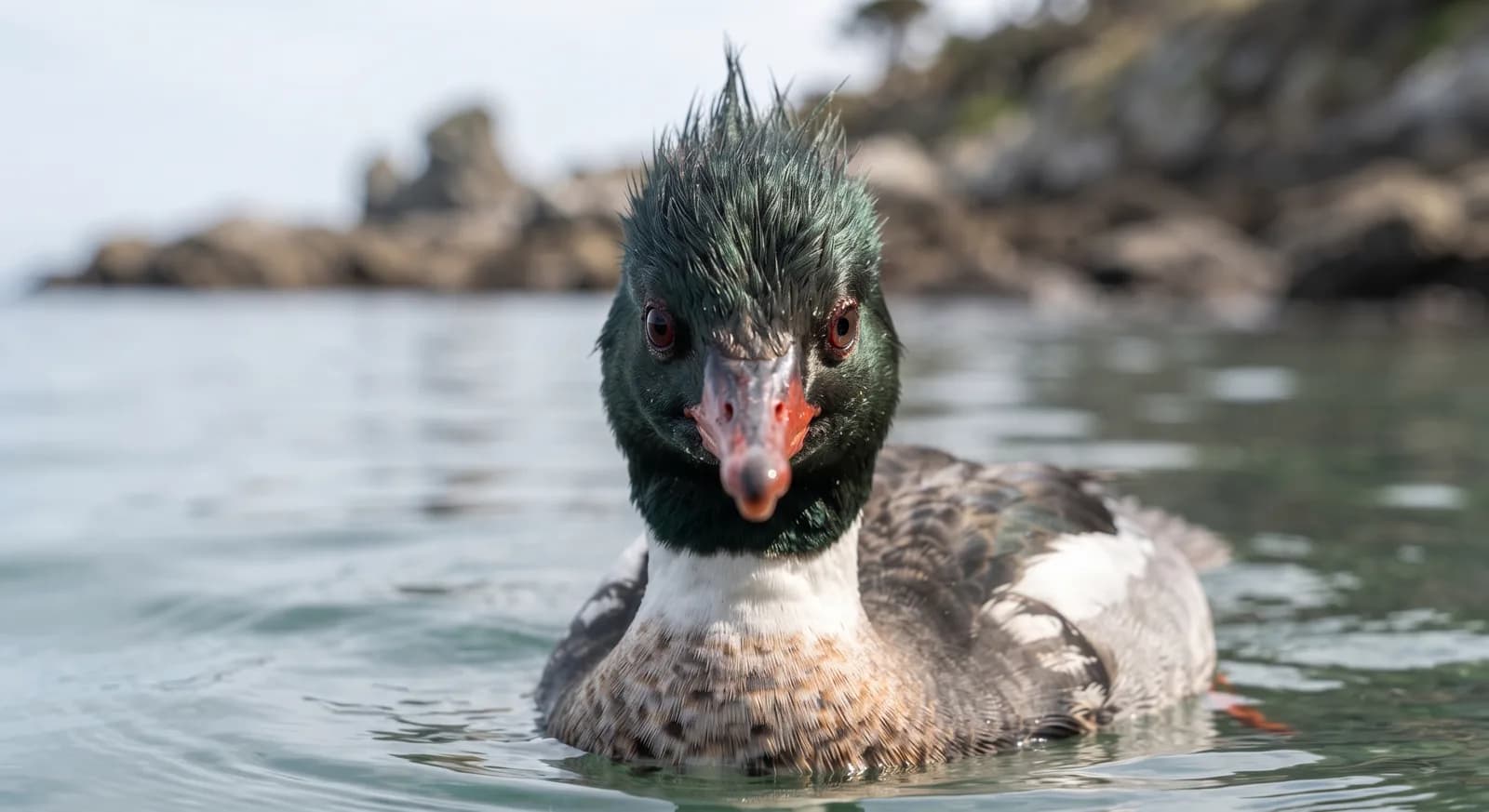
Red-breasted MerganserLeast Concern

Red-breasted Merganser

Mergus serrator

Least Concern

Northern Pintail

Anas acuta

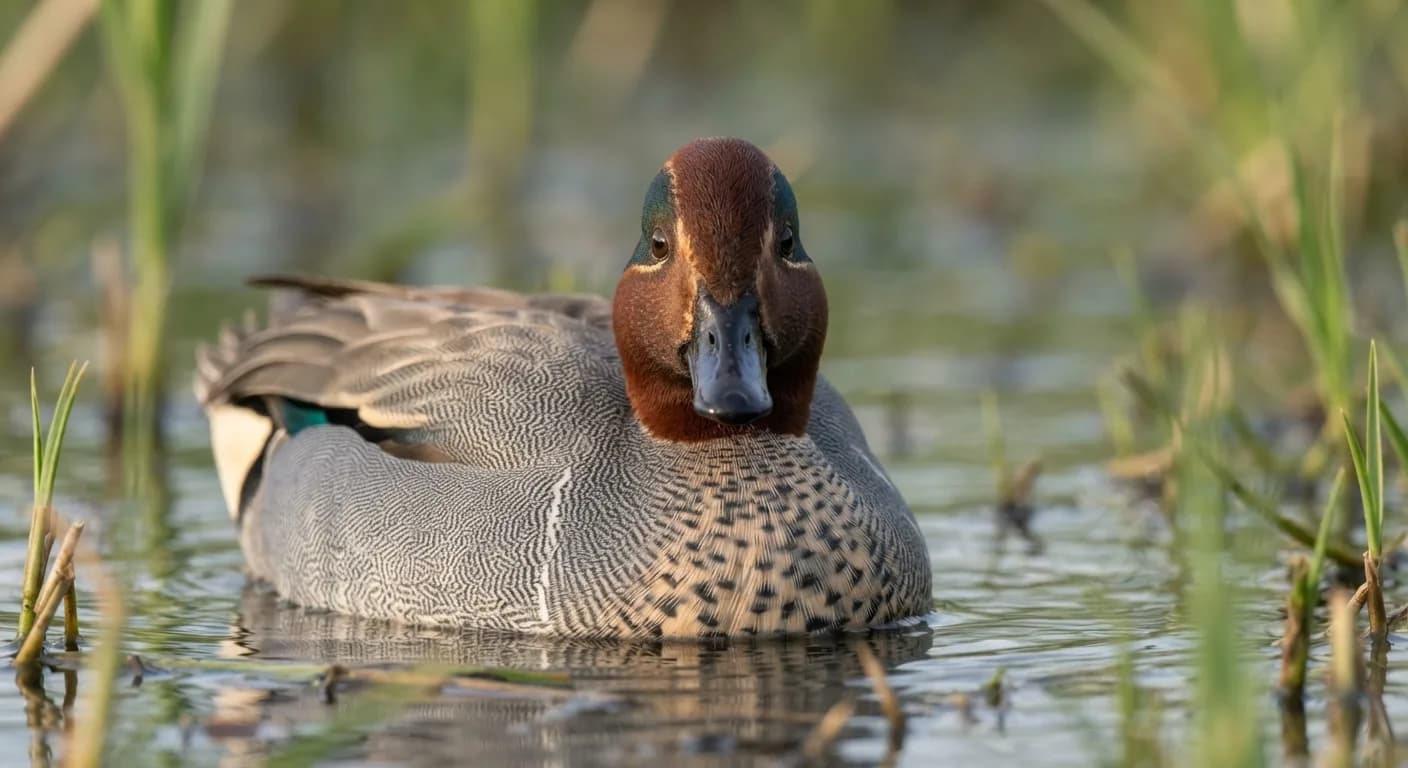
Eurasian TealLeast Concern

Eurasian Teal

Anas crecca

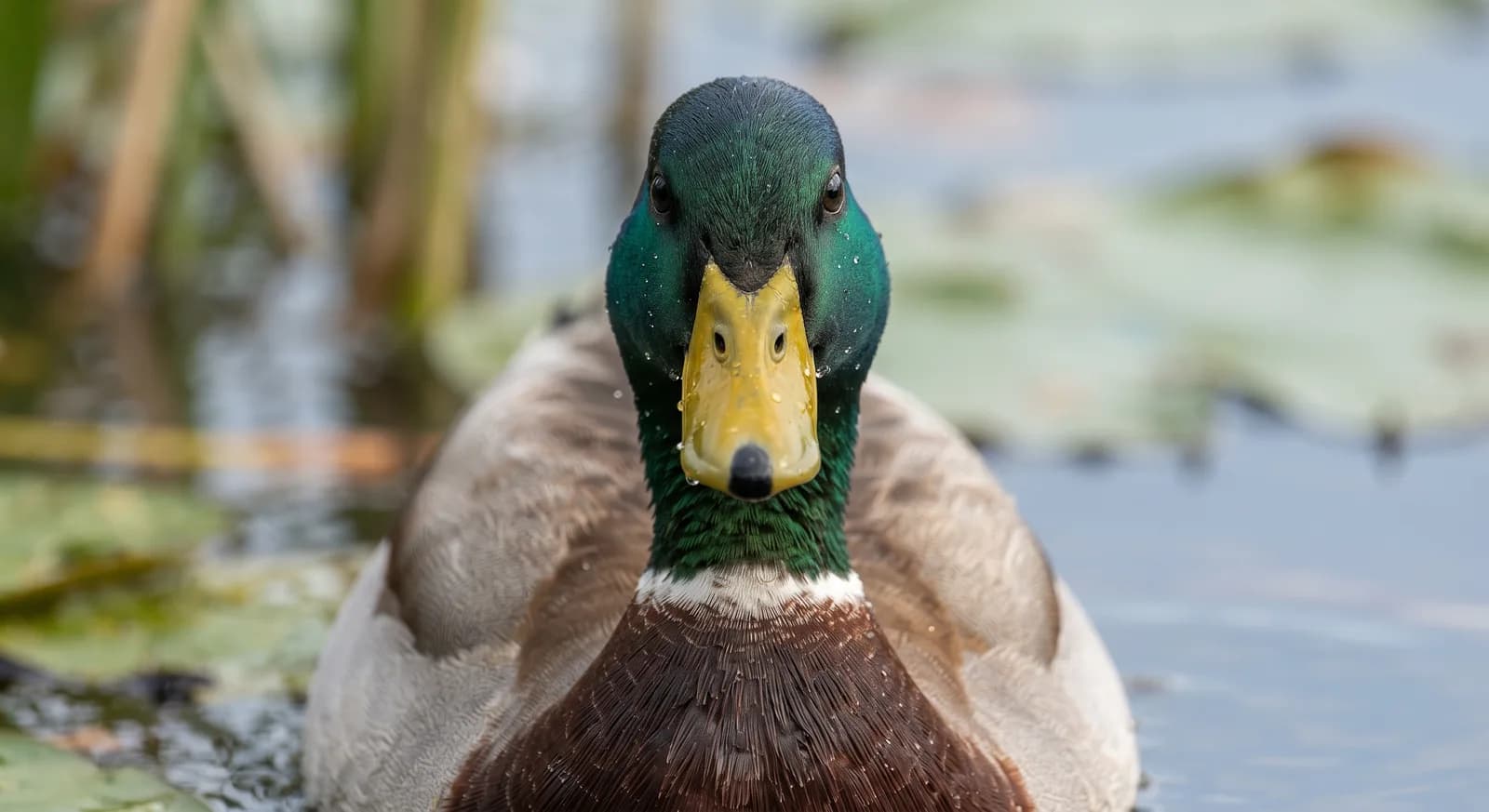
MallardLeast Concern

Mallard

Anas platyrhynchos

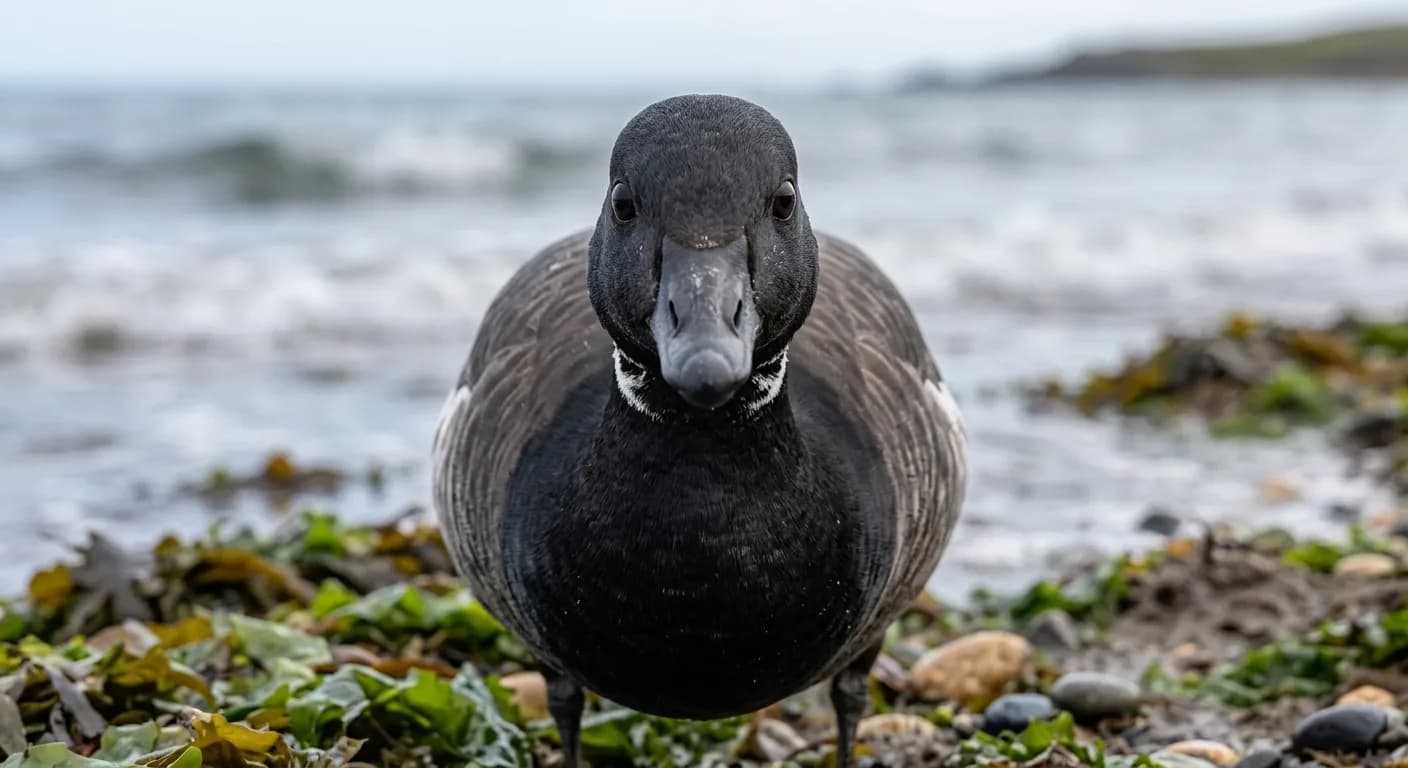
Brent GooseLeast Concern

Brent Goose

Branta bernicla

CountriesUnited Kingdom
ParksDoñana National ParkSpain
TagsOmnivore
Omnivore
Diurnal
Colonial
Bird
Ocean
Freshwater

Europe40

Asia5

United Kingdom
Netherlands
Ireland
Estonia
Germany
Denmark
Albania
Andorra
Austria
Belarus
Belgium
Bosnia and Herzegovina
Bulgaria
Croatia
Czechia
Denmark
Estonia
Finland
France
Germany
Greece
Hungary
Ireland
Italy
Kosovo
Latvia
Liechtenstein
Lithuania
Luxembourg
Moldova
Montenegro
Netherlands
North Macedonia
Norway
Poland
Portugal
Romania
San Marino
Serbia
Slovakia
Slovenia
Spain
Sweden
Switzerland
Ukraine
United Kingdom
Armenia
Azerbaijan
Georgia
Russia
Türkiye