Skip to content
WAnimals
  • Map
  • Species
  • Parks
  • Diving
Log inCreate account
WAnimals

The guide for travellers and animal lovers: discover, plan and share your wild adventures around the world.

Discover wildlife

  • Species
  • Ecosystems
  • Glossary
  • Tags

Explore places

  • Map
  • Countries
  • Parks
  • Diving

Plan experiences

  • Guides

Learn

  • Blog

Resources

  • About us
  • How we build our profiles
  • Help centre
  • Contact
  • Install the app

Follow us

Account

  • Log in
  • Create account

© 2026 WAnimals. All rights reserved.

Terms of servicePrivacyCookiesLegal notice
MapSpeciesParksDiving
  1. Home
  2. Species
  3. Mammoth Wasp
Mammoth Wasp (Megascolia maculata)

Insects · Hymenoptera · Scoliidae

Mammoth Wasp

Megascolia maculata

Not Evaluated

It has not yet been assessed against the IUCN criteria.

Spotted something wrong?

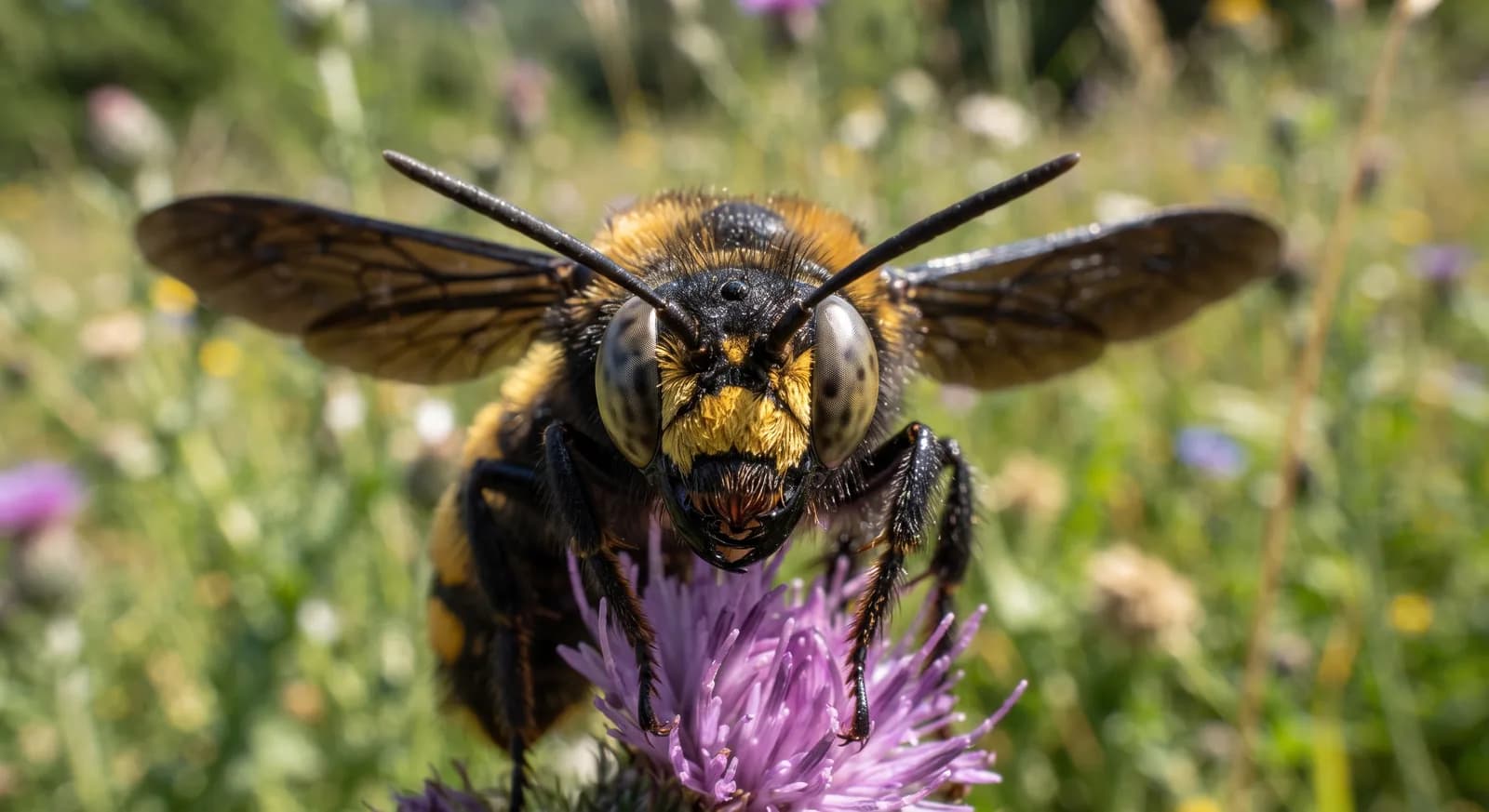
The mammoth wasp is the largest hymenopteran species in Europe, reaching more than 4 cm. It belongs to the genus Regiscolia, whose species are sometimes referred to as mammoth wasps.

Size

2 cm – 6 cm

Life expectancy

1 year

Diet

Carnivore

Feeds mainly on other animals.
Activity

Diurnal

Active mainly during the day.

Social structure

Solitary

Lives and hunts alone, joining others only to breed.

Grassland
50countries93parks

AI-generated images: illustrations, not photographs.

Fun facts

  • It parasitises the large larvae of the rhinoceros beetle: it paralyses them with a sting and lays a single egg on them.
  • Despite its six centimetres and its menacing look, it is a solitary and very peaceable wasp that rarely stings people.
  • Its presence indicates ecosystems with dead wood and decaying organic matter, which is where its prey lives.
  • It is the largest hymenopteran in Europe: the female reaches 6 cm and the male is considerably smaller.
  • It depends entirely on the European rhinoceros beetle: the female seeks out its larvae in dead wood, paralyses them with a sting and lays a single egg on each.
  • The wasp larva devours the beetle larva leaving only the skin, spins a cocoon and overwinters there until it emerges in spring.
  • It has been recorded in southern Britain, but cannot establish there because its prey does not live on the islands.
  • The adult is harmless and feeds only on nectar.

Life cycle and biology

Skeleton type
Invertebrate - chitin exoskeleton (insect)
Habitat and environment
Warm Mediterranean areas with dead wood and compost
Sexual maturity
The adults appear in late May, are active by day, feed on nectar and pollen during daylight and spend the night buried in the leaf litter
Gestation / incubation
The wasp larva consumes the beetle larva first from the outside and then from within, leaving only the skin; once it has reached a sufficient size it spins a cocoon and waits inside until the following spring to emerge as an adult
Litter / clutch size
A single egg per parasitised beetle larva

Sources consulted: Wikipedia (es): Regiscolia maculata · Invertebrados de Huesca · Museu Virtual da Biodiversidade (Universidade de Evora) · Invertebrados de Huesca, ficha Megascolia maculata flavifrons · Ficha de especie de Megascolia maculata (Wikipedia ES) · Fichas de especie de Megascolia maculata · iNaturalist, ficha Mammoth Scoliid Wasp

Where to find it

Best time: Flies in warm areas between May and September, in holm oak woods, maquis and Mediterranean garrigue; it only turns up where its prey, the European rhinoceros beetle, lives

Loading map…

Where to see it

Parks and dive sites where this species has been documented — showing 10 of 93.

Related species

Other species in the catalogue with the most in common with Mammoth Wasp — same habitat, park, country, tags or family.

Shares a park
Shares a park
Shares a park
Shares a park
Shares a park
Shares a park

Keep exploring

Based on what we already know about mammoth wasp.

Share an experience, a fun fact or a tip for seeing the mammoth wasp.
See full glossary
This page in other languages: Español · Deutsch · Français · Português · Italiano

The pins mark the parks where its presence is documented.

See its range on the interactive map→
Picos de EuropaSpain
Ordesa y Monte PerdidoSpain
Aiguestortes i Estany de Sant MauriciSpain
Peneda-GeresPortugal
CévennesFrance
CalanquesFrance
Abruzzo, Lazio and MoliseItaly
Alta MurgiaItaly
Mount OlympusGreece
PlitviceCroatia
See all 93 parks
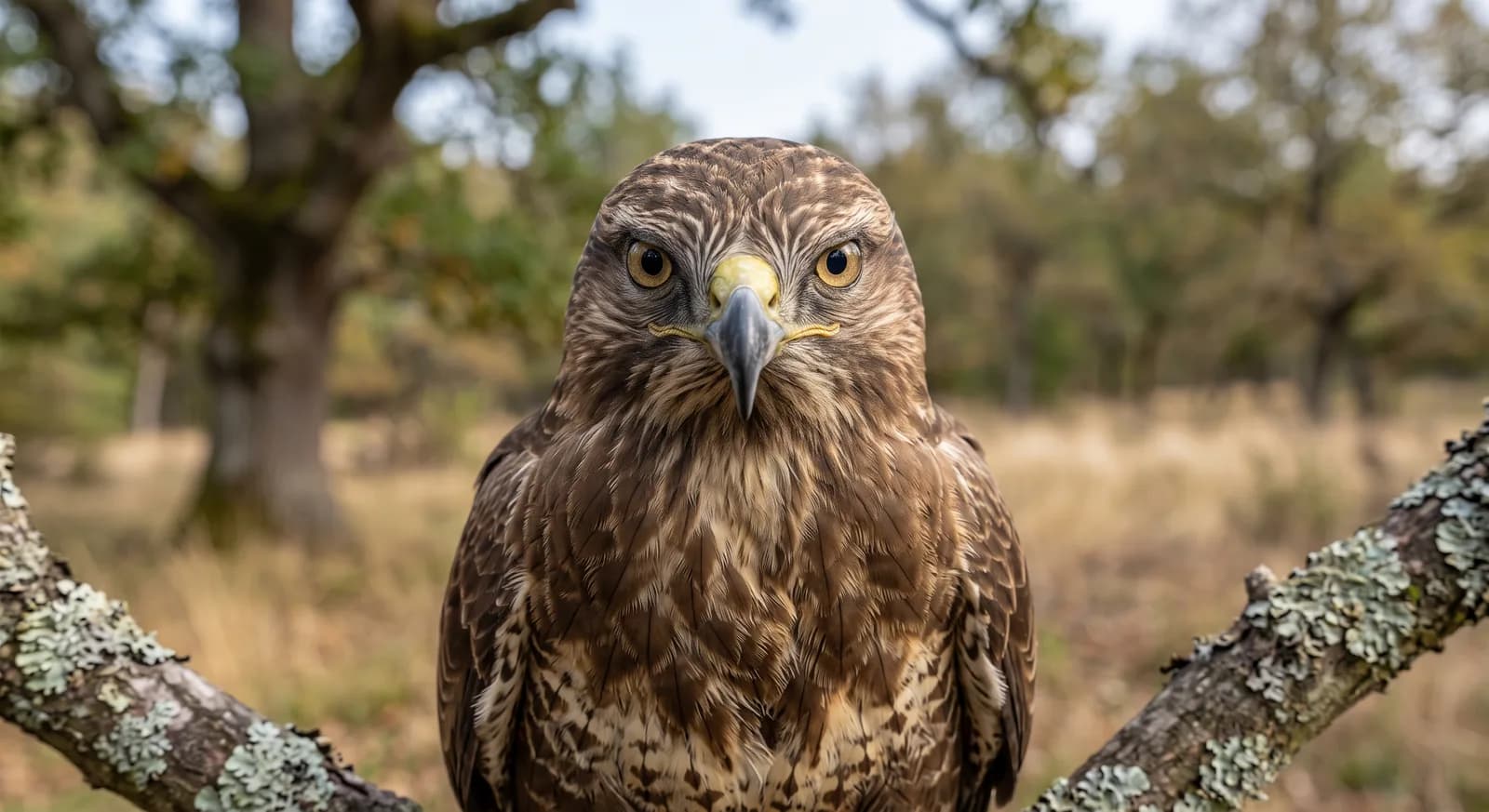
Common BuzzardLeast Concern

Common Buzzard

Buteo buteo

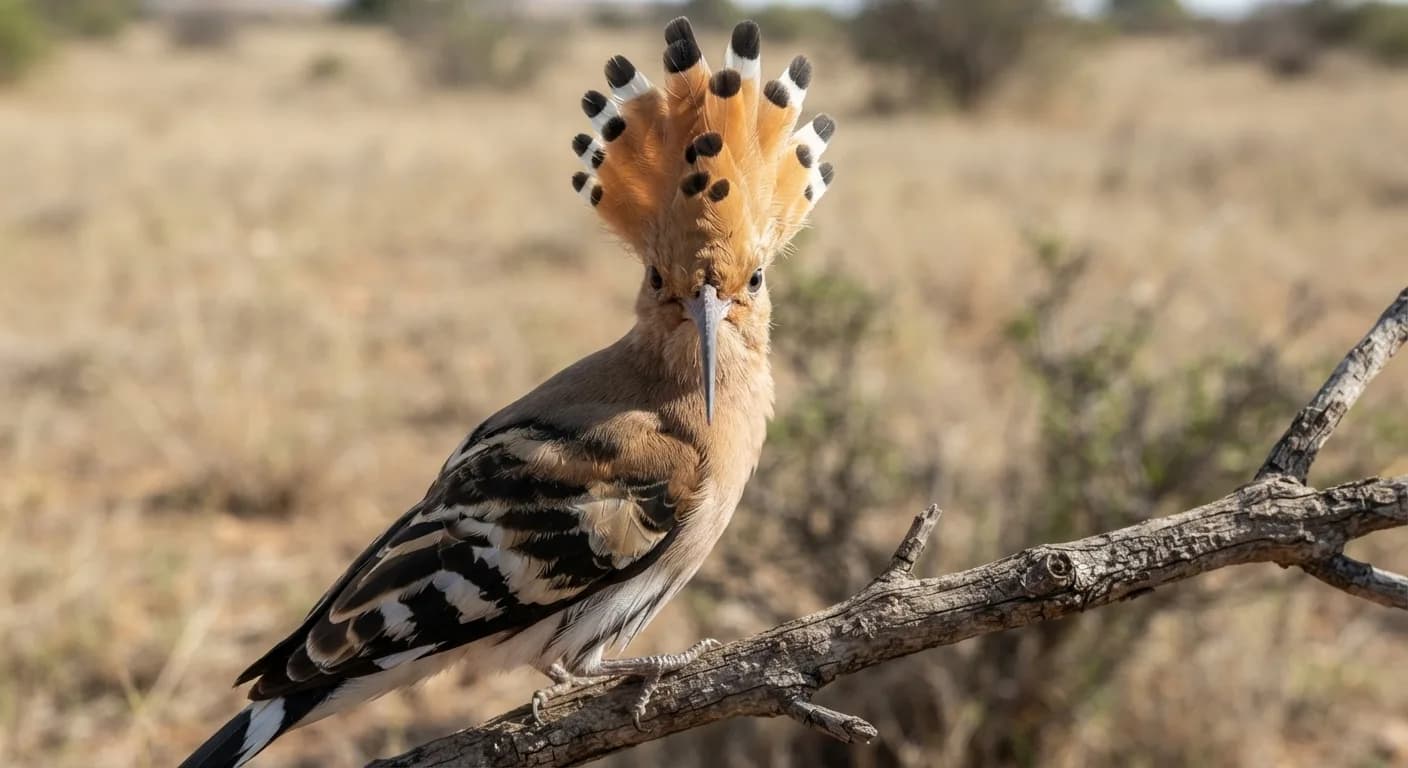
Eurasian HoopoeLeast Concern

Eurasian Hoopoe

Upupa epops

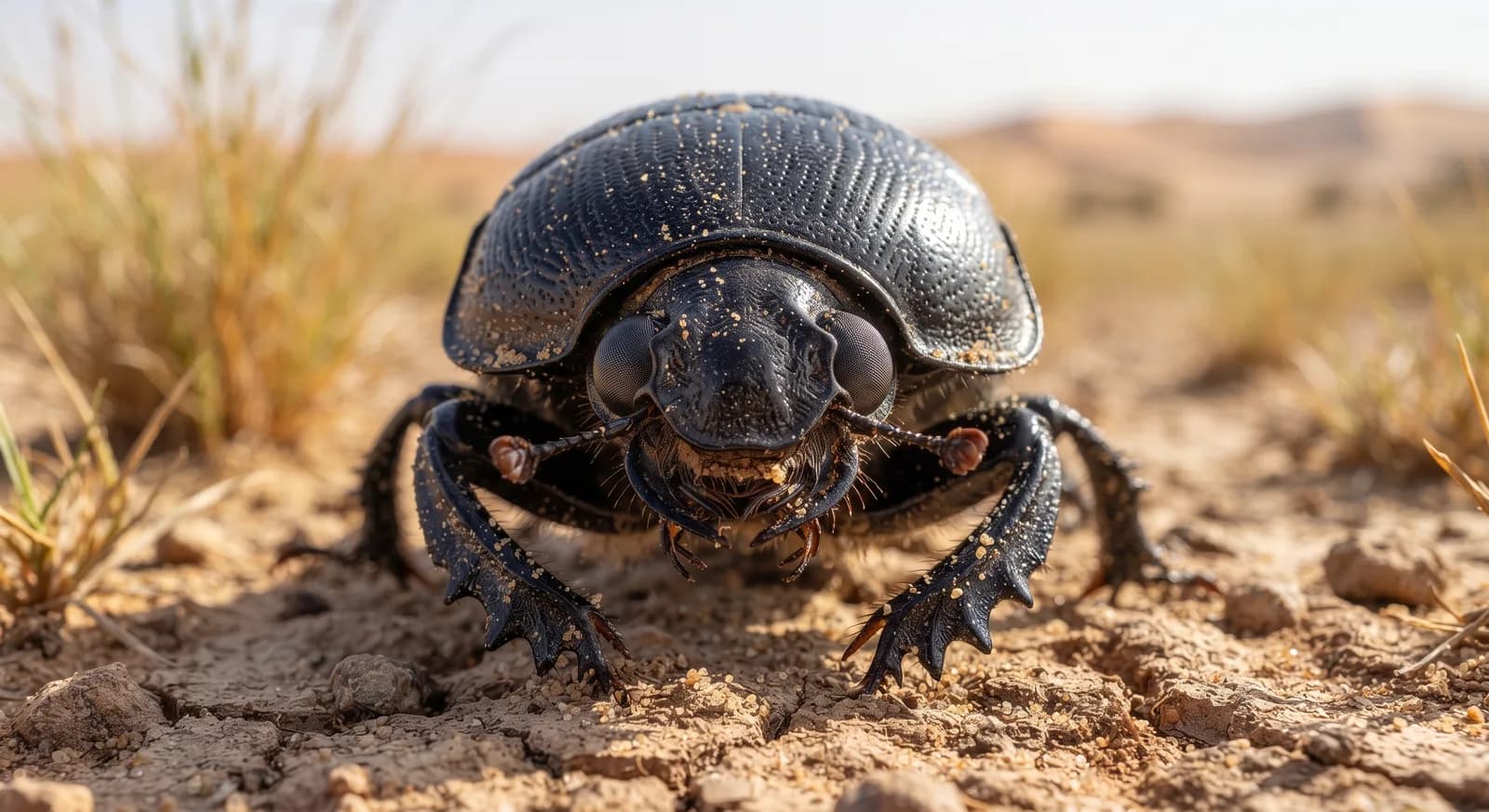
Sacred ScarabNot Evaluated

Sacred Scarab

Scarabaeus sacer

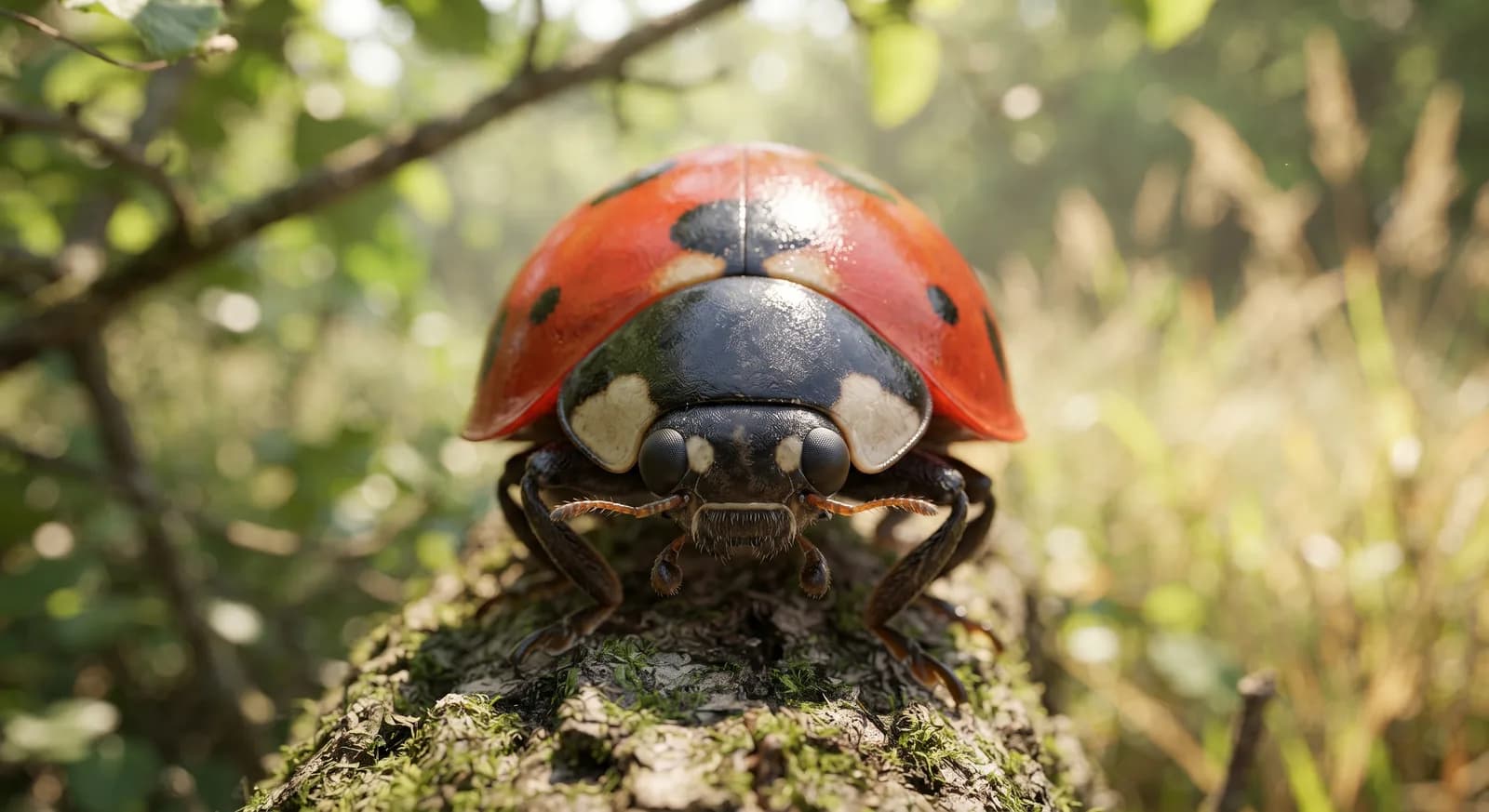
Seven-spotted Lady BeetleNot Evaluated

Seven-spotted Lady Beetle

Coccinella septempunctata

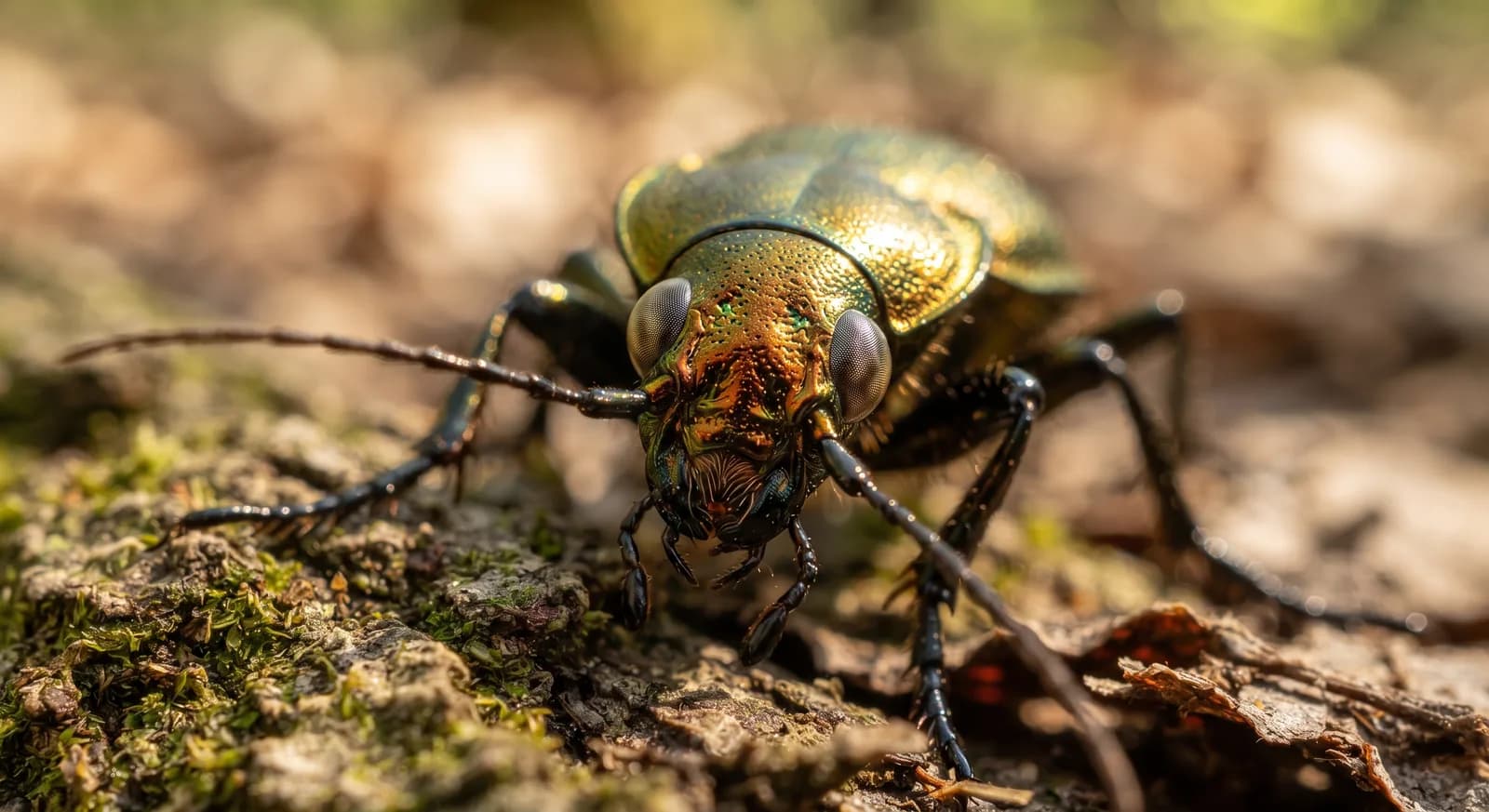
Golden Ground BeetleLeast Concern

Golden Ground Beetle

Carabus auratus

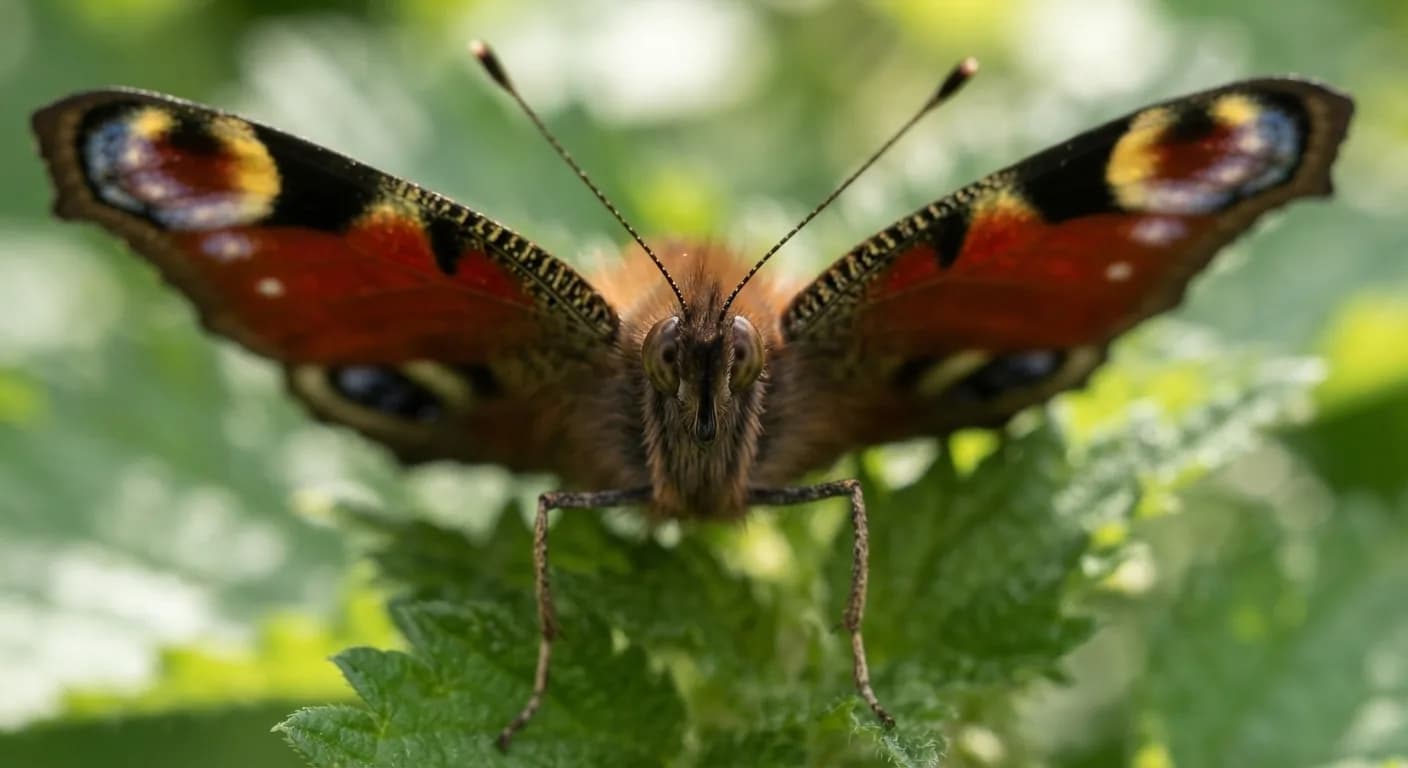
PeacockLeast Concern

Peacock

Aglais io

CountriesSpain
ParksPicos de EuropaSpain
TagsCarnivore
Carnivore
Diurnal
Solitary
Insect
Grassland

Europe35

Asia10

Africa5

Spain
Italy
Greece
Morocco
Portugal
Croatia
Albania
Andorra
Austria
Belarus
Belgium
Bosnia and Herzegovina
Bulgaria
Croatia
Cyprus
Czechia
France
Germany
Gibraltar
Greece
Hungary
Italy
Kosovo
Liechtenstein
Luxembourg
Malta
Moldova
Monaco
Montenegro
Netherlands
North Macedonia
Poland
Portugal
Romania
San Marino
Serbia
Slovakia
Slovenia
Spain
Switzerland
Ukraine
Armenia
Azerbaijan
Georgia
Israel
Jordan
Lebanon
Palestine
Russia
Syria
Türkiye
Algeria
Egypt
Libya
Morocco
Tunisia