Birds · Accipitriformes · Accipitridae
Black-winged Kite
Elanus caeruleus
The species is abundant and widely distributed; it faces no significant short-term risk. See full glossary
Unlike most raptors, which breed once a year, it can raise several broods in succession when rodent numbers boom.
Weight
up to 261 g
Lifespan
6 years
Diet
Carnivore
Feeds mainly on other animals.
Activity
Diurnal
Active mainly during the day.
Social structure
Solitary
Lives and hunts alone, joining others only to breed.
Sighting difficulty
Easy
Estimated population
Between 2,600 and 5,700 mature individuals in Europe, with a stable trend. In Spain it occurs mainly across the western half, in the middle basins of the Duero, Tagus and Guadiana and the lower Guadalquivir
Fun facts
- It hunts by hovering much as a kestrel does, scanning the ground before stooping.
- It feeds mainly on small rodents, supplemented with insects, lizards and small birds.
- It lives in savannah, semi-desert, steppe and farmed plains of Africa, the Iberian Peninsula and Asia.
- locomociónIt can hang almost motionless in the air on rapidly beating wings to pinpoint prey before dropping onto it.
- It is a recent colonist of the Iberian Peninsula and is clearly expanding: the Red Book of the Birds of Spain lists it as Near Threatened. In winter it forms communal roosts of several dozen birds, such as those found at La Janda (Cádiz) and eastern Badajoz. In the cereal fields of Extremadura it plays an important part in controlling rodents.
Life cycle & biology
- Skeleton type
- Vertebrate - pneumatised bony skeleton (bird)
- Habitat & environment
- Savannah, semi-desert, steppe and farmed plains of Africa, the Iberian Peninsula and Asia
- Birth weight
- Weight at hatching not found as a precise figure
- Size at birth
- Downy, blind and dependent on hatching
- Sexual maturity
- ~1 year
- Gestation / incubation
- 25-35 days
- Litter / clutch size
- 3 to 5 eggs per clutch, hatching in sequence every 2-3 days
Sources consulted: AnAge (genomics.senescence.info); Oiseaux-birds.com; The Peregrine Fund; Birda; Animalia.bio; PMC (juvenile dispersal study)
Where to find it
See its range on the interactive mapWhere to watch it
Parques y spots de buceo donde se ha documentado esta especie — se muestran 10 de 15 documentados.
Related species
Other species in the catalogue with the most in common with Black-winged Kite — same habitat, park, country, tags or family.
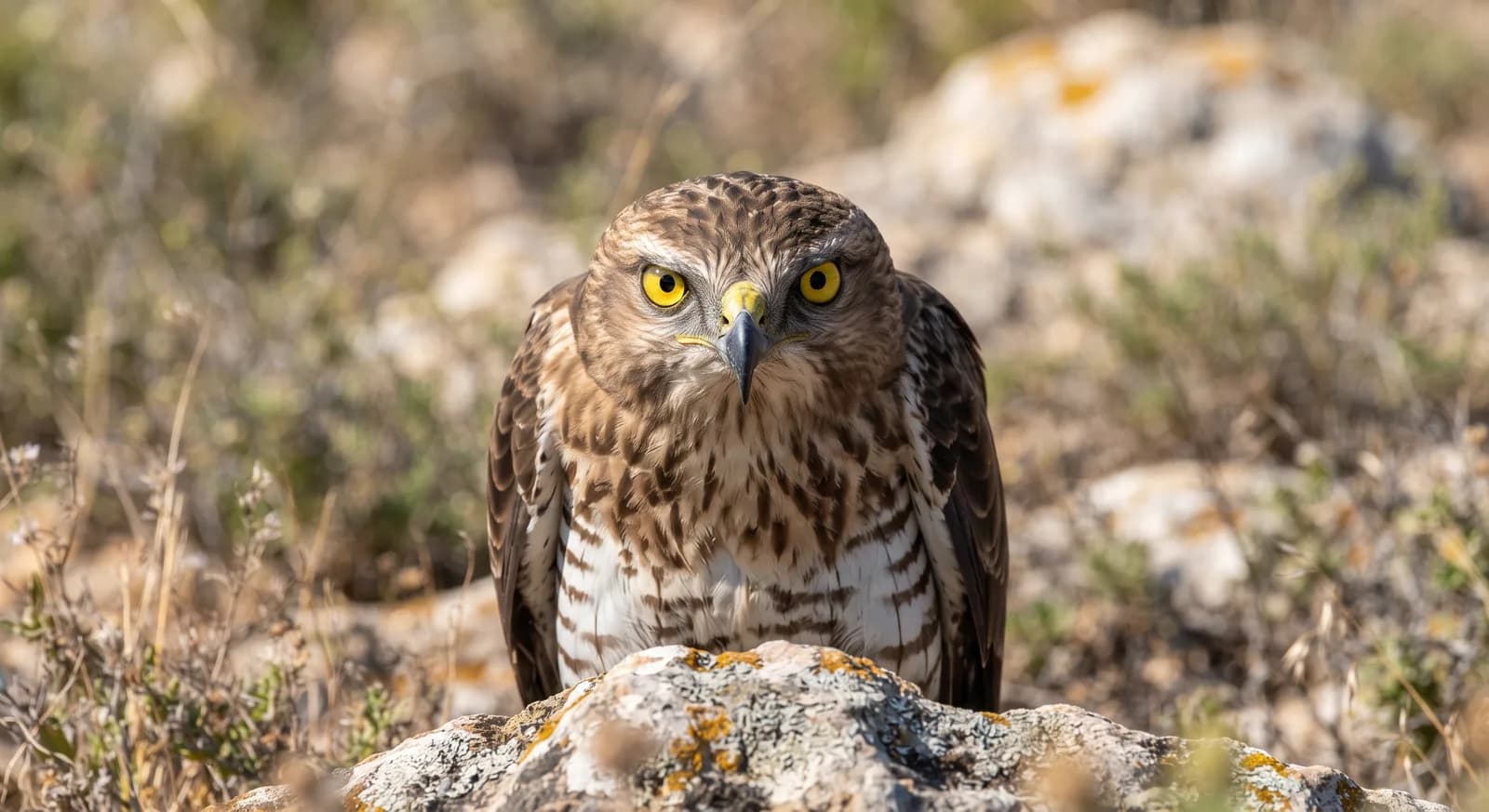 Least Concern
Short-toed Eagle
Circaetus gallicus
Eurasian Sparrowhawk
Accipiter nisus
Northern Goshawk
Accipiter gentilis
Common Buzzard
Buteo buteo
Black Kite
Milvus migrans
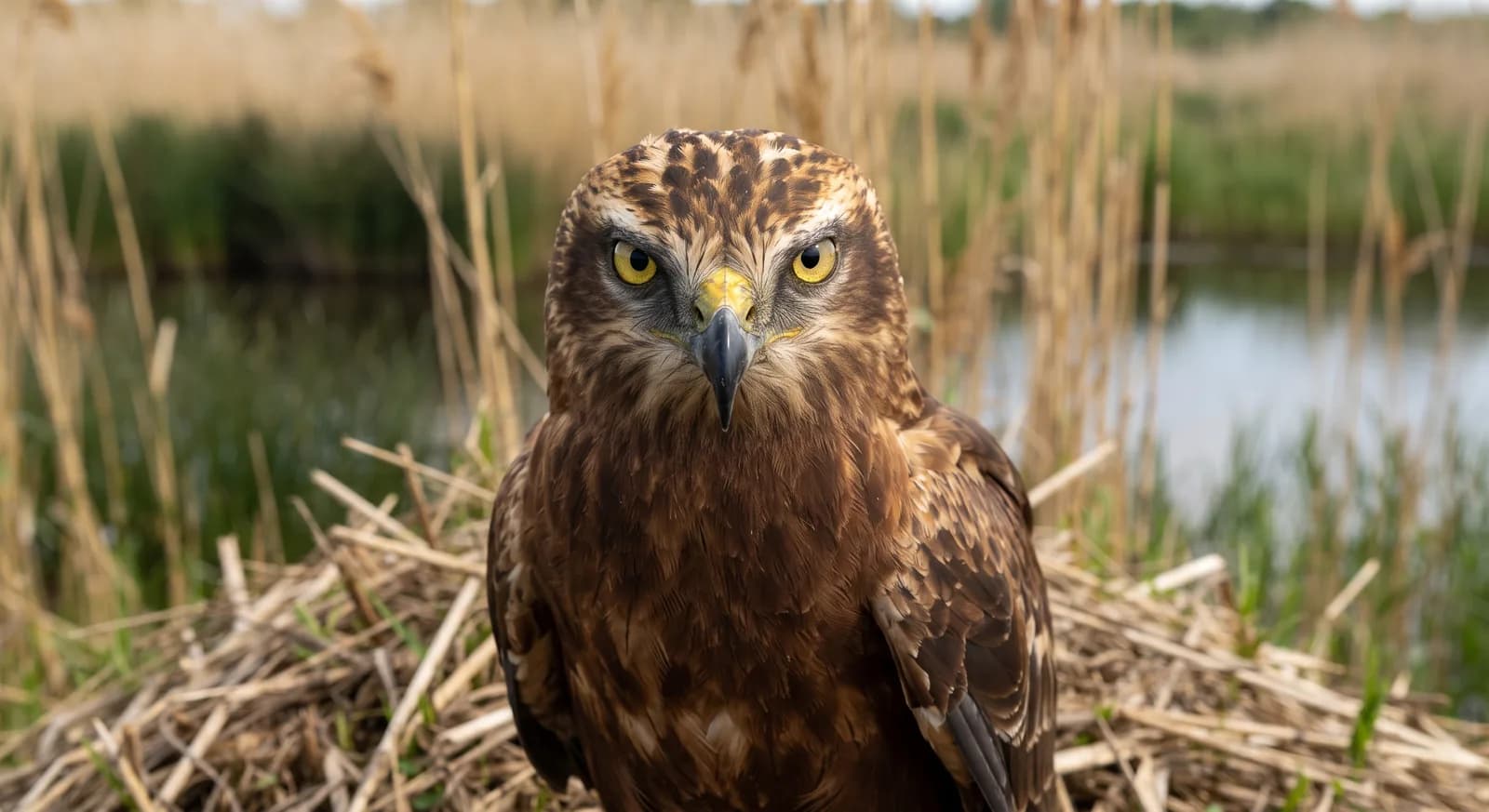 Least Concern
Western Marsh Harrier
Circus aeruginosus
Keep exploring
Based on what we already know about black-winged kite.
Comments
Share an experience, a fun fact or a tip for seeing the black-winged kite.
Be the first to comment.