One of the 2 kites on WAnimals
Birds · Accipitriformes · Accipitridae
Black Kite
Milvus migrans
The species is abundant and widely distributed; it faces no significant short-term risk. See full glossary
It is arguably the most abundant bird of prey in the world, with a global population estimated at up to 6 million.
Weight
600 g – 1.1 kg
Size
47 cm – 65 cm
Lifespan
22 years
Diet
Omnivore
Combines animal and plant food depending on availability.
Activity
Diurnal
Active mainly during the day.
Social structure
Colony
Lives in large concentrations, often for breeding reasons.
Sighting difficulty
Easy
Fun facts
- It is known for actively decorating its nest with eye-catching material such as white plastic, a behaviour that is unusual among birds of prey.
- It feeds on carrion, fish, small mammals and human refuse.
- It lives in a wide range of habitats across Europe, Asia, Africa and Oceania, large cities included.
- comportamientoIt can gather in migrating flocks of thousands at narrow crossing points between continents, such as the Strait of Gibraltar.
Life cycle & biology
- Skeleton type
- Vertebrate - internal bony skeleton (bird)
- Habitat & environment
- A wide range of habitats across Europe, Asia, Africa and Oceania, large cities included
- Birth weight
- Born altricial and covered in sepia down
- Size at birth
- Born altricial
- Sexual maturity
- 2-3 years; most breed for the first time at 3 years old
- Gestation / incubation
- 30-34 days
- Litter / clutch size
- 2 to 3 eggs per clutch
- Lifespan in captivity
- Documented record of up to 23.7 years
Sources consulted: Animal Diversity Web; Zoopedia Wiki; Animalia.bio; Earth Life; Via Pontica; Birda; Wealthy Waste; Birds of India
Where to find it
See its range on the interactive mapBest time: From March to August in the Iberian Peninsula; it is a trans-Saharan migrant and spends the winter in Africa.
Where to watch it
Parques y spots de buceo donde se ha documentado esta especie — se muestran 10 de 176 documentados.
Related species
Other species in the catalogue with the most in common with Black Kite — same habitat, park, country, tags or family.
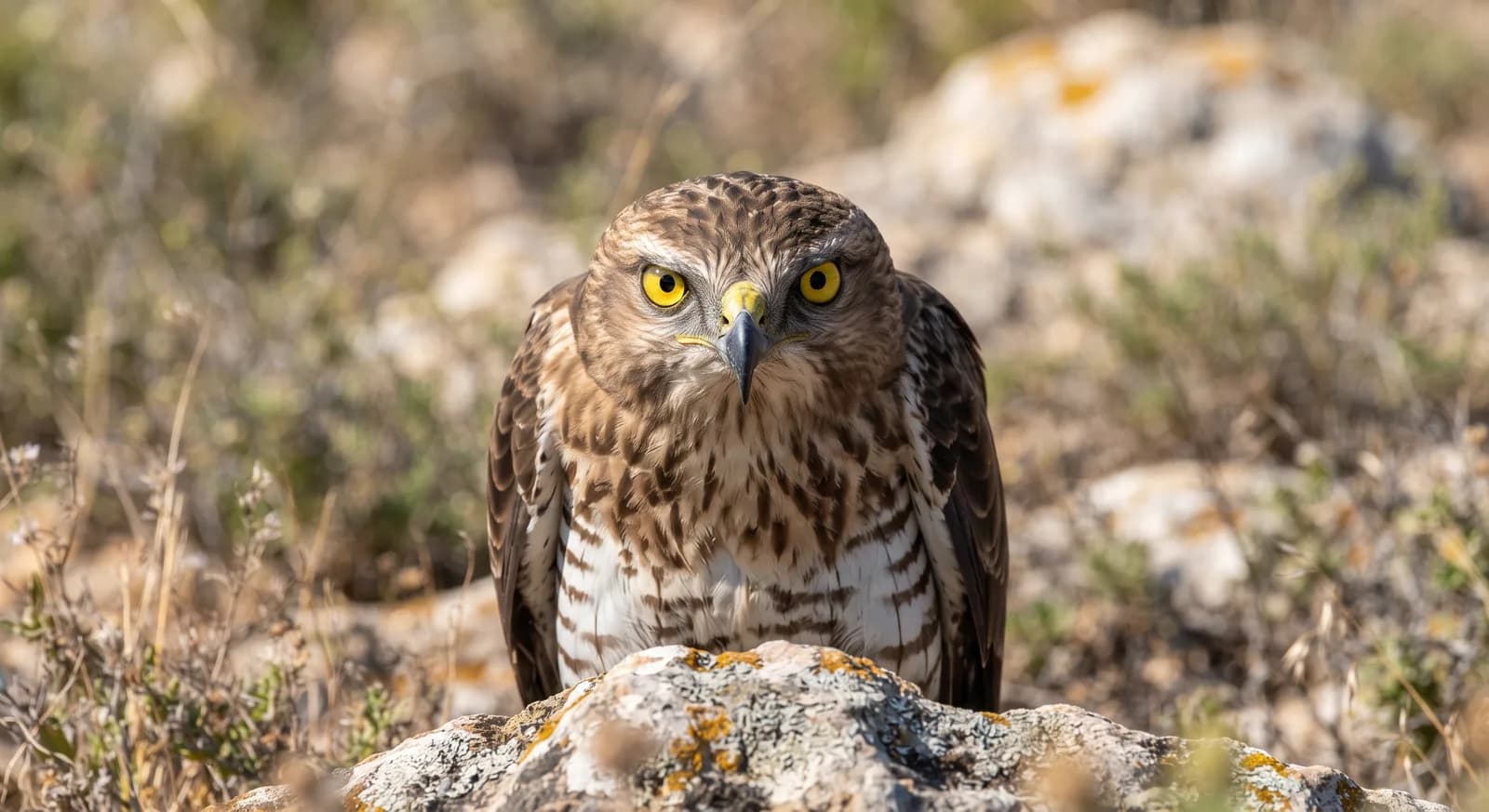 Least Concern
Short-toed Eagle
Circaetus gallicus
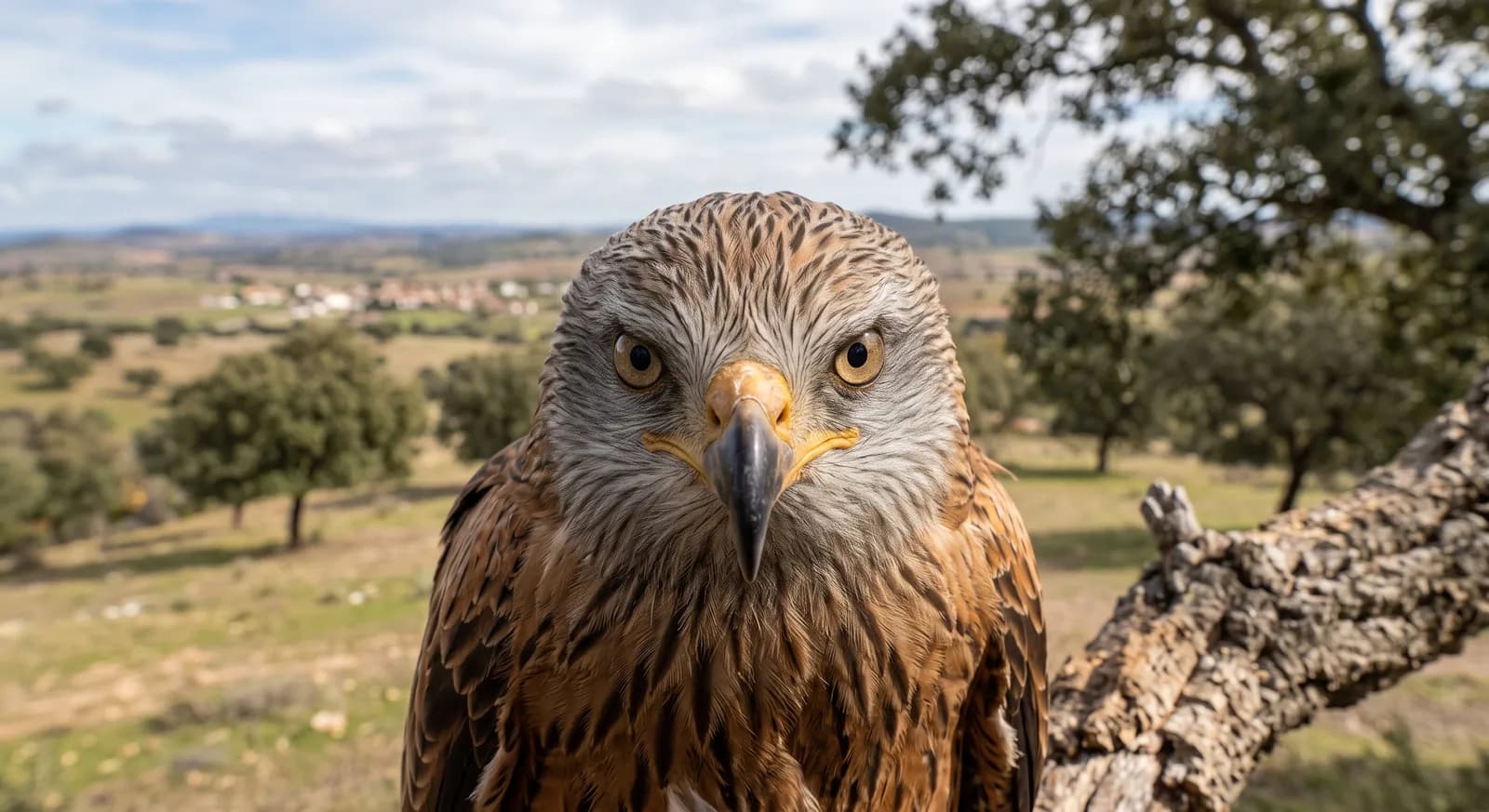 Least Concern
Red Kite
Milvus milvus
Eurasian Sparrowhawk
Accipiter nisus
Lesser Spotted Eagle
Clanga pomarina
Northern Goshawk
Accipiter gentilis
Common Buzzard
Buteo buteo
Keep exploring
Based on what we already know about black kite.
Comments
Share an experience, a fun fact or a tip for seeing the black kite.
Be the first to comment.