One of the 2 earthworms on WAnimals
Clitellate annelids · Crassiclitellata · Lumbricidae
Lumbricus terrestris
It has not yet been assessed against the IUCN criteria.
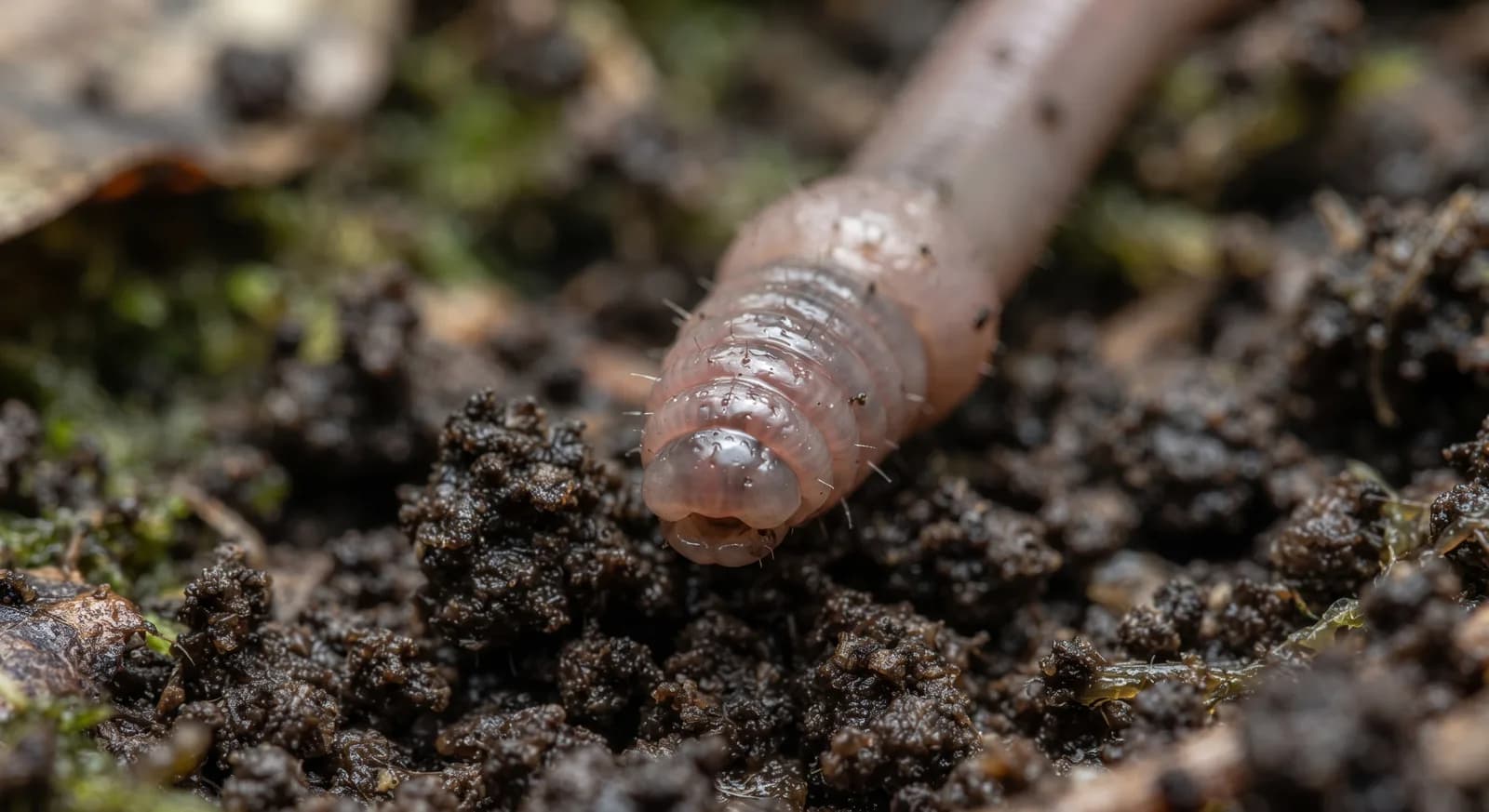
The largest earthworm that occurs naturally in Europe. A cylindrical body segmented into up to 180 rings, reddish brown on the back and yellowish on the belly, with one end pointed and the other rounded and somewhat flattened.
Weight
1 g on average
Size
9 cm – 30 cm
Life expectancy
8 years
Diet
Detritivore
Feeds on dead organic matter as it decomposes.
Activity
Nocturnal
Active mainly at night.
Social structure
Solitary
Lives and hunts alone, joining others only to breed.
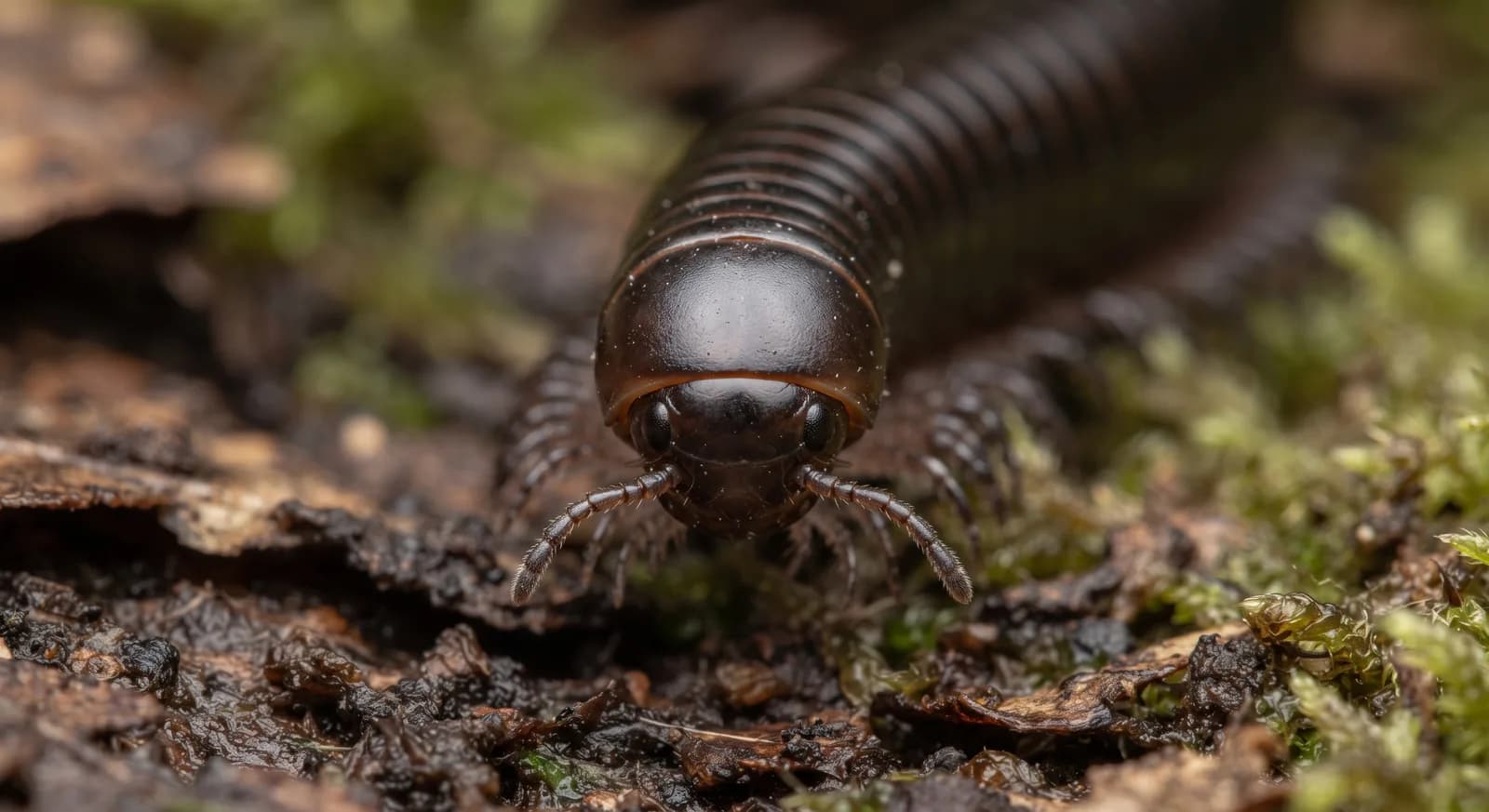
AI-generated images: illustrations, not photographs.
Sources consulted: Asturnatura · Wikipedia (Lumbricus terrestris) · Biopedia · CABI (ficha de especie introducida) · Darwin 1881, The Formation of Vegetable Mould through the Action of Worms
Best time: Damp nights and rainy days, when it comes to the surface to feed and mate
Parks and dive sites where this species has been documented — showing 10 of 210.
Other species in the catalogue with the most in common with Common Earthworm — same habitat, park, country, tags or family.
Based on what we already know about common earthworm.
The pins mark the parks where its presence is documented.