 Least Concern
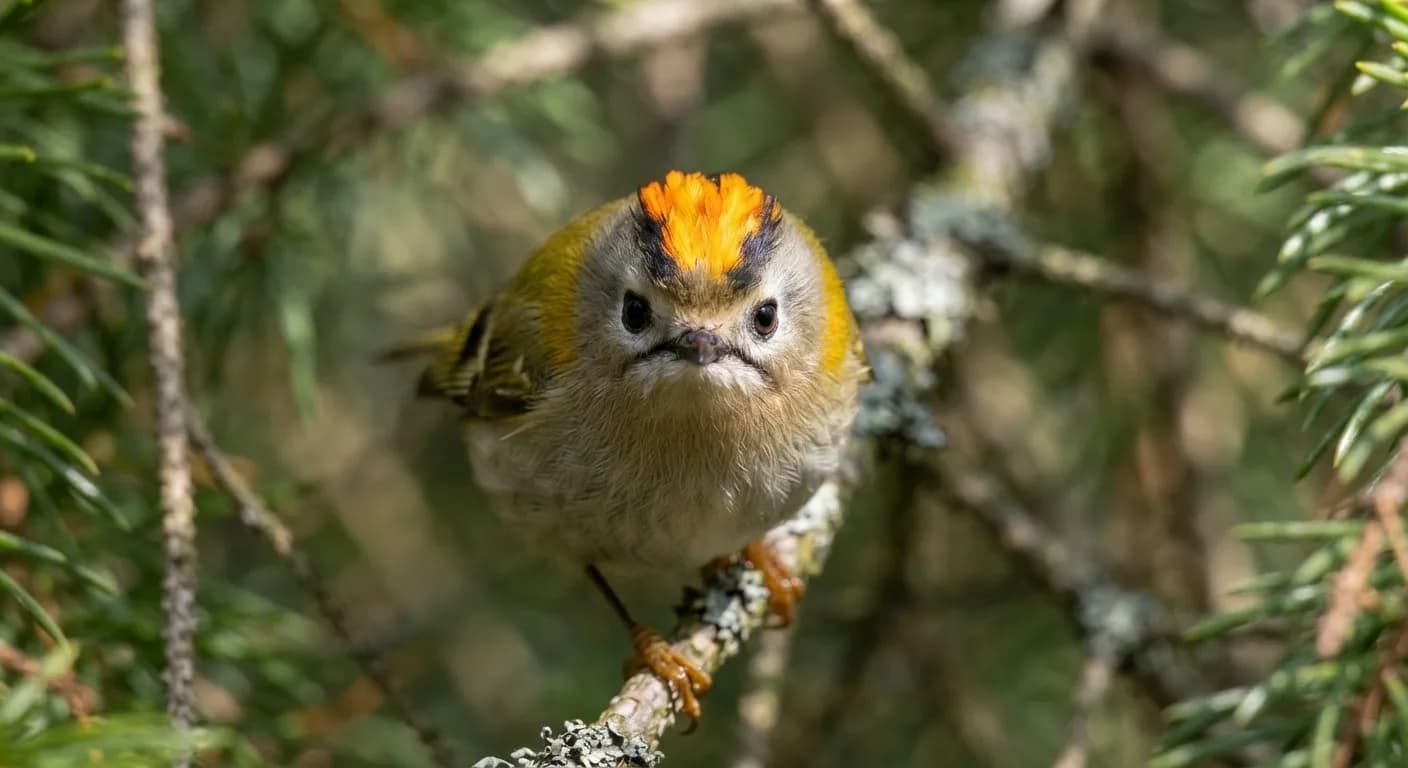
Goldcrest
Regulus regulus
Birds · Passeriformes · Acrocephalidae
Acrocephalus scirpaceus
The species is abundant and widely distributed; it faces no significant short-term risk.
A brown bird without striking markings, with a small head in relation to its long, sharp bill, cream underparts and a reddish-brown rump. It lacks the supercilium and head stripes of other reed warblers. Almost impossible to see among the reeds, but very easy to hear.
Weight
12 g – 15 g
Size
13 cm on average
Life expectancy
5 years
Diet
Insectivore
Feeds mainly on insects and other invertebrates.
Activity
Diurnal
Active mainly during the day.
Social structure
In pairs
Usually lives in pairs, sometimes for life.
Estimated population
The European population is estimated at some 4 million pairs, more than half a million of them in Sweden
Sources consulted: SEO/BirdLife (ficha y III Atlas de las aves en época de reproducción en España) · IUCN Red List · Asturnatura · Gainzarain 2022, III Atlas · Jiménez et al. 2018, Ardeola 65 · Arizaga, Unamuno y Laso 2020, Munibe 68
Best time: From April to August, when its insistent song gives away the reedbeds at dusk
Parks and dive sites where this species has been documented — showing 10 of 183.
Other species in the catalogue with the most in common with Eurasian Reed Warbler — same habitat, park, country, tags or family.
Based on what we already know about eurasian reed warbler.
The pins mark the parks where its presence is documented.