One of the 5 buntings on WAnimals
Birds · Passeriformes · Emberizidae
Reed Bunting
Emberiza schoeniclus
The species is abundant and widely distributed; it faces no significant short-term risk. See full glossary
A medium-sized bunting with a chestnut-brown back and a streaked whitish belly. The male in breeding plumage has an intensely black head and throat, with a white collar and moustachial stripe; the female darkens on the head and breast but has no collar.
Weight
18 g on average
Size
15 cm – 16.5 cm
Diet
Omnivore
Combines animal and plant food depending on availability.
Activity
Diurnal
Active mainly during the day.
Social structure
In pairs
Usually lives in pairs, sometimes for life.
Sighting difficulty
Easy
Estimated population
Fewer than 400 breeding pairs in the first national survey (2005); 110 in 2019. In 2015 the eastern Iberian subspecies was present in only 10 Spanish wetlands
Fun facts
- GeneralThe thick-billed Iberian subspecies is critically endangered.
- It was SEO/BirdLife's Bird of the Year for 2009, precisely because of its critical position.
- The two subspecies that breed in Spain, lusitanica and witherbyi, are Iberian endemics and both are listed as Endangered in the Spanish Catalogue of Threatened Species.
- A population viability analysis predicts that the eastern Iberian subspecies will halve within 20 years and could become extinct in the 2070s.
Life cycle & biology
- Skeleton type
- Vertebrate - internal bony skeleton (bird)
- Habitat & environment
- Reedbeds, rush beds and saltmarsh
- Sexual maturity
- 12 months
- Gestation / incubation
- 12-15 days, mainly by the female
- Litter / clutch size
- 3-7 purplish eggs with regular blotches and streaks, in a cup-shaped nest placed at the base of the vegetation
Sources consulted: SEO/BirdLife (ficha y III Atlas de las aves en época de reproducción en España); IUCN Red List; Asturnatura; Atienza 2006, El escribano palustre en España, I Censo Nacional (SEO/BirdLife); Monrós et al. 2017, Censo nacional; González et al. 2022; Libro Rojo de las Aves de España 2021; Kvist et al. 2011
Where to find it
See its range on the interactive mapBest time: Winter is when it is easiest to see, when the European birds arrive and it forms roosts in the reedbeds
Where to watch it
Parques y spots de buceo donde se ha documentado esta especie — se muestran 10 de 152 documentados.
Related species
Other species in the catalogue with the most in common with Reed Bunting — same habitat, park, country, tags or family.
Rock Bunting
Emberiza cia
Corn Bunting
Emberiza calandra
Yellowhammer
Emberiza citrinella
 Least Concern
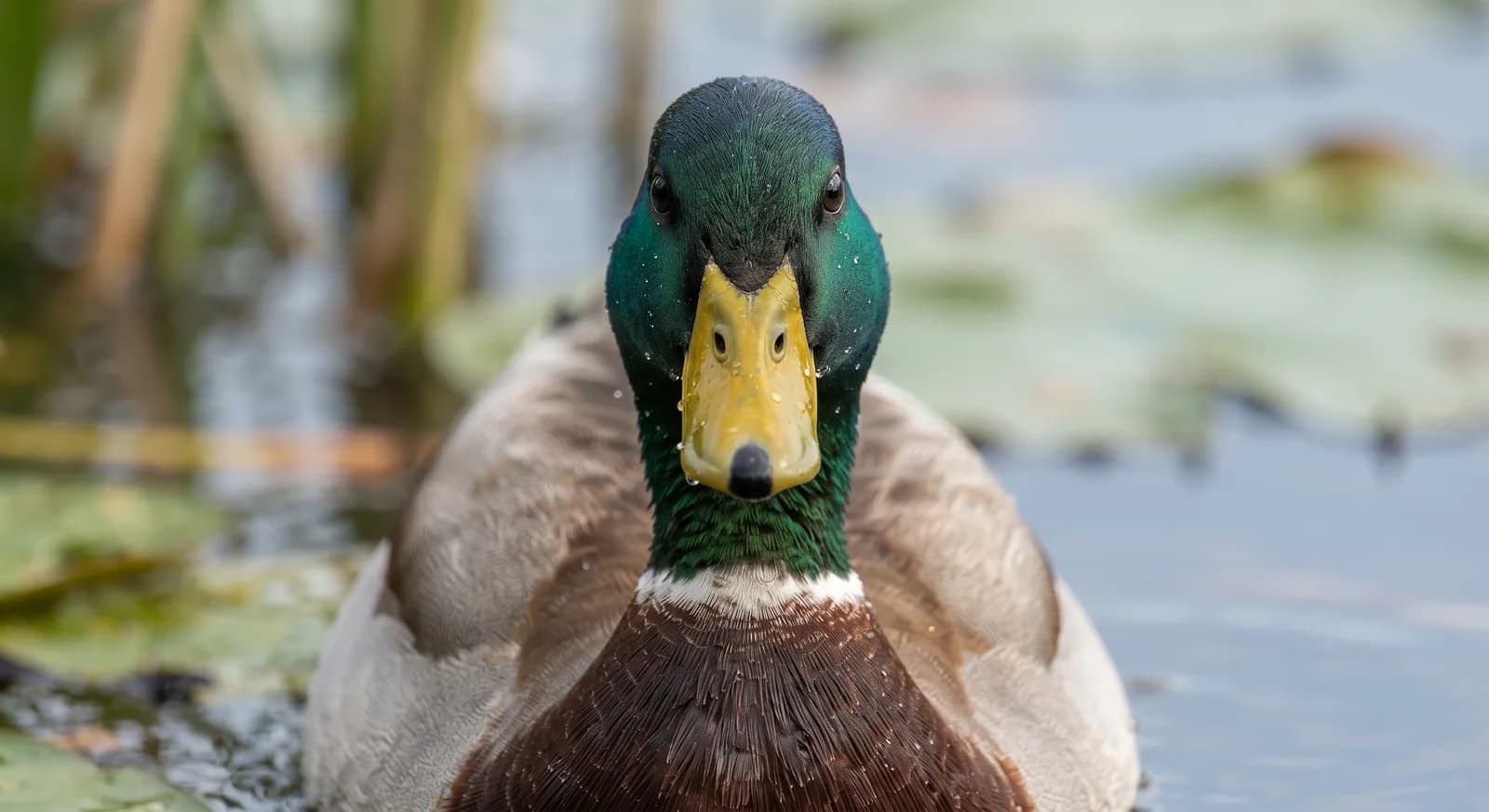
Mallard
Anas platyrhynchos
 Least Concern
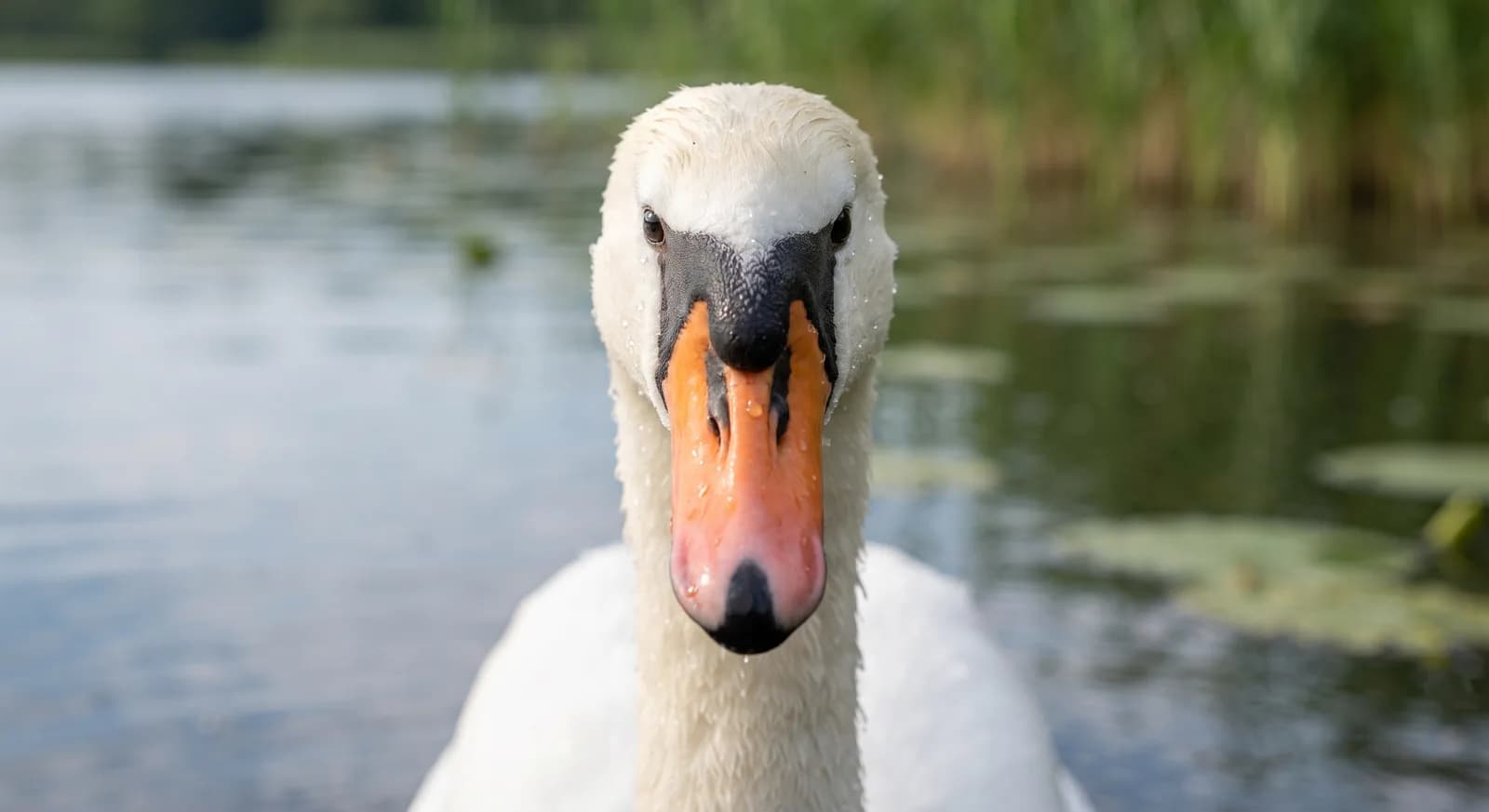
Mute Swan
Cygnus olor
Whooper Swan
Cygnus cygnus
Keep exploring
Based on what we already know about reed bunting.
Comments
Share an experience, a fun fact or a tip for seeing the reed bunting.
Be the first to comment.