Skip to content
WAnimals
  • Map
  • Species
  • Parks
  • Diving
Log inCreate account
WAnimals

The guide for travellers and animal lovers: discover, plan and share your wild adventures around the world.

Discover wildlife

  • Species
  • Ecosystems
  • Glossary
  • Tags

Explore places

  • Map
  • Countries
  • Parks
  • Diving

Plan experiences

  • Guides

Learn

  • Blog

Resources

  • Help centre
  • Contact
  • Install the app

Follow us

Account

  • Log in
  • Create account

© 2026 WAnimals. All rights reserved.

About usHow we build our profilesTerms of servicePrivacyLegal notice
MapSpeciesParksDiving
  1. Home
  2. Species
  3. Eurasian Wigeon
Eurasian Wigeon (Mareca penelope)

Birds · Anseriformes · Anatidae

Eurasian Wigeon

Mareca penelope

Least Concern

The species is abundant and widely distributed; it faces no significant short-term risk.

Spotted something wrong?

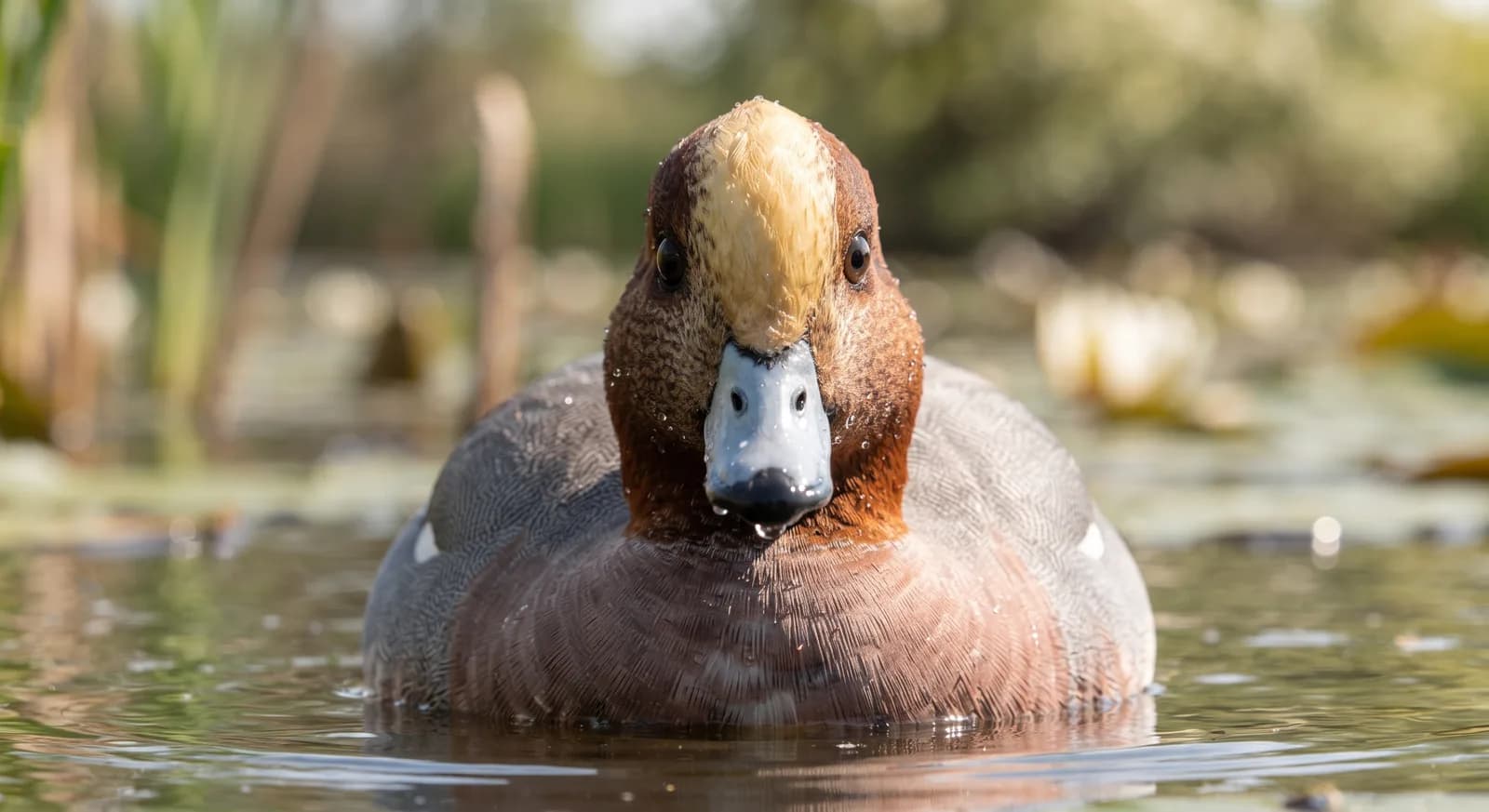
A medium-sized duck of compact appearance, with a short neck, a pointed tail and a small greyish bill. The male in breeding plumage has a chestnut head and neck with a creamy yellow forehead and crown, a pink breast and a finely vermiculated grey back.

Weight

500 g – 1.1 kg

Size

42 cm – 52 cm

Diet

Herbivore

Feeds mainly on plants.
Activity

Diurnal

Active mainly during the day.

Sighting difficulty

Easy

Estimated population

Between 2.8 and 3.3 million individuals worldwide, declining. The European population totals 469,000-645,000 pairs, equivalent to 937,000-1,290,000 mature birds

TundraFreshwater
46countries109parks42same family

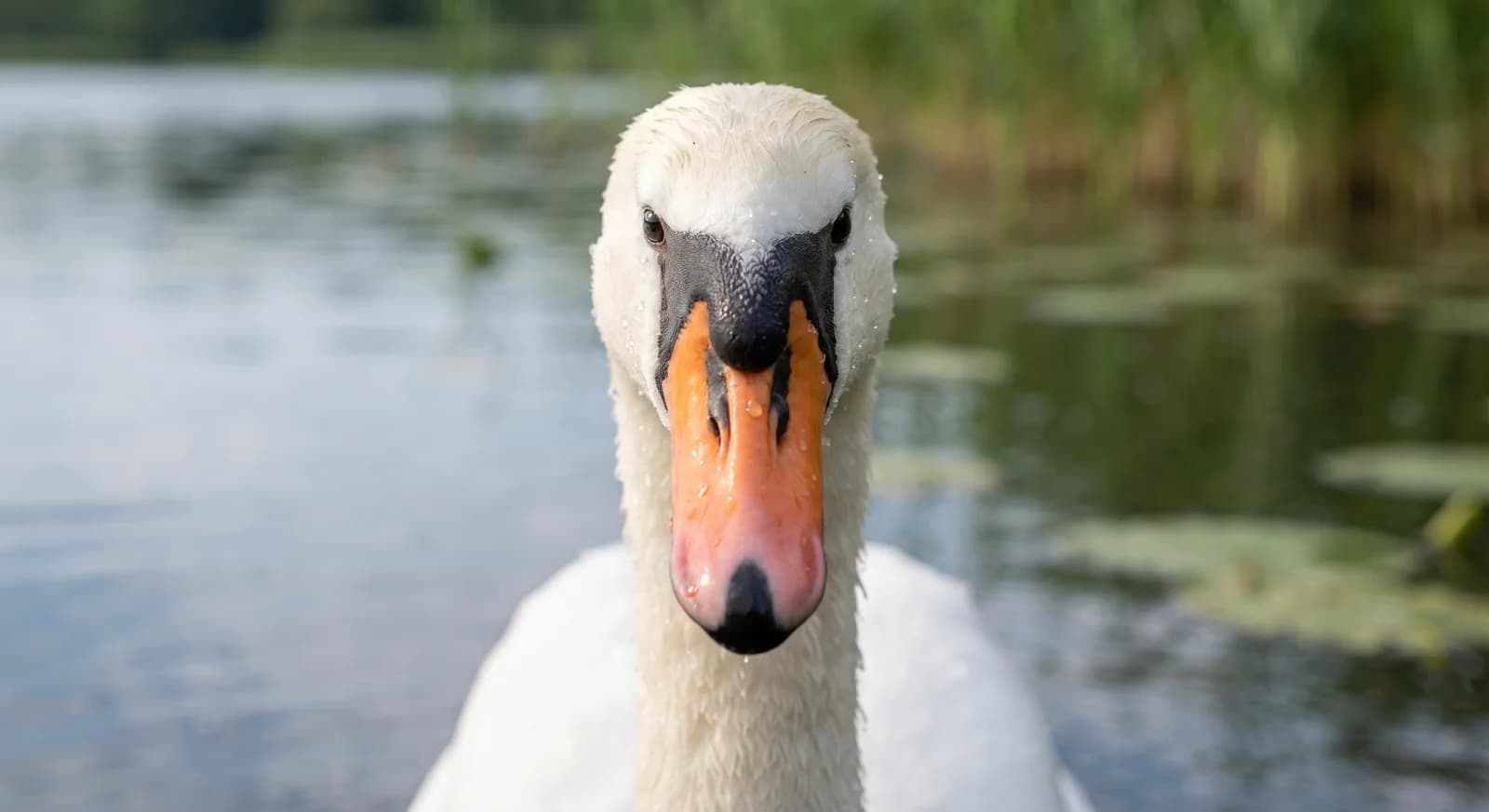
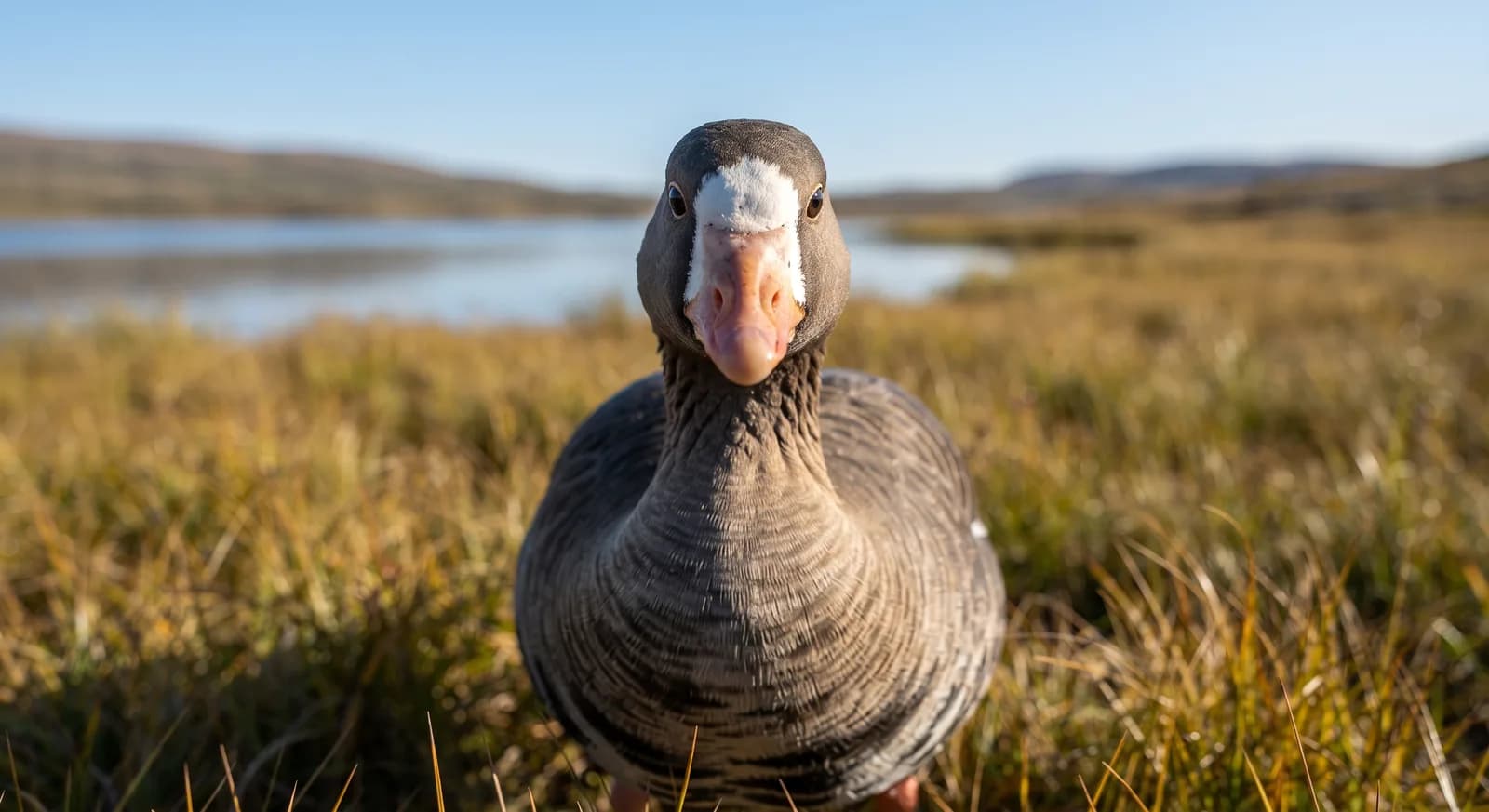
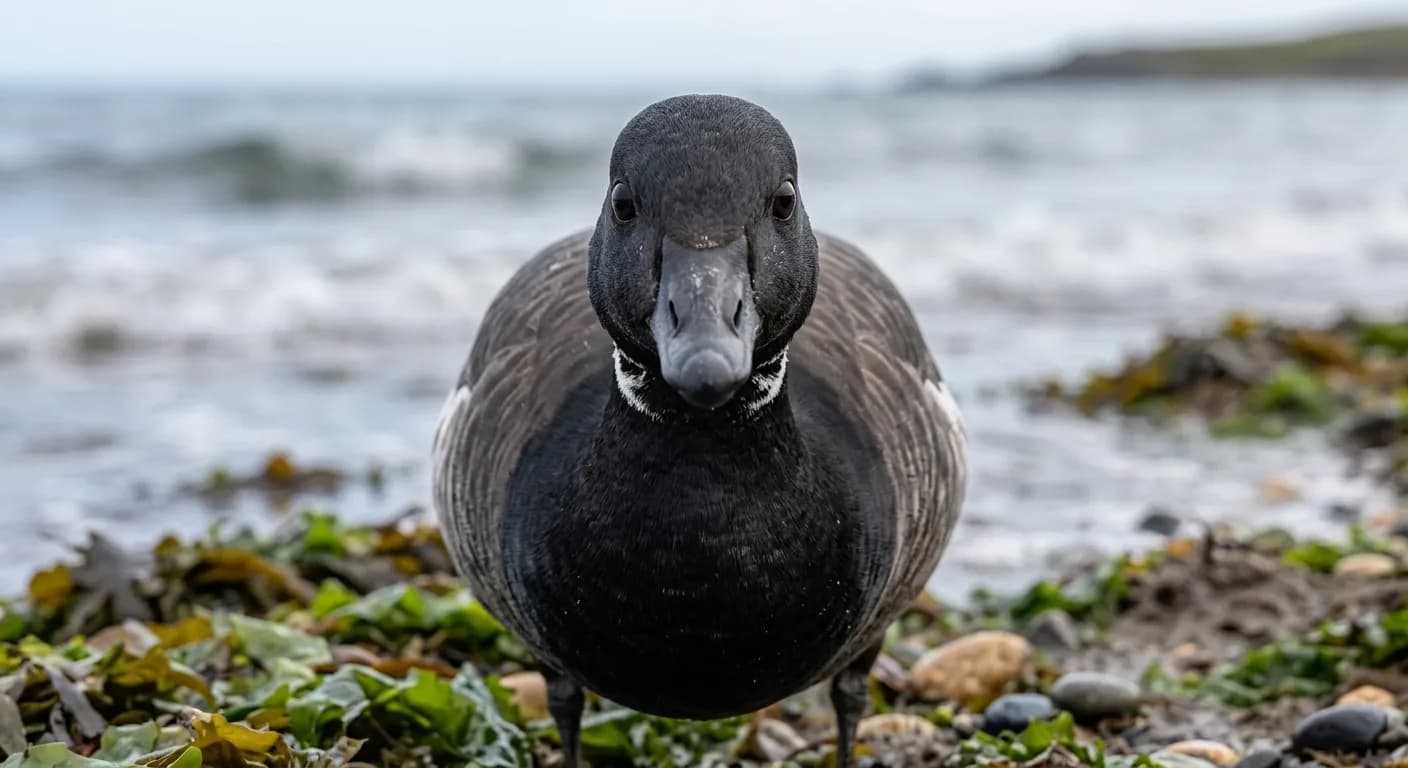
AI-generated images: illustrations, not photographs.

Fun facts

  • GeneralIts shrill whistle is one of the characteristic sounds of the winter marshes.
  • It is a monotypic species: no subspecies are recognised across its enormous Palaearctic range.
  • It does not breed in Spain: the birds that arrive come from Iceland, the British Isles and the coasts of the North Sea and the Baltic.
  • It owes its name to the male's high, musical whistle, very different from the typical quacking of the dabbling ducks.
  • The 2021 Red Book of the Birds of Spain classifies it as Near Threatened because of its declining population trend, even though in Spain it occurs only as a winter visitor.

Life cycle and biology

Skeleton type
Vertebrate - internal bony skeleton (bird)
Habitat and environment
Tundra when breeding; saltmarsh and flooded meadows in winter
Size at birth
Precocial chicks, able to feed themselves within hours of hatching, which complete their development in 40-45 days
Sexual maturity
Between one and two years
Gestation / incubation
24-25 days of incubation, with the whole clutch hatching at once
Litter / clutch size
8-9 creamy eggs, which may reach 12

Sources consulted: SEO/BirdLife (ficha y III Atlas de las aves en época de reproducción en España); IUCN Red List; Asturnatura; Lista Roja Europea de Aves; Del Hoyo et al. 1992, Handbook of the Birds of the World; Carboneras et al. 2020, Birds of the World

Where to find it

Best time: From September to March, when it arrives at the Spanish wetlands

Loading map…

Where to see it

Parks and dive sites where this species has been documented — showing 10 of 109.

Related species

Other species in the catalogue with the most in common with Eurasian Wigeon — same habitat, park, country, tags or family.

Same taxonomic family

Keep exploring

Based on what we already know about eurasian wigeon.

Comments

Share an experience, a fun fact or a tip for seeing the eurasian wigeon.

Be the first to comment.

See full glossary
This page in other languages: Español · Deutsch · Français · Português · Italiano

The pins mark the parks where its presence is documented.

See its range on the interactive map→
Doñana National ParkSpain
SarekSweden
PadjelantaSweden
JotunheimenNorway
HardangerviddaNorway
VatnajokullIceland
Thingvellir (Þingvellir)Iceland
Pallas-YllastunturiFinland
Urho KekkonenFinland
Lake DistrictUnited Kingdom
See all 109 parks
Least Concern

Gadwall

Mareca strepera

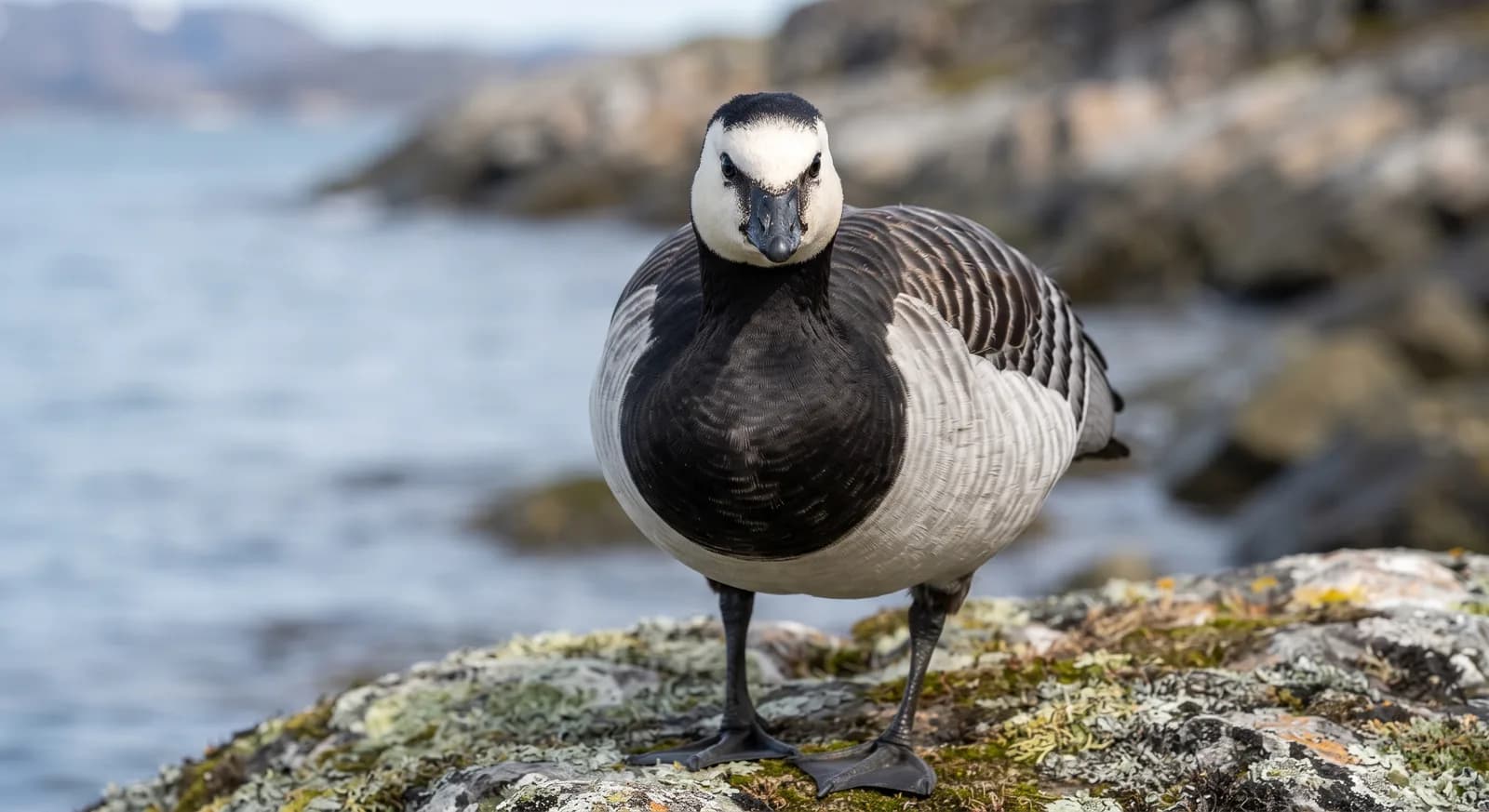
Barnacle GooseLeast Concern

Barnacle Goose

Branta leucopsis

Least Concern

Whooper Swan

Cygnus cygnus

Mute SwanLeast Concern

Mute Swan

Cygnus olor

Greater White-fronted GooseLeast Concern

Greater White-fronted Goose

Anser albifrons

Brent GooseLeast Concern

Brent Goose

Branta bernicla

CountriesFinland
ParksDoñana National ParkSpain
TagsHerbivore
Herbivore
Diurnal
Bird
Tundra
Freshwater

Europe41

Asia5

Finland
Sweden
United Kingdom
Norway
Netherlands
Ireland
Albania
Andorra
Austria
Belarus
Belgium
Bosnia and Herzegovina
Bulgaria
Croatia
Czechia
Denmark
Estonia
Finland
France
Germany
Greece
Hungary
Iceland
Ireland
Italy
Kosovo
Latvia
Liechtenstein
Lithuania
Luxembourg
Moldova
Montenegro
Netherlands
North Macedonia
Norway
Poland
Portugal
Romania
San Marino
Serbia
Slovakia
Slovenia
Spain
Sweden
Switzerland
Ukraine
United Kingdom
Armenia
Azerbaijan
Georgia
Russia
Türkiye