Skip to content
WAnimals
  • Map
  • Species
  • Parks
  • Diving
Log inCreate account
WAnimals

The guide for travellers and animal lovers: discover, plan and share your wild adventures around the world.

Discover wildlife

  • Species
  • Ecosystems
  • Glossary
  • Tags

Explore places

  • Map
  • Countries
  • Parks
  • Diving

Plan experiences

  • Guides

Learn

  • Blog

Resources

  • About us
  • How we build our profiles
  • Help centre
  • Contact
  • Install the app

Follow us

Account

  • Log in
  • Create account

© 2026 WAnimals. All rights reserved.

Terms of servicePrivacyCookiesLegal notice
MapSpeciesParksDiving
  1. Home
  2. Species
  3. Marble Gall

One of the 9 wasps on WAnimals

Insects · Hymenoptera · Cynipidae

Marble Gall

Andricus kollari

Not Evaluated

It has not yet been assessed against the IUCN criteria.

Spotted something wrong?

A tiny gall wasp whose development takes place inside a woody sphere that it induces the oak to grow on its buds. The wasp does not eat the tree: it injects substances that force the oak to build a structure of nourishing, protective tissue around it.

Size

0.2 cm – 0.2 cm

Diet

Herbivore

Feeds mainly on plants.

Social structure

Solitary

Lives and hunts alone, joining others only to breed.

40countries

Fun facts

  • Its galls, rich in tannins, were for centuries the raw material of iron gall ink, with which manuscripts were written and copied across Europe from the Middle Ages to the nineteenth century.
  • It alternates generations: a minute sexual one on one oak species, and another made up only of females that reproduce without males on a different species, a cycle that baffled entomologists for decades.
  • Each gall may also house other parasitic and inquiline wasps, forming a community of dozens of species inside a ball the size of a marble.
  • Its history in Great Britain is a case of deliberate introduction for industrial reasons. It was introduced in the 1830s because its galls, rich in tannins, were used to make iron gall ink and for tanning and dyeing.
  • That ink was Europe's writing ink for more than a thousand years: the ink of medieval manuscripts, of Magna Carta and of a large part of historical archives. And over time it has become a conservation problem, because its acidity corrodes paper.
  • It has alternating generations on different hosts: a sexual generation on the Turkey oak, Quercus cerris, and an asexual one on European oaks. Without Turkey oak, the cycle cannot be completed.
  • That explains its spread: as Turkey oak was planted across Europe, the wasp was able to colonise whole regions where it had not been before.
  • The gall is not a built nest: the wasp chemically manipulates the development of the oak bud so that the tree itself builds it a chamber and feeds it.
  • Each gall normally houses a single larva, and dozens of species of inquilines and parasitoids later move in.

Life cycle and biology

Skeleton type
Invertebrate - chitin exoskeleton (insect)
Habitat and environment
Oak and holm oak woods of Europe and the Mediterranean
Gestation / incubation
A heterogonic cycle with alternating generations: the agamic generation develops in galls on Quercus robur and Q. petraea and emerges in September; the sexual generation needs Turkey oak (Quercus cerris) and matures in late winter
Litter / clutch size
A single egg per chamber: each spherical gall contains one female larva of the agamic generation

Sources consulted: Stone et al. (2002), Annual Review of Entomology · British Library, conservación de tinta ferrogálica · Buglife · Ficha de especie de Andricus kollari · RHS, guia de avispas de las agallas del roble · Ficha de especie de Andricus kollari (Wikipedia/iNaturalist)

Where to find it

Best time: The spherical galls are green in summer, ripen in August and stay brown and woody on the tree for years; the agamic adults emerge in September through a circular hole

Loading map…

Related species

Other species in the catalogue with the most in common with Marble Gall — same habitat, park, country, tags or family.

Related to
Related to
Related to
Related to
Related to
Related to

Keep exploring

Based on what we already know about marble gall.
Share an experience, a fun fact or a tip for seeing the marble gall.
See full glossary
This page in other languages: Español · Deutsch · Français · Português · Italiano
Temperate forest
See its range on the interactive map→
Vulnerable

Greater Capricorn Beetle

Cerambyx cerdo

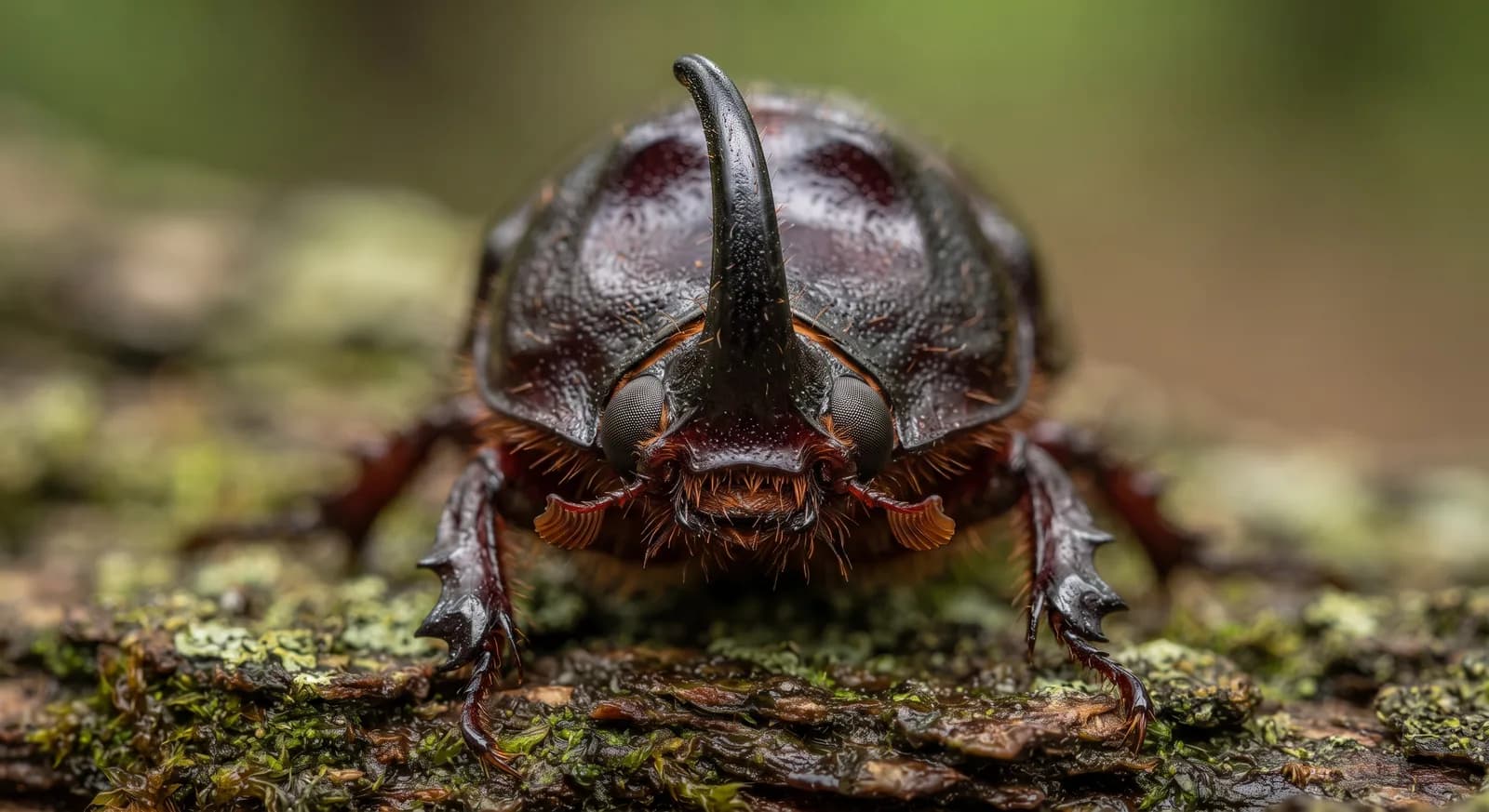
European Rhinoceros BeetleNot Evaluated

European Rhinoceros Beetle

Oryctes nasicornis

Not Evaluated

Emerald Ash Borer

Agrilus planipennis

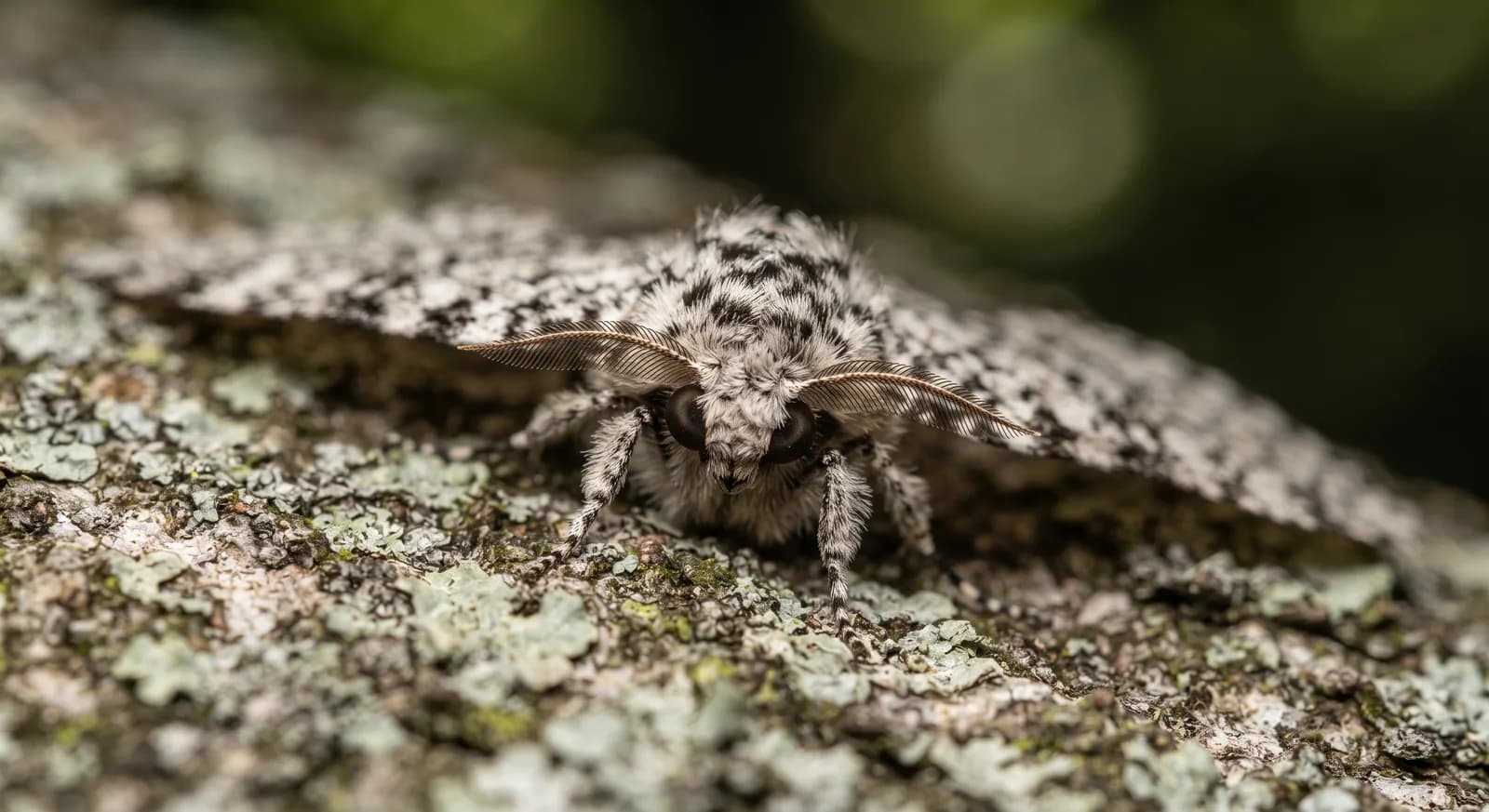
Peppered MothNot Evaluated

Peppered Moth

Biston betularia

Not Evaluated

Western Conifer Seed Bug

Leptoglossus occidentalis

Common Furniture BeetleNot Evaluated

Common Furniture Beetle

Anobium punctatum

CountriesAlbania
TagsHerbivore
Herbivore
Solitary
Insect
Temperate forest

Europe39

Asia1

Albania
Andorra
Austria
Belarus
Belgium
Bosnia and Herzegovina
Albania
Andorra
Austria
Belarus
Belgium
Bosnia and Herzegovina
Bulgaria
Croatia
Czechia
Denmark
Estonia
Finland
France
Germany
Greece
Hungary
Ireland
Italy
Latvia
Liechtenstein
Lithuania
Luxembourg
Moldova
Monaco
Montenegro
Netherlands
North Macedonia
Norway
Poland
Portugal
Romania
Serbia
Slovakia
Slovenia
Spain
Sweden
Switzerland
Ukraine
United Kingdom
Russia