Skip to content
WAnimals
  • Map
  • Species
  • Parks
  • Diving
Log inCreate account
WAnimals

The guide for travellers and animal lovers: discover, plan and share your wild adventures around the world.

Discover wildlife

  • Species
  • Ecosystems
  • Glossary
  • Tags

Explore places

  • Map
  • Countries
  • Parks
  • Diving

Plan experiences

  • Guides

Learn

  • Blog

Resources

  • About us
  • How we build our profiles
  • Help centre
  • Contact
  • Install the app

Follow us

Account

  • Log in
  • Create account

© 2026 WAnimals. All rights reserved.

Terms of servicePrivacyCookiesLegal notice
MapSpeciesParksDiving
  1. Home
  2. Species
  3. Western Conifer Seed Bug

One of the 7 bugs on WAnimals

Insects · Hemiptera · Coreidae

Western Conifer Seed Bug

Leptoglossus occidentalis

Not Evaluated

It has not yet been assessed against the IUCN criteria.

Spotted something wrong?

The western conifer seed bug is a hemipteran insect of the family Coreidae. It is a species native to western North America, from the Rocky Mountains and California to British Columbia and Idaho, but it has recently extended its range into eastern North America, in areas such as Connecticut and New Hampshire, into Mexico, and has reached Argentina and Europe accidentally, where it behaves as an invasive alien species and affects stone pine nut harvests and pine nursery stock. The first European record was in Italy in 1999. In Asia, it was first found in Japan in 2008. In Spain it is included in the Spanish Catalogue of Invasive Alien Species, regulated by Royal Decree 630/2013.

Size

up to 2 cm

Life expectancy

1 year

Diet

Herbivore

Feeds mainly on plants.

Social structure

Solitary

Lives and hunts alone, joining others only to breed.

Temperate forest
52countries62parks

Fun facts

  • Its feeding punctures empty out pine seeds and have sharply cut pine nut harvests in some parts of the Mediterranean.
  • In autumn it looks for somewhere to overwinter and gets into lofts, blinds and window frames by the thousand, though indoors it is entirely harmless.
  • Its flattened, leaf-shaped hind legs make it unmistakable and are the reason for its common name.
  • It is native to western North America and reached Europe in 1999, detected near Vicenza in northern Italy, probably in imported timber; within a few years it was in more than fifteen European countries.
  • It pierces the cones with its stylet and empties the developing seeds; the external damage is almost invisible, but seed viability drops sharply.
  • It buzzes loudly in flight and flies rather like a bumblebee; when disturbed it gives off a resinous smell.
  • It can pierce cross-linked polyethylene pipes with its mouthparts and cause leaks.
  • In autumn it comes into houses in large numbers looking for shelter, but it does not bite or damage the structure.

Life cycle and biology

Skeleton type
Invertebrate - chitin exoskeleton (insect)
Habitat and environment
Pine woods and other conifer stands; it feeds on the seeds inside the cones and on the shoots, and overwinters as an adult in bark crevices or inside buildings
Size at birth
Barrel-shaped egg of about 2 mm; the early-instar nymphs are red or orange with dark legs
Sexual maturity
The overwintering adults become active again in mid-March and lay in spring; one to two generations a year are recorded in Europe, and up to four depending on the locality
Gestation / incubation
The eggs hatch in about 10 days; the nymphs go through five instars and reach adulthood by midsummer
Litter / clutch size
Rows of 10 to 50 barrel-shaped eggs, glued one after another onto conifer needles; up to about 80 eggs per female per season are reported

Sources consulted: Wikipedia (es): Leptoglossus occidentalis · Ficha de especie de Leptoglossus occidentalis · Forest Pests Europe · Museum Pests, ficha Western conifer seed bug · observaciones del Pacifico Noroeste · Fichas de manejo de Leptoglossus occidentalis · Barta, desarrollo y supervivencia invernal de L. occidentalis en Eslovaquia

Where to find it

Best time: Autumn, when it seeks shelter and comes into houses

Loading map…

Where to see it

Parks and dive sites where this species has been documented — showing 10 of 62.

Related species

Other species in the catalogue with the most in common with Western Conifer Seed Bug — same habitat, park, country, tags or family.

Shares a park
Shares a park
Shares a park
Shares a park
Shares a park
Shares a park

Keep exploring

Based on what we already know about western conifer seed bug.

Share an experience, a fun fact or a tip for seeing the western conifer seed bug.
See full glossary
This page in other languages: Español · Deutsch · Français · Português · Italiano

The pins mark the parks where its presence is documented.
See its range on the interactive map→
Yellowstone National ParkUnited States
CévennesFrance
YosemiteUnited States
Grand CanyonUnited States
GlacierUnited States
Death ValleyUnited States
ZionUnited States
OlympicUnited States
Big BendUnited States
Channel IslandsUnited States
See all 62 parks
Vulnerable

Greater Capricorn Beetle

Cerambyx cerdo

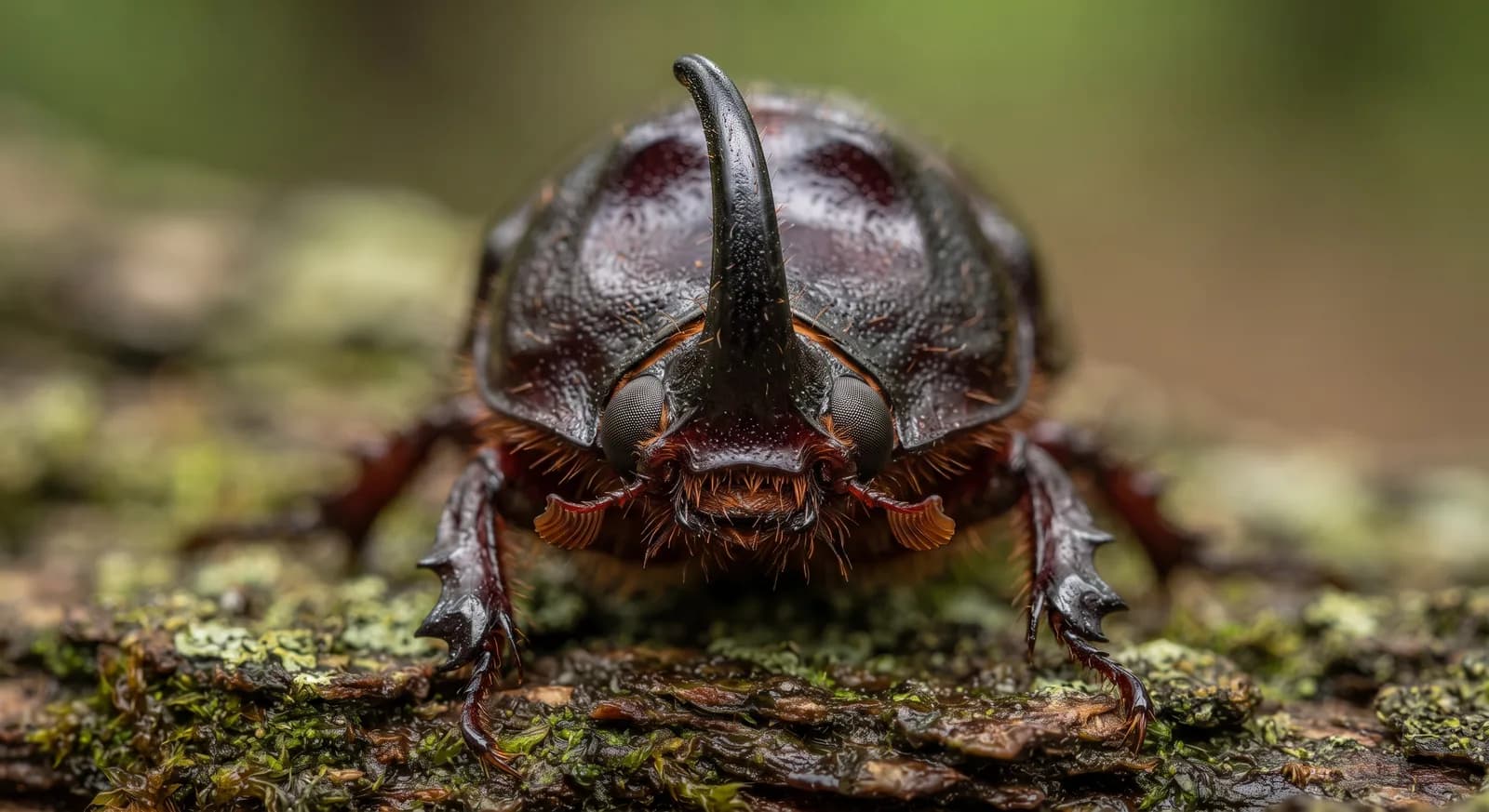
European Rhinoceros BeetleNot Evaluated

European Rhinoceros Beetle

Oryctes nasicornis

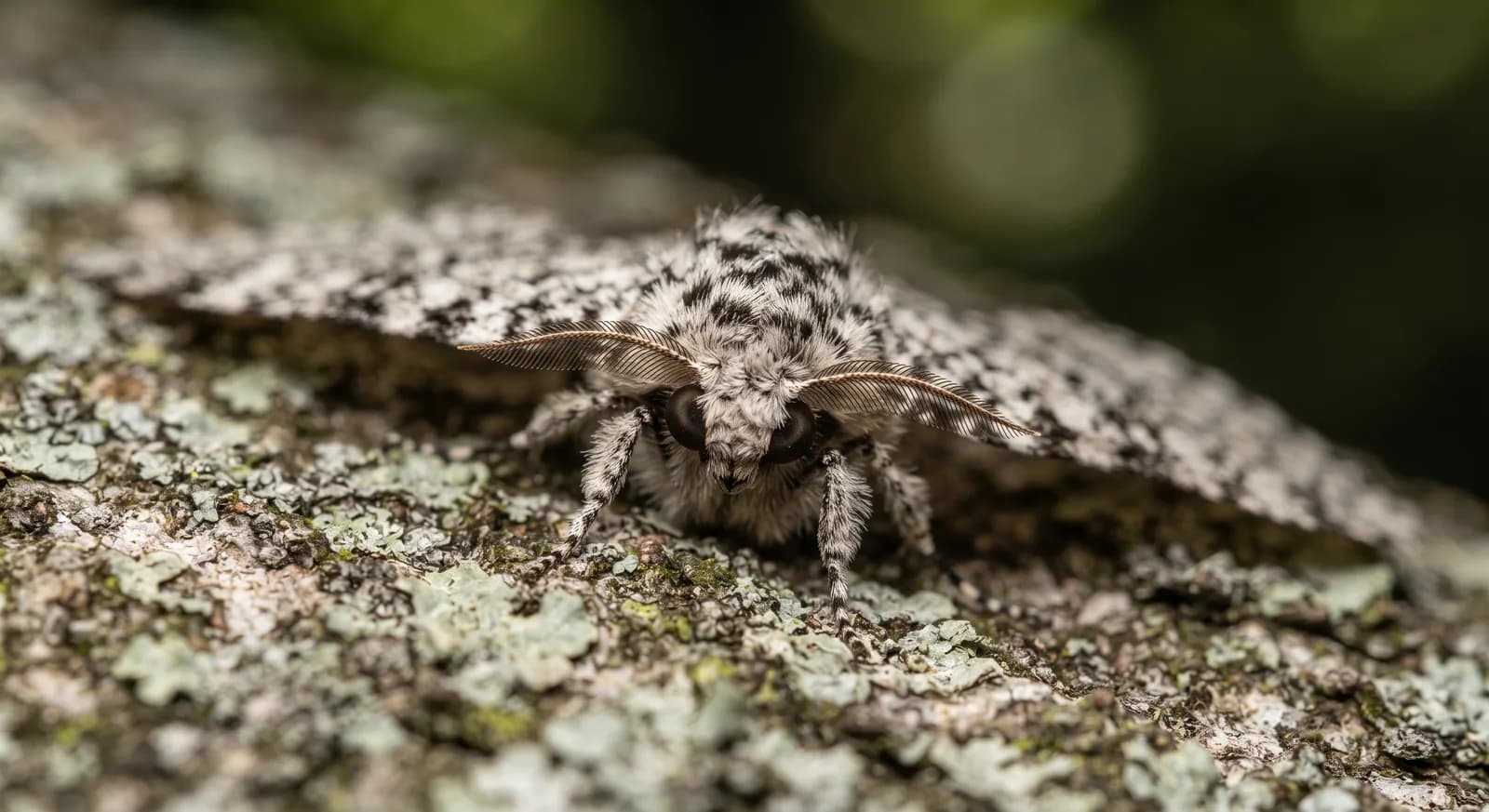
Peppered MothNot Evaluated

Peppered Moth

Biston betularia

Not Evaluated

Duke of Burgundy Fritillary

Hamearis lucina

Least Concern

Rosalia Longicorn

Rosalia alpina

Not Evaluated

Spanish Moon Moth

Graellsia isabellae

CountriesUnited States
ParksYellowstone National ParkUnited States
TagsHerbivore
Herbivore
Solitary
Insect
Temperate forest

Europe37

Asia7

Africa3

North America3

South America2

United States
Mexico
Canada
Spain
France
Germany
Albania
Austria
Belarus
Belgium
Bosnia and Herzegovina
Bulgaria
Croatia
Cyprus
Czechia
Denmark
Estonia
Finland
France
Germany
Greece
Hungary
Ireland
Italy
Latvia
Lithuania
Luxembourg
Malta
Moldova
Montenegro
Netherlands
Norway
Poland
Portugal
Romania
Serbia
Slovakia
Slovenia
Spain
Sweden
Switzerland
Ukraine
United Kingdom
China
Iran
Israel
Japan
Russia
South Korea
Türkiye
Algeria
Morocco
Tunisia
Canada
Mexico
United States
Argentina
Chile