Skip to content
WAnimals
  • Map
  • Species
  • Parks
  • Diving
Log inCreate account
WAnimals

The guide for travellers and animal lovers: discover, plan and share your wild adventures around the world.

Discover wildlife

  • Species
  • Ecosystems
  • Glossary
  • Tags

Explore places

  • Map
  • Countries
  • Parks
  • Diving

Plan experiences

  • Guides

Learn

  • Blog

Resources

  • About us
  • How we build our profiles
  • Help centre
  • Contact
  • Install the app

Follow us

Account

  • Log in
  • Create account

© 2026 WAnimals. All rights reserved.

Terms of servicePrivacyCookiesLegal notice
MapSpeciesParksDiving
  1. Home
  2. Species
  3. Duke of Burgundy Fritillary

Insects · Lepidoptera · Riodinidae

Duke of Burgundy Fritillary

Hamearis lucina

Not Evaluated

It has not yet been assessed against the IUCN criteria.

Spotted something wrong?

A small brown butterfly with a chequerboard of orange spots, the only European member of the family Riodinidae, which is highly diverse in the Neotropics. Its caterpillar feeds exclusively on primroses and cowslips.

Size

2.9 cm – 3.4 cm

Life expectancy

1 year

Diet

Herbivore

Feeds mainly on plants.

Activity

Diurnal

Active mainly during the day.

Social structure

Solitary

Lives and hunts alone, joining others only to breed.

Temperate forest
40countries31parks

Fun facts

  • It is the only European species of a family with more than fourteen hundred species in tropical America: an isolated relic on this continent.
  • It needs woodland clearings at a particular point in the succession, neither too open nor too closed, and the abandonment of traditional woodland management has driven it out of much of its European range.
  • The males, fiercely territorial, perch in the sun and chase off any insect that enters their patch.
  • It is the only European species of its family, the riodinids, a group of more than a thousand species almost all concentrated in the American tropics. In Europe it is a taxonomic rarity.
  • Its caterpillar depends on cowslips and oxlips, and it needs plants growing in woodland clearings with partial shade: if the clearing closes over or opens up too much, the plant no longer serves it.
  • That narrow requirement explains its decline: the species has vanished from much of its range in the United Kingdom and other countries, not for lack of food plants but through the abandonment of the traditional woodland practices that created clearings.
  • Males perch with their wings open on low vegetation and defend small territories in the sunny clearings.

Life cycle and biology

Skeleton type
Invertebrate - chitin exoskeleton (insect)
Habitat and environment
Woodland clearings and edges and limestone meadows with primroses
Size at birth
The caterpillar measures 1.6 mm on leaving the egg, after eating the whole crown and leaving a circular hole; the fourth instar reaches 16-17 mm and does not exceed 2 cm even after six weeks of feeding
Sexual maturity
The males are strongly territorial and keep watch from a prominent leaf at the edge of the scrub, from which they shoot out at rivals; the females are elusive and fly low looking for a laying site. The adults hardly visit flowers
Gestation / incubation
The eggs take 7 to 21 days to hatch depending on the weather; the caterpillar goes through four instars over about four weeks and leaves the food plant to pupate among tussocks of grass; the chrysalis overwinters until spring
Litter / clutch size
Clutches of one or a few eggs on the underside of the leaves of primrose (Primula vulgaris) and cowslip (Primula veris), in May and June; the eggs look like tiny pearls

Sources consulted: Butterfly Conservation (Reino Unido) · Tolman y Lewington · Thomas y Lewington, The Butterflies of Britain and Ireland · Woodland Trust · iNaturalist, ficha Hamearis lucina · Butterfly Conservation Yorkshire, ficha Duke of Burgundy · Butterfly Conservation, ficha Duke of Burgundy · ficha de especie de Hamearis lucina · UK Butterflies (descripcion de Frohawk)

Where to find it

Best time: Flies in May and June in sunlit woodland clearings and limestone grassland with sheltering scrub, always in very low numbers

Loading map…

Where to see it

Parks and dive sites where this species has been documented — showing 10 of 31.

Related species

Other species in the catalogue with the most in common with Duke of Burgundy Fritillary — same habitat, park, country, tags or family.

Shares a park
Shares a park
Shares a park
Shares a park
Shares a park
Shares a park

Keep exploring

Based on what we already know about duke of burgundy fritillary.

Share an experience, a fun fact or a tip for seeing the duke of burgundy fritillary.
See full glossary
This page in other languages: Español · Deutsch · Français · Português · Italiano
· iNaturalist

The pins mark the parks where its presence is documented.
See its range on the interactive map→
Doñana National ParkSpain
TeideSpain
CalanquesFrance
Cinque TerreItaly
Alonissos and the Northern SporadesGreece
GarajonaySpain
TimanfayaSpain
Port-CrosFrance
Cabrera ArchipelagoSpain
Ebro DeltaSpain
See all 31 parks
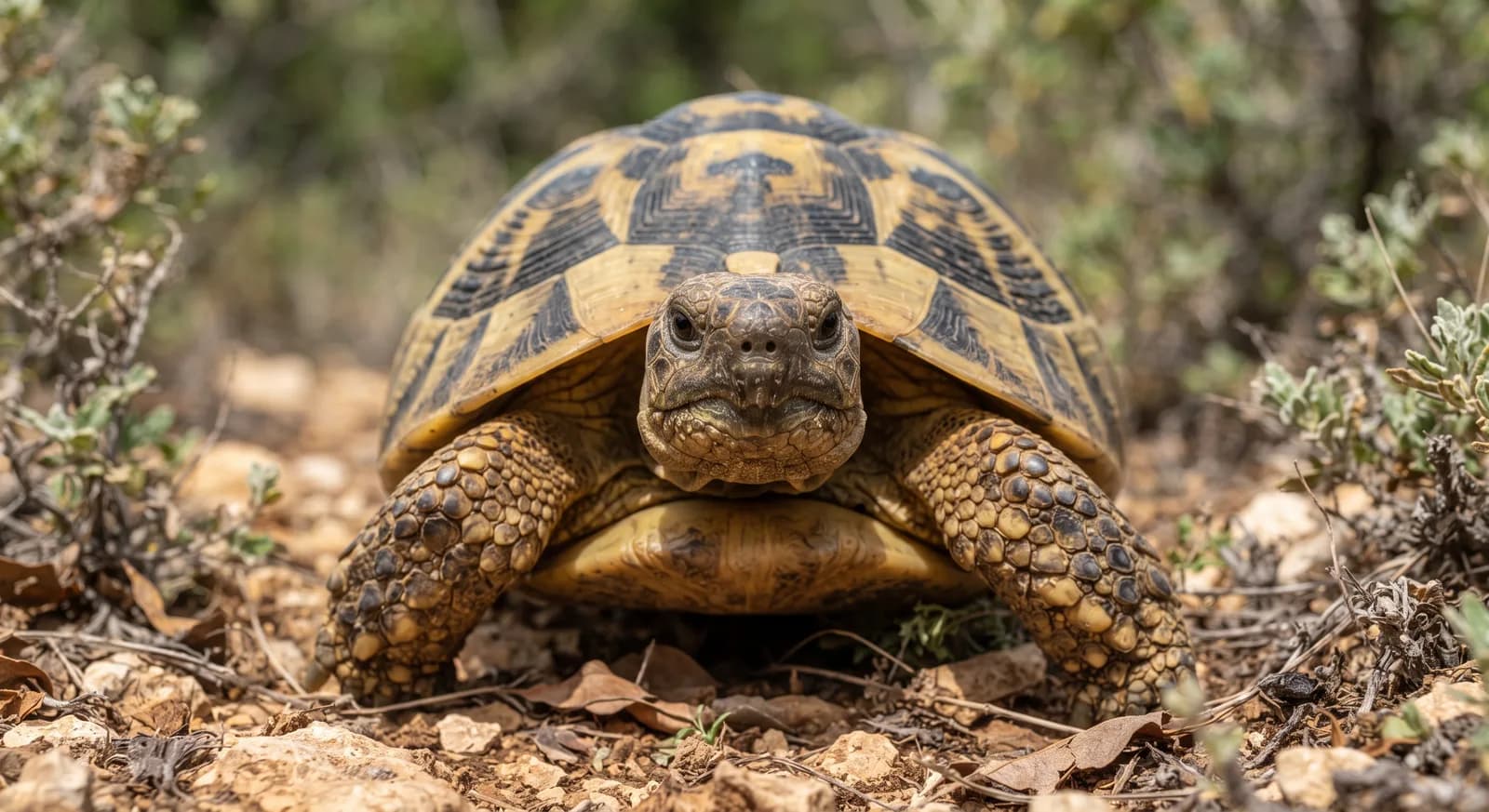
Hermann's TortoiseNear Threatened

Hermann's Tortoise

Testudo hermanni

Common TortoiseVulnerable

Common Tortoise

Testudo graeca

Vulnerable

Greater Capricorn Beetle

Cerambyx cerdo

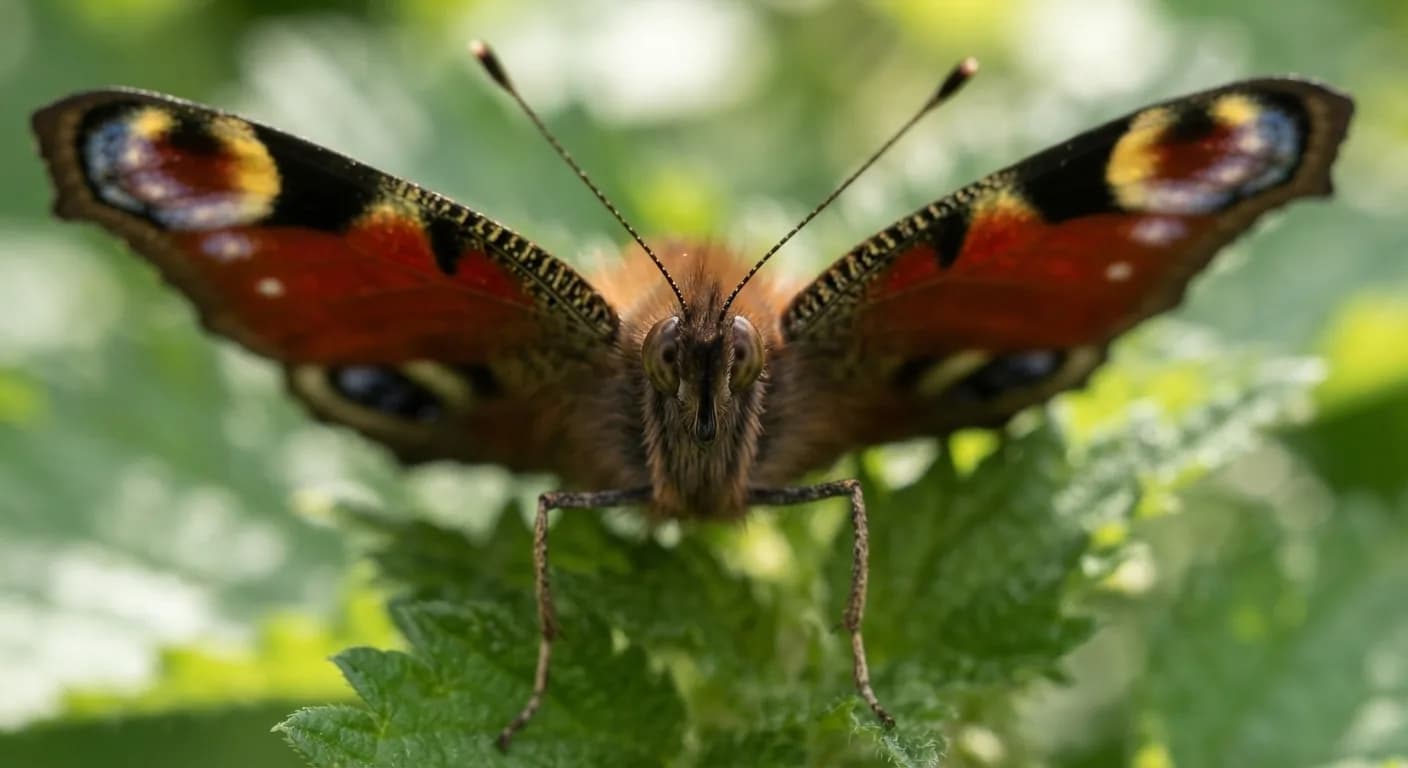
PeacockLeast Concern

Peacock

Aglais io

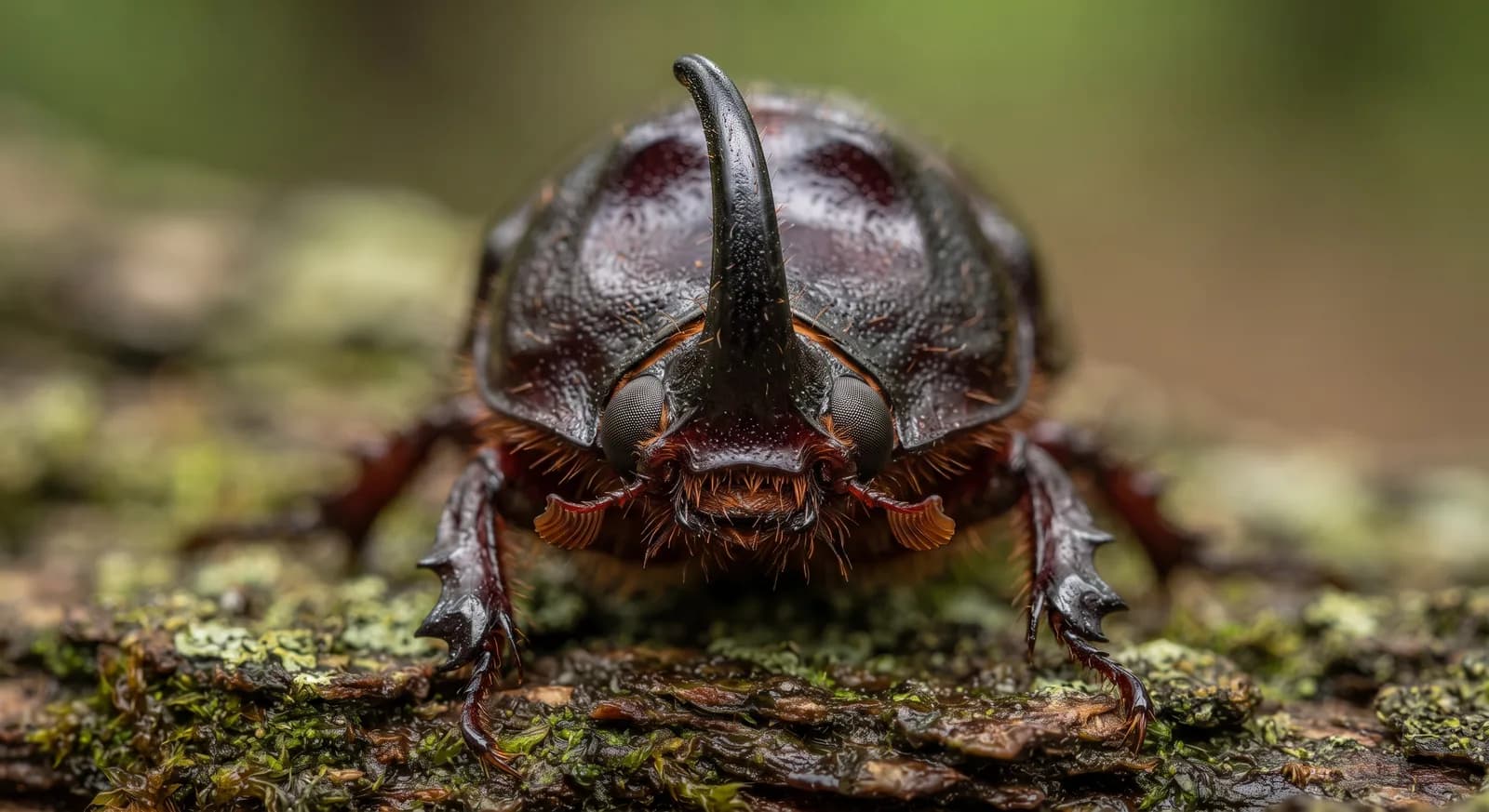
European Rhinoceros BeetleNot Evaluated

European Rhinoceros Beetle

Oryctes nasicornis

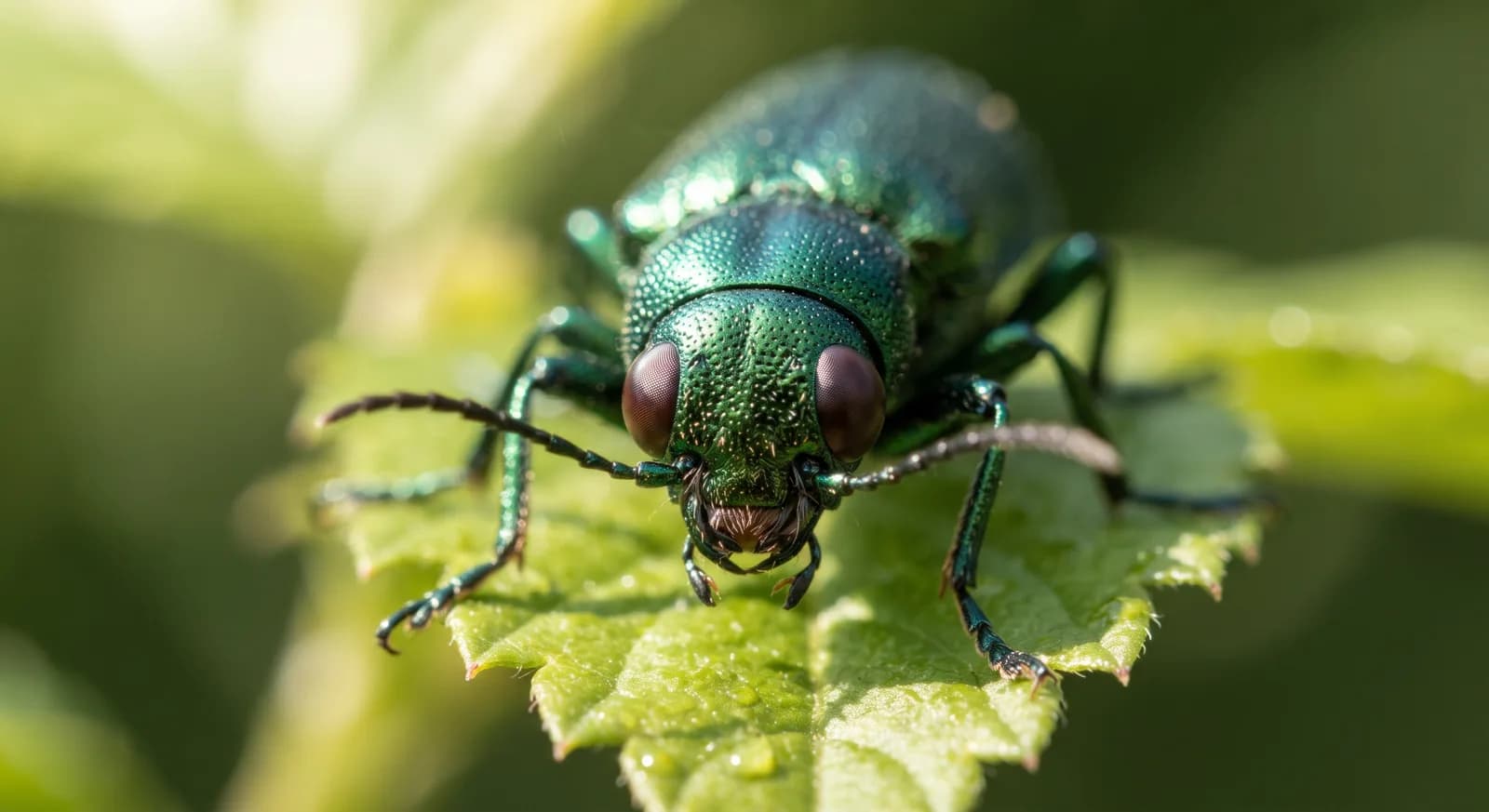
Spanish FlyNot Evaluated

Spanish Fly

Lytta vesicatoria

CountriesSpain
ParksDoñana National ParkSpain
TagsHerbivore
Herbivore
Diurnal
Solitary
Insect
Temperate forest

Europe39

Asia1

Spain
Italy
Portugal
Croatia
France
Greece
Albania
Andorra
Austria
Belarus
Belgium
Bosnia and Herzegovina
Bulgaria
Croatia
Czechia
Denmark
Estonia
Finland
France
Germany
Greece
Hungary
Ireland
Italy
Latvia
Liechtenstein
Lithuania
Luxembourg
Moldova
Monaco
Montenegro
Netherlands
North Macedonia
Norway
Poland
Portugal
Romania
Serbia
Slovakia
Slovenia
Spain
Sweden
Switzerland
Ukraine
United Kingdom
Russia