Endangered
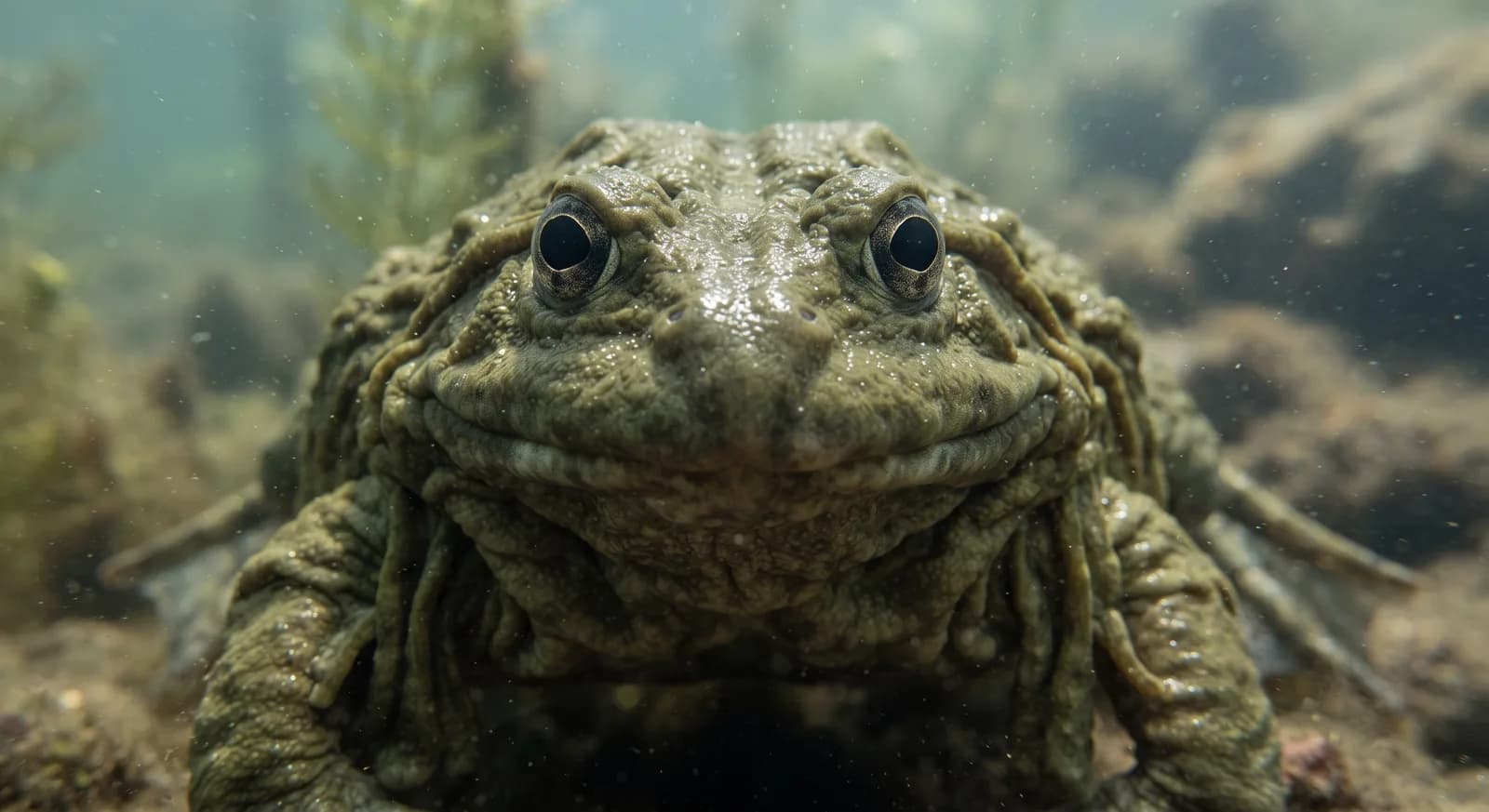
Giant Slippery Frog
Conraua goliath
21 countries4 parks
Species group · Amphibians
WAnimals has 47 species of frog, spread across 24 families (Arthroleptidae, Brevicipitidae, Centrolenidae, Ceratobatrachidae, Ceratophryidae, Conrauidae, Dendrobatidae, Heleophrynidae, Hemiphractidae, Hylidae, Hyperoliidae, Leptodactylidae, Micrixalidae, Microhylidae, Myobatrachidae, Nasikabatrachidae, Phrynobatrachidae, Phyllomedusidae, Pipidae, Pyxicephalidae, Ranidae, Rhacophoridae, Rhinodermatidae, Telmatobiidae).
Each one has its own full profile. This group does not replace them: it brings them together.
9 species in this group are in a threatened category according to the IUCN.
Recorded in 145 countries. The ones with the most species in the group:
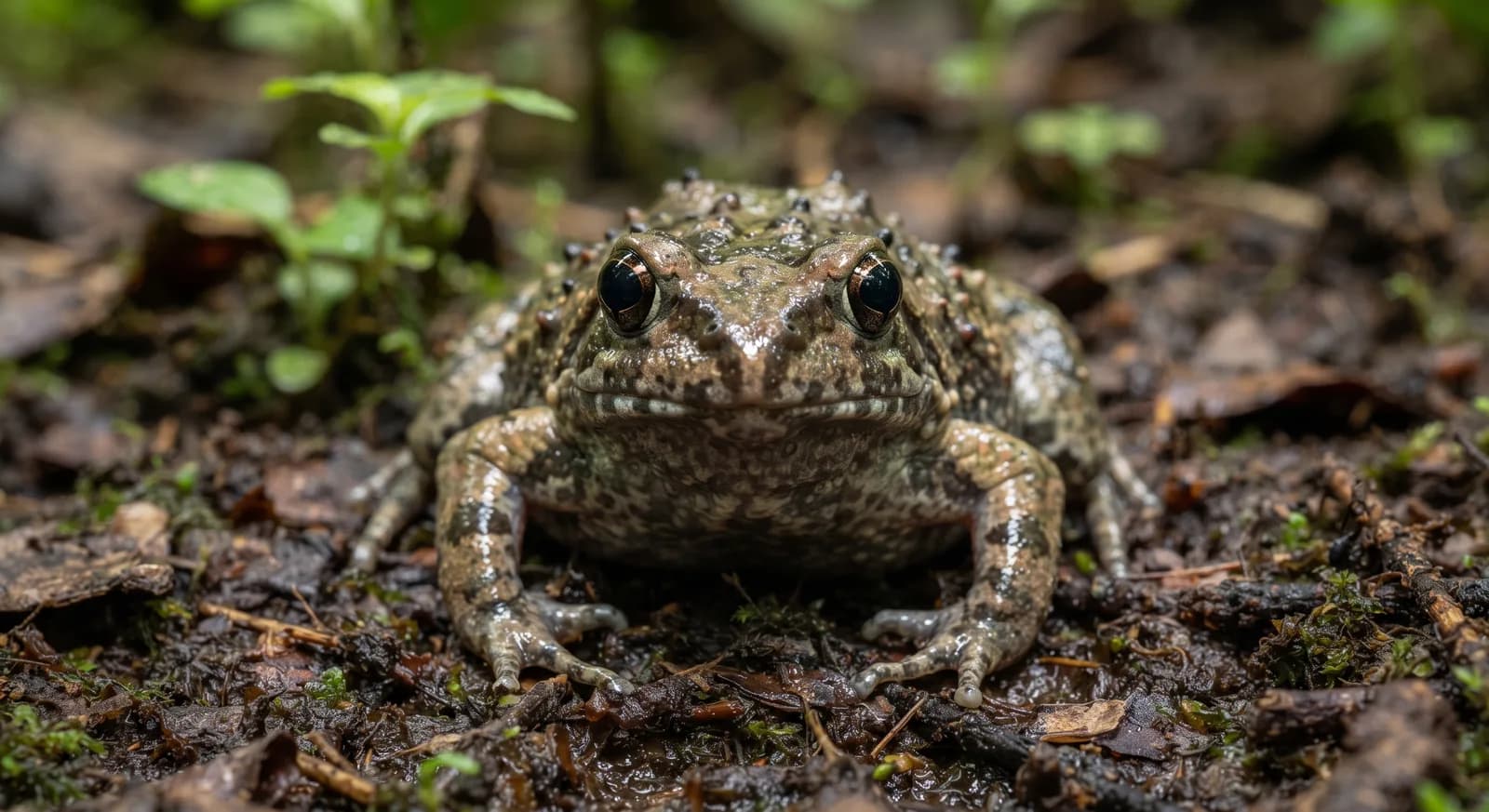
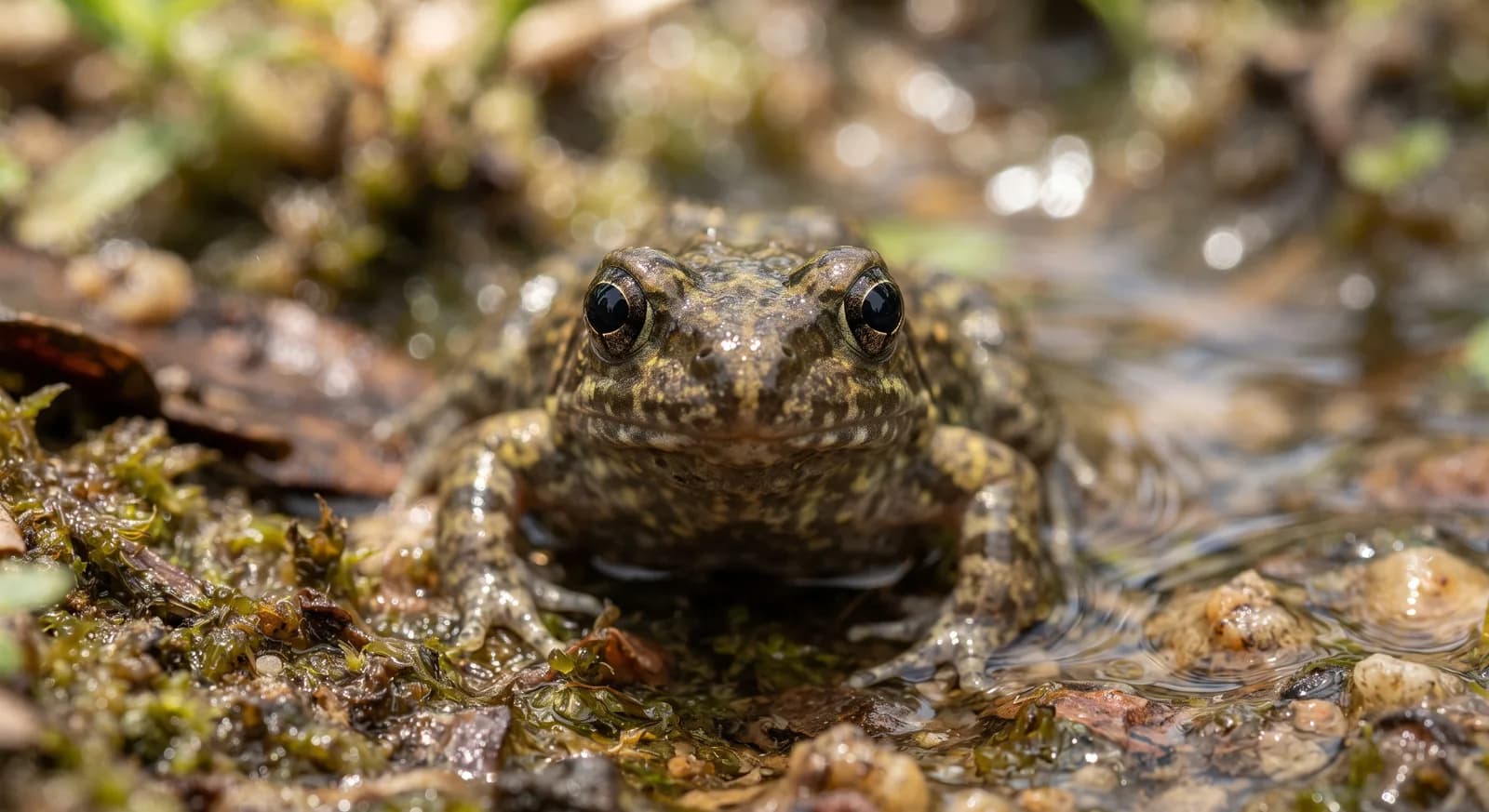
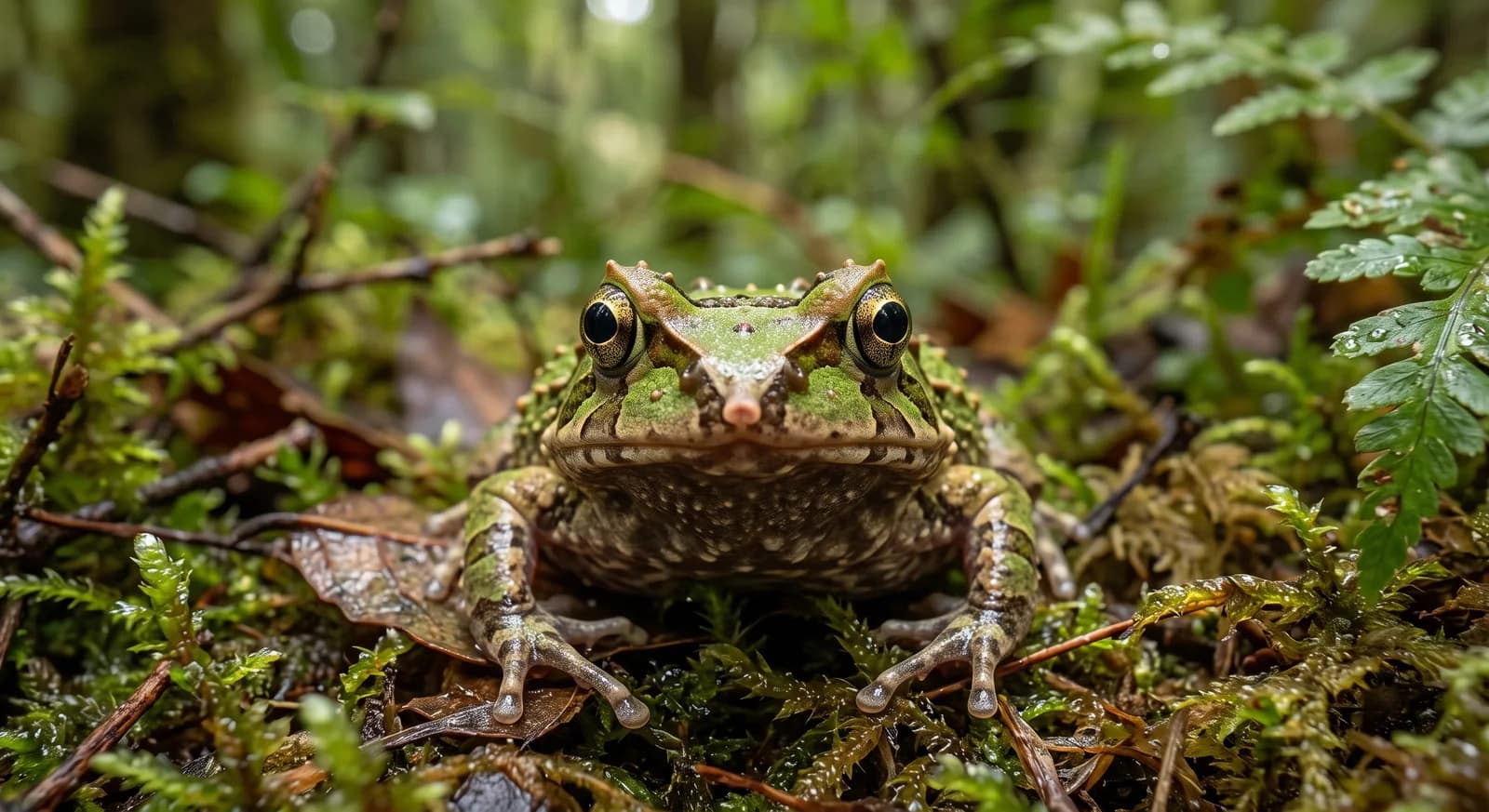
It is the largest frog in the world, with a body of up to 32 cm and a weight of up to 3.3 kg; it builds nests by moving stones.
From
It is the largest frog in the world, able to top 3 kilograms, and curiously has no vocal sac, so it does not croak.
From
It builds ponds: in 2019 it was documented that the adults shift stones weighing several kilos and clear the gravel of the riverbed to dig breeding pools where the tadpoles are safe from the current and from predators. It is one of the few known amphibian builders.
From
Its call carries a lethal cost: adding the second part of the call multiplies its appeal to females, but it also alerts the bat that hunts it by listening for exactly that note. The frog adjusts its call according to the risk.
From
The bat does not detect it by sound alone: it also uses the ripples the call makes on the surface of the water, which persist after the frog falls silent, so falling silent is not enough to escape.
From
It whips up a foam nest with its hind legs while spawning, and that foam protects the eggs from drying out, from heat and from predators until they hatch.
From
·
Ranges calculated from the profiles that record the figure, not from all 47.
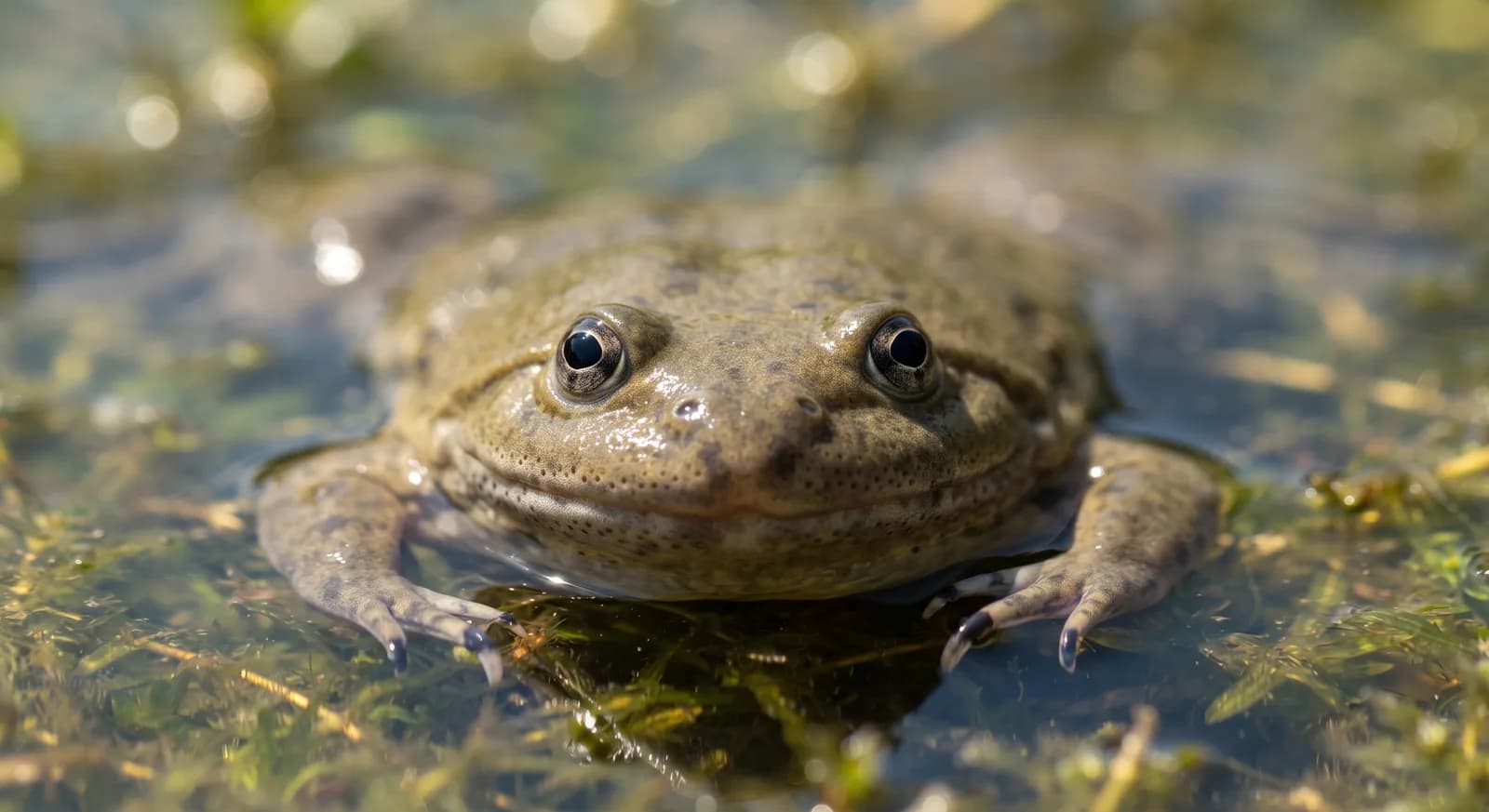
It is probably the most abundant frog in Africa: it is present across almost the whole continent south of the Sahara and its choruses after the rains bring hundreds of males together in a single pool.
From Snoring Puddle Frog
It is a fundamental part of the savannah food web: snakes, birds, mongooses and fish depend in part on its seasonal abundance.
From Snoring Puddle Frog