Skip to content
WAnimals
  • Map
  • Species
  • Parks
  • Diving
Log inCreate account
WAnimals

The guide for travellers and animal lovers: discover, plan and share your wild adventures around the world.

Discover wildlife

  • Species
  • Ecosystems
  • Glossary
  • Tags

Explore places

  • Map
  • Countries
  • Parks
  • Diving

Plan experiences

  • Guides

Learn

  • Blog

Resources

  • Help centre
  • Contact
  • Install the app

Follow us

Account

  • Log in
  • Create account

© 2026 WAnimals. All rights reserved.

About usHow we build our profilesTerms of servicePrivacyLegal notice
MapSpeciesParksDiving
  1. Home
  2. Species
  3. Snake Sea Cucumber

One of the 4 sea cucumbers on WAnimals
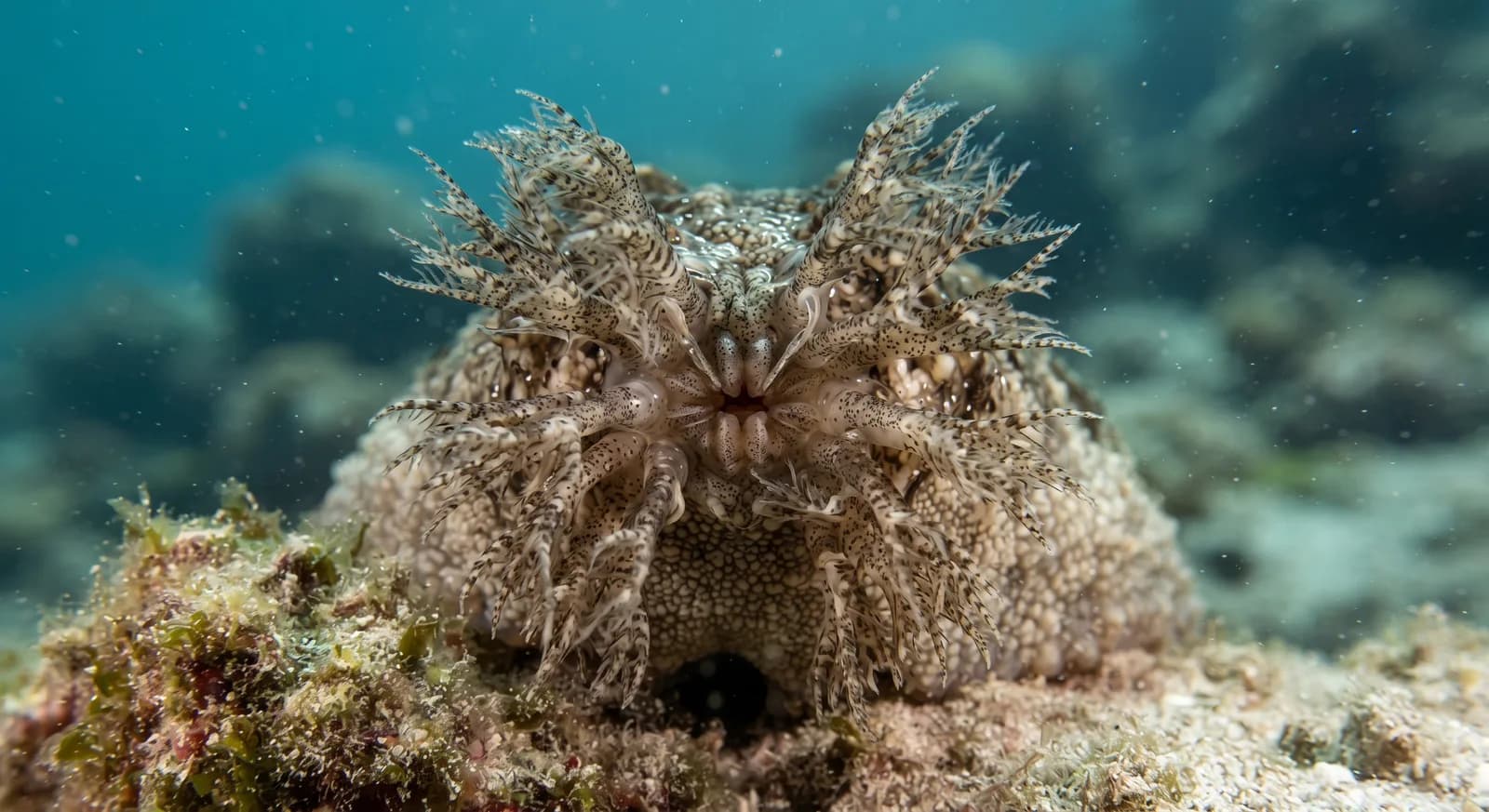
Snake Sea Cucumber (Synapta maculata)

Sea cucumbers · Apodida · Synaptidae

Snake Sea Cucumber

Synapta maculata

Not Evaluated

It has not yet been assessed against the IUCN criteria.

Spotted something wrong?

The longest sea cucumber in the world, with individuals exceeding three metres. Its body is extremely slender, soft and snake-like, with fifteen feathery tentacles around the mouth with which it gathers sediment and plant debris from seagrass meadows.

Size

1 m – 3 m

Diet

Omnivore

Combines animal and plant food depending on availability.

Social structure

Solitary

Lives and hunts alone, joining others only to breed.
Sighting difficulty

Unknown

Ocean
61countries35parks231dive sites

AI-generated images: illustrations, not photographs.

Fun facts

  • It has no tube feet and no respiratory organs at all: it breathes through its skin and moves by crawling through contractions of the body wall.
  • Its skin grips the hand like adhesive tape thanks to microscopic carbonate anchors embedded in the body wall.
  • It can break apart if handled, and some fragments are able to regenerate a complete animal.
  • It is the longest sea cucumber in the world: it reaches three metres, although it is very slender, like a rubber snake.
  • It has neither tube feet nor respiratory trees: it breathes through its skin and moves by contracting its body, undulating along.
  • It sticks to the touch. Its skin is full of calcareous spicules shaped like tiny anchors that catch on skin like Velcro, a disconcerting sensation for the diver who handles it.
  • Held too firmly it can break into pieces, and the fragments with the front end regenerate the rest.
  • It swallows sand continuously and passes it out stripped of organic matter, helping to recycle the reef's sediment.

Life cycle and biology

Habitat and environment
Seagrass meadows and sandy reef bottoms of the Indo-Pacific

Sources consulted: Chamisso y Eysenhardt (1821); Purcell et al., Commercially Important Sea Cucumbers of the World; Australian Museum

Where to find it

Loading map…

Where to see it

Parks and dive sites where this species has been documented — showing 20 of 266.

Related species

Other species in the catalogue with the most in common with Snake Sea Cucumber — same habitat, park, country, tags or family.

Shares a park
Shares a park
Shares a park
Shares a park
Shares a park
Shares a park

Keep exploring

Based on what we already know about snake sea cucumber.

Comments

Share an experience, a fun fact or a tip for seeing the snake sea cucumber.

Be the first to comment.

See full glossary
This page in other languages: Español · Deutsch · Français · Português · Italiano

The pins mark the parks and dive sites where its presence is documented.

See its range on the interactive map→
KomodoIndonesia
AldabraSeychelles
YakushimaJapan
Ras MohammedEgypt
Great Barrier ReefAustralia
NingalooAustralia
Rock Islands of PalauPalau
East RennellSolomon Islands
FakaravaFrench Polynesia
Mohéli Marine National ParkComoros
Blue Hole DahabEgypt
Ras Mohammed National ParkEgypt
Thistlegorm wreckEgypt
Elphinstone ReefEgypt
Brothers Islands (El Akhawein)Egypt
Sha'ab Rumi (Cousteau)Sudan
Musandam PeninsulaOman
Daymaniyat IslandsOman
Raja AmpatIndonesia
Komodo National ParkIndonesia
See all 35 parks
See all 231 dive sites
Endangered

Golden Sandfish

Holothuria scabra

Whale SharkEndangered

Whale Shark

Rhincodon typus

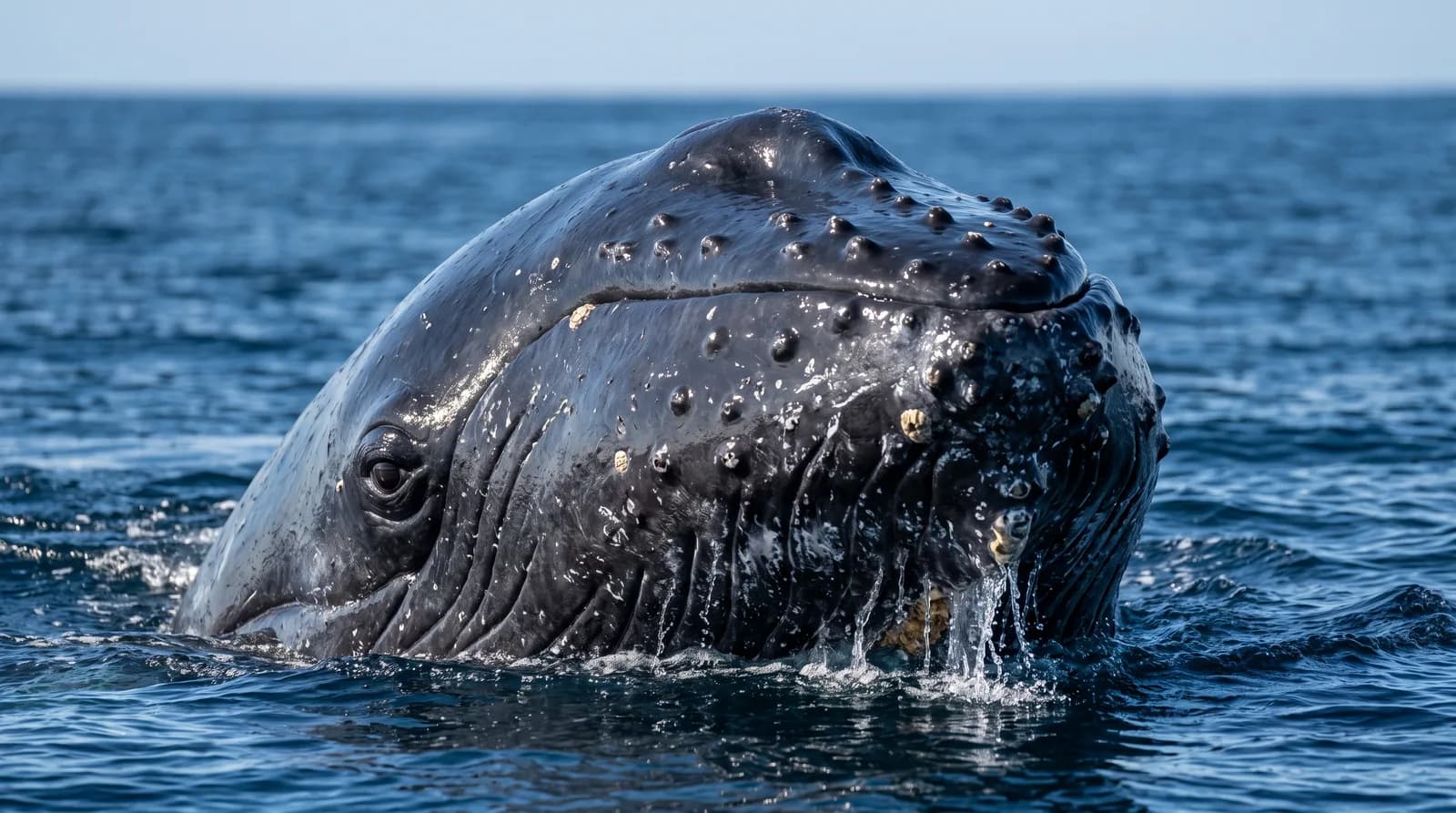
Humpback WhaleLeast Concern

Humpback Whale

Megaptera novaeangliae

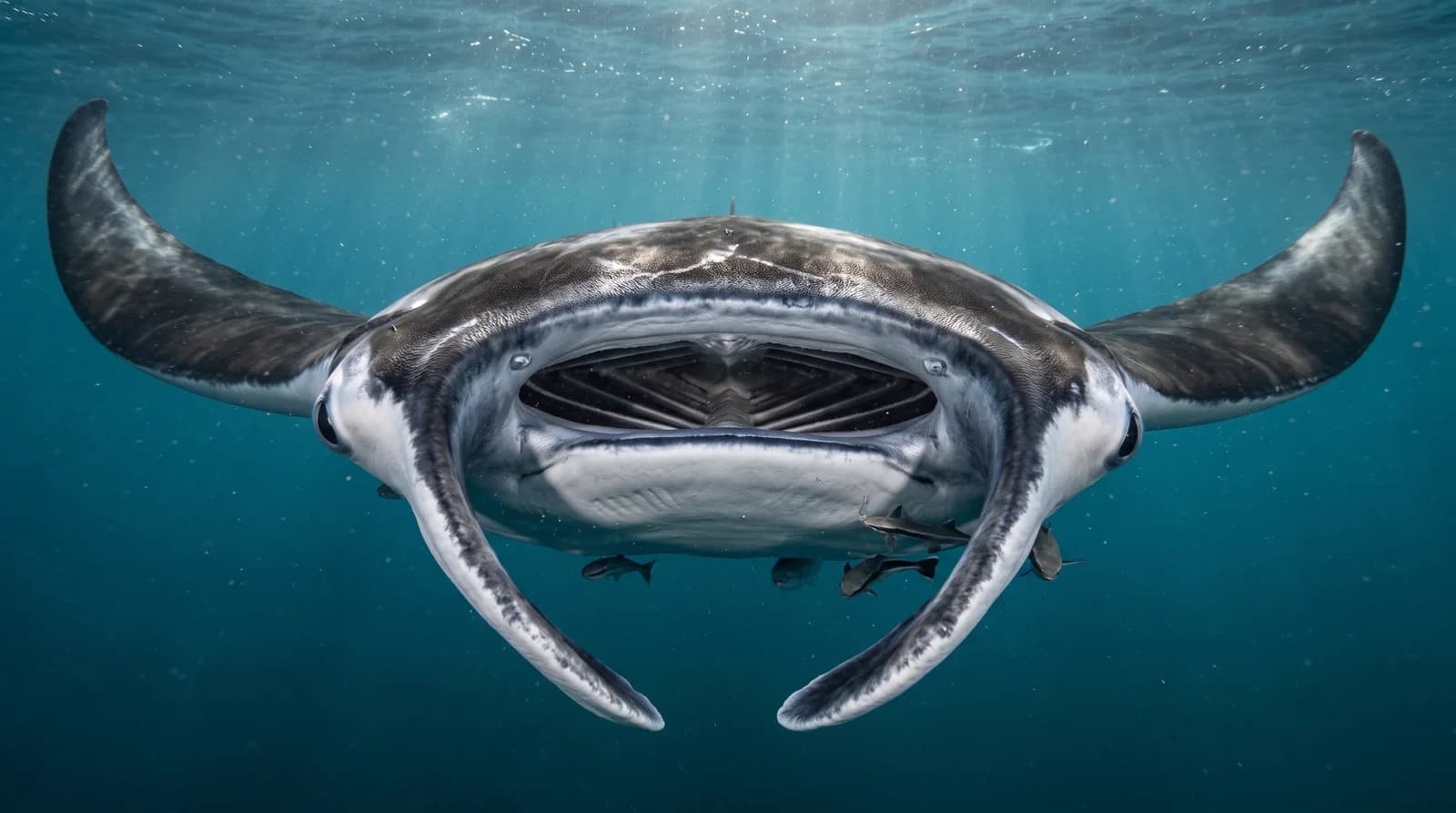
Giant MantaEndangered

Giant Manta

Mobula birostris

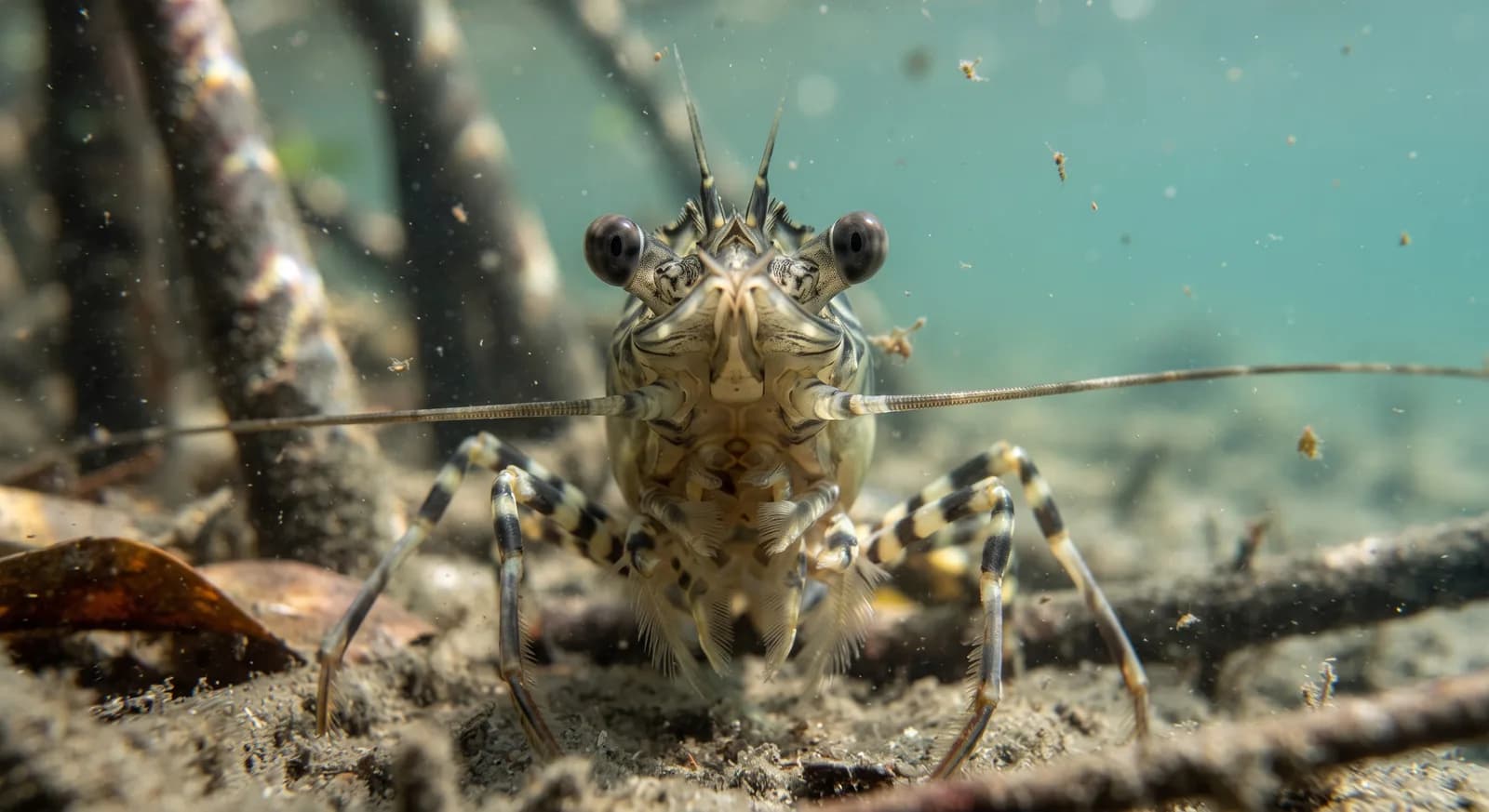
Asian Tiger ShrimpNot Evaluated

Asian Tiger Shrimp

Penaeus monodon

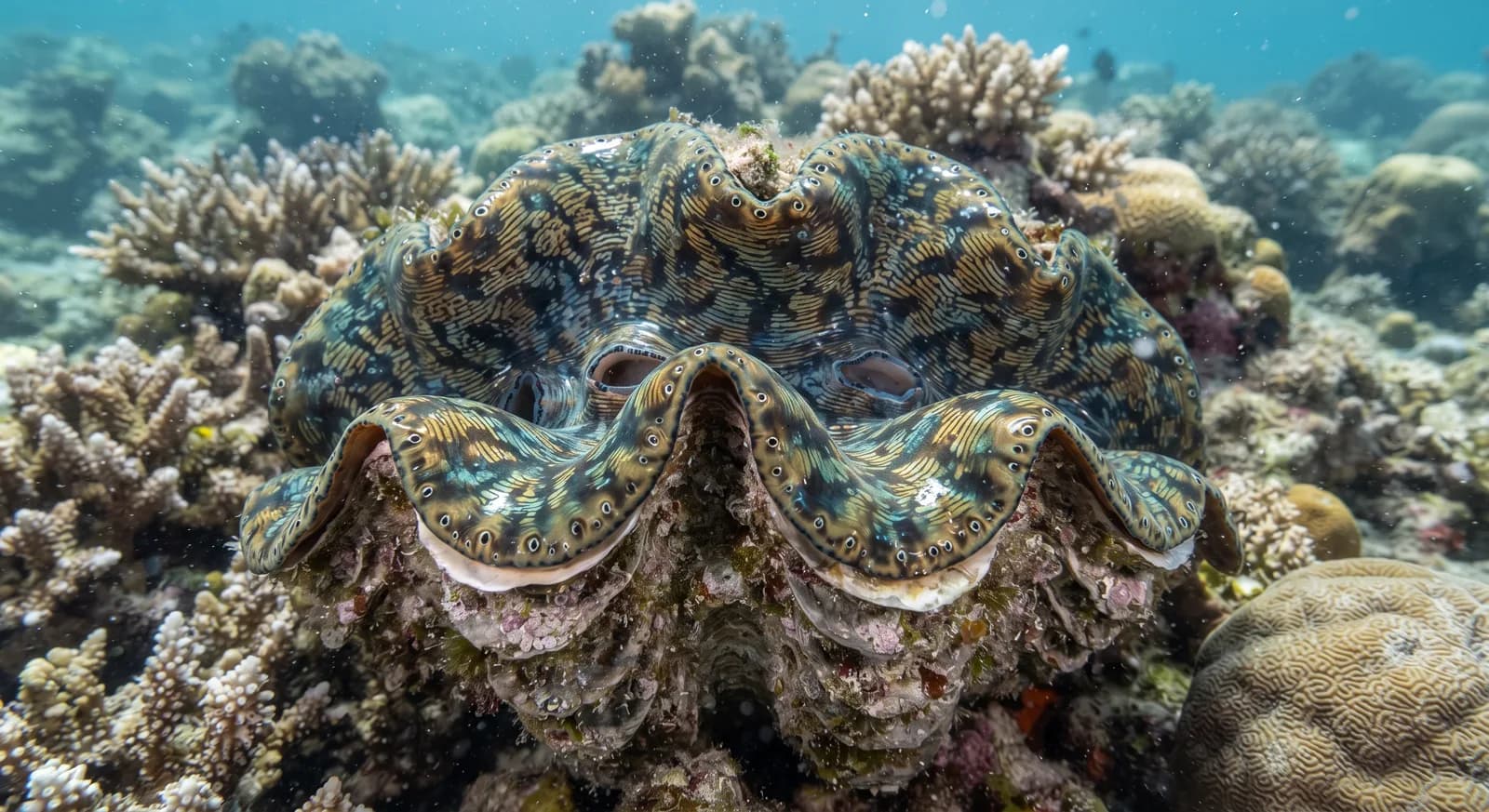
Giant ClamCritically Endangered

Giant Clam

Tridacna gigas

CountriesIndonesia
ParksKomodoIndonesia
TagsOmnivore
Omnivore
Solitary
Ocean
Echinoderm

Asia26

Oceania20

Africa15

Indonesia
Egypt
Philippines
Australia
Thailand
Fiji
Bahrain
Bangladesh
Brunei
Cambodia
China
India
Indonesia
Iran
Japan
Kuwait
Malaysia
Maldives
Myanmar
Oman
Pakistan
Philippines
Qatar
Saudi Arabia
Singapore
Sri Lanka
Taiwan
Thailand
Timor-Leste
United Arab Emirates
Vietnam
Yemen
American Samoa
Australia
Cook Islands
Fiji
French Polynesia
Guam
Kiribati
Marshall Islands
Micronesia
Nauru
New Caledonia
Niue
Northern Mariana Islands
Palau
Papua New Guinea
Samoa
Solomon Islands
Tonga
Tuvalu
Vanuatu
Comoros
Djibouti
Egypt
Eritrea
Kenya
Madagascar
Mauritius
Mayotte
Mozambique
Réunion
Seychelles
Somalia
South Africa
Sudan
Tanzania