Skip to content
WAnimals
  • Map
  • Species
  • Parks
  • Diving
Log inCreate account
WAnimals

The guide for travellers and animal lovers: discover, plan and share your wild adventures around the world.

Discover wildlife

  • Species
  • Ecosystems
  • Glossary
  • Tags

Explore places

  • Map
  • Countries
  • Parks
  • Diving

Plan experiences

  • Guides

Learn

  • Blog

Resources

  • About us
  • How we build our profiles
  • Help centre
  • Contact
  • Install the app

Follow us

Account

  • Log in
  • Create account

© 2026 WAnimals. All rights reserved.

Terms of servicePrivacyCookiesLegal notice
MapSpeciesParksDiving
  1. Home
  2. Species
  3. Water Scorpion

Insects · Hemiptera · Nepidae

Water Scorpion

Nepa cinerea

Not Evaluated

It has not yet been assessed against the IUCN criteria.

Spotted something wrong?

The water scorpion is an aquatic heteropteran insect of the family Nepidae. It is found across most of Europe, including the British Isles, as well as in North Africa and in southern and northern Asia. Its most notable feature is a breathing tube at the end of the abdomen which, being connected to the tracheae, allows the animal to renew the air in its respiratory system without emerging completely from the water in which it lives.

Size

1.5 cm – 2.5 cm

Life expectancy

1 year

Diet

Carnivore

Feeds mainly on other animals.

Activity

Nocturnal

Active mainly at night.

Social structure

Solitary

Lives and hunts alone, joining others only to breed.

Freshwater
51countries123parks

Fun facts

  • GeneralIt breathes through a tail tube that breaks the surface like a snorkel.
  • It swims very poorly: it prefers to walk along the bottom, and its dead-leaf appearance makes it all but invisible.
  • It has wings folded beneath its wing cases, but most individuals never fly at all because their flight muscles are atrophied.
  • It is no scorpion and it does not sting with its tail: what looks like a sting is a breathing siphon formed of two interlocking half-tubes, which it pushes up to the surface to breathe. The painful jab comes from the proboscis.
  • It hunts by ambush: it stays motionless among the vegetation and seizes insect larvae, crustaceans, tadpoles and small fish with its raptorial front legs.
  • It is one of the leading predators of mosquito larvae — Anopheles, Culex and Aedes — and is being studied as a biological control agent against disease vectors.
  • The eggs, stuck upright into the substrate, carry five to eight respiratory horns that float free in the water; only the family Nepidae has them.
  • The nymphs have no developed siphon and breathe through six pairs of abdominal spiracles.

Life cycle and biology

Skeleton type
Invertebrate - chitin exoskeleton (insect)
Habitat and environment
Shallow bottoms of ponds, ditches and backwaters
Size at birth
Elliptical egg 1.3 mm wide by 1.63 mm long, with 5 to 8 respiratory horns at the anterior pole that float freely in the water
Gestation / incubation
The eggs, laid upright in submerged vegetation, hatch in 8-10 days according to one study and in 3 to 4 weeks according to British observations; five nymphal instars follow
Litter / clutch size
Around thirty eggs per female, attached to aquatic plants or algae

Sources consulted: Wikipedia (es): Nepa cinerea · Brickfields Country Park, ficha Water scorpion · Microscopy and Microanalysis (Oxford), estructura del huevo de Nepa cinerea · Aquatic Bugs · Aquatic Bugs, ficha Nepa cinerea · Datos morfometricos del genero Nepa · ficha de especie de Nepa cinerea

Where to find it

Best time: The adults overwinter and mate in April and May; the new adults appear around mid-August

Loading map…

Where to see it

Parks and dive sites where this species has been documented — showing 10 of 123.

Related species

Other species in the catalogue with the most in common with Water Scorpion — same habitat, park, country, tags or family.

Shares a park
Shares a park
Shares a park
Shares a park
Shares a park
Shares a park

Keep exploring

Based on what we already know about water scorpion.

Share an experience, a fun fact or a tip for seeing the water scorpion.
See full glossary
This page in other languages: Español · Deutsch · Français · Português · Italiano

The pins mark the parks where its presence is documented.
See its range on the interactive map→
Lake DistrictUnited Kingdom
CairngormsUnited Kingdom
Snowdonia (Eryri)United Kingdom
KillarneyIreland
Picos de EuropaSpain
Ordesa y Monte PerdidoSpain
Aigüestortes i Estany de Sant MauriciSpain
Peneda-GerêsPortugal
Abruzzo, Lazio and MoliseItaly
Alta MurgiaItaly
See all 123 parks
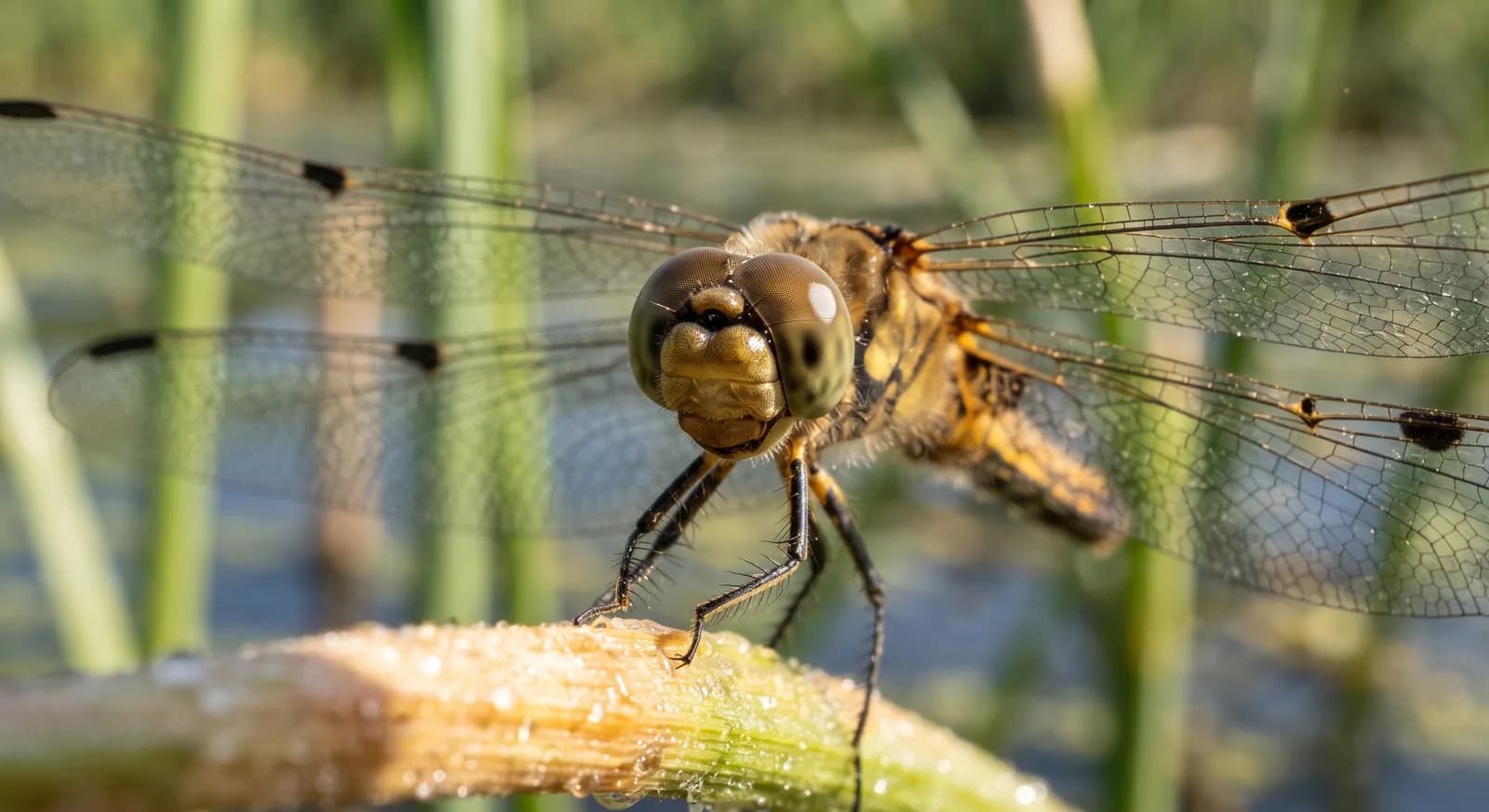
Four-spotted ChaserLeast Concern

Four-spotted Chaser

Libellula quadrimaculata

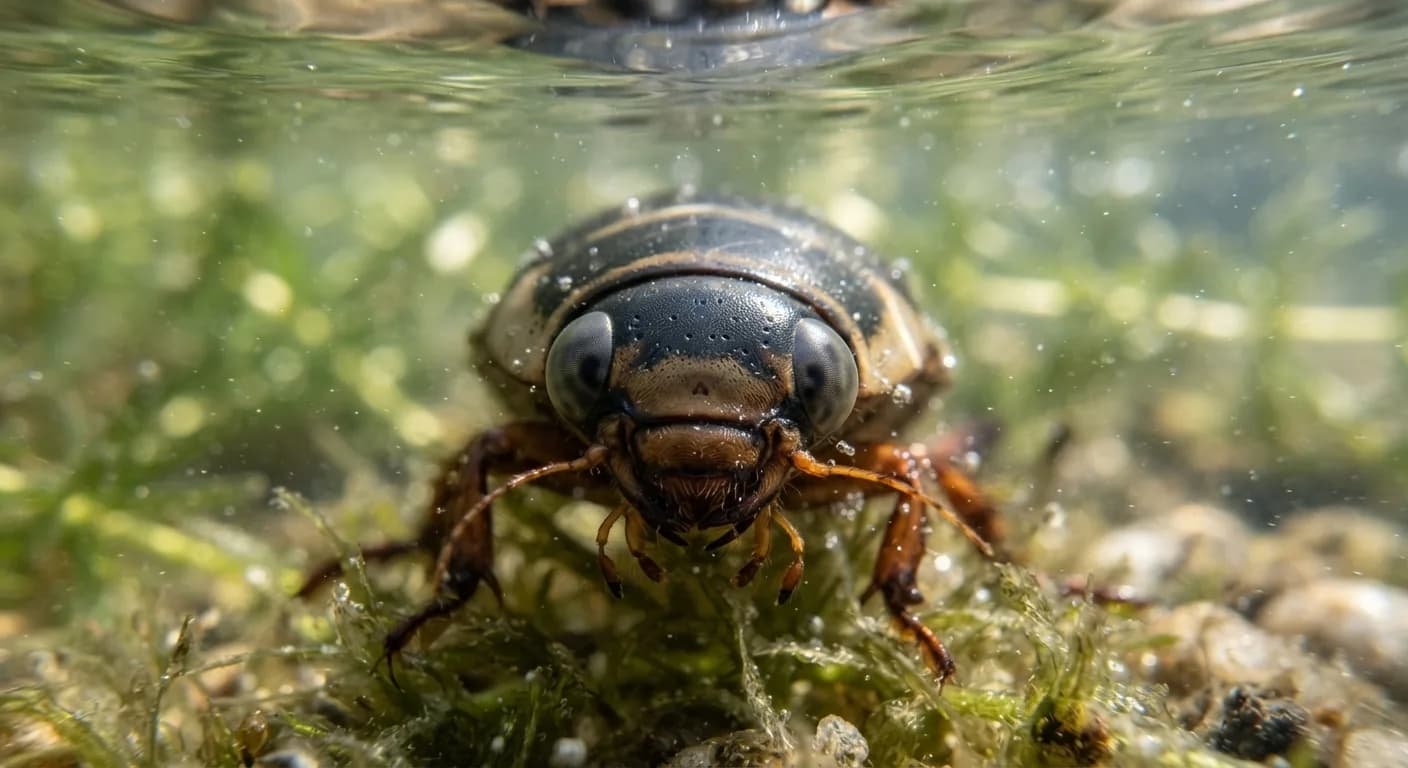
Great Diving BeetleNot Evaluated

Great Diving Beetle

Dytiscus marginalis

Not Evaluated

European Stonefly

Perla marginata

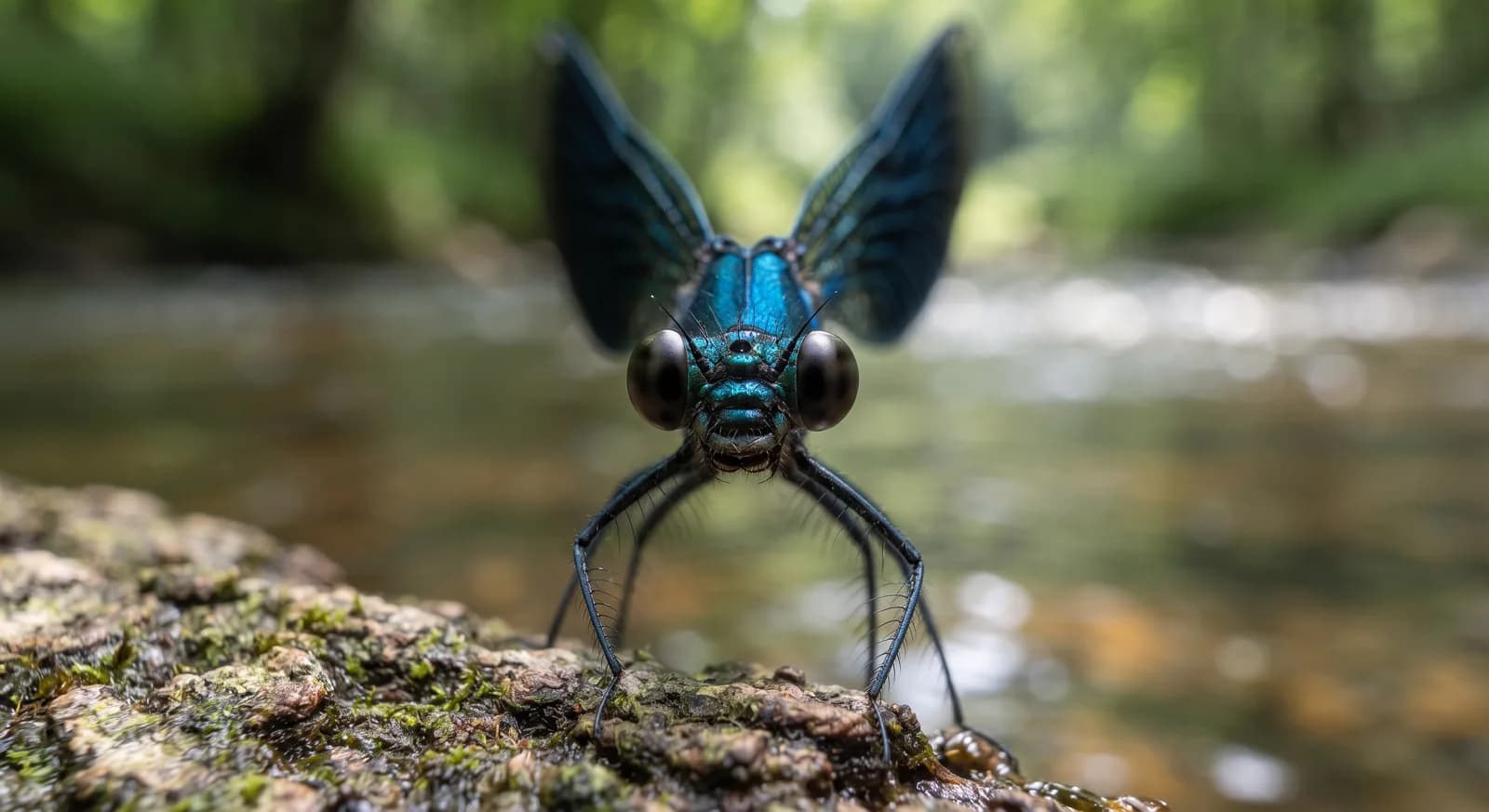
Beautiful DemoiselleNot Evaluated

Beautiful Demoiselle

Calopteryx virgo

Least Concern

Common Clubtail

Gomphus vulgatissimus

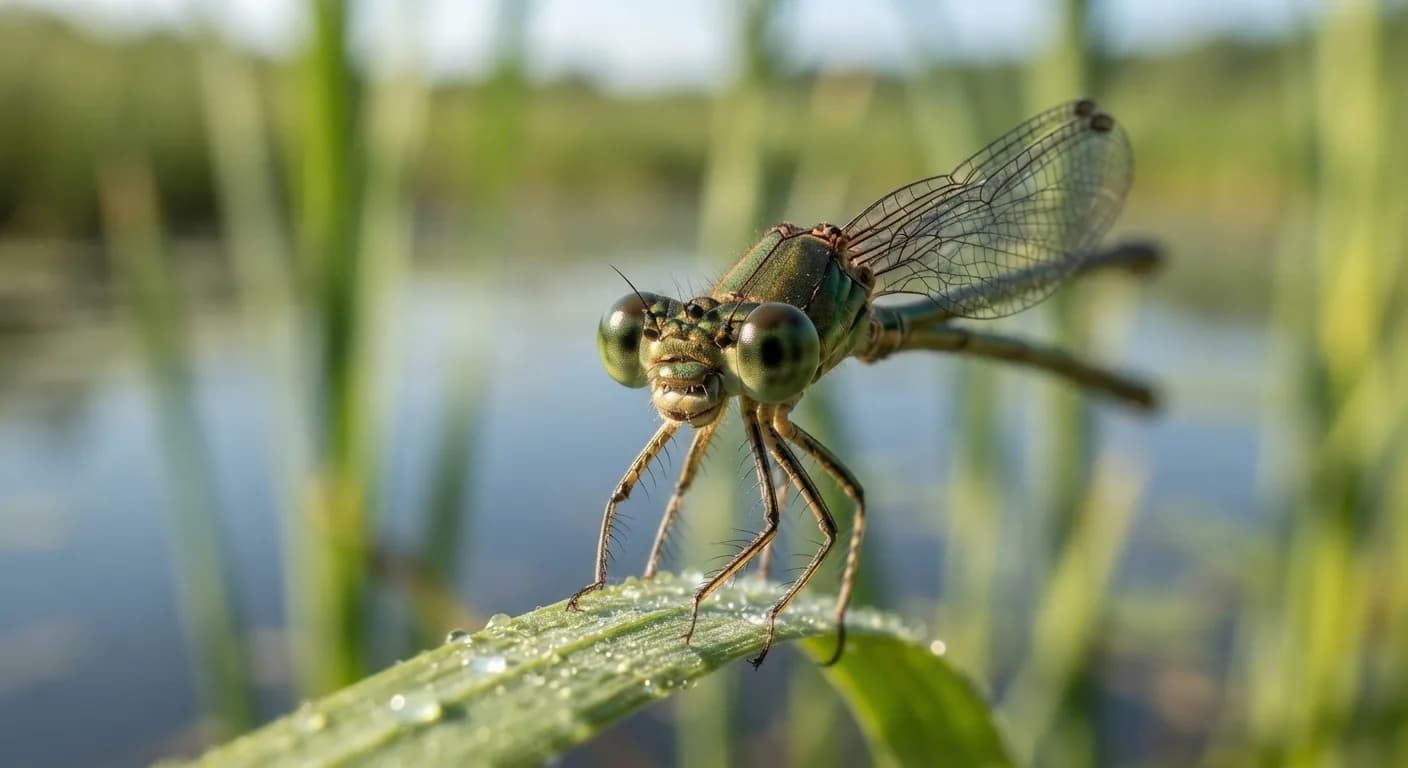
Common SpreadwingLeast Concern

Common Spreadwing

Lestes sponsa

CountriesSpain
ParksLake DistrictUnited Kingdom
TagsCarnivore
Carnivore
Solitary
Insect
Freshwater

Europe40

Asia8

Africa3

Spain
Italy
United Kingdom
Poland
Germany
Hungary
Albania
Andorra
Austria
Belarus
Belgium
Bosnia and Herzegovina
Bulgaria
Croatia
Cyprus
Czechia
Denmark
Estonia
Finland
France
Germany
Greece
Hungary
Ireland
Italy
Latvia
Liechtenstein
Lithuania
Luxembourg
Malta
Moldova
Montenegro
Netherlands
North Macedonia
Norway
Poland
Portugal
Romania
Serbia
Slovakia
Slovenia
Spain
Sweden
Switzerland
Ukraine
United Kingdom
Armenia
Azerbaijan
China
Georgia
Iran
Kazakhstan
Russia
Türkiye
Algeria
Morocco
Tunisia