One of the 4 urchins on WAnimals
Sea urchins · Diadematoida · Diadematidae
Long-spined Urchin
Diadema antillarum
It has not yet been assessed against the IUCN criteria. See full glossary
The long-spined sea urchin of the Caribbean is black, with fine, brittle spines that can exceed thirty centimetres. By day it shelters in crevices, and at night it comes out to graze algae across the reef, a role that is decisive in keeping the coral from being smothered.
Size
5 cm – 10 cm
Diet
Herbivore
Feeds mainly on plants.
Activity
Nocturnal
Active mainly at night.
Social structure
Colony
Lives in large concentrations, often for breeding reasons.
Sighting difficulty
Unknown
Fun facts
- defensaIts long hollow spines break off easily inside the skin on contact and release a toxin that causes intense, lasting pain.
- In 1983 and 1984 a disease of unknown origin killed more than 95 % of the Caribbean population in little over a year, and without its grazing many reefs shifted from being dominated by coral to being dominated by algae, a change they have still not recovered from.
- In 2022 a further mass mortality, attributed to a ciliate protozoan, struck the recovering populations again.
- Its spines reach 30 cm, are hollow, brittle and venomous, and break off inside the skin once embedded.
- It was the great herbivore of Caribbean reefs. In 1983 and 1984 a die-off of unknown cause killed 98 % of the population across the whole Caribbean.
- Without its grazing, algae took over the reefs and prevented new coral from settling. It is one of the main causes of the shift from coral-dominated to algae-dominated reefs, and thirty years later the population was still around 12 % of the original.
- In January 2022 another mass die-off began, this time with the culprit identified: a ciliate of the genus Philaster. Koch's postulates were satisfied and the disease was named Diadema scuticociliatosis.
- At one site off Saba, 99 % of the population was lost in a single month.
- The parasite has not stayed in the Caribbean: in 2022 Diadema setosum died en masse in the Mediterranean, and in 2023 off the coast of Oman.
Life cycle & biology
- Habitat & environment
- Coral reefs and rocky bottoms of the Caribbean and the tropical Atlantic
Sources consulted: https://es.wikipedia.org/wiki/Diadema_antillarum
Where to find it
See its range on the interactive mapWhere to watch it
Parques y spots de buceo donde se ha documentado esta especie — se muestran 20 de 135 documentados.
Related species
Other species in the catalogue with the most in common with Long-spined Urchin — same habitat, park, country, tags or family.
Queen Parrotfish
Scarus vetula
 Critically Endangered
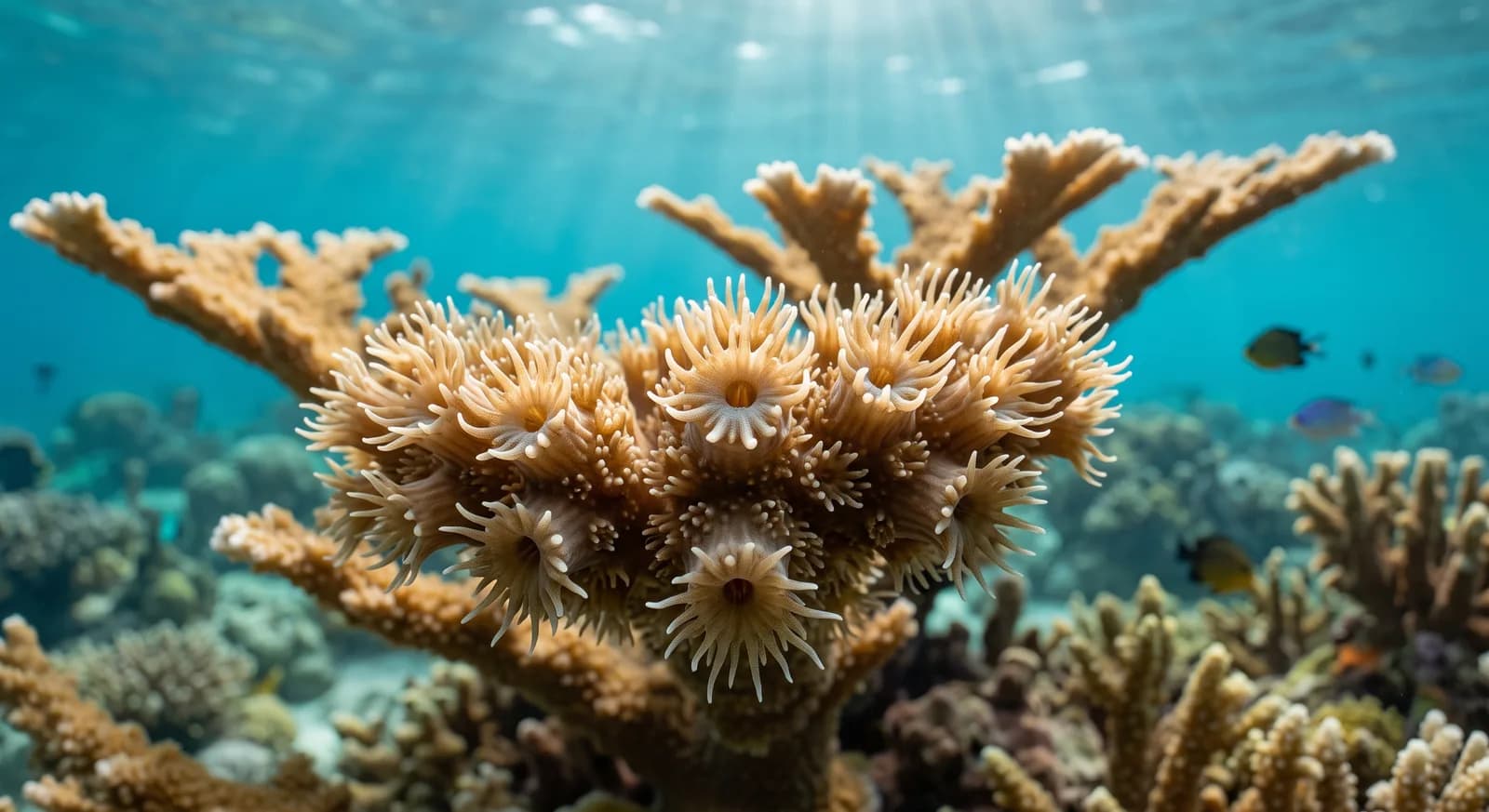
Elkhorn Coral
Acropora palmata
Grey Snapper
Lutjanus griseus
Mud Fiddler Crab
Uca pugnax
 Vulnerable
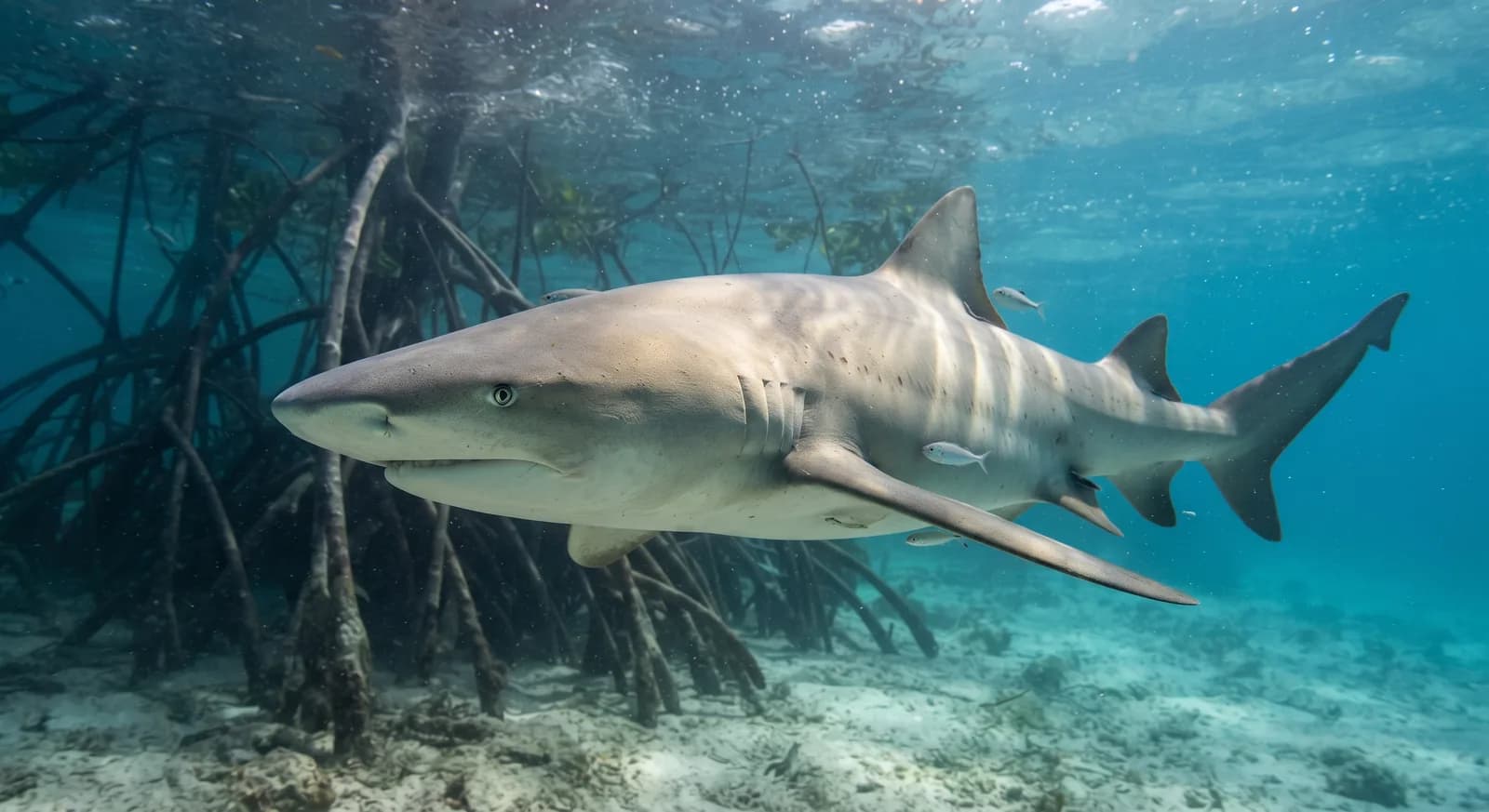
Lemon Shark
Negaprion brevirostris
Keep exploring
Based on what we already know about long-spined urchin.
Comments
Share an experience, a fun fact or a tip for seeing the long-spined urchin.
Be the first to comment.