Bony fish · Zeiformes · Zeidae
John Dory
Zeus faber
There is not enough information to assess its risk of extinction. See full glossary
Weight
4.4 kg on average
Size
up to 90 cm
Lifespan
18 years
Diet
Carnivore
Feeds mainly on other animals.
Social structure
Solitary
Lives and hunts alone, joining others only to breed.
Sighting difficulty
Unknown
Fun facts
- The dark spot ringed with pale on each flank is read as a decoy that draws attacks away from the head.
- It hunts by stalking: it approaches slowly and thrusts its mouth forward to suck in its prey, with no need to give chase.
- It spawns in late winter and early spring in the north-east Atlantic, and earlier in the Mediterranean.
Life cycle & biology
- Skeleton type
- Vertebrate - internal bony skeleton (bony fish)
- Habitat & environment
- Bottoms close to the seabed between 5 and 400 m, normally between 50 and 150 m, in the eastern Atlantic, the Mediterranean, the Black Sea and the western Indo-Pacific
- Sexual maturity
- 3.5 years
Sources consulted: https://es.wikipedia.org/wiki/Zeus_faber
Where to find it
See its range on the interactive mapWhere to watch it
Parques y spots de buceo donde se ha documentado esta especie — se muestran 20 de 154 documentados.
Related species
Other species in the catalogue with the most in common with John Dory — same habitat, park, country, tags or family.
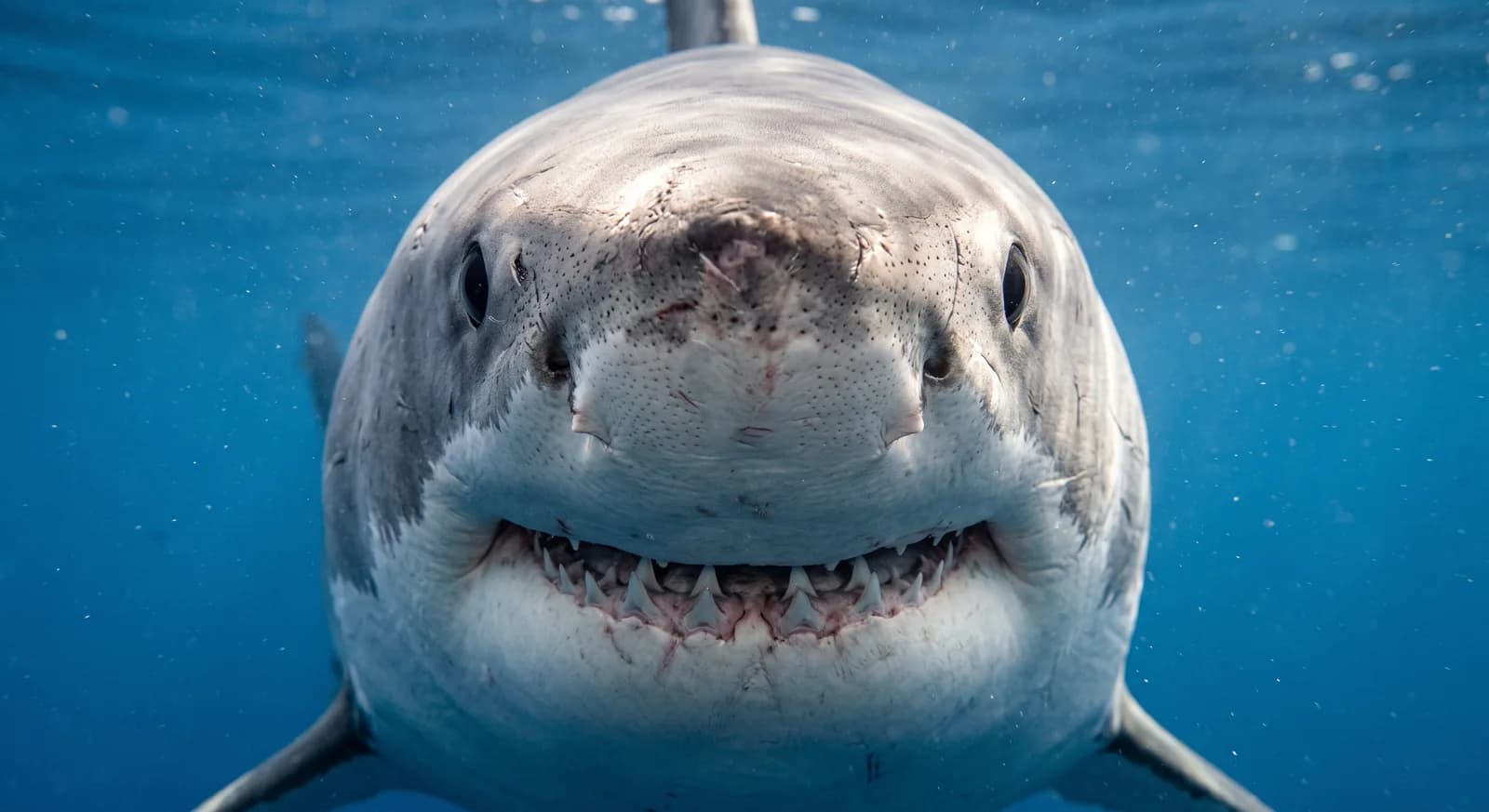 Vulnerable
Great White Shark
Carcharodon carcharias
Shortfin Mako
Isurus oxyrinchus
Porbeagle
Lamna nasus
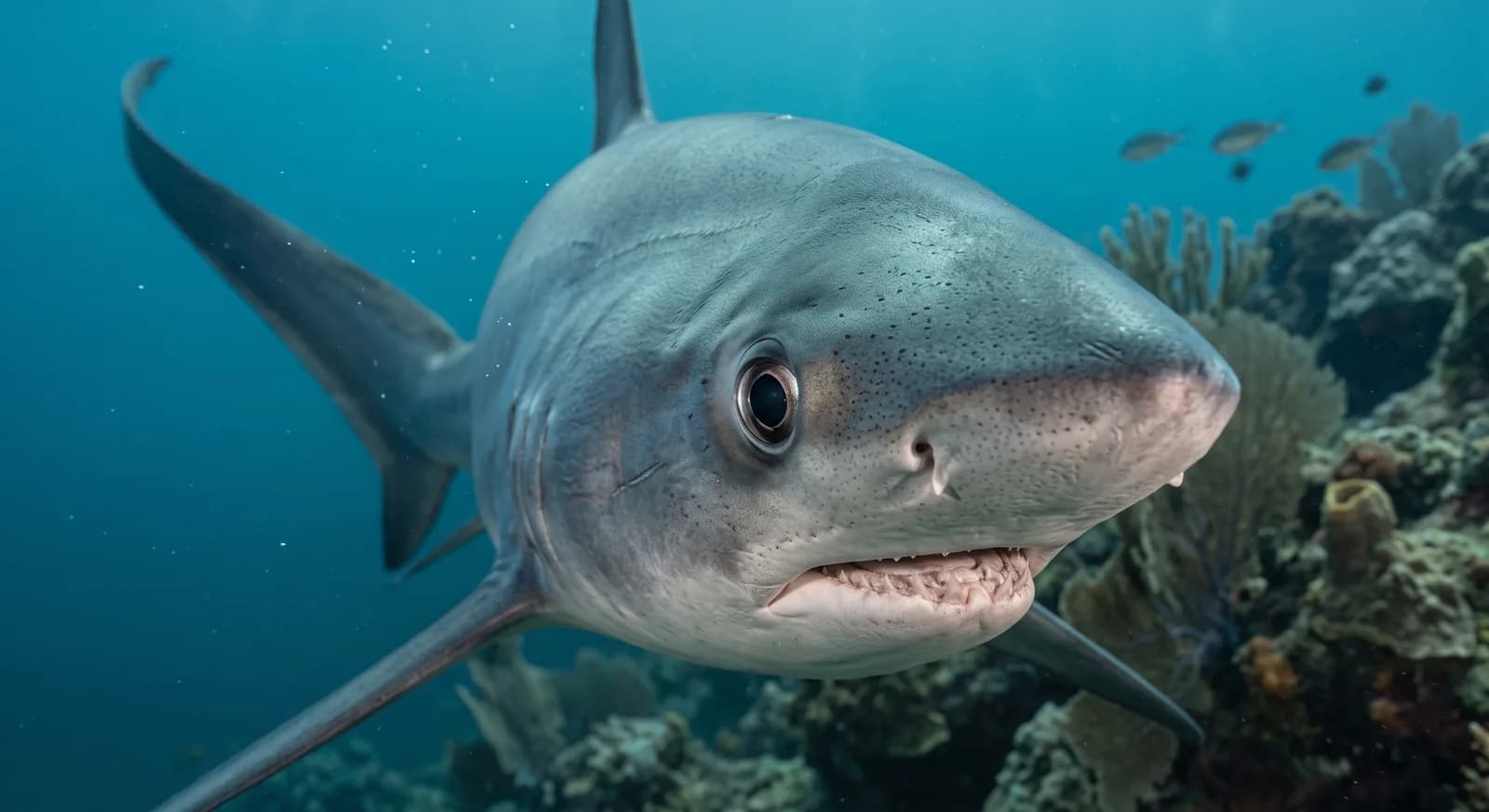 Vulnerable
Grayfish
Alopias vulpinus
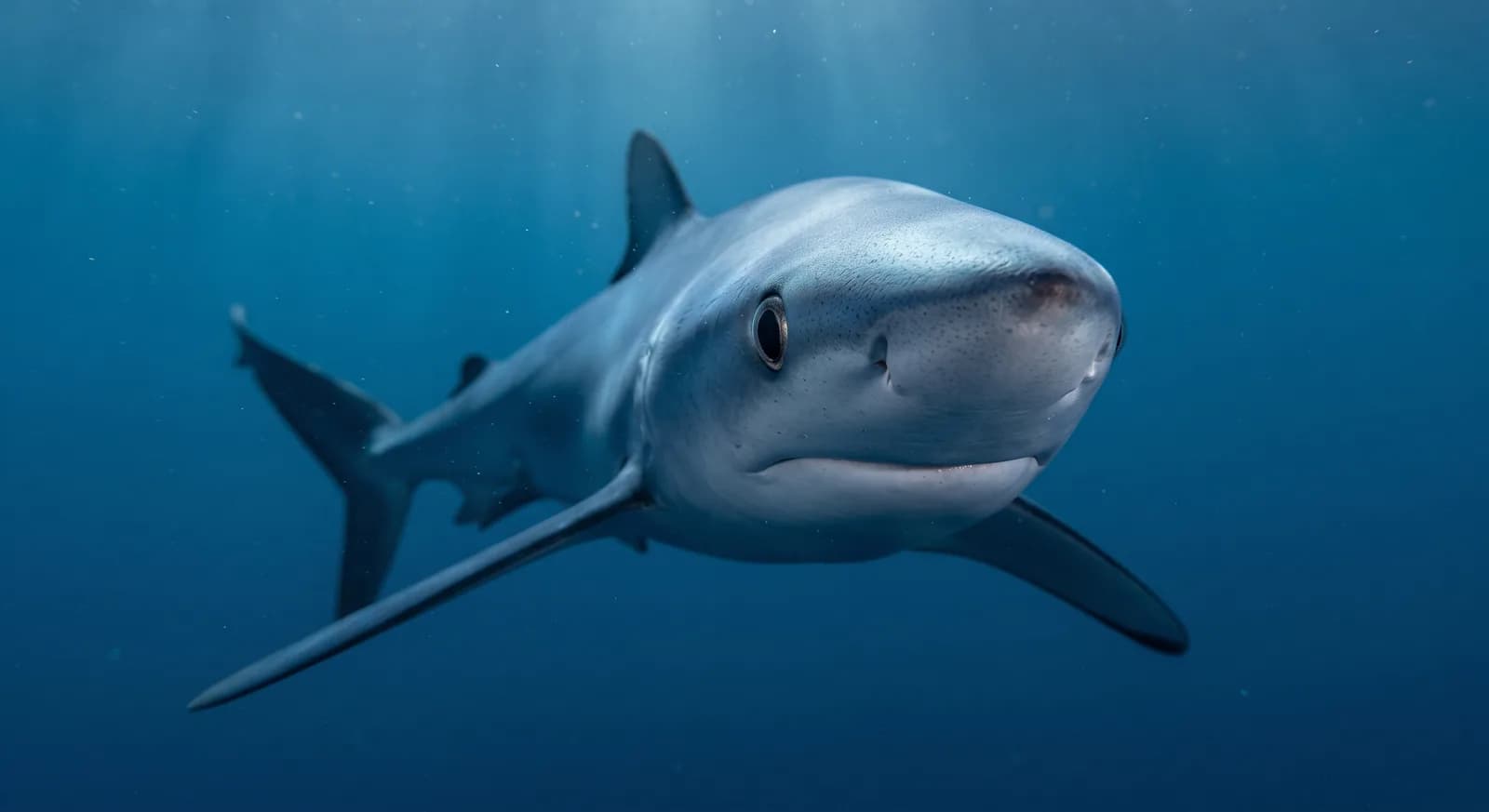 Near Threatened
Blue Shark
Prionace glauca
Greenland Shark
Somniosus microcephalus
Keep exploring
Based on what we already know about john dory.
Comments
Share an experience, a fun fact or a tip for seeing the john dory.
Be the first to comment.