Skip to content
WAnimals
  • Map
  • Species
  • Parks
  • Diving
Log inCreate account
WAnimals

The guide for travellers and animal lovers: discover, plan and share your wild adventures around the world.

Discover wildlife

  • Species
  • Ecosystems
  • Glossary
  • Tags

Explore places

  • Map
  • Countries
  • Parks
  • Diving

Plan experiences

  • Guides

Learn

  • Blog

Resources

  • Help centre
  • Contact
  • Install the app

Follow us

Account

  • Log in
  • Create account

© 2026 WAnimals. All rights reserved.

About usHow we build our profilesTerms of servicePrivacyLegal notice
MapSpeciesParksDiving
  1. Home
  2. Species
  3. Black Kite

One of the 2 kites on WAnimals
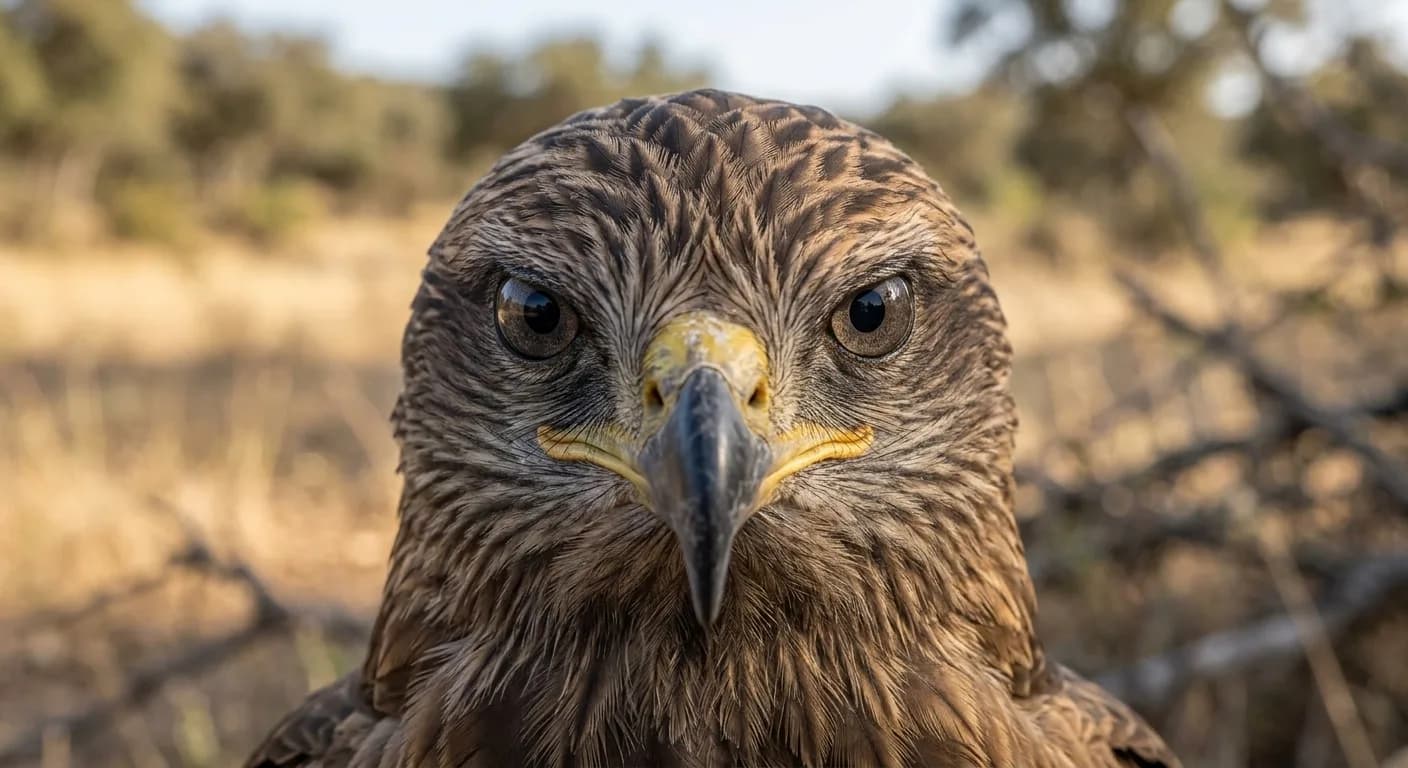
Black Kite (Milvus migrans)

Birds · Accipitriformes · Accipitridae

Black Kite

Milvus migrans

Least Concern

The species is abundant and widely distributed; it faces no significant short-term risk.

Spotted something wrong?

It is arguably the most abundant bird of prey in the world, with a global population estimated at up to 6 million.

Weight

600 g – 1.1 kg

Size

47 cm – 65 cm

Life expectancy

22 years
Diet

Omnivore

Combines animal and plant food depending on availability.

Activity

Diurnal

Active mainly during the day.

Social structure

Colony

Lives in large concentrations, often for breeding reasons.

Sighting difficulty

Easy

SavannaTemperate forest
92countries176parks43same family2natural phenomena1featured routes

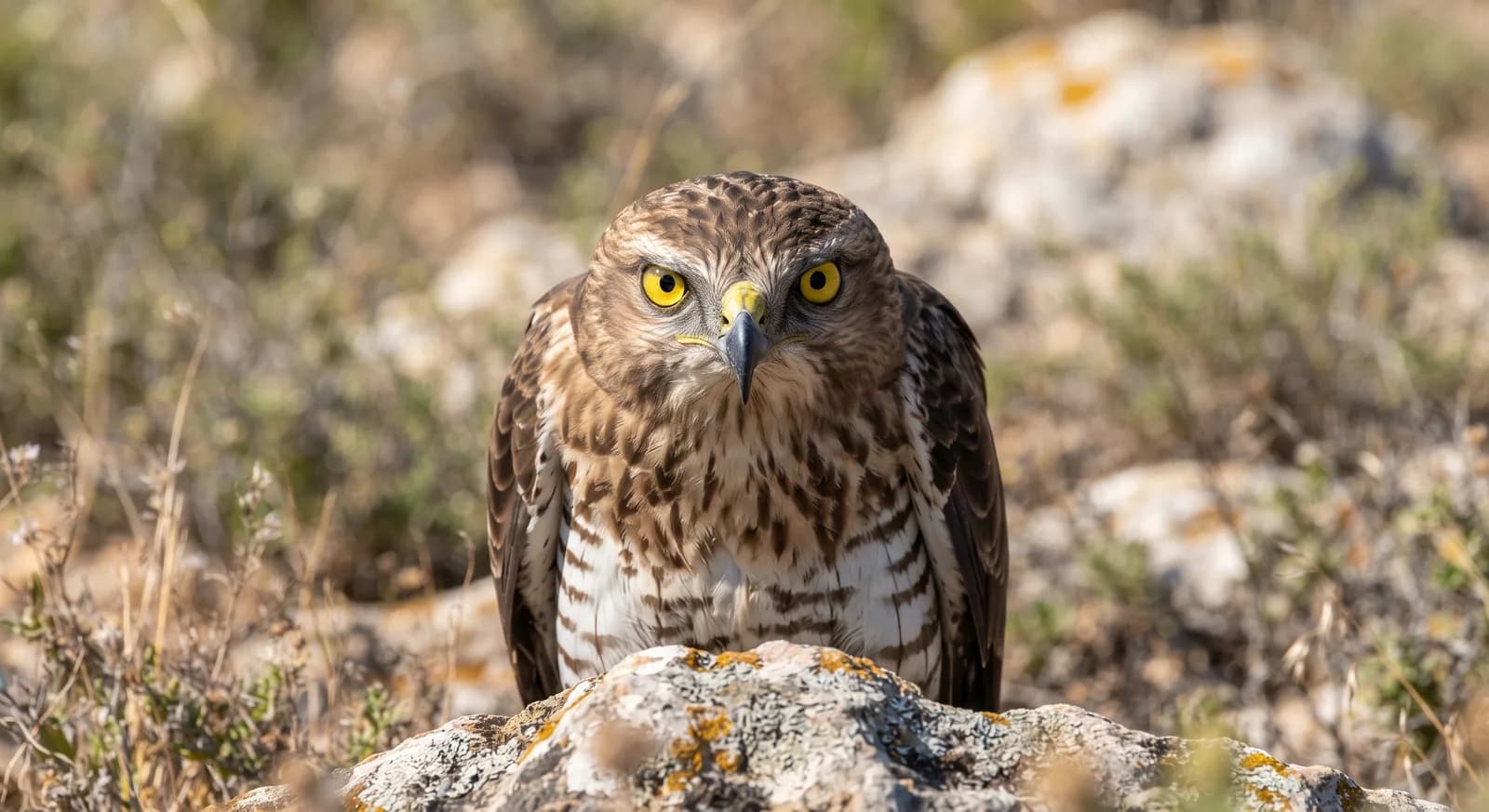
AI-generated images: illustrations, not photographs.

Fun facts

  • It is known for actively decorating its nest with eye-catching material such as white plastic, a behaviour that is unusual among birds of prey.
  • It feeds on carrion, fish, small mammals and human refuse.
  • It lives in a wide range of habitats across Europe, Asia, Africa and Oceania, large cities included.
  • comportamientoIt can gather in migrating flocks of thousands at narrow crossing points between continents, such as the Strait of Gibraltar.

Life cycle and biology

Skeleton type
Vertebrate - internal bony skeleton (bird)
Habitat and environment
A wide range of habitats across Europe, Asia, Africa and Oceania, large cities included
Birth weight
Born altricial and covered in sepia down
Size at birth
Born altricial
Sexual maturity
2-3 years; most breed for the first time at 3 years old
Gestation / incubation
30-34 days
Litter / clutch size
2 to 3 eggs per clutch
Life expectancy in captivity
Documented record of up to 23.7 years

Sources consulted: Animal Diversity Web; Zoopedia Wiki; Animalia.bio; Earth Life; Via Pontica; Birda; Wealthy Waste; Birds of India

Where to find it

Best time: From March to August in the Iberian Peninsula; it is a trans-Saharan migrant and spends the winter in Africa.

Loading map…

Where to see it

Parks and dive sites where this species has been documented — showing 10 of 176.

Related species

Other species in the catalogue with the most in common with Black Kite — same habitat, park, country, tags or family.

Same taxonomic family

Keep exploring

Based on what we already know about black kite.

Comments

Share an experience, a fun fact or a tip for seeing the black kite.

Be the first to comment.

See full glossary
This page in other languages: Español · Deutsch · Français · Português · Italiano

The pins mark the parks where its presence is documented.

See its range on the interactive map→
Doñana National ParkSpain
Gran ParadisoItaly
VanoiseFrance
Hohe TauernAustria
BerchtesgadenGermany
Stelvio (Stilfserjoch)Italy
EcrinsFrance
MercantourFrance
TriglavSlovenia
Picos de EuropaSpain
See all 176 parks
Short-toed EagleLeast Concern

Short-toed Eagle

Circaetus gallicus

Red KiteLeast Concern

Red Kite

Milvus milvus

European Honey BuzzardLeast Concern

European Honey Buzzard

Pernis apivorus

Common BuzzardLeast Concern

Common Buzzard

Buteo buteo

Eurasian SparrowhawkLeast Concern

Eurasian Sparrowhawk

Accipiter nisus

Booted EagleLeast Concern

Booted Eagle

Hieraaetus pennatus

CountriesPoland
ParksDoñana National ParkSpain
TagsOmnivore
Omnivore
Diurnal
Colonial
Bird
Savanna
Temperate forest

Africa44

Europe41

Asia6

Oceania1

Poland
Spain
Italy
France
Germany
Greece
Angola
Benin
Botswana
Burkina Faso
Burundi
Cameroon
Central African Republic
Chad
Côte d’Ivoire
Democratic Republic of the Congo
Djibouti
Equatorial Guinea
Eritrea
Eswatini
Ethiopia
Gabon
Gambia
Ghana
Guinea
Guinea-Bissau
Kenya
Lesotho
Liberia
Malawi
Mali
Mauritania
Mozambique
Namibia
Niger
Nigeria
Republic of the Congo
Rwanda
São Tomé and Príncipe
Senegal
Sierra Leone
Somalia
South Africa
South Sudan
Sudan
Tanzania
Togo
Uganda
Zambia
Zimbabwe
Albania
Andorra
Austria
Belarus
Belgium
Bosnia and Herzegovina
Bulgaria
Croatia
Czechia
Denmark
Estonia
Finland
France
Germany
Gibraltar
Greece
Hungary
Ireland
Italy
Kosovo
Latvia
Liechtenstein
Lithuania
Luxembourg
Moldova
Montenegro
Netherlands
North Macedonia
Norway
Poland
Portugal
Romania
San Marino
Serbia
Slovakia
Slovenia
Spain
Sweden
Switzerland
Ukraine
United Kingdom
Armenia
Azerbaijan
Georgia
India
Russia
Türkiye
Australia