Skip to content
WAnimals
  • Map
  • Species
  • Parks
  • Diving
Log inCreate account
WAnimals

The guide for travellers and animal lovers: discover, plan and share your wild adventures around the world.

Discover wildlife

  • Species
  • Ecosystems
  • Glossary
  • Tags

Explore places

  • Map
  • Countries
  • Parks
  • Diving

Plan experiences

  • Guides

Learn

  • Blog

Resources

  • About us
  • How we build our profiles
  • Help centre
  • Contact
  • Install the app

Follow us

Account

  • Log in
  • Create account

© 2026 WAnimals. All rights reserved.

Terms of servicePrivacyCookiesLegal notice
MapSpeciesParksDiving
  1. Home
  2. Species
  3. Common Garden Snail

One of the 11 snails on WAnimals
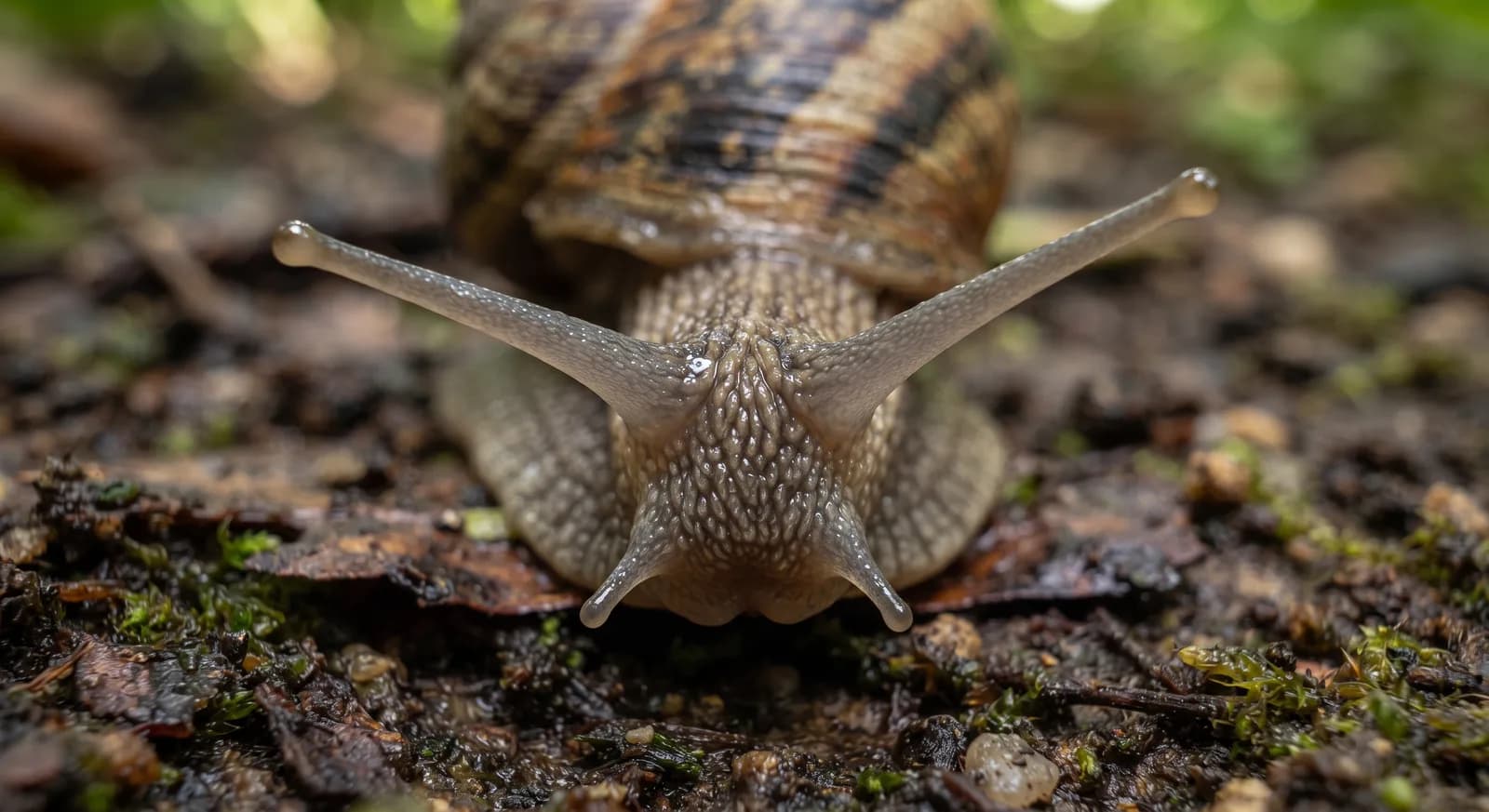
Common Garden Snail (Cornu aspersum)

Gastropods · Stylommatophora · Helicidae

Common Garden Snail

Cornu aspersum

Not Evaluated

It has not yet been assessed against the IUCN criteria.

Spotted something wrong?

A land mollusc with a globose brown shell marked with darker bands, of four or five whorls and a surface of fine wrinkles and ridges. On its head it carries two long tentacles with the eyes at the tips and two short ones that serve for touch.

Size

5 cm – 10 cm

Life expectancy

5 years

Diet

Herbivore

Feeds mainly on plants.
Activity

Nocturnal

Active mainly at night.

Social structure

Solitary

Lives and hunts alone, joining others only to breed.

Grassland
80countries1same family

AI-generated images: illustrations, not photographs.

Fun facts

  • It is a simultaneous hermaphrodite but cross-fertilising: each individual has both sets of reproductive organs and still needs another snail in order to breed.
  • In drought it withdraws into its shell and seals the opening with a plug of hardened mucus called an epiphragm.
  • It is the mainstay of Mediterranean snail farming, but it also appears on the official pest lists of Canada and the United States.
  • It is the garden snail everyone knows, and also the most widely eaten edible snail in Spain: most of the country's snail tapas are of this species.
  • It is a hermaphrodite, and its courtship includes a remarkable trait: before copulating, each individual shoots a calcareous dart into the other, the so-called love dart, coated in a secretion that raises the odds that its sperm will be the one to fertilise the eggs. It is a form of sperm competition.
  • It seals its shell with a partition of hardened mucus, the epiphragm, to pass the winter or dry spells in dormancy, sometimes for months.
  • Its slime is exploited commercially in cosmetics for its content of allantoin, collagen and glycolic acid.
  • It has spread around the world with the plant trade and with farming for consumption, and in California, Australia and South Africa it behaves as an agricultural pest.
  • Its scientific name has changed: for decades it was Helix aspersa.

Life cycle and biology

Skeleton type
Invertebrate - external calcareous shell coiled in a spiral (gastropod mollusc)
Habitat and environment
Gardens, allotments, woodland, grassland and dunes of the Mediterranean basin and western Europe. It is an anthropophilic species, abundant around houses and in farmed areas
Size at birth
The eggs are spherical and pearly white, about 3-4 mm across
Sexual maturity
Between the first and the second year of life
Gestation / incubation
10-25 days of incubation underground
Litter / clutch size
50-120 eggs per clutch, buried 3 or 4 cm deep, with up to six clutches a year
Life expectancy in captivity
Individuals reaching 15 years under controlled conditions have been documented

Sources consulted: Museo de La Plata (ficha Cornu aspersum, 2024) · CONABIO 2017, Evaluación rápida de invasividad · Guiller y Madec 2010 · Asturnatura · Wikipedia (Cornu aspersum)

Where to find it

Best time: All year round, though it is seen mainly after rain and at nightfall; in dry summers and cold winters it goes dormant

Loading map…

Related species

Other species in the catalogue with the most in common with Common Garden Snail — same habitat, park, country, tags or family.

Same taxonomic family
Related to
Related to
Related to
Related to
Related to

Keep exploring

Based on what we already know about common garden snail.

Share an experience, a fun fact or a tip for seeing the common garden snail.
See full glossary
This page in other languages: Español · Deutsch · Français · Português · Italiano
See its range on the interactive map→
Least Concern

Roman Snail

Helix pomatia

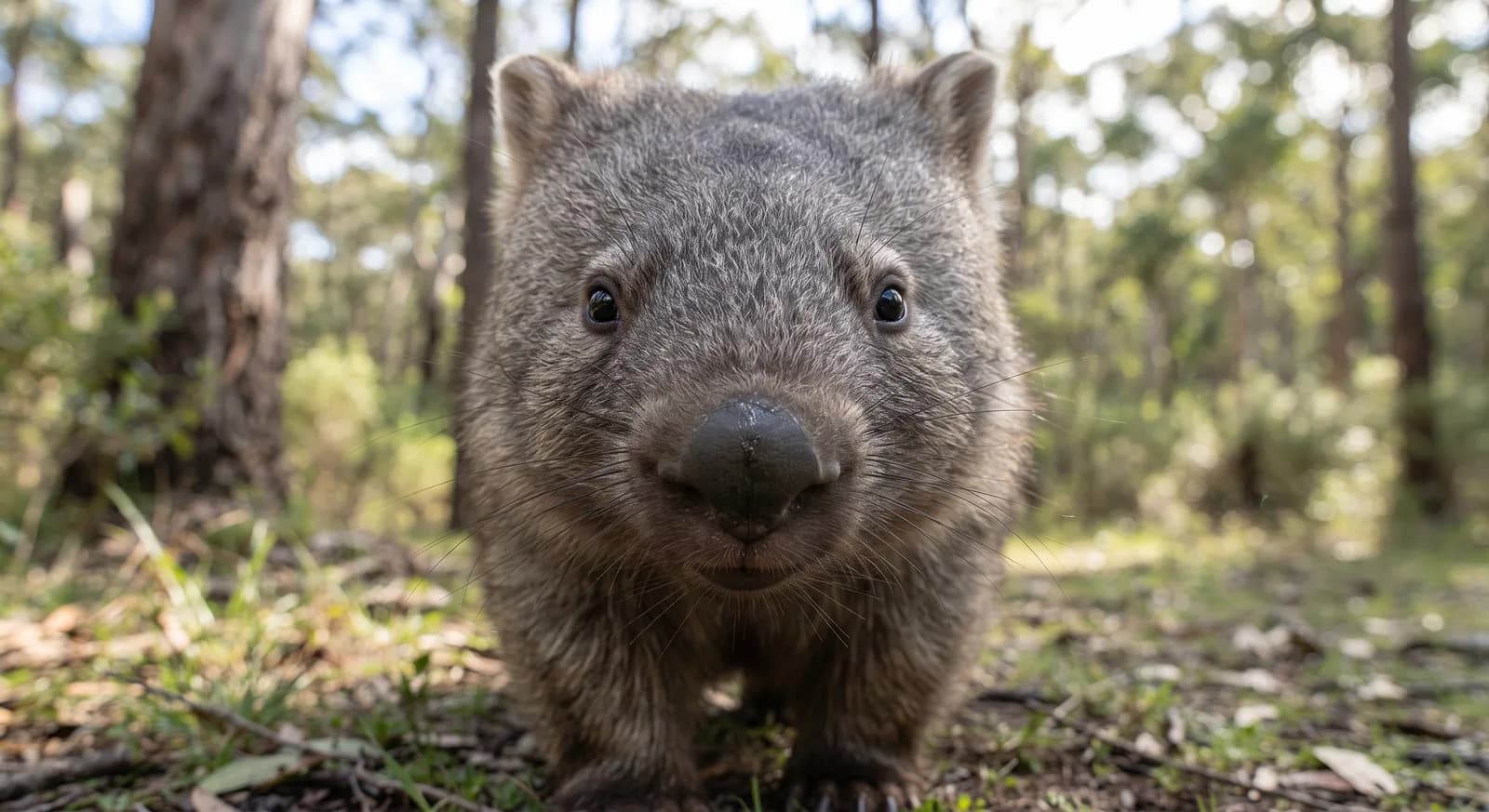
Bare-nosed WombatLeast Concern

Bare-nosed Wombat

Vombatus ursinus

Near Threatened

Southern Hairy-nosed Wombat

Lasiorhinus latifrons

Least Concern

Ord's Kangaroo Rat

Dipodomys ordii

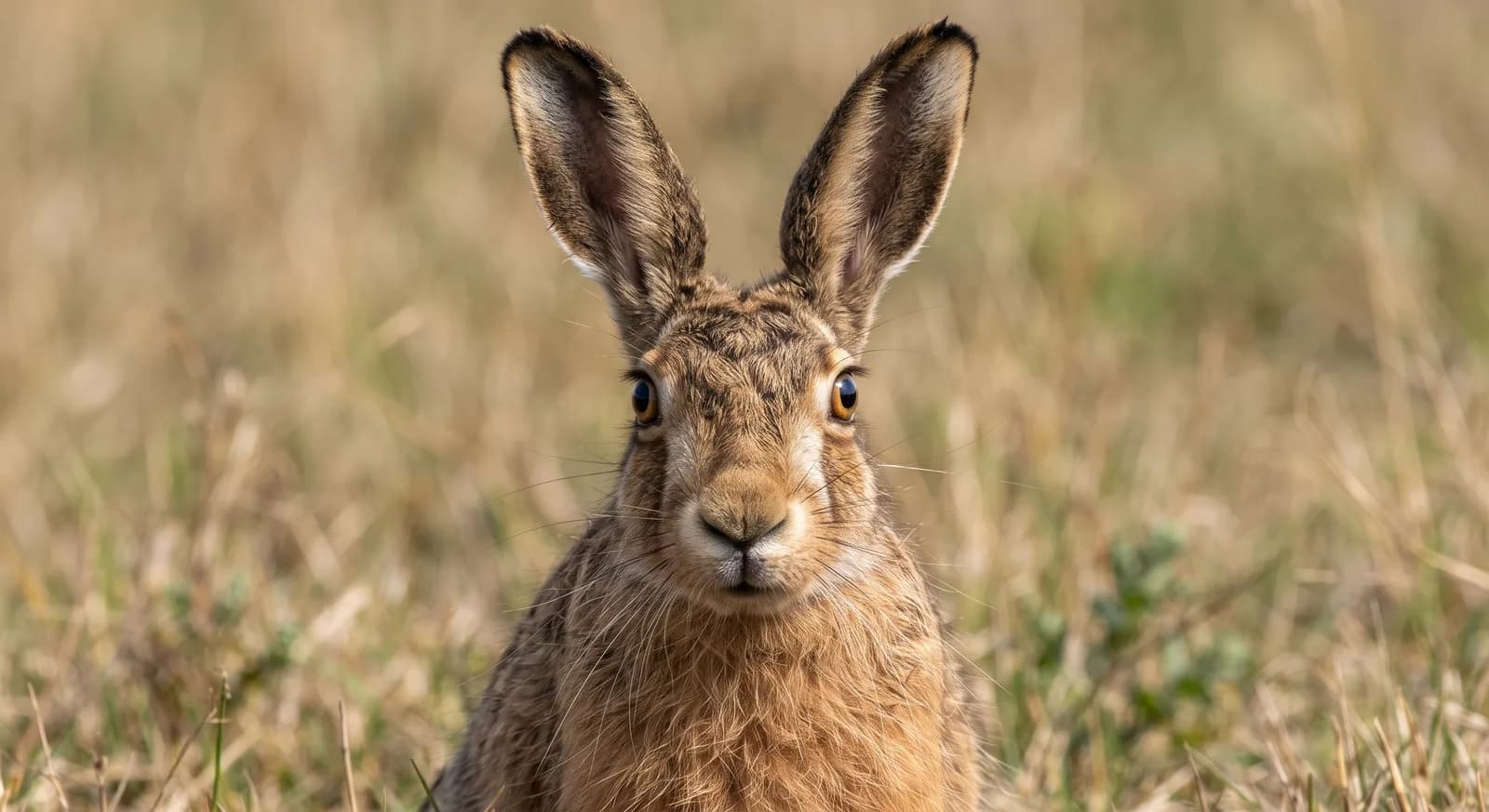
European HareLeast Concern

European Hare

Lepus europaeus

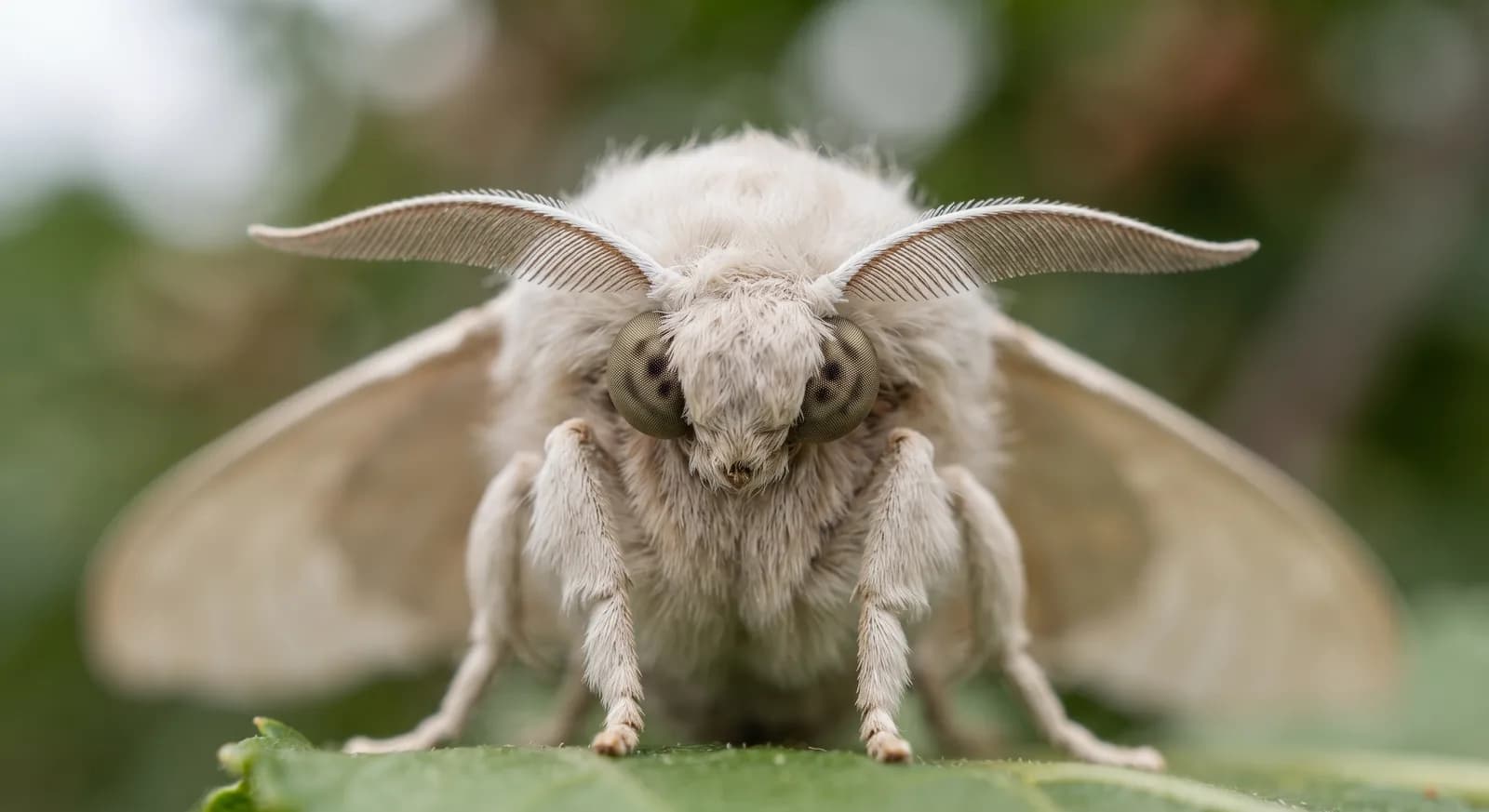
SilkwormNot Evaluated

Silkworm

Bombyx mori

CountriesAlbania
TagsHerbivore
Herbivore
Nocturnal
Solitary
Grassland
Mollusc

Europe44

Asia13

Africa12

South America6

North America3

Oceania2

Albania
Algeria
Andorra
Argentina
Armenia
Australia
Albania
Andorra
Austria
Belarus
Belgium
Bosnia and Herzegovina
Bulgaria
Croatia
Cyprus
Czechia
Denmark
Estonia
Finland
France
Germany
Gibraltar
Greece
Hungary
Ireland
Italy
Kosovo
Latvia
Liechtenstein
Lithuania
Luxembourg
Malta
Moldova
Monaco
Montenegro
Netherlands
North Macedonia
Norway
Poland
Portugal
Romania
San Marino
Serbia
Slovakia
Slovenia
Spain
Sweden
Switzerland
Ukraine
United Kingdom
Armenia
Azerbaijan
China
Georgia
Iran
Israel
Japan
Lebanon
Palestine
Russia
South Korea
Syria
Türkiye
Algeria
Cabo Verde
Egypt
Ethiopia
Kenya
Libya
Madagascar
Mauritius
Morocco
Réunion
South Africa
Tunisia
Argentina
Brazil
Chile
Colombia
Peru
Uruguay
Canada
Mexico
United States
Australia
New Zealand