One of the 4 dragonflies on WAnimals
Insects · Odonata · Libellulidae
Broad Scarlet
Crocothemis erythraea
The species is abundant and widely distributed; it faces no significant short-term risk. See full glossary
Size
up to 4.4 cm
Diet
Carnivore
Feeds mainly on other animals.
Activity
Diurnal
Active mainly during the day.
Social structure
Solitary
Lives and hunts alone, joining others only to breed.
Sighting difficulty
Easy
Fun facts
- GeneralThe male is wholly scarlet; one of the most conspicuous dragonflies in southern Europe.
- The male's scarlet appears on maturing: young males look like the females, yellowish brown with a pale stripe on the thorax.
- The larva passes through eleven instars and needs the water to warm to about 18 °C before it will begin metamorphosis and emerge.
- It basks to regulate its body temperature, which is essential if it is to fly and hunt.
- It is one of the dragonflies expanding its range furthest into northern Europe as the climate warms.
Life cycle & biology
- Skeleton type
- Invertebrate - chitin exoskeleton (insect)
- Habitat & environment
- Ponds, reservoirs, ditches and irrigation tanks
Sources consulted: https://es.wikipedia.org/wiki/Crocothemis_erythraea
Where to find it
See its range on the interactive mapWhere to watch it
Parques y spots de buceo donde se ha documentado esta especie — se muestran 10 de 112 documentados.
Related species
Other species in the catalogue with the most in common with Broad Scarlet — same habitat, park, country, tags or family.
Four-Spotted Chaser
Libellula quadrimaculata
 Least Concern
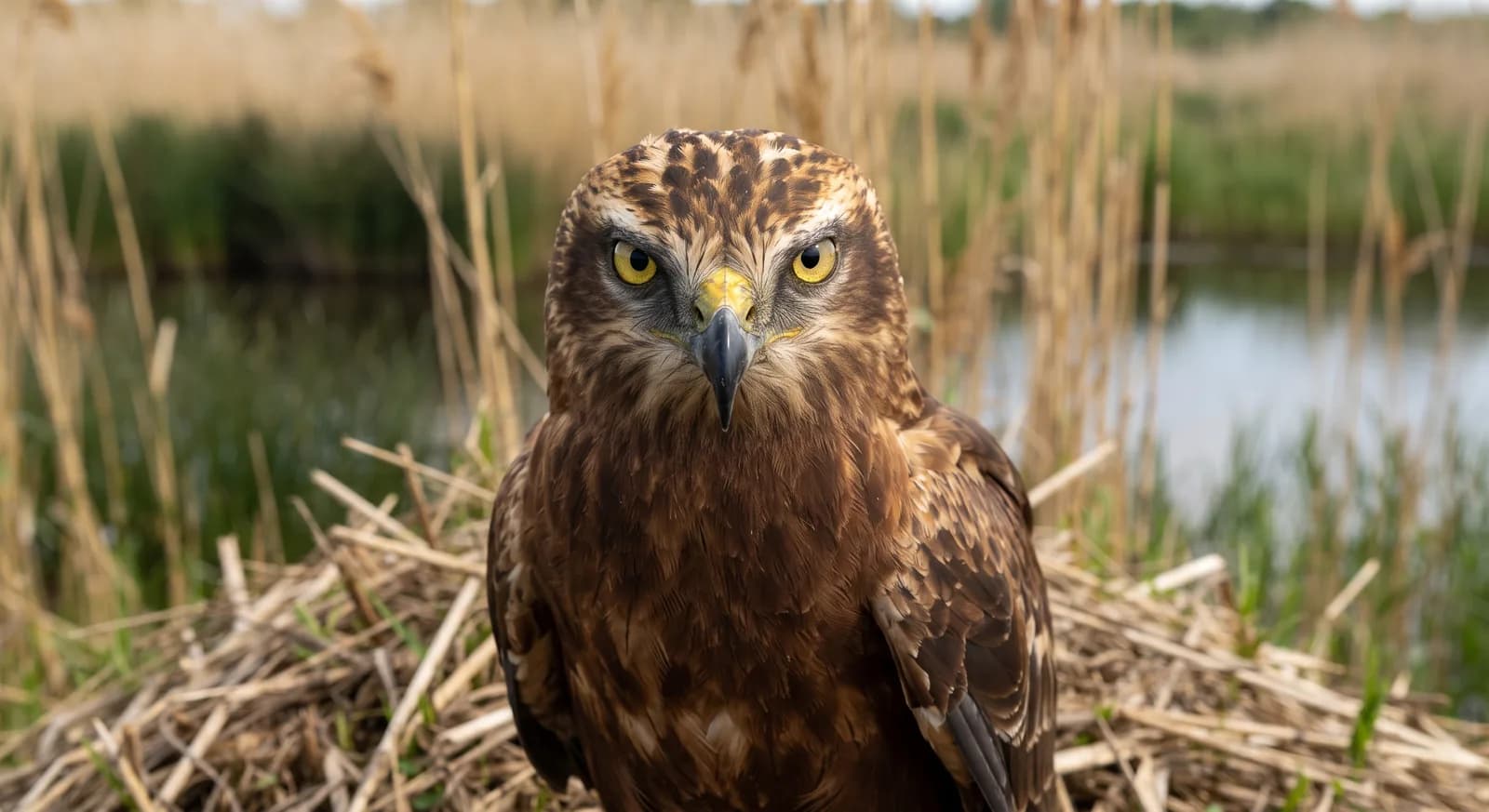
Western Marsh Harrier
Circus aeruginosus
Grass Snake
Natrix natrix
Perez's Frog
Pelophylax perezi
 Least Concern
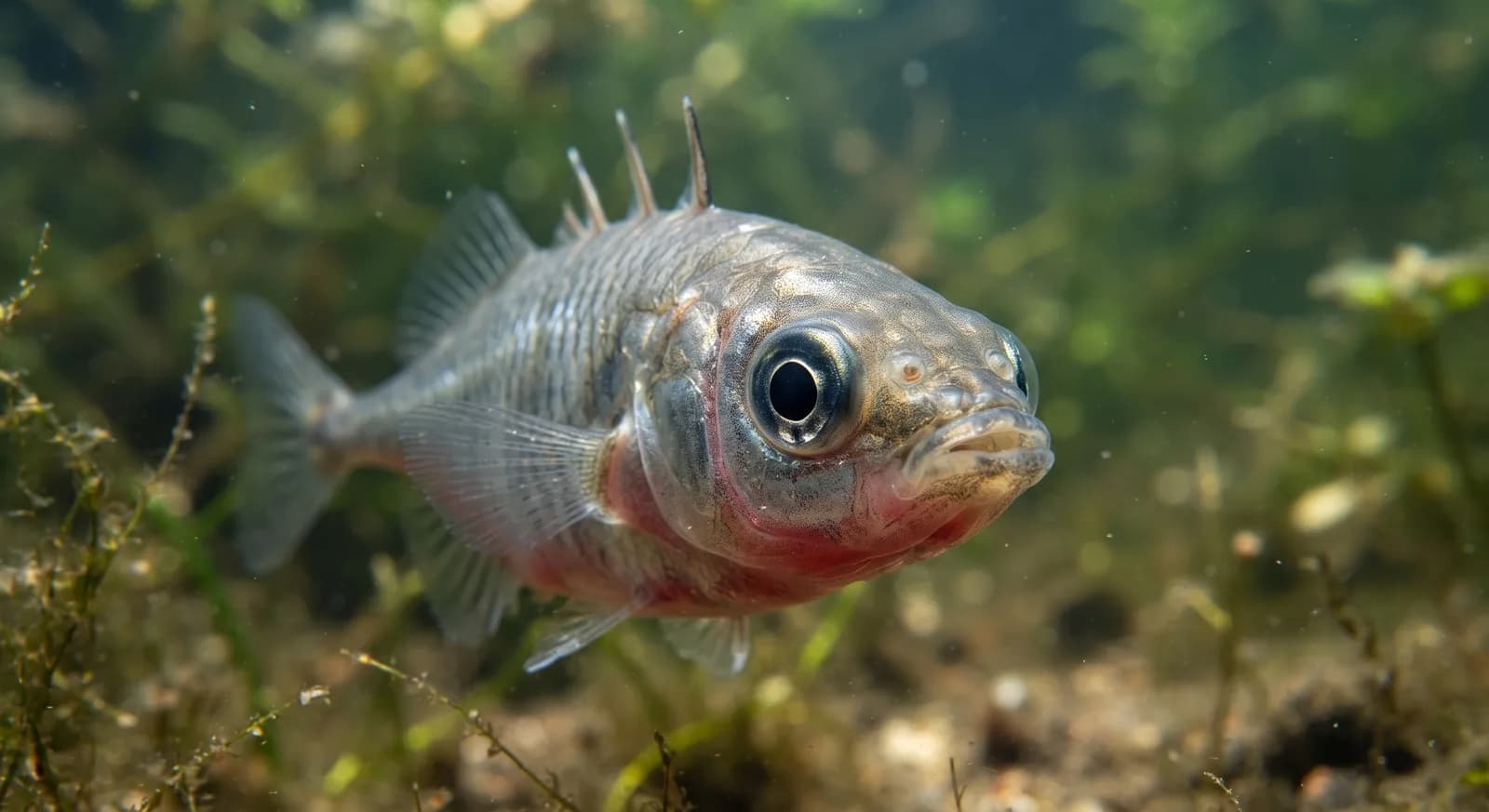
Three-spined Stickleback
Gasterosteus aculeatus
Common Clubtail
Gomphus vulgatissimus
Keep exploring
Based on what we already know about broad scarlet.
Comments
Share an experience, a fun fact or a tip for seeing the broad scarlet.
Be the first to comment.