Skip to content
WAnimals
  • Map
  • Species
  • Parks
  • Diving
Log inCreate account
WAnimals

The guide for travellers and animal lovers: discover, plan and share your wild adventures around the world.

Discover wildlife

  • Species
  • Ecosystems
  • Glossary
  • Tags

Explore places

  • Map
  • Countries
  • Parks
  • Diving

Plan experiences

  • Guides

Learn

  • Blog

Resources

  • Help centre
  • Contact
  • Install the app

Follow us

Account

  • Log in
  • Create account

© 2026 WAnimals. All rights reserved.

About usHow we build our profilesTerms of servicePrivacyLegal notice
MapSpeciesParksDiving
  1. Cookie Cutter Shark

Cookie Cutter Shark (Isistius brasiliensis)

Cartilaginous fish · Squaliformes · Dalatiidae

Cookie Cutter Shark

Isistius brasiliensis

Least Concern

The species is abundant and widely distributed; it faces no significant short-term risk.

Spotted something wrong?

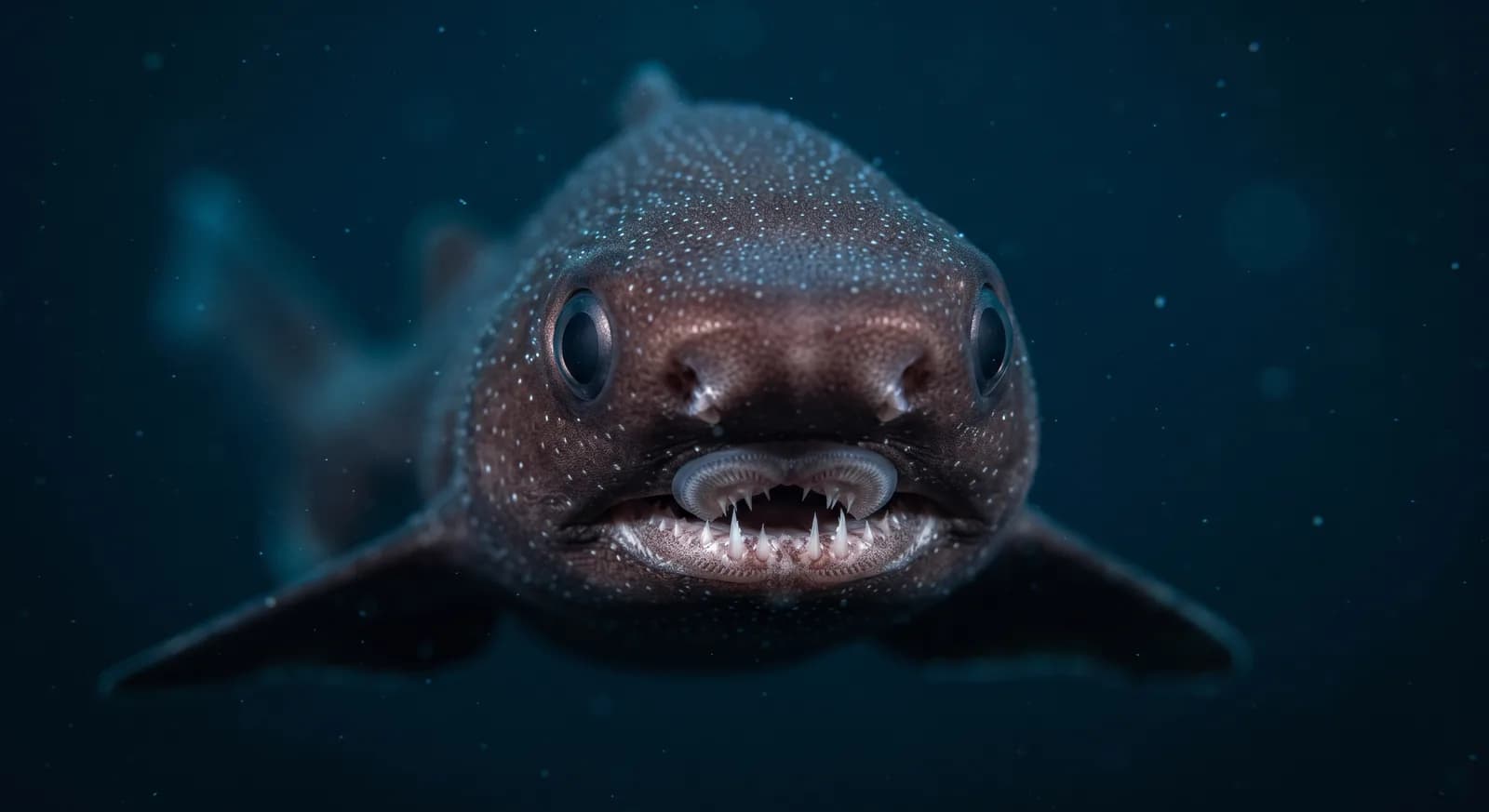
The cookiecutter shark is a small squaliform shark of the family Dalatiidae. This shark is found in warm oceanic waters worldwide, particularly near islands, and has been recorded at depths of up to 3,700 m. It makes vertical migrations of up to 3,000 m each day, coming close to the surface at dusk and descending at dawn. Reaching only 42-56 cm in length, the cookiecutter shark has a long, cylindrical body with a short, blunt snout, large eyes, two small spineless dorsal fins and a large caudal fin. It is dark brown, with light-emitting photophores covering its underside except for a dark "collar" around its throat and gill slits.

Weight

500 g – 2 kg

Size

40 cm – 56 cm

Life expectancy
25 years

Diet

Carnivore

Feeds mainly on other animals.

Activity

Nocturnal

Active mainly at night.

Sighting difficulty

Easy

Ocean
121countries4parks3dive sites

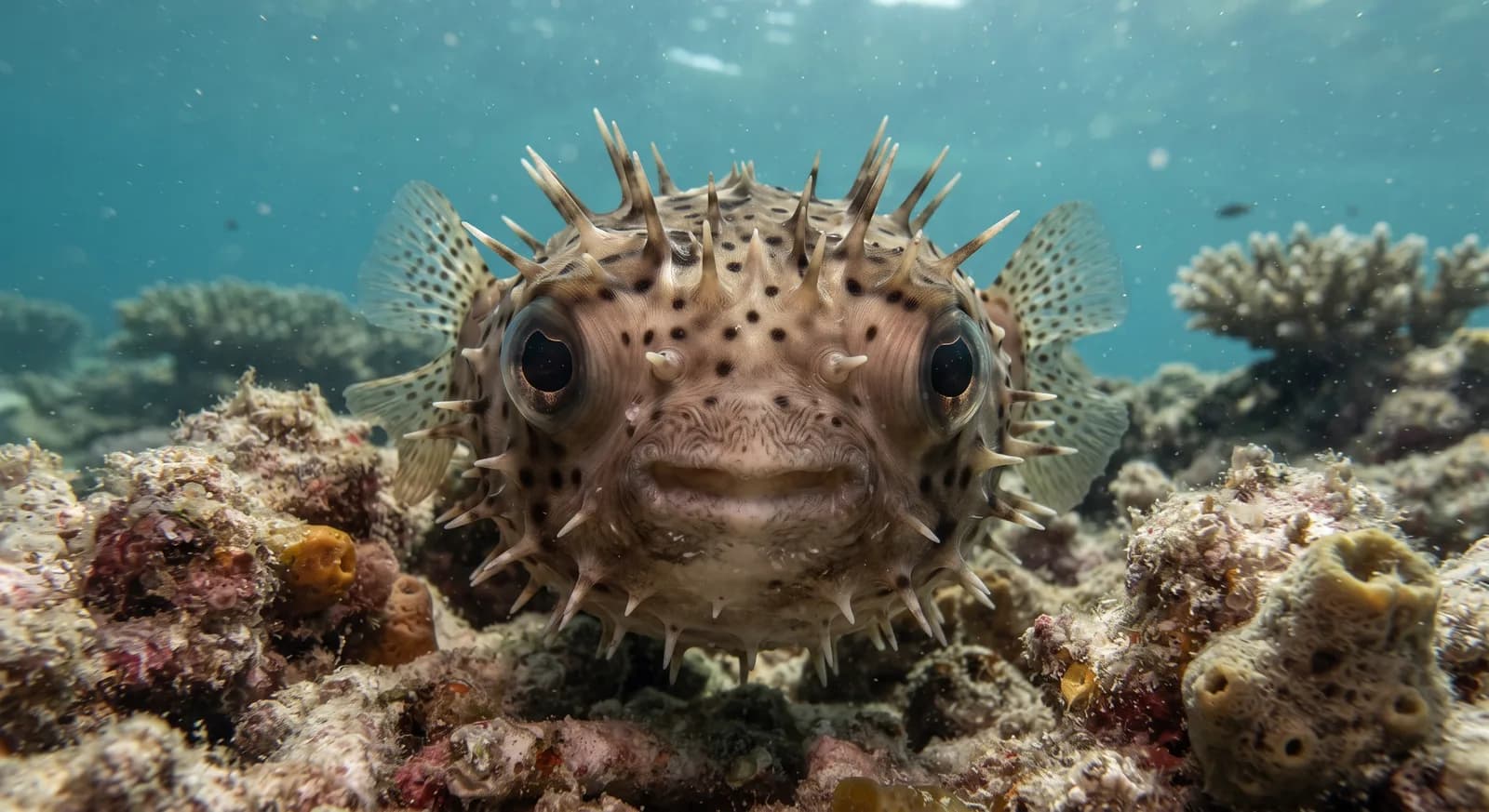
AI-generated images: illustrations, not photographs.

Fun facts

  • alimentaciónIt feeds by taking small round plugs of skin and flesh out of far larger animals — whales, tuna, even submarines — with a characteristic twisting bite.
  • It takes perfectly circular bites: it fastens on with its lips like a sucker, sinks in its lower row of teeth, spins on its own axis and pulls away with a cone of flesh, leaving a characteristic round scar seen on whales, dolphins and tuna all over the world.
  • It has bitten submarine cables, sonar domes and the rubber sheathing of American nuclear submarines, forcing the coating of some equipment to be redesigned.
  • It is bioluminescent: its whole underside gives off a greenish light except for a dark collar beneath the throat, and that dark silhouette against a glowing background is thought to draw in large predators that come in to attack and end up bitten themselves.

Life cycle and biology

Skeleton type
Vertebrate - cartilaginous skeleton (fish)
Habitat and environment
Tropical and temperate oceanic waters of every ocean, down to 3,700 metres deep
Sexual maturity
5 years
Gestation / incubation
Internal gestation
Litter / clutch size
9 live young

Sources consulted: https://es.wikipedia.org/wiki/Isistius_brasiliensis

Where to find it

Loading map…

Where to see it

Parks and dive sites where this species has been documented.

Related species

Other species in the catalogue with the most in common with Cookie Cutter Shark — same habitat, park, country, tags or family.

Shares a park
Shares a park
Shares a park
Shares a park
Shares a park
Shares a park

Keep exploring

Based on what we already know about cookie cutter shark.

Comments

Share an experience, a fun fact or a tip for seeing the cookie cutter shark.

Be the first to comment.

Home
Species
One of the 26 sharks on WAnimals
See full glossary
This page in other languages: Español · Deutsch · Français · Português · Italiano

The pins mark the parks and dive sites where its presence is documented.

See its range on the interactive map→
Galápagos National ParkEcuador
Revillagigedo ArchipelagoMexico
Cocos IslandCosta Rica
Fernando de NoronhaBrazil
Cape Verde (Sal Island)Cabo Verde
Rapa Nui (Easter Island)Chile
Christmas IslandAustralia
Spot-fin PorcupinefishLeast Concern

Spot-fin Porcupinefish

Diodon hystrix

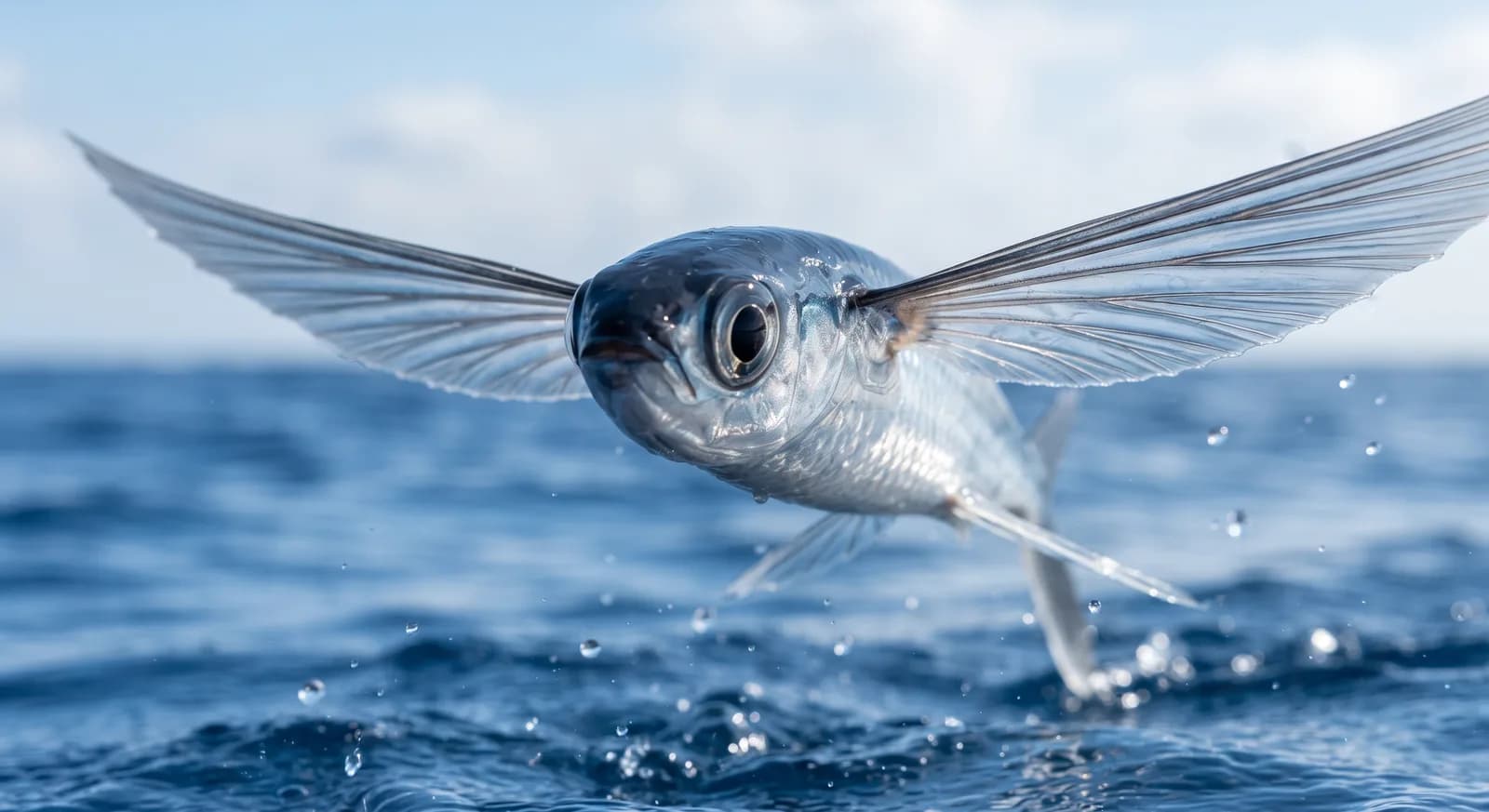
Tropical Two-wing FlyingfishLeast Concern

Tropical Two-wing Flyingfish

Exocoetus volitans

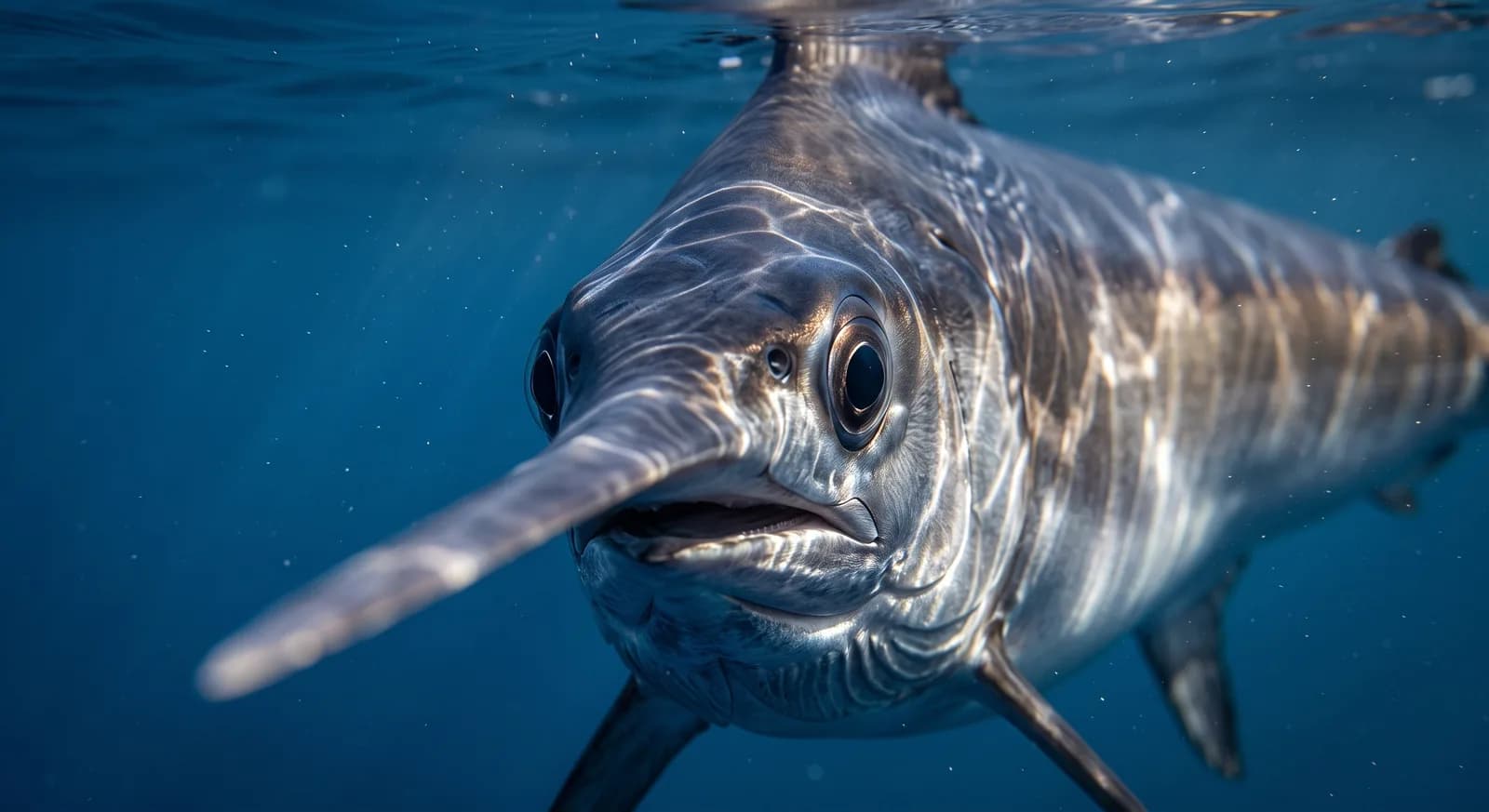
SwordfishNear Threatened

Swordfish

Xiphias gladius

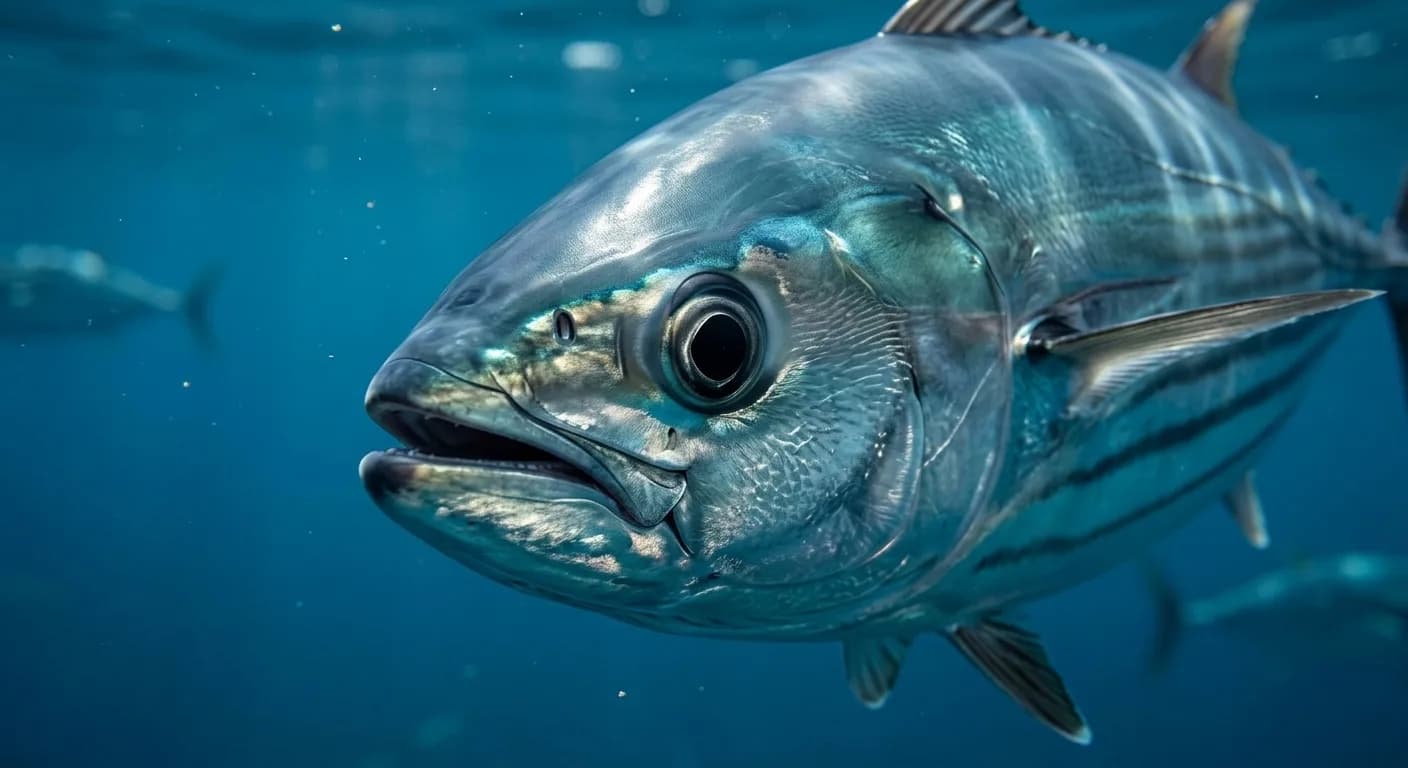
SkipjackLeast Concern

Skipjack

Katsuwonus pelamis

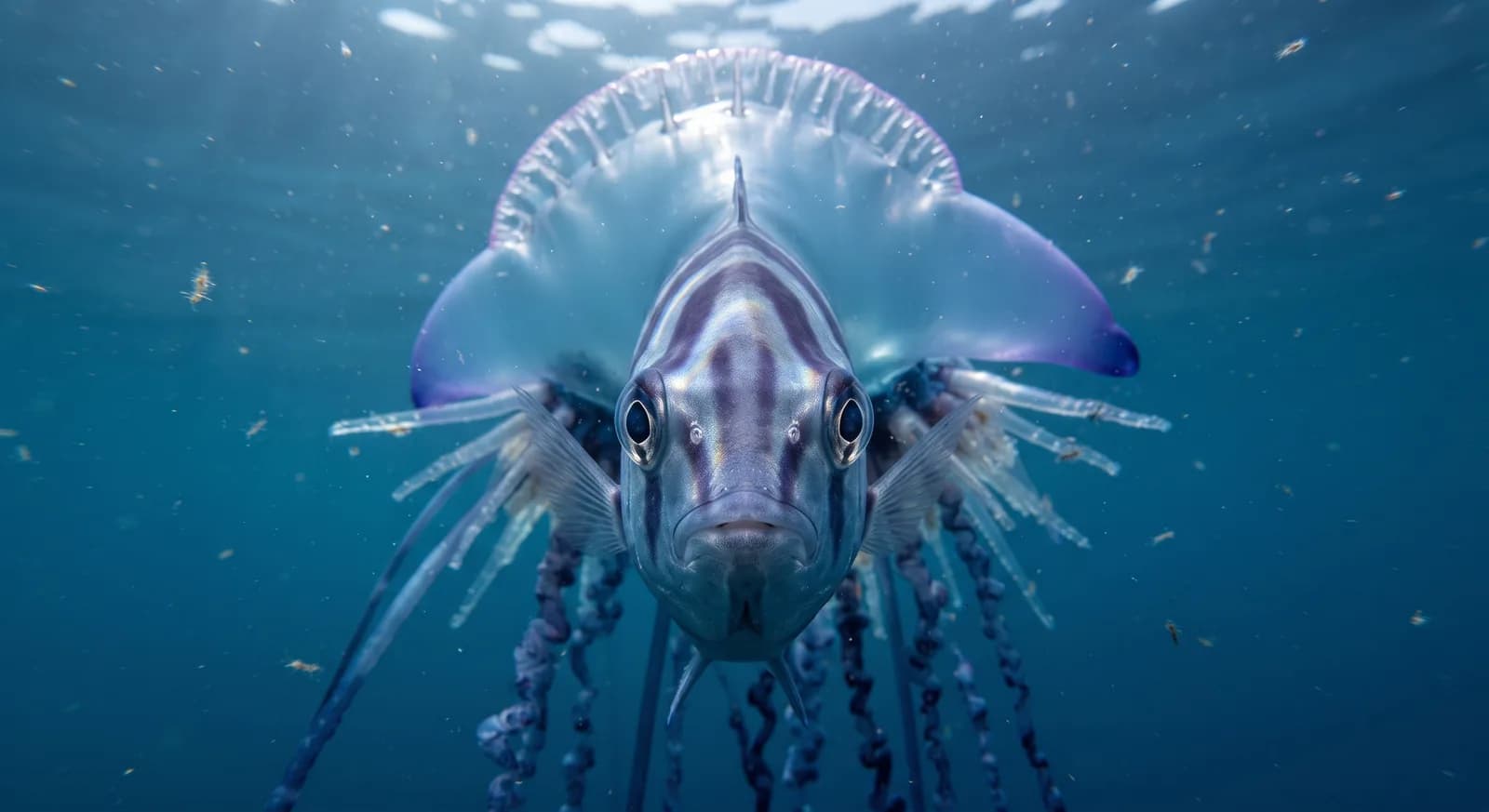
Man-of-war FishLeast Concern

Man-of-war Fish

Nomeus gronovii

Least Concern

Live Sharksucker

Echeneis naucrates

CountriesAustralia
ParksGalápagos National ParkEcuador
TagsCarnivore
Carnivore
Nocturnal
Fish
Ocean

Africa35

North America32

Asia25

Oceania20

South America9

Australia
Brazil
Cabo Verde
Chile
Costa Rica
Ecuador
Angola
Benin
Cabo Verde
Cameroon
Comoros
Côte d’Ivoire
Democratic Republic of the Congo
Djibouti
Egypt
Equatorial Guinea
Eritrea
Gabon
Gambia
Ghana
Guinea
Guinea-Bissau
Kenya
Liberia
Madagascar
Mauritania
Mauritius
Mayotte
Mozambique
Nigeria
Republic of the Congo
Réunion
São Tomé and Príncipe
Senegal
Seychelles
Sierra Leone
Somalia
South Africa
Sudan
Tanzania
Togo
Anguilla
Antigua and Barbuda
Aruba
Bahamas
Barbados
Belize
Bermuda
British Virgin Islands
Cayman Islands
Costa Rica
Cuba
Curaçao
Dominica
Dominican Republic
El Salvador
Grenada
Guadeloupe
Guatemala
Haiti
Honduras
Jamaica
Martinique
Mexico
Nicaragua
Panama
Puerto Rico
Saint Kitts and Nevis
Saint Lucia
Saint Vincent and Grenadines
Trinidad and Tobago
Turks and Caicos Islands
U.S. Virgin Islands
Bahrain
Bangladesh
Brunei
Cambodia
China
India
Indonesia
Iran
Kuwait
Malaysia
Maldives
Myanmar
Oman
Pakistan
Philippines
Qatar
Saudi Arabia
Singapore
Sri Lanka
Taiwan
Thailand
Timor-Leste
United Arab Emirates
Vietnam
Yemen
American Samoa
Australia
Cook Islands
Fiji
French Polynesia
Guam
Kiribati
Marshall Islands
Micronesia
Nauru
New Caledonia
Niue
Northern Mariana Islands
Palau
Papua New Guinea
Samoa
Solomon Islands
Tonga
Tuvalu
Vanuatu
Brazil
Chile
Colombia
Ecuador
French Guiana
Guyana
Peru
Suriname
Venezuela